Canaima:
Wonders of Venezuela's Tepuis and Angel Falls
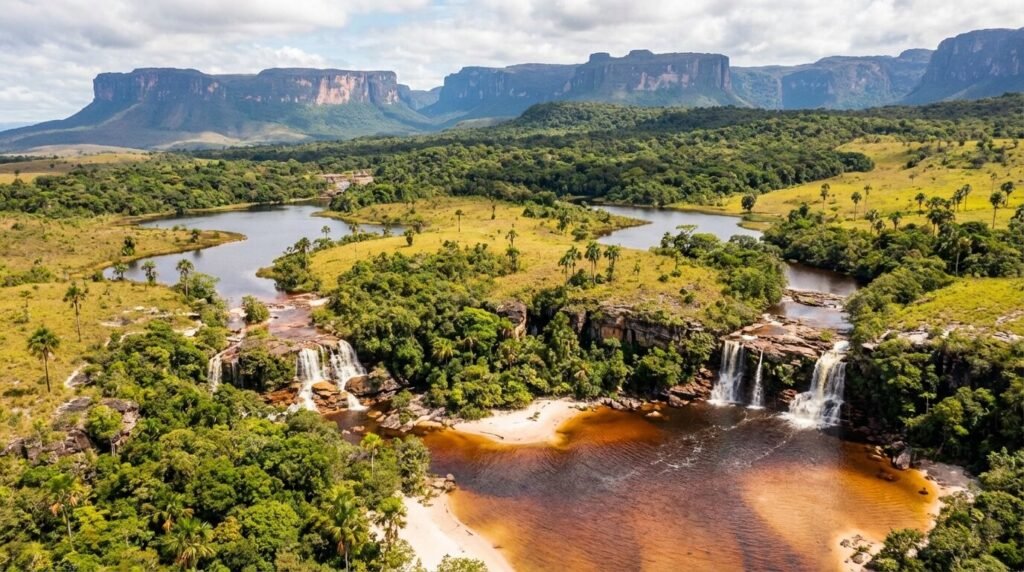
When you visit Canaima, you encounter wide savannas, towering cliffs, and rivers that cut through some of the oldest rock on Earth. This remote region lies in southeastern Venezuela near the borders with Brazil and Guyana. It feels vast, quiet, and shaped by deep geological time.
Canaima (Parque Nacional de Canaima) is a vast national park in Venezuela known for Angel Falls, flat‑topped tepui mountains, exceptional biodiversity, and living Indigenous culture. Angel Falls plunges from the summit of Auyantepui, while massive stone plateaus rise abruptly from the plains. Many plants and animals found here exist nowhere else on Earth.
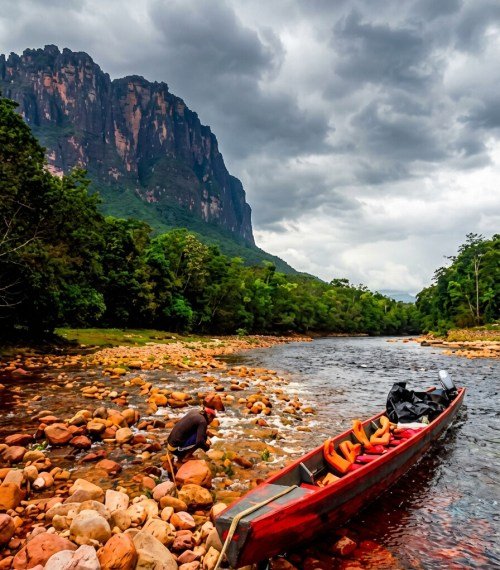
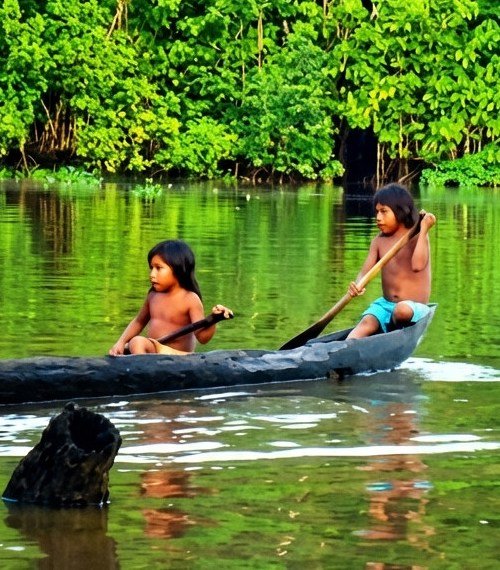
You also share this landscape with the Indigenous Pemón people, who consider the tepuis sacred. Travel often occurs by small plane, canoe, or on foot, which helps preserve the park’s wild character. This unique blend of geology, culture, and scale gives Canaima its global importance and UNESCO World Heritage status.
Key Takeaways
Canaima lies in southeastern Venezuela and protects an immense, ancient landscape.
The park features Angel Falls, iconic tepui mountains, and high levels of endemism.
Pemón Indigenous communities play a central cultural and ecological role.
East Venezuela
More Destination
REQUEST
Canaima National Park: Second largest park in Venezuela
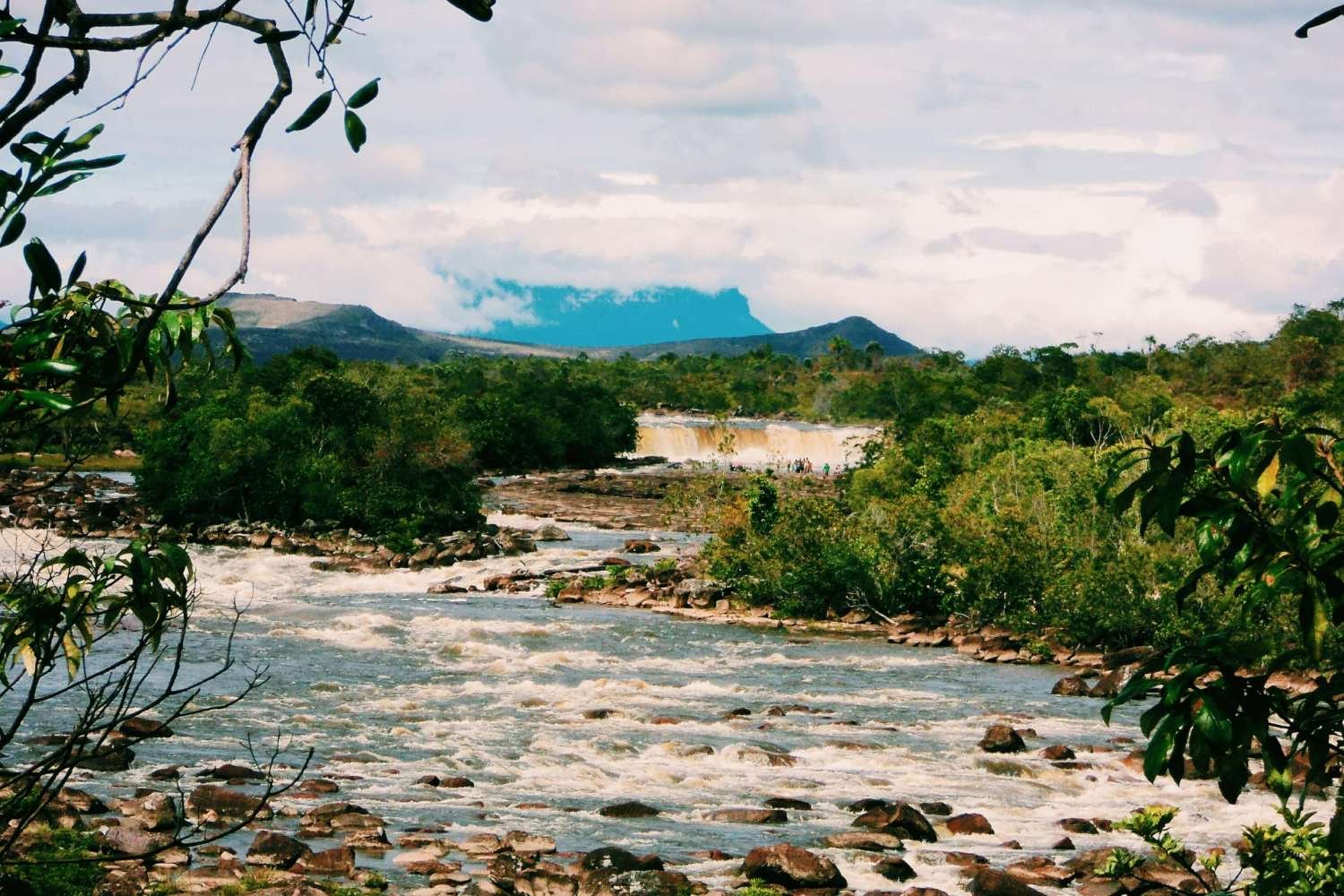
Canaima National Park is located in Bolívar State within the Gran Sabana region of southeastern Venezuela. Covering roughly 30,000 square kilometers, it includes rainforest, savanna, rivers, and dramatic table mountains. The park is globally significant for its geology, waterfalls, ecosystems, and long human history, and it has been named a world heritage site by UNESCO.
Geological Formations and Tepuis
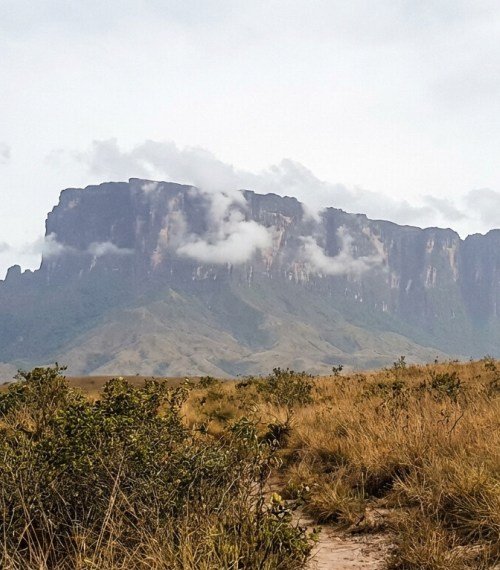
You observe some of the oldest exposed geological formations on the planet inside Canaima National Park. The region is dominated by tepuis—flat‑topped table mountains with vertical cliffs rising hundreds of meters above the surrounding plains. These formations date back to the Precambrian era.
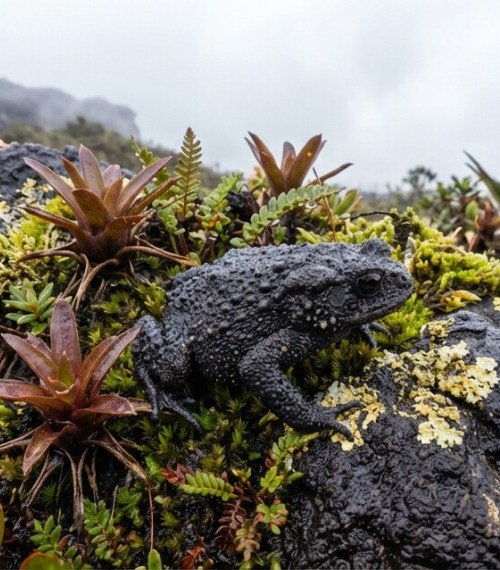
Notable tepuis include Auyantepui, Mount Roraima, and Tepuy Kukenán. Mount Roraima sits near the tri‑border of Venezuela, Brazil, and Guyana. Auyantepui is especially famous as the source of Angel Falls. Each tepui functions like an ecological island, supporting species that evolved in isolation.
The geology also controls river systems such as the Caroní River, influencing waterfalls, rapids, and sediment patterns throughout the park.
Tourist attraction: Angel Falls and Major Waterfalls
You encounter some of the most dramatic waterfalls on Earth in Canaima National Park. Angel Falls, the tallest waterfall in the world, drops 979 meters from the edge of Auyantepui. Most of the water falls freely through the air, dispersing into mist before reaching the base.
The waterfall is named after Jimmie Angel, an American pilot who flew over the area in the 1930s and brought international attention to the falls. His aircraft later landed atop Auyantepui, becoming part of the site’s modern history.
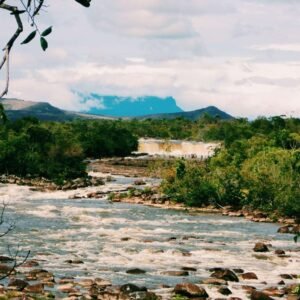
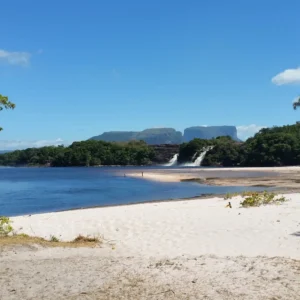
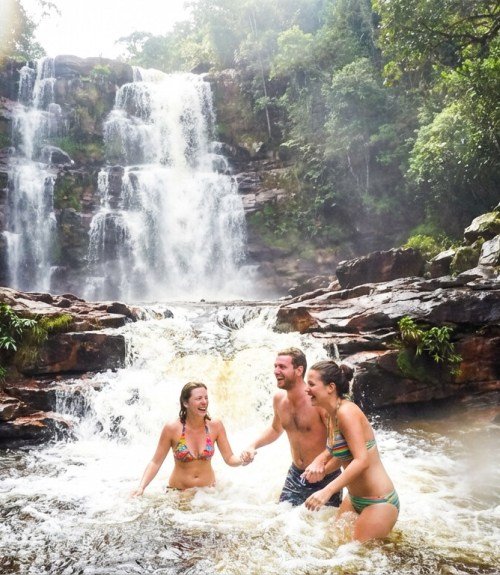
Other major waterfalls include Kukenán Falls and numerous seasonal cascades that appear during the rainy months. These waters feed into Canaima Lagoon (Laguna de Canaima), an important hub for transport and local life.
History
You step into a region with deep human roots. The Indigenous peoples of South America have a deep connection to the land within the park. Pemón people have lived in Canaima for centuries, maintaining spiritual, cultural, and subsistence connections to the land. Tepuis hold sacred meaning and feature prominently in oral traditions.
During the early 20th century, explorers, scientists, and pilots—most notably Jimmie Angel—brought global awareness to the region. In response to its significance, the Venezuelan government established Canaima National Park in 1962.
Today, conservation, Indigenous stewardship, and controlled tourism shape the park’s ongoing history.
UNESCO World Heritage Designation
UNESCO designated Canaima National Park a World Heritage Site in 1994 under criteria (vii), (viii), (ix), and (x). These recognize its exceptional natural beauty, ancient geological formations, ongoing ecological processes, and extraordinary biodiversity.
The park’s vast size and relative isolation help preserve its natural integrity. UNESCO also acknowledges the importance of protecting Indigenous cultural traditions alongside the landscape.
Our Sabana Travel Packages
Ecosystems, Biodiversity & Indigenous Culture
You move through one of South America’s oldest landscapes, where jungle, savanna, and tepui ecosystems intersect. These environments support rare species and long‑standing human traditions that remain closely connected.
Endemic Flora and Fauna of Canaima
Canaima’s isolation has produced exceptional levels of endemism. Many plants and animals evolved only on specific tepuis or within narrow ecological zones in South America.
Notable endemic and specialized plants include:
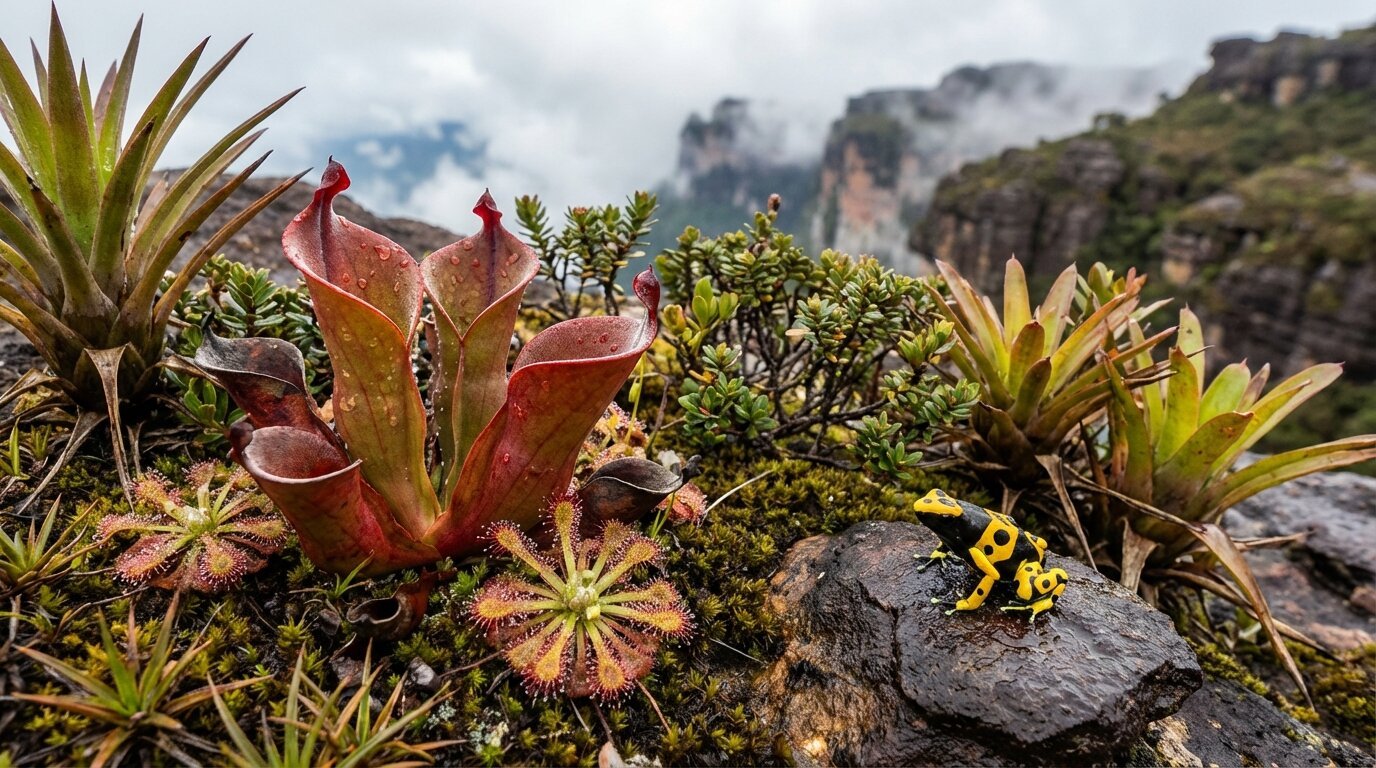
Heliamphora, Drosera, and Utricularia carnivorous plants
Shrubs such as Chimantaea, Quelchia, Tepuia, and Mallophyton
Bromeliads adapted to nutrient‑poor soils and heavy rainfall
Endemic animals include the rodent Podoxymys roraimae and the marsupial Marmosa tyleriana. Brightly colored amphibians such as the yellow‑banded poison dart frog (Dendrobates leucomelas) are also present.
Lower elevations support larger mammals, including jaguar (Panthera onca), cougar (Puma concolor), giant anteater (Myrmecophaga tridactyla), giant armadillo (Priodontes maximus), and giant otter (Pteronura brasiliensis).
Major Ecosystems: Jungle, Savanna, and Tepuis
Ecosystem | Key Features | Common Wildlife |
|---|---|---|
Jungle | Dense forest, high rainfall | Jaguar, two‑toed sloth (Choloepus didactylus), white‑faced saki (Pithecia pithecia) |
Savanna | Open grassland, rocky soils | Giant anteater, armadillos, orchids |
Tepuis | Flat summits, sheer cliffs | Endemic plants, frogs, small mammals |
Natural fires maintain savanna ecosystems, while rivers connect all zones and support wildlife movement and human travel.
The Pemón People and Indigenous Traditions
You experience Canaima through the lives of the Pemón people. They practice small‑scale farming, fishing, and forest gathering while rotating fields to protect soil and water.
Spiritual beliefs guide land use. Tepuis are sacred, and oral traditions describe natural rules, dangers, and ancestral beings such as mawari.
Today, Pemón communities guide visitors, protect sacred sites, and advocate against illegal mining. Their stewardship remains essential to Canaima’s survival.
Frequently Asked Questions
These questions cover weather timing, trail difficulty, wildlife, geology, cultural meaning, and trip planning. You get clear facts to help you decide when to go, what to expect, and how to prepare..
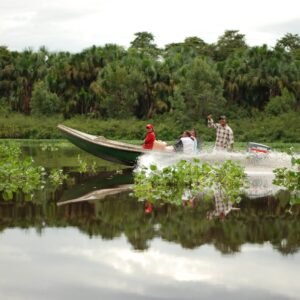
You can hike savannas and forest trails, visit waterfalls, travel by canoe, and explore viewpoints near tepuis. Trips to Angel Falls are most common during the rainy season.
Many plants, amphibians, insects, and small mammals evolved exclusively on tepui plateaus due to long‑term isolation.
The park protects interconnected rainforest, savanna, and freshwater ecosystems, preserving thousands of species and unique evolutionary lineages.
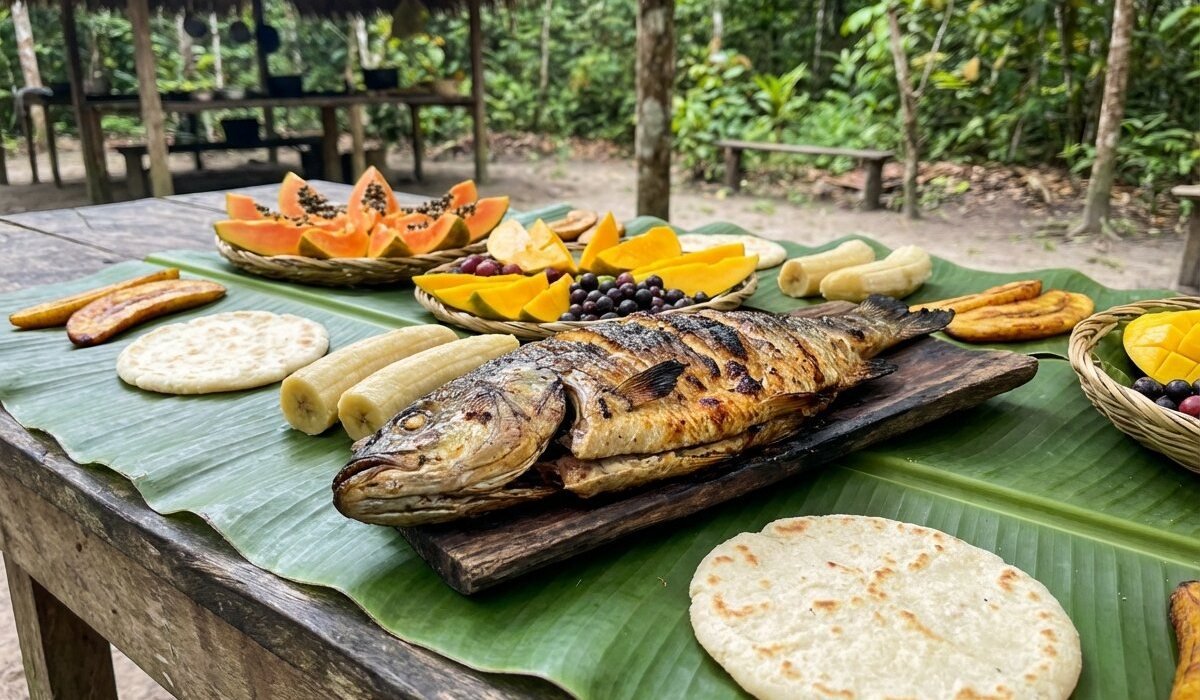
Meals often include river fish such as morocoto, cassava bread, plantains, and seasonal fruits prepared using Pemón traditions.
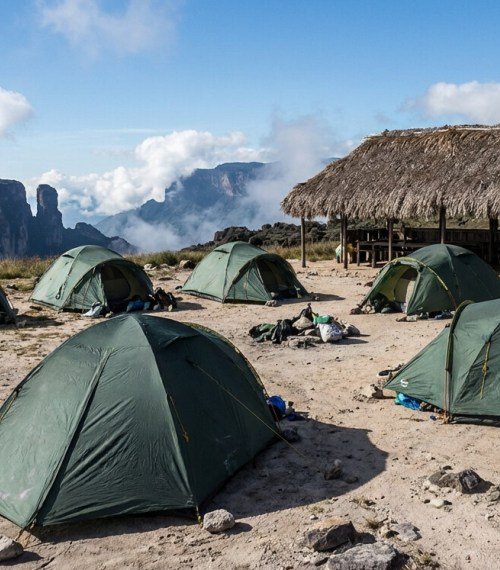
You find small eco‑lodges ranging from basic to mid‑range comfort. Many operate with limited electricity and focus on sustainability.
You typically reach Canaima by small aircraft from Caracas or Puerto Ordaz. There is no road access from major cities.