
Margarita Island:
Essential Guide to Venezuela’s Pearl of the Caribbean
You land in the Caribbean and step onto an island shaped by sea, sun, and history. Margarita Island sits just off Venezuela’s coast and blends calm beaches with busy towns and old forts. Many visitors refer to the area as Isla de Margarita when planning their tropical getaway. As one of the most popular Caribbean islands, you feel the mix of local life and travel energy right away.
Margarita Island is the largest island in Venezuela and a top Caribbean destination known for its beaches, dry climate, and duty-free shopping. You can swim, windsurf, hike low mountains, or explore colonial sites from the independence era. Warm weather stays steady most of the year, which makes planning simple.
You also move easily around the island by flight or ferry from the mainland. Cities like Porlamar offer shops and services, while quieter beaches stretch along both coasts. The island invites you to slow down or stay active, depending on your plans.
Key Takeaways
Margarita Island lies in the Caribbean off Venezuela’s coast.
You find beaches, history, and outdoor activities in one place.
Travel access and warm weather make visits easy year-round.
East Venezuela
More Destination
REQUEST
Key Highlights and Geography of Margarita Island
Margarita Island, also called Isla de Margarita, sits in the Caribbean Sea as part of Venezuela’s Nueva Esparta state. You find two linked peninsulas, varied landscapes, and cities that shape daily life and travel plans.
Location and Physical Features
You find Margarita Island about 38 kilometers off Venezuela’s northeastern coast in the Caribbean Sea. It forms part of Nueva Esparta, along with Isla de Coche and Cubagua Island.
The island has two main landmasses—the Paraguachoa Peninsula in the east and the Macanao Peninsula in the west. A narrow isthmus, known as the La Restinga Isthmus, connects them through mangroves and the Laguna de la Restinga. The Restinga lagoon provides a unique habitat for local wildlife.
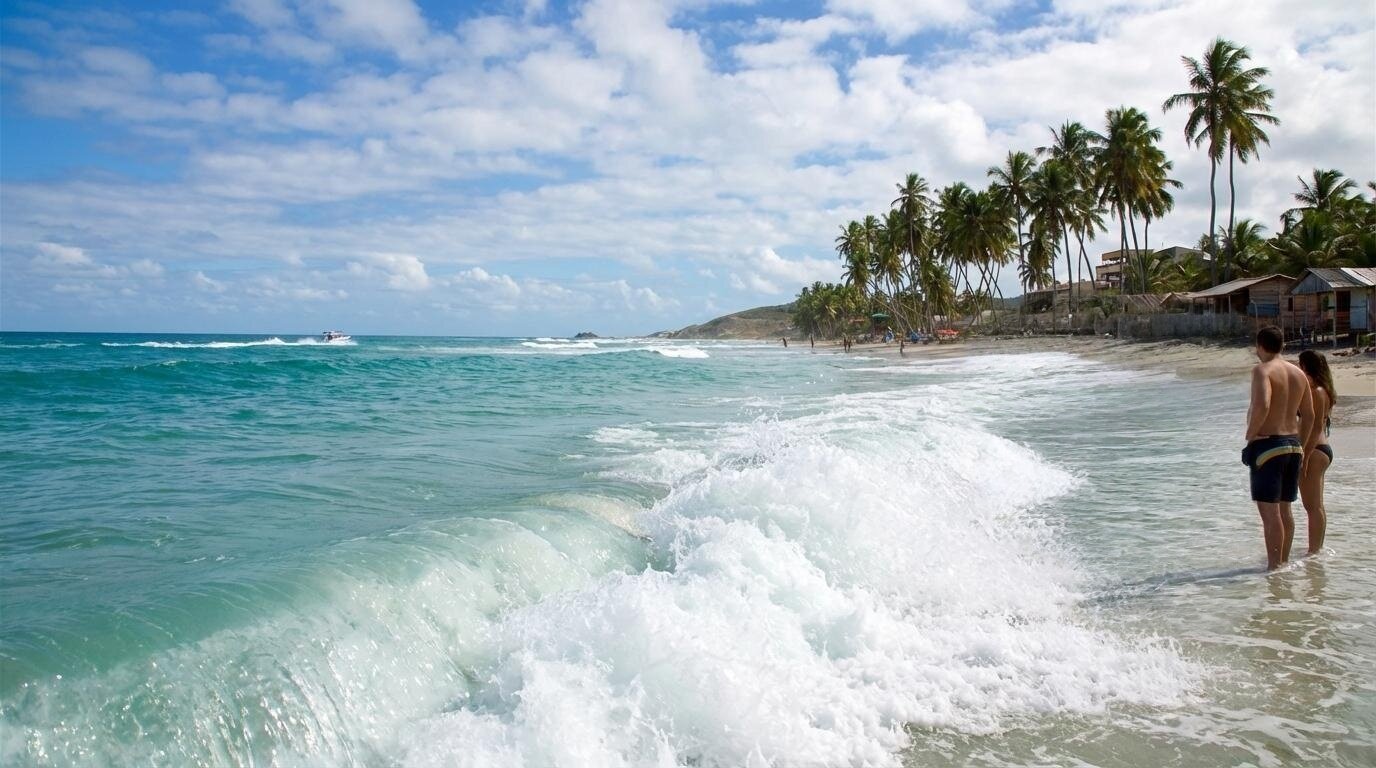
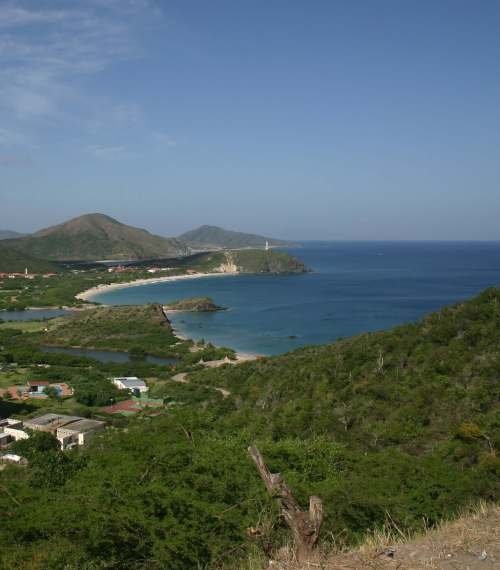
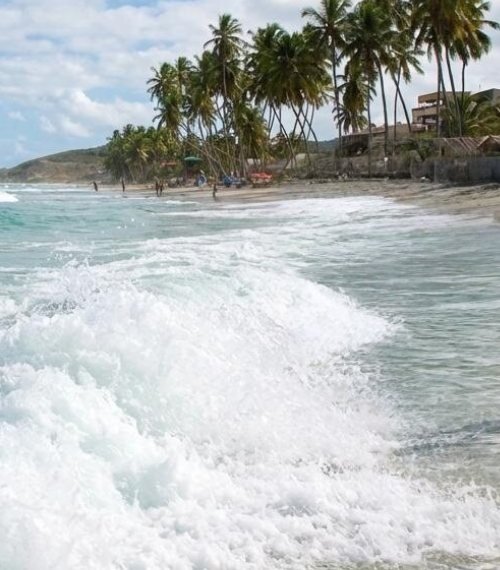
Mountains rise across both sides. The east includes El Copey highlands and Cerro Grande, while the west centers on Pico de Macanao. You also see landmarks like Las Tetas de María Guevara near Paraguachoa. These two small hills, known as the Tetas de Maria Guevara, are a prominent sight for those traveling west. Beaches line much of the coast, with calm bays near La Guardia and rougher surf on the north shore.
Major Cities and Towns
You experience urban life most strongly in the heart of Isla Margarita. Porlamar, the island’s largest city and main commercial hub. Shops, hotels, and ferry links concentrate here.
La Asuncion, also known as La Asunción, is the capital of Nueva Esparta and sits inland. In La Asunción, you find government offices, historic streets, and a slower pace that reflects the island’s rich history since the capture of the island. It serves as the political center rather than a tourist hub.
Other towns add local character, especially the scenic bays found in Juan Griego:
Top 5 Largest Cities in Margarita Island
| City | Population | Location | Main Attractions | Transportation | Gastronomy | Climate | Events & Activities |
|---|---|---|---|---|---|---|---|
| Porlamar | ~150,000 | Southeast coast | Sambil Mall, Guaraguao Beach, shopping districts | Buses, taxis, Santiago Mariño International Airport nearby | Seafood, empanadas, arepas | Tropical, warm year-round (26–32°C) | Shopping festivals, beach tourism activities |
| Pampatar | ~60,000 | Eastern coast | San Carlos Castle, Pampatar Beach | Buses and taxis | Fresh seafood, ceviche | Warm tropical climate | Cultural festivals and beach events |
| La Asunción | ~30,000 | Central Margarita | Santa Rosa Castle, Cathedral of La Asunción | Public buses and taxis | Traditional Venezuelan dishes | Warm and relatively dry | Religious and historical celebrations |
| Juan Griego | ~28,000 | North coast | Fortín de La Galera, beaches | Buses and taxis | Seafood, fried fish | Sunny and warm climate | Sunset tours and beach activities |
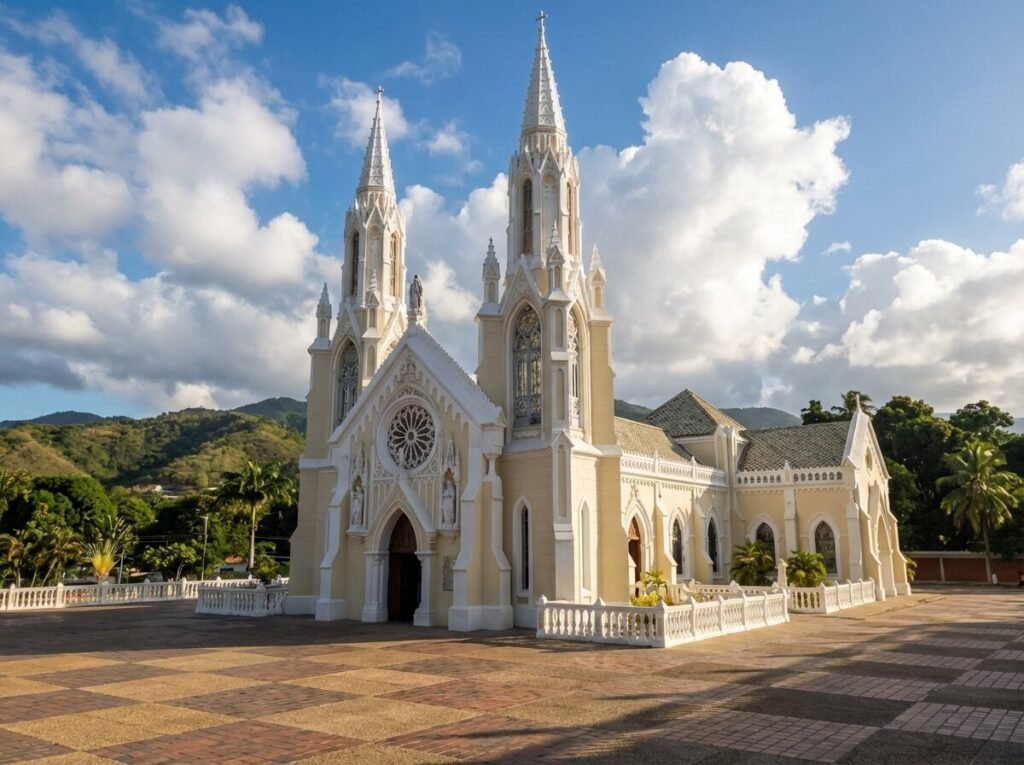
| El Valle del Espíritu Santo | ~35,000 | Southeast inland | Basilica of Our Lady of El Valle | Buses and taxis | Local sweets, seafood dishes | Warm tropical weather | Religious celebrations (Virgin of El Valle Festival) |
Smaller communities spread across both peninsulas, especially along the coast. You move easily between towns by road, often within an hour.
Climate and Best Time to Visit Caribbean
You experience a warm, dry climate most of the year. Margarita Island sits below the main hurricane belt, which lowers the risk of major storms.
Average temperatures stay near 27°C (81°F). Rainfall stays light, with short wet periods from June to October. Trade winds affect the north and east coasts, shaping sea conditions.
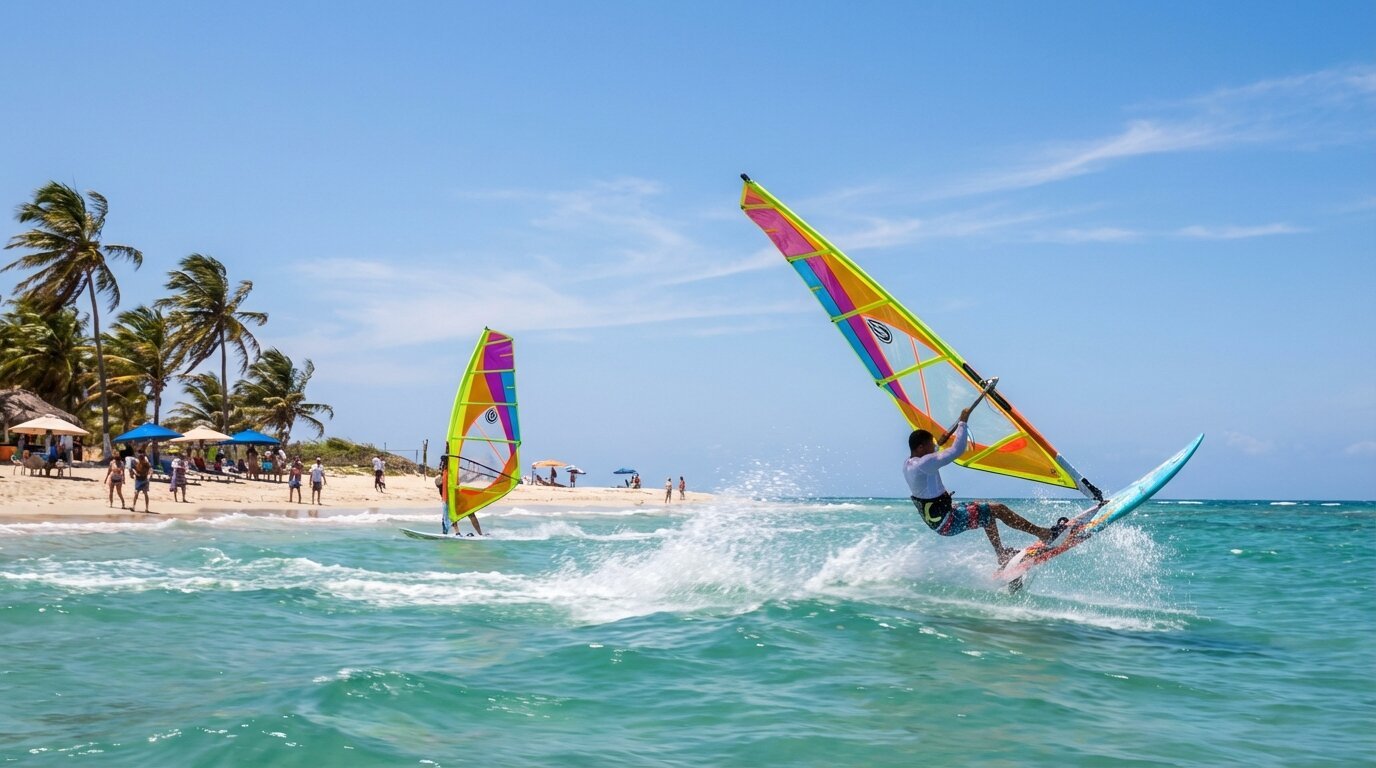
You usually find the best travel weather from December to April. These months bring drier air and steady sunshine. Winds increase from January to August, which attracts wind and kite surfers, especially near Macanao.
Our Margarita Island Travel Packages
Top Attractions, Culture, and Travel Essentials
Margarita Island blends well-known beaches, living history, and practical travel systems. You move between calm lagoons, busy towns, and resort areas with ease, supported by air and sea access.
Famous Beaches and Natural Wonders
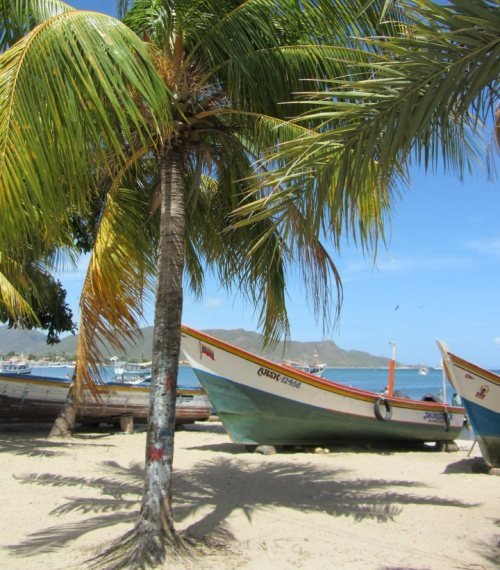
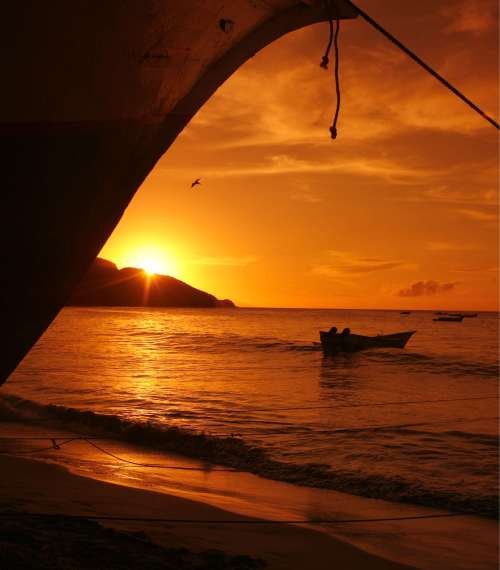
You find wide beach choices across Isla Margarita, each with a clear purpose. Playa El Agua offers long shores, steady waves, and full services. Nearby, Playa Parguito is a favorite for those who enjoy surfing and active waves. Surfers frequently visit Playa Parguito for its consistent sea conditions. Playa El Yaque attracts windsurfers and kiteboarders due to strong, constant winds. For calmer water, Playa Punta Arena and Playa Puerto Cruz suit swimming and family visits on the northern side of Isla Margarita. Playa Caribe provides another beautiful option with its clear waters and sunset views.
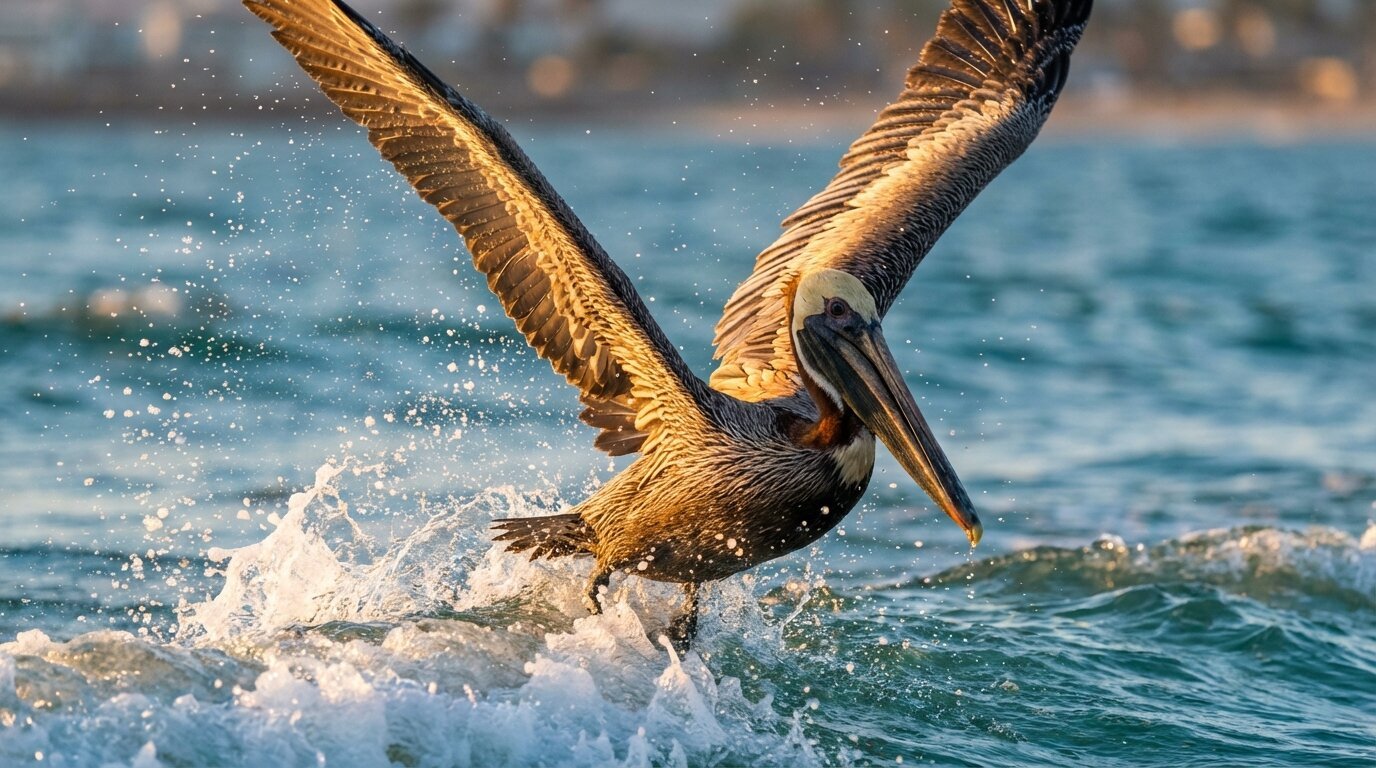
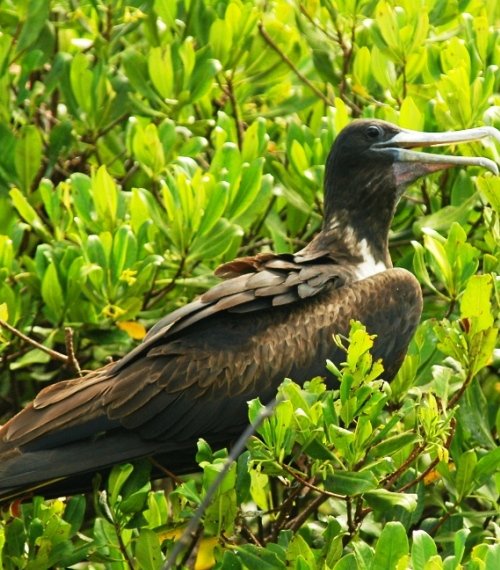
Nature stands out at Playa La Restinga, inside Laguna de La Restinga National Park. Boat rides pass through mangrove canals where you often see flamingos and egrets. Fishing supports local life here.
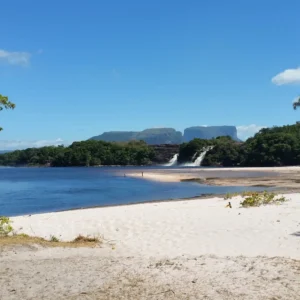
You can also visit nearby islands like Coche Island. Taking a day trip to Coche Island is easy from the main port. It offers flat beaches like Playa La Punta and El Saco near San Pedro de Coche. Isla de Cubagua holds quiet ruins and open seas. Many travelers pair Margarita with trips to Los Roques, Canaima, or Angel Falls.
Top 10 Best Beaches in Margarita Island – Tourist Guide
| Beach Name | Size | Location | Transportation | Sea Conditions | Recreational Activities | Gastronomy | Available Services |
|---|---|---|---|---|---|---|---|
| Playa El Agua | Approx. 3–4 km long | North coast (Antolín del Campo) | Taxi, rental car, public buses | Moderate waves; suitable for swimming with caution | Jet ski, banana boat, beach sports | Wide variety of seafood restaurants and beach bars | Umbrellas, chairs, hotels, parking, restrooms |
| Playa Parguito | Medium-sized | North coast | Taxi, rental car recommended | Strong and constant waves; not ideal for inexperienced swimmers | Surfing (one of the island’s main surf spots) | Small beachfront seafood restaurants | Limited services, parking |
| Playa Caribe | Small to medium | North coast (near Juan Griego) | Taxi, rental car | Calm and shallow waters; ideal for families | Swimming and relaxation | Traditional Venezuelan seafood restaurants | Restaurants, umbrellas, parking |
| Playa Manzanillo | Small fishing village beach | Northeast coast | Taxi or rental car recommended | Generally calm waters | Swimming and boat rides (local fishermen) | Famous for fresh fish and traditional seafood cuisine | Restaurants, basic parking |
| Playa Guacuco | Approx. 1.5 km | Southeast coast (near La Asunción) | Taxi, local transport | Moderate waves; less crowded | Swimming and beach walks | Small local restaurants | Limited services, residential area |
| Playa El Yaque | Medium-sized | South coast (near the airport) | Very close to Santiago Mariño International Airport | Shallow waters with steady winds | World-class windsurfing and kitesurfing | International and local cuisine | Hotels, equipment rentals, restaurants, beach facilities |
| Playa Zaragoza | Small | Juan Griego | Taxi or local transport | Calm waters | Swimming and relaxation | Local seafood restaurants | Basic services |
| Playa Punta Arenas | Wide and long beach | Macanao Peninsula (west side) | Rental car strongly recommended | Very calm waters; one of the most peaceful beaches | Snorkeling and relaxation | Small local seafood restaurants | Limited facilities, parking |
| Playa La Restinga | Long beach inside National Park | La Restinga National Park | Taxi, rental car, boat tours | Open sea conditions vary; main attraction is mangrove lagoon tours | Boat tours through mangroves, bird watching | Seafood kiosks inside the park | Boat tours, food stands, park services |
| Playa Moreno | Medium-sized | Near Pampatar | Taxi or rental car | Moderate waves depending on season | Swimming and walking | Nearby restaurants in Pampatar area | Parking and nearby facilities |
History, Heritage, and Local Life in Isla Margarita
You see deep history in daily life. Indigenous Guaiqueries lived here before Spanish arrival. Christopher Columbus first arrived at Isla Margarita in 1498, marking the beginning of its colonial history. reached nearby waters, shaping early routes. Later figures like Simón Bolívar and Pablo Morillo, a key figure in the Spanish colonial Margarita province, played a significant role in the island’s history. left marks during independence struggles.
You can visit Santa Rosa de la Eminencia for hilltop views and colonial remains. El Valle del Espíritu Santo reflects strong religious traditions tied to local identity.
Markets and towns show living culture. La Redoma and Punta de Piedras These efforts support trade and ferry traffic, enhancing the economy of Isla Margarita. Pearls once drove wealth in Isla Margarita and still shape stories today.
Food and drinks stay simple and local. You often see Margarita mojito, Cuba libre, and kapiroska served near beaches and plazas.
Access, Transportation, and Visitor Tips
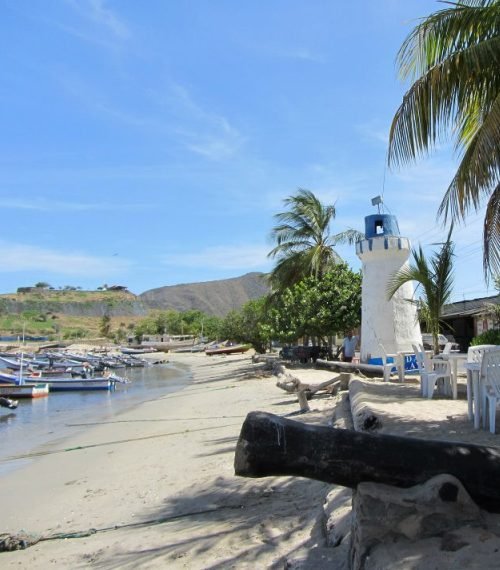
You arrive through Santiago Mariño Caribbean International Airport, which handles domestic and some regional flights. You can also use a You can take a ferry from Puerto La Cruz to explore the beautiful beaches of Isla Margarita. with Conferry, arriving at Punta de Piedras.
You move around by por puesto taxis or buseta Minibuses are a popular way to navigate the island’s attractions, including the Rosa de la Eminencia Castle. Roads link major beaches, malls, and towns. For shopping, visit Sambil Margarita, Centro Comercial AB, or Rattan Depot. Margarita remains a duty-free port, which lowers prices on select goods.
Healthcare centers include Hospital Central Dr. Luis Ortega. Tourism supports most services, so you find hotels, clinics, and transport close to major beach zones.
Frequently Asked Questions about Orinoco Delta in Venezuela
Travelers often ask about key sights, places to stay, local food, popular activities, transport, and timing. The answers below focus on clear details you can use to plan a practical trip.
You can start with the island’s beaches, such as Playa El Agua for services and Playa El Yaque for wind sports. Playa Punta Arenas stands out for calm water and sunset views.
You can also visit the Castle of San Carlos de Borromeo in Pampatar for history and sea views. Laguna de La Restinga National Park offers boat rides through mangroves and a quiet beach, perfect for relaxation on Isla Margarita.
You will find many hotels and guesthouses near Playa El Agua, which works well if you want easy beach access. Playa El Yaque suits you if you plan to windsurf or kitesurf.
If you prefer a quieter stay, La Asunción offers small hotels with a local feel. Costa Azul and areas near Porlamar provide larger hotels and shopping nearby.
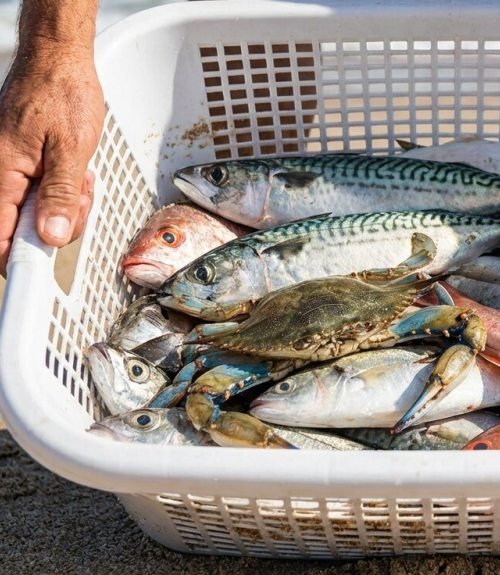
Local food centers on fish, seafood, and corn-based dishes. You will often see fried fish, fish soup, empanadas, and arepas on menus.
You can try these dishes at small local restaurants in Porlamar, Pampatar, and beach areas of Isla Margarita. Family-run spots often offer simple meals at fair prices.
You can enjoy swimming, sunbathing, and beach walks across the island. Wind sports like kitesurfing and windsurfing are common, especially at Playa El Yaque.
Snorkeling and diving trips run to nearby spots and small islands, including Los Frailes. Boat tours through La Restinga focus on wildlife and nature views.
You can use taxis for short trips between towns and beaches. Many visitors choose to rent a car for more freedom and easier day trips.
Public buses run between main areas, but routes can feel confusing if you do not speak Spanish. Hotels can help you arrange transfers or tours.
You can visit Isla Margarita year-round due to warm temperatures and steady sunshine. The driest months usually run from December to April.
If you enjoy wind sports, these months also bring stronger winds. Outside this period, you may see more rain but fewer crowds.