
Los Roques
Venezuela’s Unspoiled Archipelago Paradise
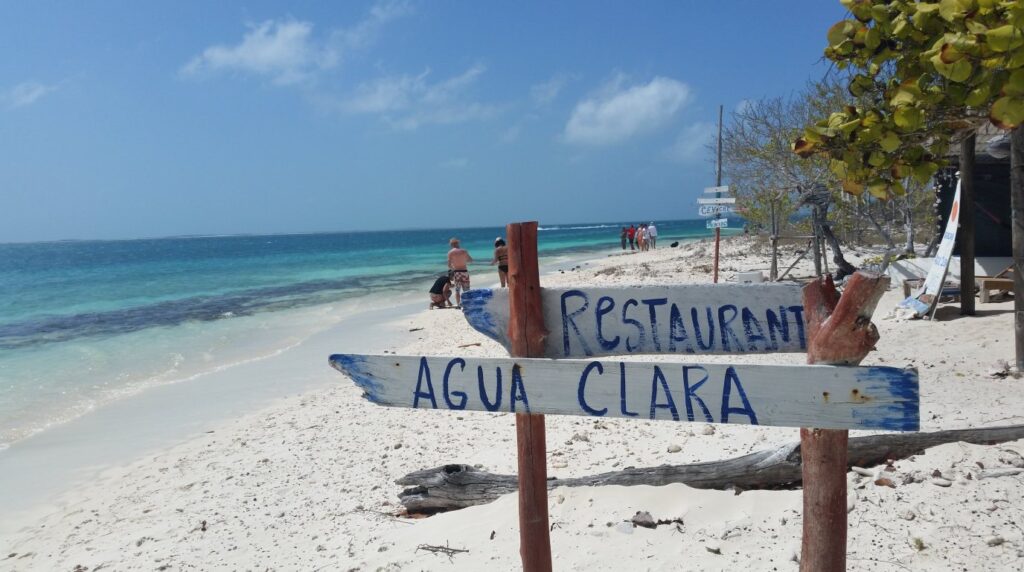
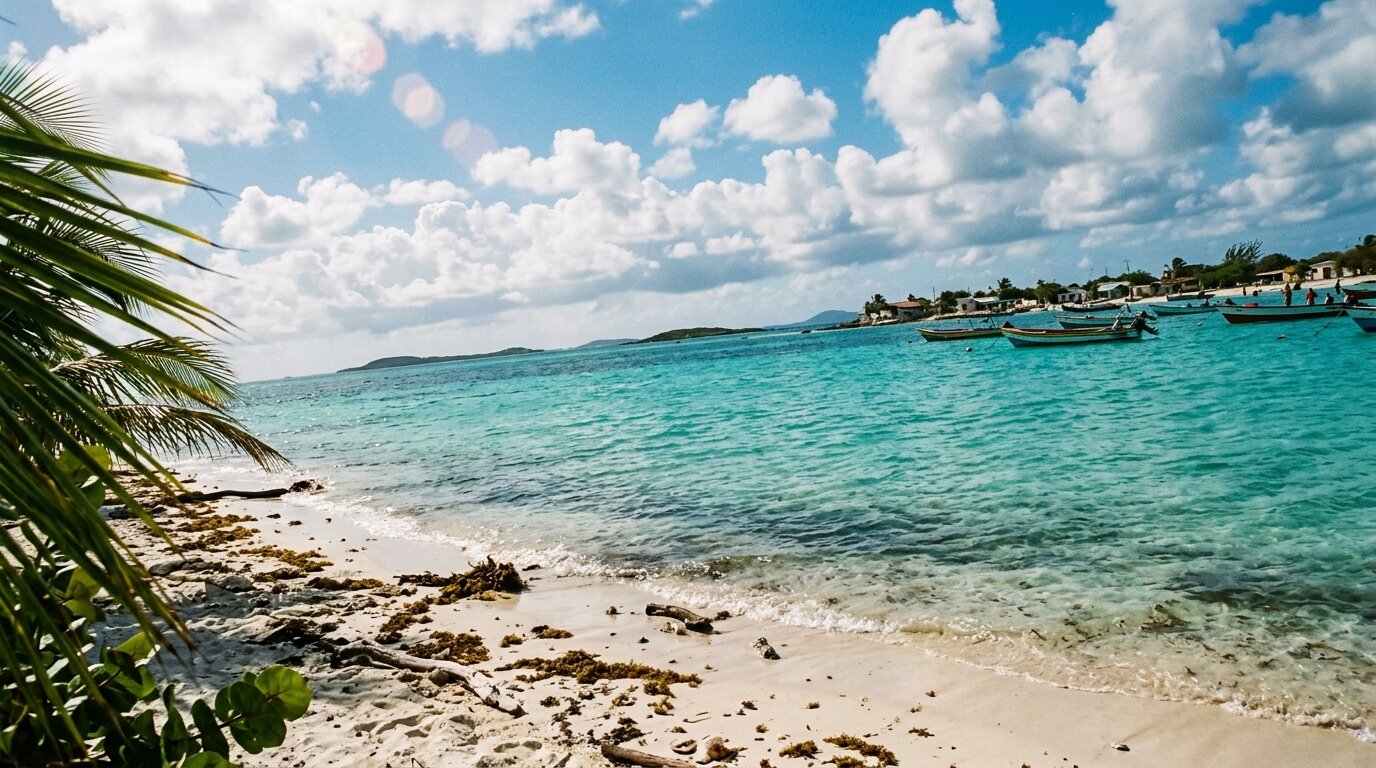
So, why Los Roques national park? If you crave clear water, quiet beaches, and full-on sun without the crowds, this is your spot.
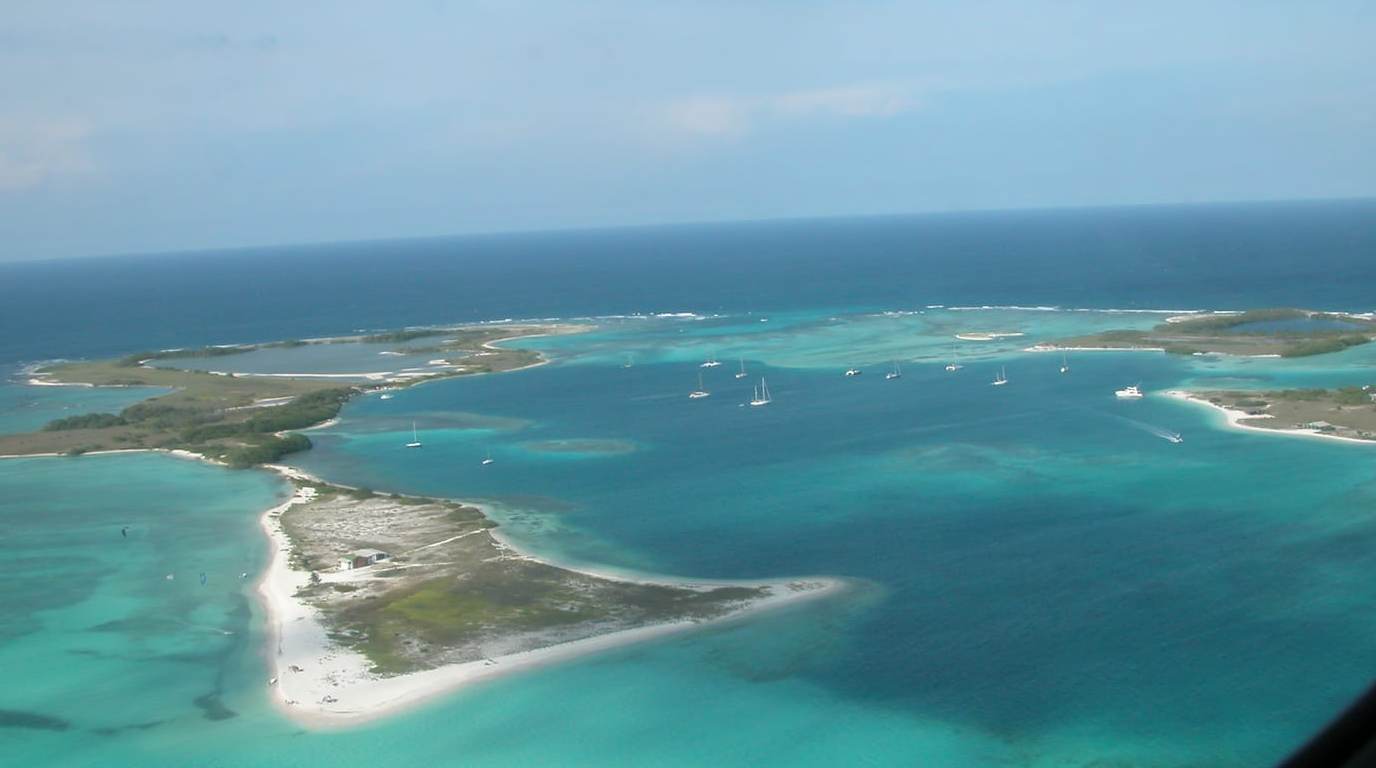
This Venezuelan archipelago floats about 80 miles north of the mainland in the Caribbean Sea. It’s a collection of over 300 islands, cays, and sandbanks, all scattered around coral reefs and shallow lagoons.
Los Roques is a protected national park in 1972, famous for its calm turquoise water, coral reefs, and vibrant marine life.
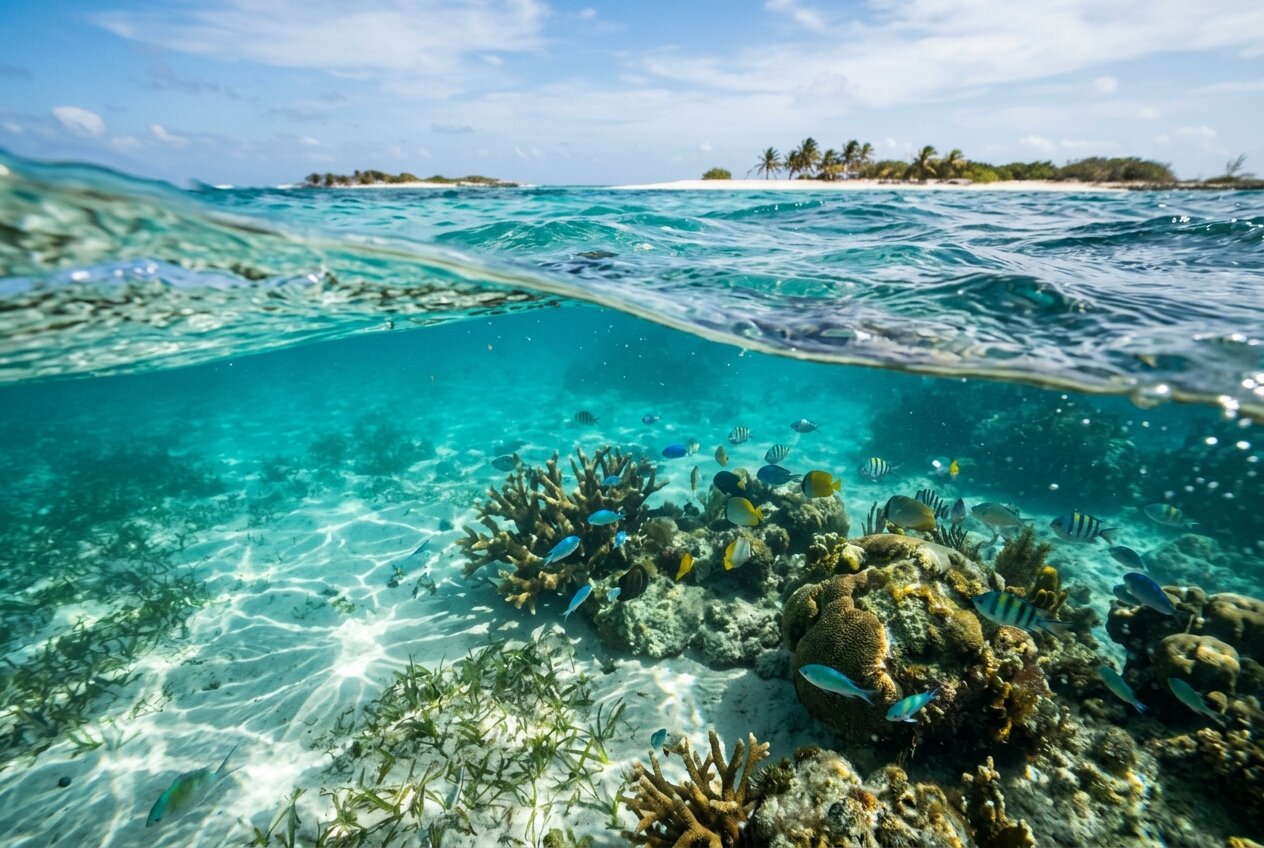
Los Roques Archipelago National Park covers both land and sea. There are massive reef systems, mangroves, and seagrass beds, all supporting fish, sea turtles, birds, and even lobster. Los Roques Islands has diversity of fish species approximately 280 species of fish, 61 species of corals, 60 species of sponges
Strict rules keep development in check. That’s a big reason the area feels so clean and untouched.
Most travelers stay on Gran Roque, the main inhabited island. From there, you’ll hop onto small boats to reach Cayo de Agua, Madrisquí, Crasquí, and other cays.
Swimming, snorkeling, diving, sailing, or kitesurfing? The warm water welcomes you all year long.
With steady trade winds and a dry climate, days here are simple—just you, nature, and the sea.
Key Takeaways
- Los Roques is a Venezuelan archipelago with over 300 islands inside a protected national park.
- Coral reefs, mangroves, and lagoons support loads of marine life and bird species.
- Stay on Gran Roque and explore the nearby cays for swimming, snorkeling, and sailing.
Caribbean
More Destination
REQUEST
Overview of Los Roques Archipelago
Los Roques sits in the Caribbean Sea, about 128 kilometers north of Venezuela’s mainland. It’s a protected marine park with coral reefs, steady trade winds, and some pretty strict environmental rules.
Geographical Location and Structure
You’ll find the Los Roques Archipelago in the northern Caribbean, tucked into the Leeward Antilles island chain. It’s part of the Federal Dependencies of Venezuela and feels far from the mainland’s hustle.
There are more than 300 islands, cays, and sandbanks here, all floating in shallow turquoise waters. The land covers about 40 square kilometers, but the marine area is way bigger, with huge coral reefs and lagoons.
Gran Roque is where most people stay. It’s the largest island and the only one with a real settlement, so it’s the hub for transport, lodging, and local government.
The landscape is shaped by the atoll structure. Outer coral barriers keep the inner lagoons, seagrass beds, and sand flats calm and protected.
That means fish, seabirds, and marine life thrive in these gentle, shallow waters.
Back in the 19th century, this area was part of Territorio Colón before Venezuela’s national government took over. Now, officials appointed by the country oversee everything.
Climate and Trade Winds
The weather? It’s a warm and dry tropical climate almost year-round. Temperatures hover around 27°C (81°F) with barely any seasonal swings.
Rainfall is low, especially compared to the rest of the Caribbean. Most rain falls from September to January, but don’t expect many big storms.
Steady northeast trade winds blow across the islands for much of the year. They cool things off, make sailing a breeze, and shape those dreamy sandbanks.
Clear skies are the norm. With all that sun and wind, it’s perfect for snorkeling, diving, and boat trips, though freshwater on land is always pretty limited.
National Park and Ramsar Site Status
In 1972, Venezuela declared Los Roques a National Park. The agency INPARQUES manages it and sets the rules to protect reefs, beaches, and wildlife.
Zoning rules limit fishing, construction, and visitor numbers in sensitive spots. Some areas are for research only, while others allow carefully managed tourism.
Los Roques is also a Ramsar Site, meaning its wetlands are recognized as internationally important. That includes its lagoons, mangroves, and coral systems.
Park protection covers hundreds of square kilometers of sea. These safeguards help turtles, reef fish, seabirds, and mangroves that make this Caribbean corner so special.
Our Travel Packages

Natural Wonders and Biodiversity
Los Roques protects one of the Caribbean’s most important coral atoll systems. You’ll find coral reefs, seagrass beds, mangroves, and nesting grounds for hundreds of marine and bird species.
Coral Reefs and Marine Life
The barrier reef system surrounds shallow turquoise lagoons. Over 50 coral cays and countless sandbanks formed from ancient coral make up the archipelago. It’s honestly one of the best-preserved reef complexes in the Caribbean.
The waters here are home to about 61 coral species and roughly 280 fish species. Parrotfish, angelfish, and surgeonfish dart through the coral, while bigger fish like barracuda and jacks patrol the outer edges.
There’s more:
- Spiny lobster
- Queen conch
- Crustaceans and mollusks
- Sponges and echinoderms
With clear water and steady winds, snorkeling and diving conditions are usually excellent. You don’t need to go deep to spot colorful reef fish—just wade in.
Seagrass Meadows and Mangroves
Inside the calm lagoons, you’ll see wide seagrass meadows. These beds keep the sand stable and offer feeding grounds for lots of species.
Juvenile reef fish grow up here before heading out to the coral. Sea turtles graze in these shallow waters, and the meadows support plenty of invertebrates, which in turn attract larger fish.
Along the shorelines, mangroves form tangled roots that trap sediment and stop erosion. They offer shelter for young fish and invertebrates, and they filter the water, too.
Seagrass and mangroves work together to keep the whole atoll healthy. Without them, the reefs would be way more stressed.
Birds and Migratory Species
About 92 bird species live here, including around 50 migratory species. Many use the cays as pit stops during long journeys.
Common sights?
- Brown pelican
- Terns
- Frigatebirds
- Herons
Brown pelicans dive for fish near the reefs. Terns and other seabirds nest right on the sandy cays—often off-limits to visitors.
Migratory birds fly in from North America and beyond. Thanks to the park’s protected status since 1972, nesting and feeding areas stay pretty undisturbed.
Endangered and Iconic Fauna
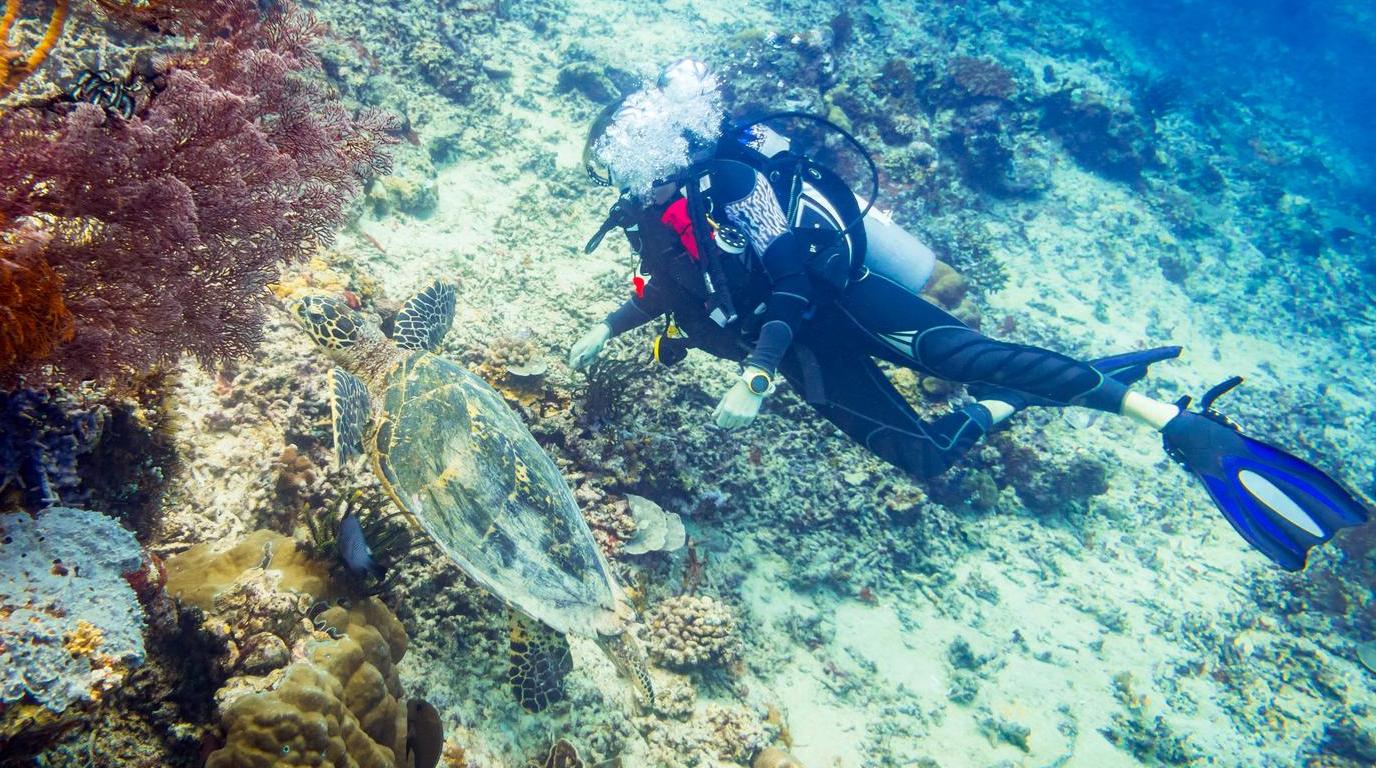
Several sea turtle species nest on these islands. Four globally endangered species use these beaches, including the hawksbill turtle (Eretmochelys imbricata).
Hawksbill turtles rely on coral reefs for food, especially sponges. Their presence is a good sign for the reefs. They nest on quiet, dark beaches—so keep noise and lights low if you visit during nesting season.
The queen conch and spiny lobster are also important, especially for local fisheries. Strict rules are in place to prevent overfishing and protect breeding cycles.
By following park rules, you help protect these species. The balance between tourism, fishing, and conservation is delicate and shapes Los Roques’ future.
Top Islands and Attractions
Life in Los Roques revolves around small coral islands, clear water, and simple village routines. You’ll hop between cays by boat, swim in calm lagoons, and end the day with fresh fish dinners—what more could you want?
Gran Roque and Local Culture
Your first stop is Gran Roque, the only populated island. Small planes land on a short airstrip, and boats head out from the main dock each morning.
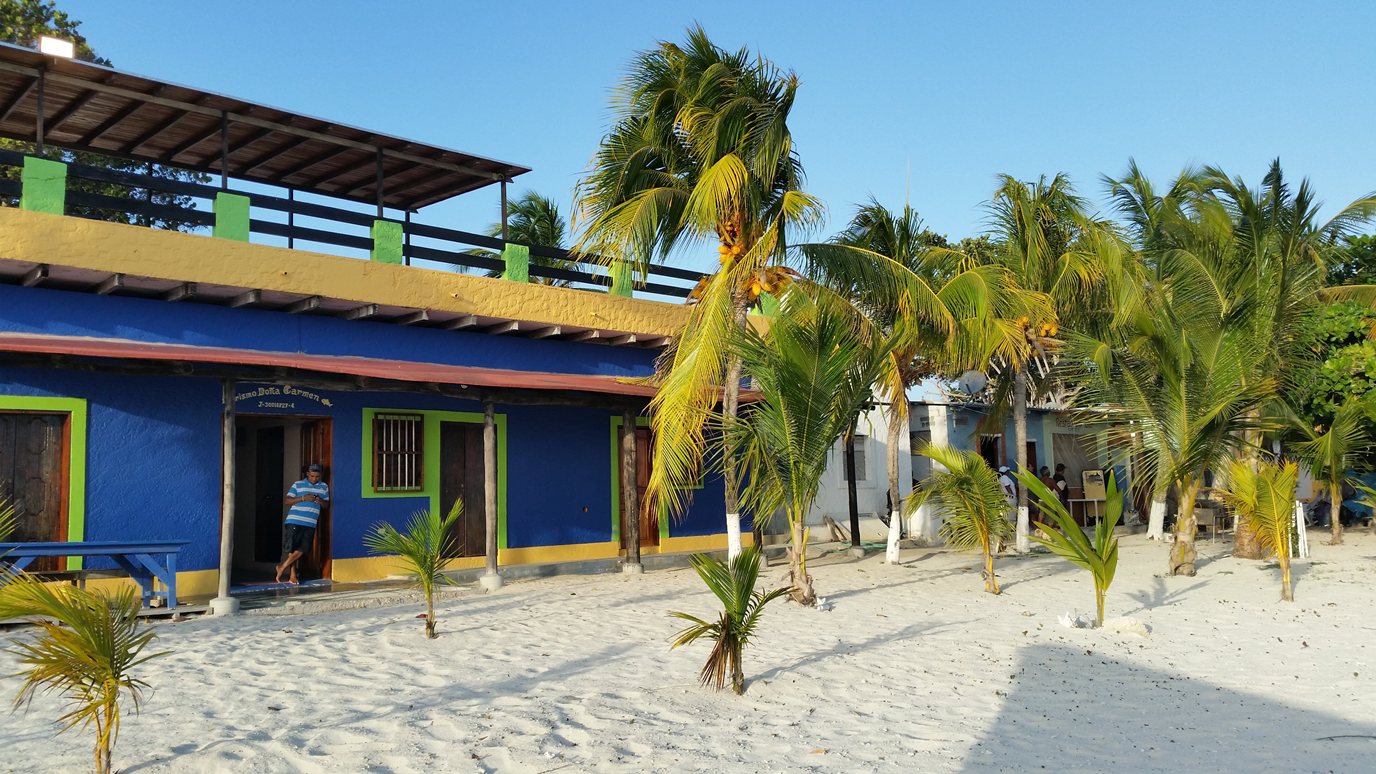
The village is a patchwork of sandy streets, pastel houses, and family-run posadas. Most posadas serve breakfast and can pack a simple beach lunch with water and shade.
Climb up to the old lighthouse for sweeping views of the islands. The hike is short, maybe 20 minutes, but the view is worth it.
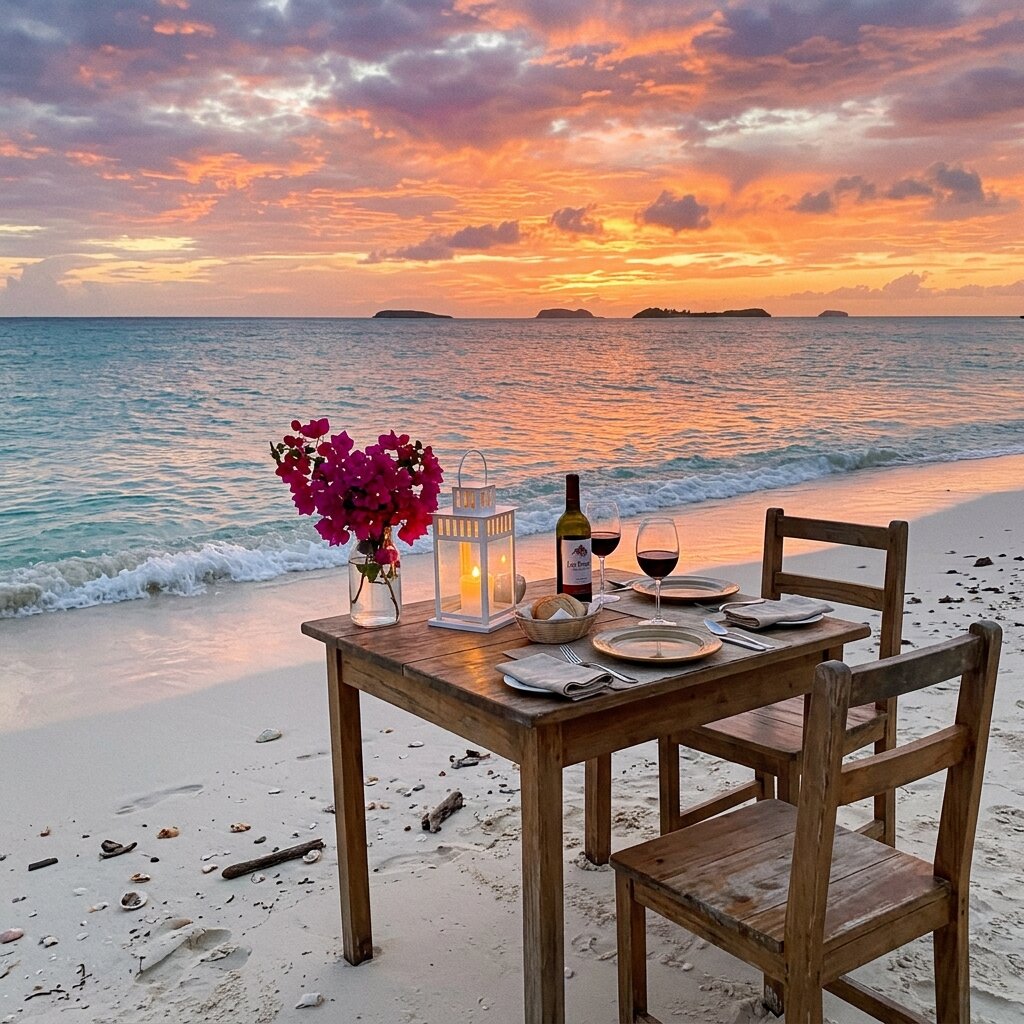
Dinners here are all about grilled fresh fish, lobster (when in season), and simple sides. There’s no rush—life moves slowly, and you won’t find big resorts or banks.
Gran Roque is your base, and you can reach nearby cays in 10 to 30 minutes by boat.
Cayo de Agua and Cayo Madrisquí
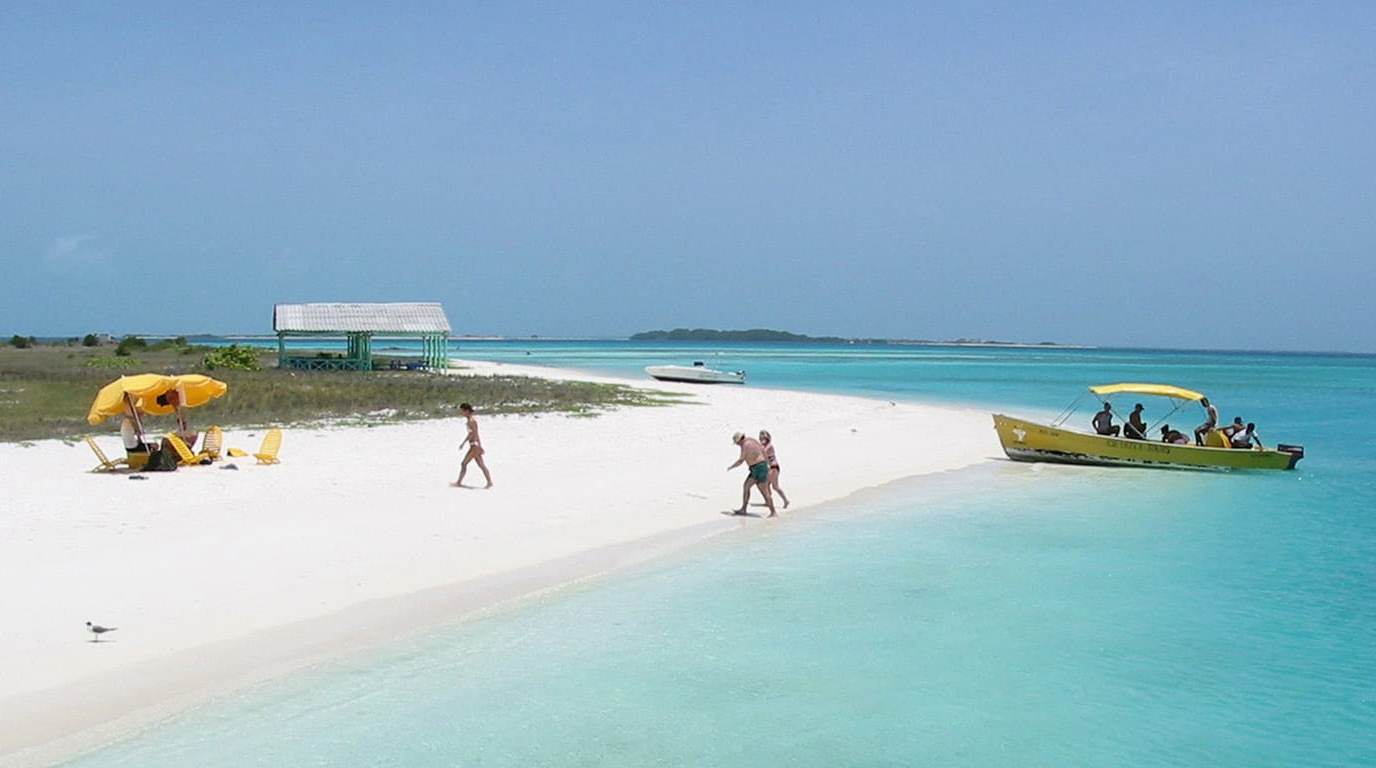
Cayo de Agua is farther out and often called the most beautiful spot here. Think long white sand beaches and a narrow sandbar connecting two tiny islands.
The water is electric blue and shallow near the shore. Swim, snorkel, or just stroll along the sandbanks—it’s all stunning.
There aren’t any services, so bring plenty of sun protection and water. Most boats stop here for a few hours.
Closer to Gran Roque, Cayo Madrisquí is a quick 10-minute boat ride and offers calm seas. You can snorkel over seagrass beds and coral heads with crystal clear visibility.
Many folks combine Madrisquí with Cayo Pirata or quick stops at shallow lagoons on the way back.
Francisqui, Crasqui, and Other Cays
The Francisqui group is just a few minutes from Gran Roque. You’ll find shallow natural pools and sheltered spots that feel like big lagoons.
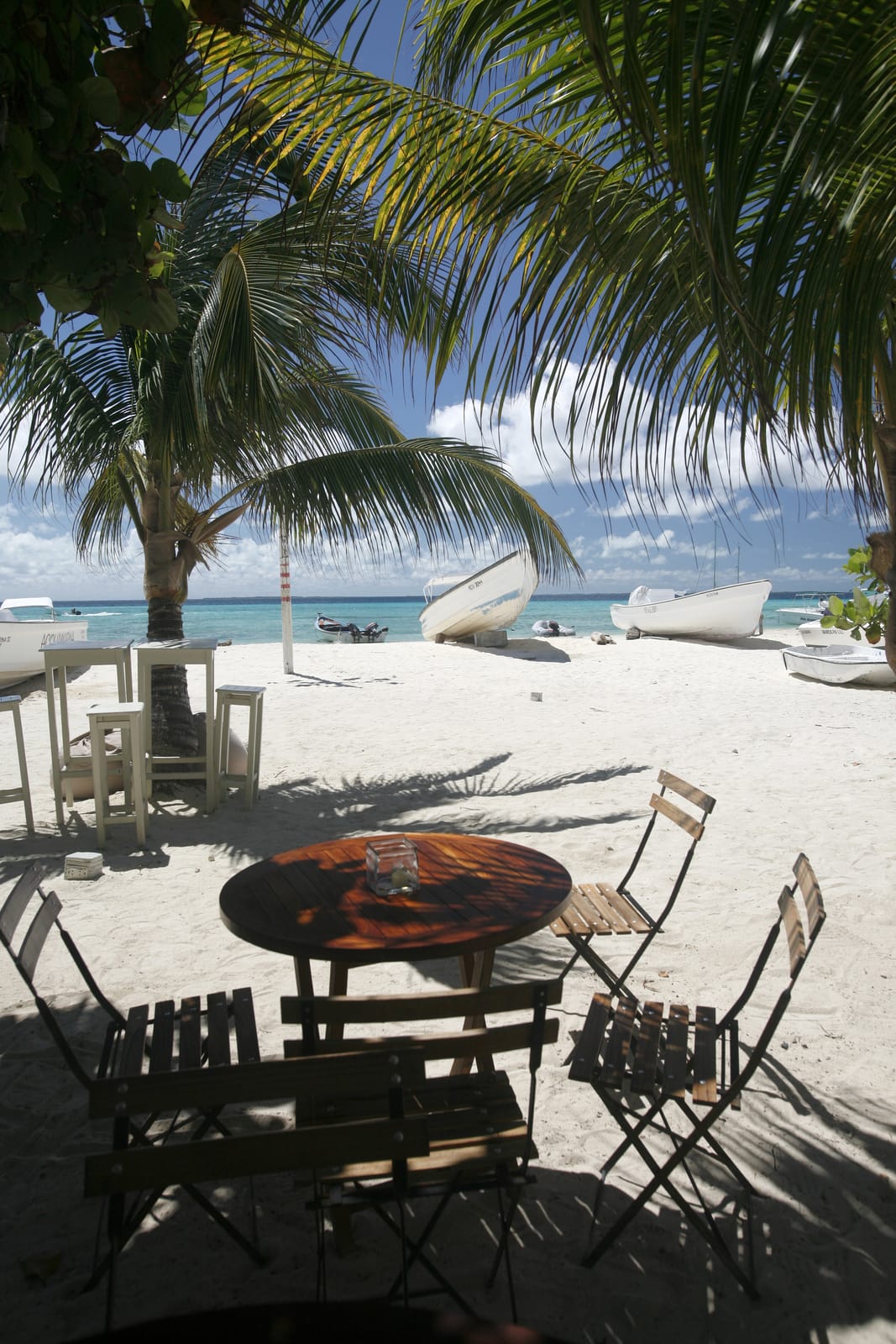
Some islets have simple beach bars—perfect for grilled fish or a cold drink. Waist-deep water stretches for ages.
Crasqui is farther east and feels more off-the-beaten-path. Fishermen sometimes cook up lunch with fish caught that morning—doesn’t get fresher than that.
Cayo Grande is known for stronger currents and good diving. Experienced snorkelers love the deeper reefs there.
Other cays like Nordisquí and Rasquí are quieter and great for birdwatching or long, peaceful walks.
None of these cays have permanent development. Take your trash with you and respect the park rules—everyone’s trying to keep this place wild.
Sandbanks, Lagoons, and White Sand Beaches
What really sets Los Roques apart are the shifting sandbanks and shallow lagoons. Boats often anchor in open water where bright sand sits just below the surface.
You can stand in knee-deep water, way out from shore. The sand is soft and white, and the sea is usually calm.
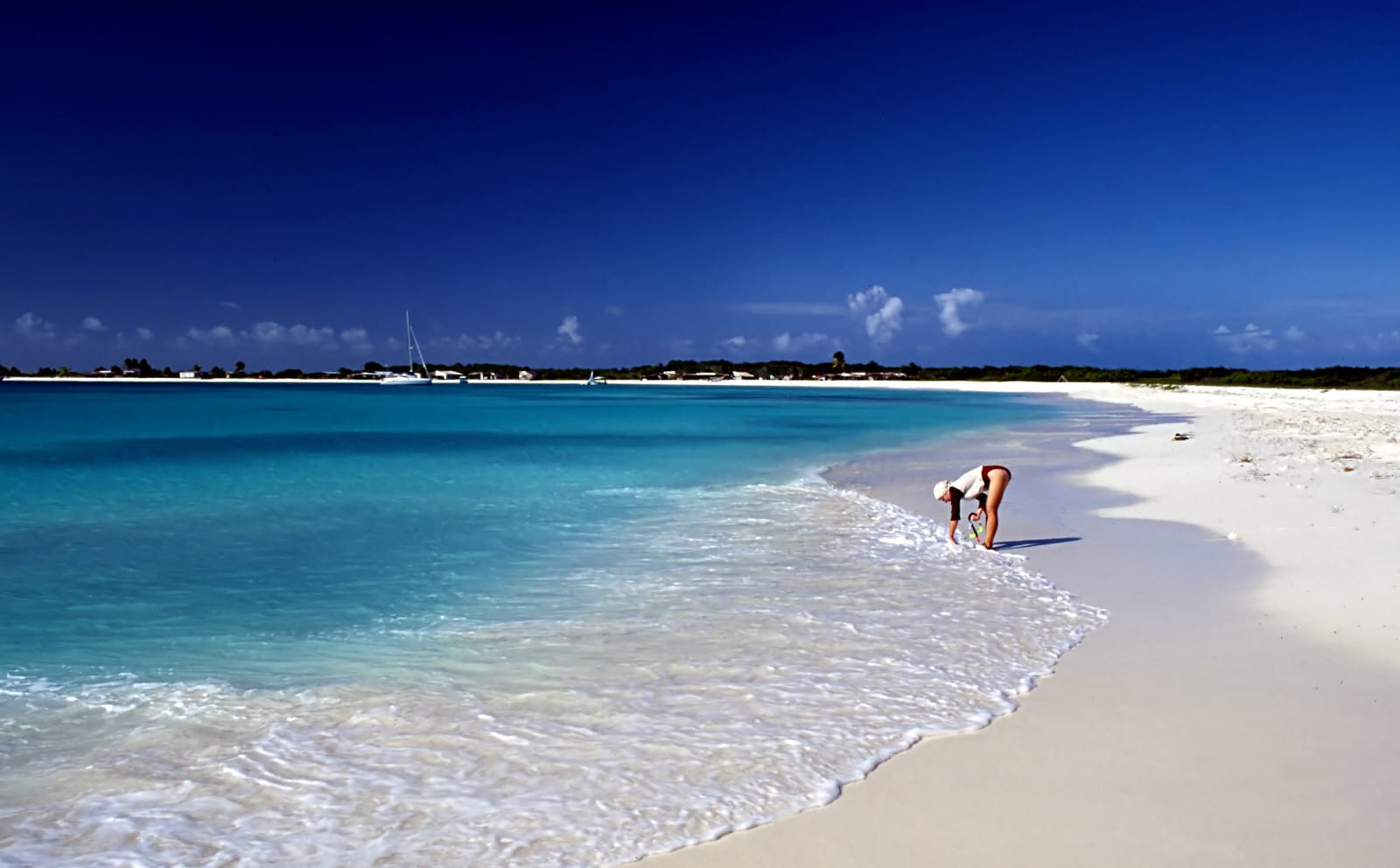
Best beaches here are wide, with fine coral sand that looks almost blindingly white in the sun. The reefs keep the water clear and gentle—perfect for snorkeling and easy swimming.
Wear reef-safe sunscreen and be careful not to step on coral. The park limits large-scale tourism, so the landscape stays mostly untouched.
Honestly, it’s rare to find a spot so pristine. If you want to experience Los Roques for yourself, check out Venezuela Nature—we offer trips to this incredible destination, and we’re pretty passionate about showing it off the right way.
Activities and Sustainable Tourism
Most of your time in Los Roques will be spent on or near the water. Clear seas, steady winds, and the park’s rules shape how you explore—and how you help protect this special place.
Snorkeling and Diving
Honestly, if you’re into snorkeling, the shallow reefs near Cayo de Agua and Madrisquí are a dream. The water’s usually calm, and the white sand bottoms make everything pop—coral, sea fans, rays, and all kinds of reef fish darting around.
Remember to pack reef-safe sunscreen. It’s tempting to touch the coral, but the park protects these fragile habitats for a reason.
If you’re craving more depth, guided diving or scuba diving trips are easy to book with local operators. Los Roques became a National Park back in 1972 and still stands as one of the Caribbean’s largest marine parks.
Guides stick to set routes and small groups to keep things sustainable. You might spot:
- Coral walls and patch reefs
- Nurse sharks and barracuda
- Sea turtles in protected nesting areas
Operators have to follow park rules, and honestly, you should too. Don’t collect shells or mess with marine life—let’s keep it wild.
Kitesurfing, Sailing, and Water Sports
From November to June, the trade winds here are just steady enough to make kitesurfing a real highlight, especially around Gran Roque and the nearby flats. Shallow lagoons mean you get space to ride without dodging boats every two minutes.
Prefer to take it slow? You can try sailing or hop on a small motor launch. A lot of folks charter catamarans or even stay on private yachts with the right permits.
The waters between the cays are calm and protected, so crossings are usually quick and safe. Still, you’ve got to respect those marked no-entry zones—rules are rules.
There’s more than just kites and sails, too:
- Stand-up paddleboarding
- Kayaking over turtle grass beds
- Wind-based sports in designated areas
One thing to keep in mind: fuel, freshwater, and waste disposal are limited. Captains have to manage trash and avoid dumping anything overboard.
It’s a good idea to cut down on plastic waste and bring reusable bottles. Supplies here don’t just fall from the sky—they come by boat or tiny planes.
Sport Fishing and Marine Excursions
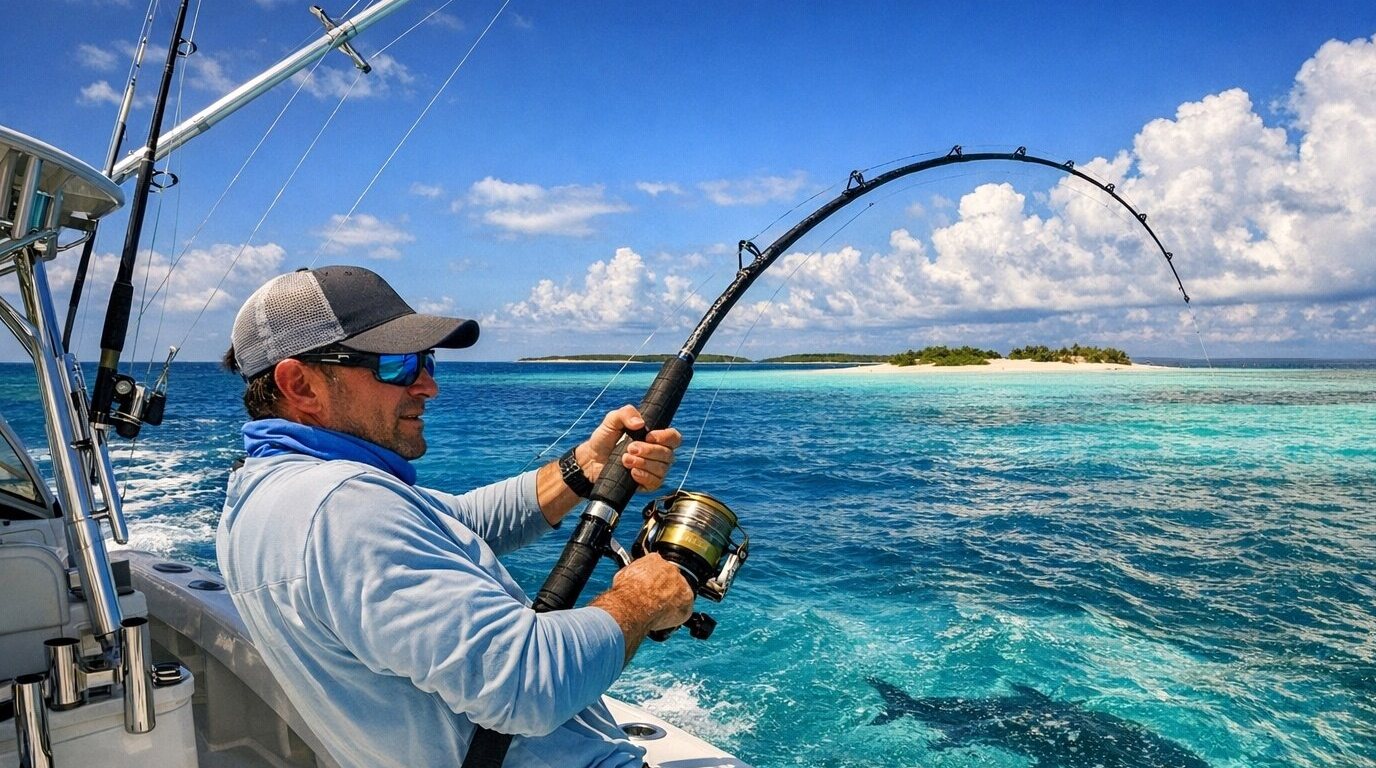
Guided sport fishing trips with local crews are easy to set up. The flats are perfect if you’re chasing bonefish or tarpon—catch-and-release is the way to go.
Guides know the tides and protected areas, so you’re fishing smart, not reckless. Offshore trips might target other species, but park rules are strict about gear and zones.
Commercial fishing still supports the local economy. It’s not rare to have fresh fish caught that same morning on your plate by lunch.
During legal seasons, local fishers harvest lobster under regulation. Restaurants stick to quotas set by authorities, and it’s worth double-checking your seafood is from approved sources.
Boat excursions can take you out to remote cays, sandbars, or even turtle research sites. Some trips add in educational stops with conservation groups—pretty cool if you’re into that.
Accommodations and Responsible Travel
Most people stay in small guesthouses called posadas on Gran Roque. These are family-run, simple, and usually include local meals and boat rides to the beaches.
No big resorts here—just the way it should be. Mass tourism hasn’t taken over, which is honestly a relief.
Many posadas are careful with water and power. Electricity often comes from generators or solar panels, and freshwater is shipped in.
Take quick showers and reuse your towels—little things add up.
Responsible travel in Los Roques means:
- Avoiding single-use plastics
- Respecting wildlife nesting areas
- Following INPARQUES rules
- Supporting local guides and fishers
If you’re into history, you can check out sites tied to early trade, like the Guipuzcoana Company. These days, strict park management and community oversight keep tourism in check and conservation front and center.
By the way, if you’re looking for a hassle-free way to experience Los Roques and other wild Venezuelan destinations, check out Venezuela Nature. We know the ins and outs, and our trips are designed for real travelers who want the good stuff—no fluff.
Frequently Asked Questions
Let’s be real—you want the facts before booking a trip. Here’s what you need to know about where to stay, how to get there, what to do, and the park’s rules.
Almost everyone stays on Gran Roque, the only island with a real village. Most travelers pick cozy guesthouses, or posada.
Budget posadas give you simple rooms and usually three meals a day. If you want more comfort, mid-range and upscale posadas offer private bathrooms, air conditioning, and organized beach trips.
Renting a private villa or beachfront home is possible, too. Big resorts and high-rise hotels? Not here—this is a protected national park, and that’s not changing anytime soon.
The only real way in is by air. Small planes leave from Simón Bolívar International Airport (Maiquetía) near Caracas and land at los roques airport.
Flights take about 35 to 45 minutes. Round-trip tickets usually cost between $250 and $350 USD, but prices bounce around depending on season and demand.
Technically, you could come by boat from the mainland, but it’s not really done. Flying is just way faster and a lot more reliable.
Honestly, Los Roques is one of the safer spots in Venezuela. The small local population and limited access keep things chill.
That said, use common sense—lock up your valuables, take local advice seriously, and sort out transfers or lodging before you arrive.
Weather can be unpredictable, especially during windy months from December to June. Tour operators keep an eye on conditions for water sports, so don’t stress too much.
You’ll spend most of your time outside. Swimming, snorkeling, sunbathing, and island hopping by boat are the main draws.
Kitesurfing and windsurfing are big from January to June, with steady winds around 15 to 25 knots. Beaches like Francisquí, Crasquí, and Saki Saki are favorites for these sports.
Diving in coral reefs or joining guided kite safaris between islands is also popular. Many tours toss in wildlife spotting and reef exploration for good measure.
Los Roques sits about 200 to 220 kilometers (125 to 137 miles) east of Aruba, right across the Caribbean Sea.
No direct flights run between the two. Most travelers connect through mainland Venezuela or set up private charters if they’re feeling fancy.
Los Roques is a National Park. That means fishing rules here are, well, pretty strict—no surprise if you’ve seen the marine life and coral reefs they’re protecting.
Commercial fishing? It’s limited. Some species are totally off-limits, so don’t even think about it.
Sport fishing is allowed, but you’ll need a permit. And yeah, you have to play by the park’s rules—no cutting corners.
There’s also an entrance fee for everyone coming into the national park. Usually, officials collect this right at Gran Roque Airport when you land.
If you’re dreaming of exploring Los Roques, honestly, it’s worth every bit of the paperwork. And if you want the experience of a lifetime, check out Venezuela Nature—we actually offer trips to this stunning destination, and we’ll help you sort out all the details. Why not let someone else handle the hassle?