
Merida Venezuela:
Essential Travel Guide to the Andean City
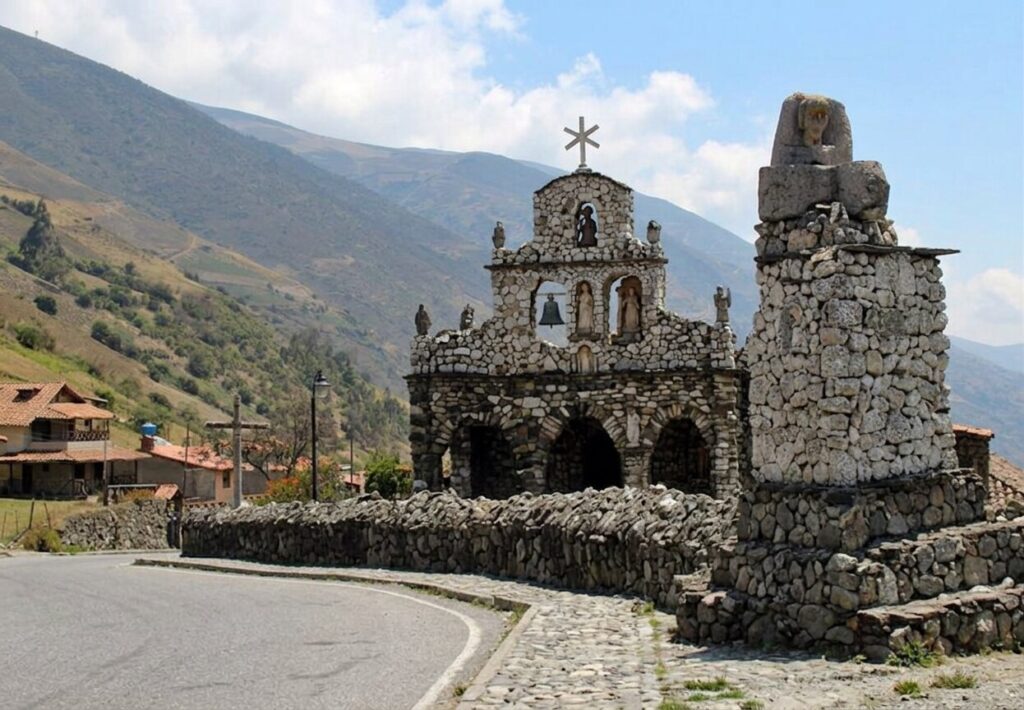
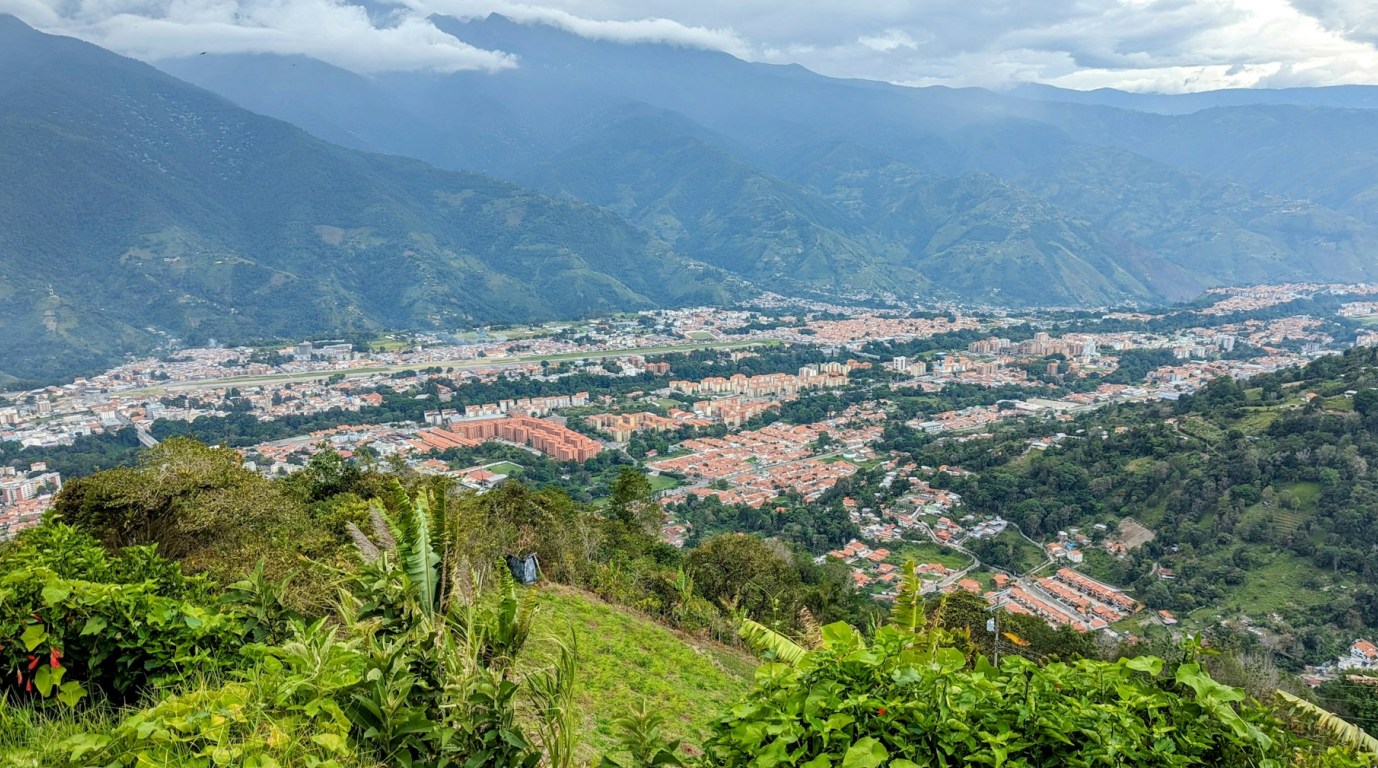
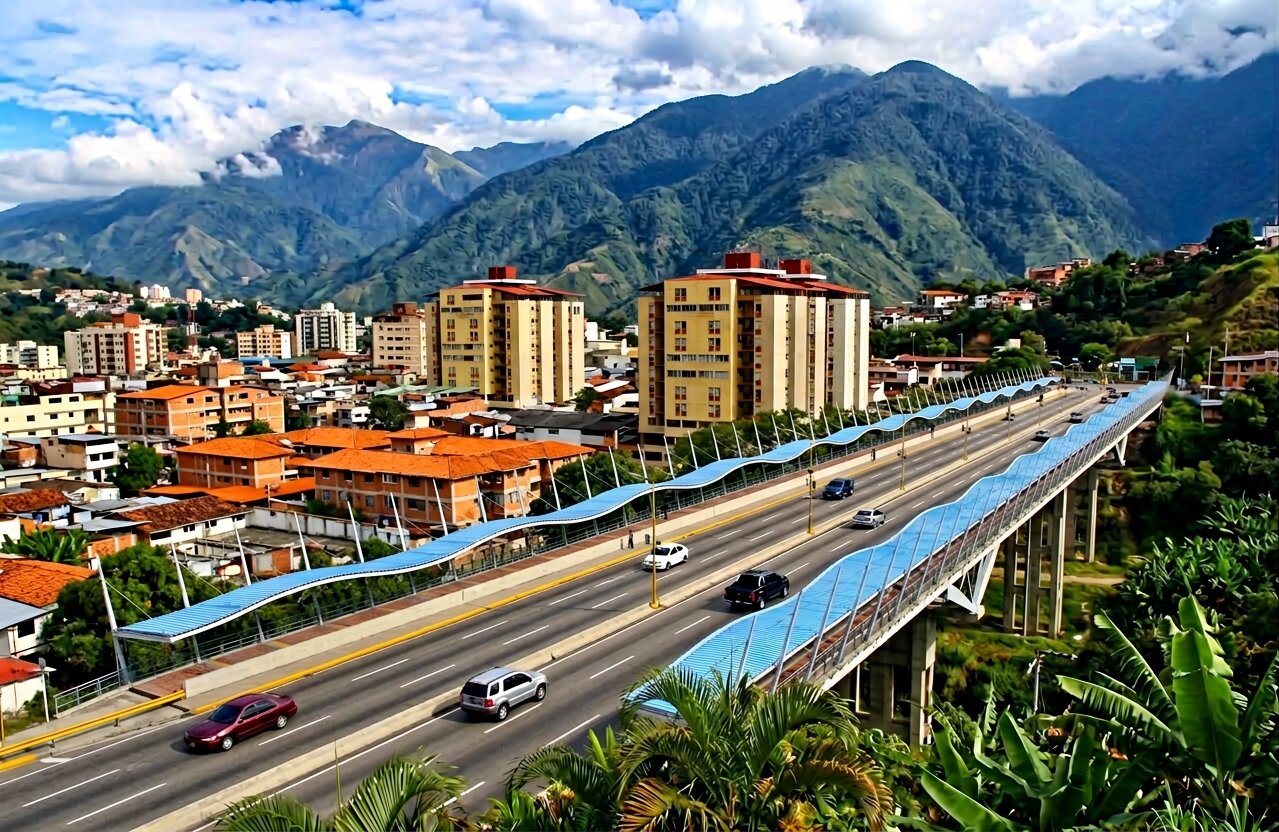
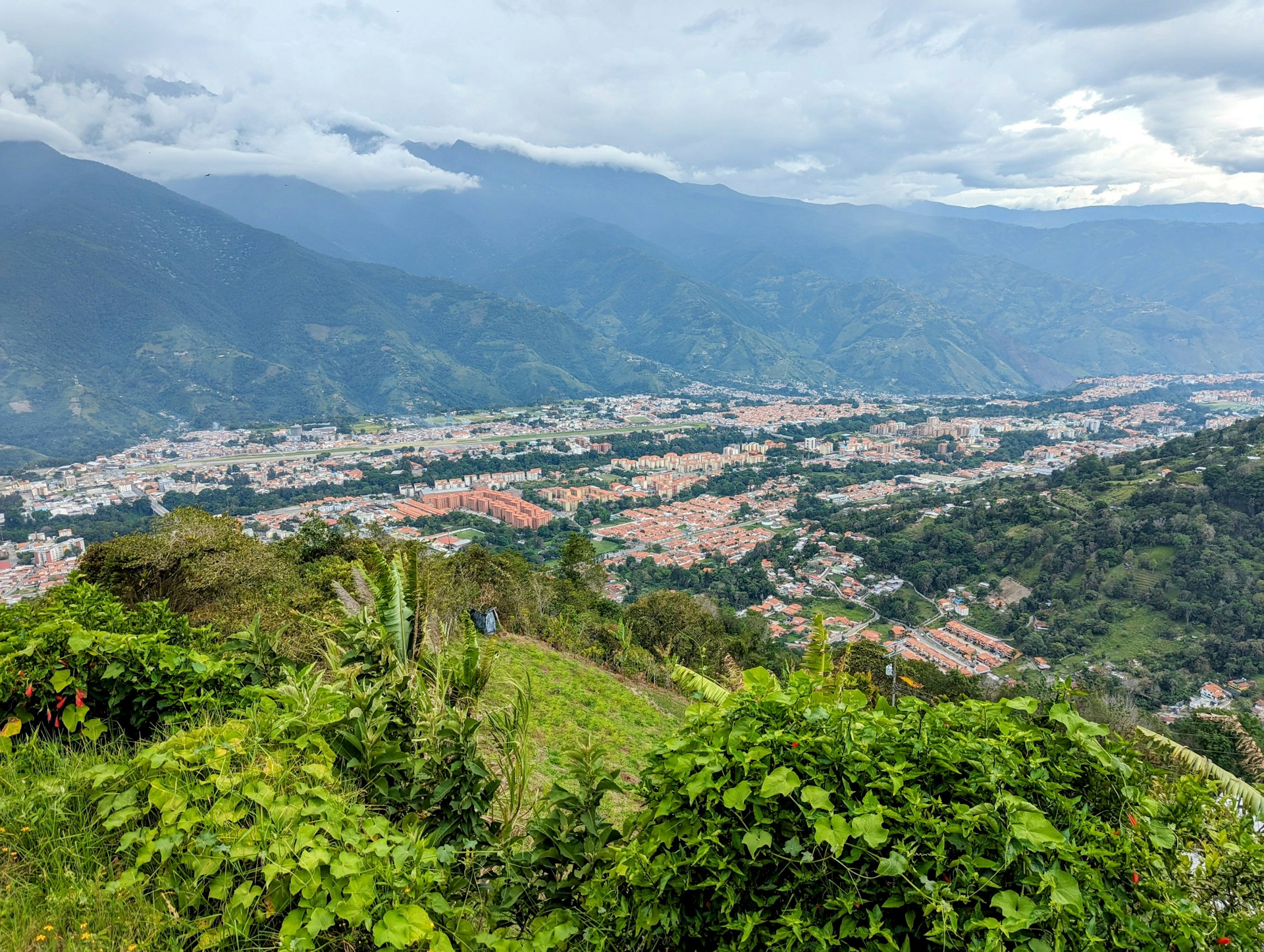
Mérida sits in western Venezuela, perched high in the Andes at about 1,600 meters above sea level. Mountains rise on both sides, and the Chama River winds through the valley below.
The air here is cool, and the temperature barely budges throughout the year. It’s a relief if you’re used to the heat elsewhere in Venezuela.
Mérida offers mountain views, a mild climate, and easy access to outdoor adventure in one of Venezuela’s highest and most scenic cities. Ride one of the world’s highest cable cars toward snowcapped peaks or wander colonial streets near Plaza Bolívar.
If you’re craving green spaces, nearby parks and forests are right at your doorstep. The University of the Andes brings a lively student vibe that shapes the city’s rhythm.
Walking around Mérida, you’ll spot historic churches, bustling markets, and quiet neighborhoods tucked between hills. Hike in the Sierra Nevada, visit alpine lakes, or just grab a plate of local food in a simple restaurant.
This mix of nature, history, and everyday life makes Mérida feel genuinely unique. There’s something about the place—maybe it’s the mountain air or the friendly pace—that sticks with you.
Key Takeaways
- Mérida sits high in the Venezuelan Andes with a cool, mild climate year-round.
- In andean region you can explore mountains, ride a high-altitude cable car, and visit historic city landmarks.
- The city blends outdoor adventure, colonial heritage, and active student life.
REQUEST
Overview of Merida and Its Geography
Mérida is nestled in the Andes Mountains of western Venezuela. The city’s shape and spirit are carved by altitude, mountain ranges, and the rivers weaving through narrow valleys.
Location in Western Venezuela and the Venezuelan Andes
Mérida sits in western Venezuela, deep within the Venezuelan Andes. It’s the capital of Mérida state and sits right in the Cordillera de Mérida, a major branch of the Andes.
The city sprawls across an elevated plain near the Chama River, at about 1,600 meters (5,200 feet) above sea level. Some of Venezuela’s tallest peaks tower to the southeast in the Sierra Nevada de Mérida, while the Sierra La Culata rises to the northwest.
These mountains separate Mérida from the lowlands that drain toward Lake Maracaibo. The rugged terrain keeps the city compact and shapes where roads and neighborhoods can grow.
Climate and Elevation
Thanks to its high elevation, Mérida has a subtropical highland climate (Cfb). Temperatures stay mild year-round, which is a real treat in Venezuela.
Daytime highs hover around 26°C (79°F), while nights dip to 15–17°C (59–63°F). Mornings and evenings can feel chilly, so you might want a jacket.
The rainy season stretches from April to November, bringing heavier showers. Still, the city gets plenty of sunshine, partly because the valley is so narrow.
Living here means adapting to thinner air and cooler nights. The strong sun at altitude is no joke—don’t forget sunscreen, even if it feels cool.
Major Rivers and Surrounding Valleys
Mérida spreads across a plateau shaped by rivers and ancient erosion. The Chama River flows through the main valley, heading toward Lake Maracaibo.
The Albarregas River cuts the city into western and eastern halves. Smaller rivers—like the Mucujún and Milla—feed into the bigger ones, sometimes swelling after heavy rain.
The city stands on an alluvial plain, built up by river sediments over time. Deep below, the Boconó fault marks a major tectonic line in western Venezuela.
Steep slopes surround downtown, and as you move outwards, you find yourself in narrow valleys and forested mountain terrain. It’s classic high Andes scenery.
Our eastern Venezuela Travel Packages
Landmarks, Architecture, and Points of Interest
Mérida’s heart beats in its walkable plazas, colonial churches, and ever-present mountain views. Historic streets, civic squares, and green spaces are all just a short stroll apart.
Historic Downtown and Colonial Sites
Start in the historic downtown, where narrow streets and low-rise colonial buildings create a cozy vibe. You’ll see white or pastel walls, clay roof tiles, and hidden courtyards behind thick wooden doors.
Cafés, shops, and small museums line these central streets. It’s easy to explore on foot and stumble onto something new.
Near Plaza Bolívar, you’ll find some of Mérida’s oldest religious buildings. Our Lady of Carmen Church is right by the main square, with its simple colonial façade and deep roots in the city’s story.
Several old houses now serve as cultural centers, hosting exhibits on early settlers, local traditions, and Andean art. The Spanish colonial influence is everywhere—thick walls, woodwork, and designs built for mountain weather.
Plaza Bolívar and Plaza Monumental Román Eduardo Sandia
Plaza Bolívar is Mérida’s civic core. Trees, benches, and a statue of Simón Bolívar anchor the square, just like in other Venezuelan cities.
The plaza faces the Cathedral of Mérida. Locals gather here all day, and thanks to the mountain air, it’s always pleasant to sit in the shade. Historic façades and government buildings frame the area.
On the other hand, Plaza Monumental Román Eduardo Sandia is a big circular arena used for bullfights during the Feria del Sol festival. It also hosts concerts and public events.
The arena’s concrete tiers and functional design are a sharp contrast to the colonial downtown. If you’re curious about local traditions and festivals, this is the place to see them in action.
Cathedral of Mérida and Notable Churches
The Cathedral of Mérida stands across from Plaza Bolívar and is one of the city’s most iconic landmarks. Built in stages, its façade and interior mix several architectural styles.
Inside, you’ll see high ceilings, religious art, and side chapels. It’s still an active church, so visitors should dress and act respectfully.
Nearby, Our Lady of Carmen Church adds another layer to Mérida’s religious heritage. Its simpler colonial design stands out for its understated beauty.
These churches shaped the city’s development, with major civic spaces clustered around them—especially near Plaza Bolívar.
Jardín Botánico de Mérida and Green Spaces
The Jardín Botánico de Mérida, or Mérida Botanical Garden, is in the La Hechicera area. It’s just a short ride from the city center.
This garden focuses on Andean plants and conservation. Walk the marked paths to see native trees, orchids, and medicinal herbs.
Because of the elevation, you’ll spot plant species you won’t find elsewhere in Venezuela. Educational signs along the way explain local ecosystems and plant uses.
Beyond the botanical garden, smaller parks and green corners are scattered throughout the city. Plaza Bolívar itself is a leafy escape, and the surrounding mountains are always in view. These spaces offer a breather from city life without having to go far.
Natural Attractions and Outdoor Activities
Hiking, mountain views, and green neighborhoods are all within easy reach in Mérida. The city’s location in the Andes means you’re never far from cold-weather landscapes, clear lakes, or steep trails.
Mérida Cable Car and Teleférico de Mérida
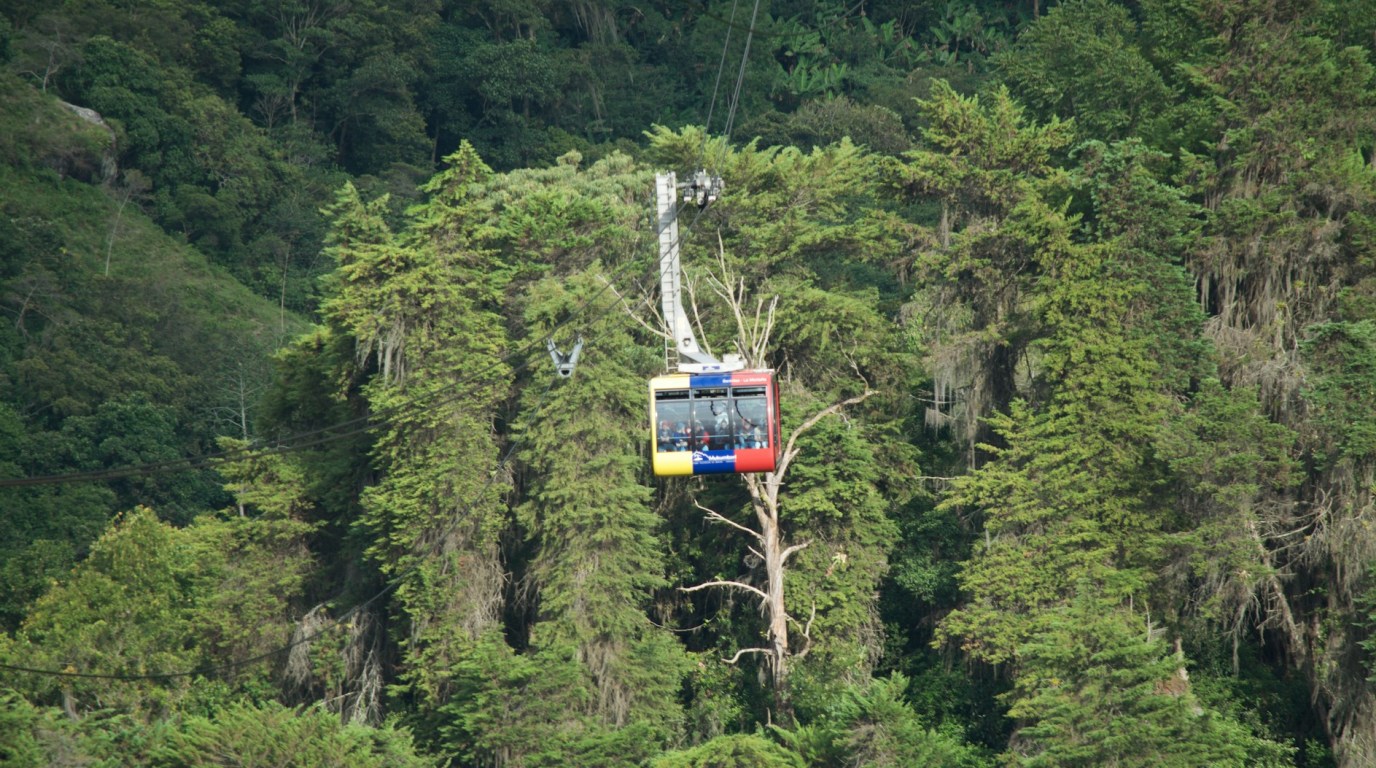
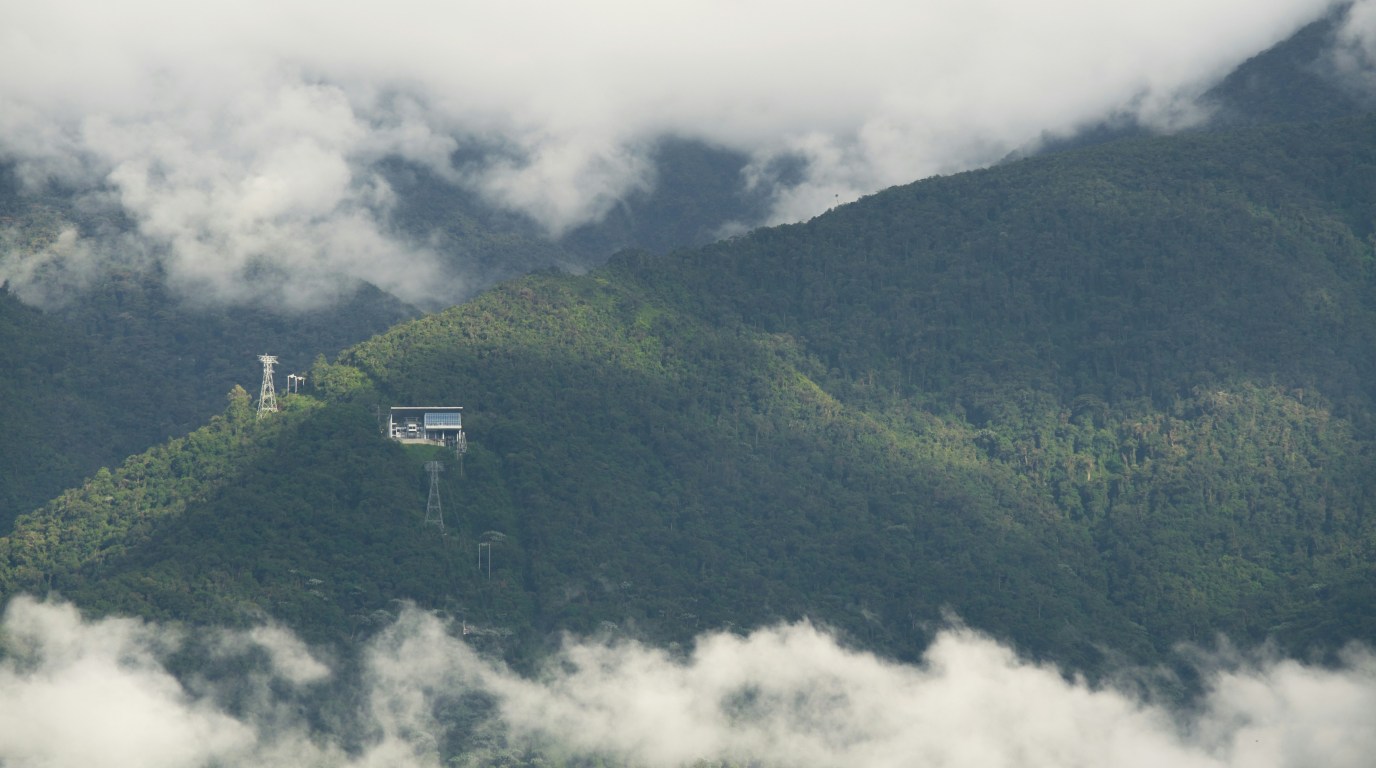
The Mérida Cable Car, or Teleférico de Mérida, climbs from the city up into the high Andes. It’s one of the highest and longest cable cars in the world, connecting several stations up to Pico Espejo.
The ride serves up jaw-dropping views of valleys, cliffs, and tiny mountain villages. As you go higher, the air gets colder and thinner—don’t underestimate it. Bring warm clothes, even if it’s mild in town.
At the top, you can walk short trails and snap photos of the peaks. Weather changes fast, so check the forecast before heading out. Tickets can sell out during busy times, so book ahead if you can.
Pico Espejo, Pico Bolívar, and Surrounding Peaks
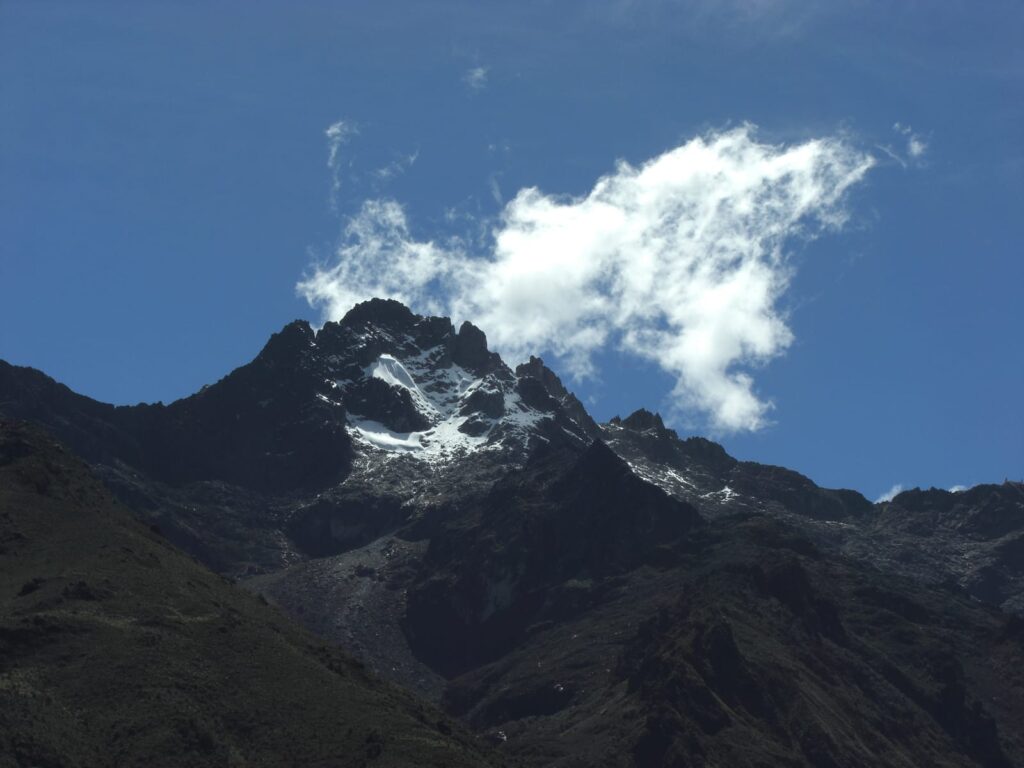
Pico Espejo rises to about 4,765 meters. Thanks to the cable car, it’s one of Venezuela’s most accessible high peaks. The views from the top are wild—Andes as far as the eye can see.
Pico Bolívar is Venezuela’s highest mountain, topping out at about 4,978 meters. There’s no cable car here; you’ll need serious fitness, proper gear, and a guide if you want to summit.
The terrain around these peaks is dramatic—glaciers, rocky slopes, and high-altitude wetlands. Weather is unpredictable, so prepare for sun, wind, and maybe rain all in one day.
Sierra Nevada National Park and Outdoor Recreation
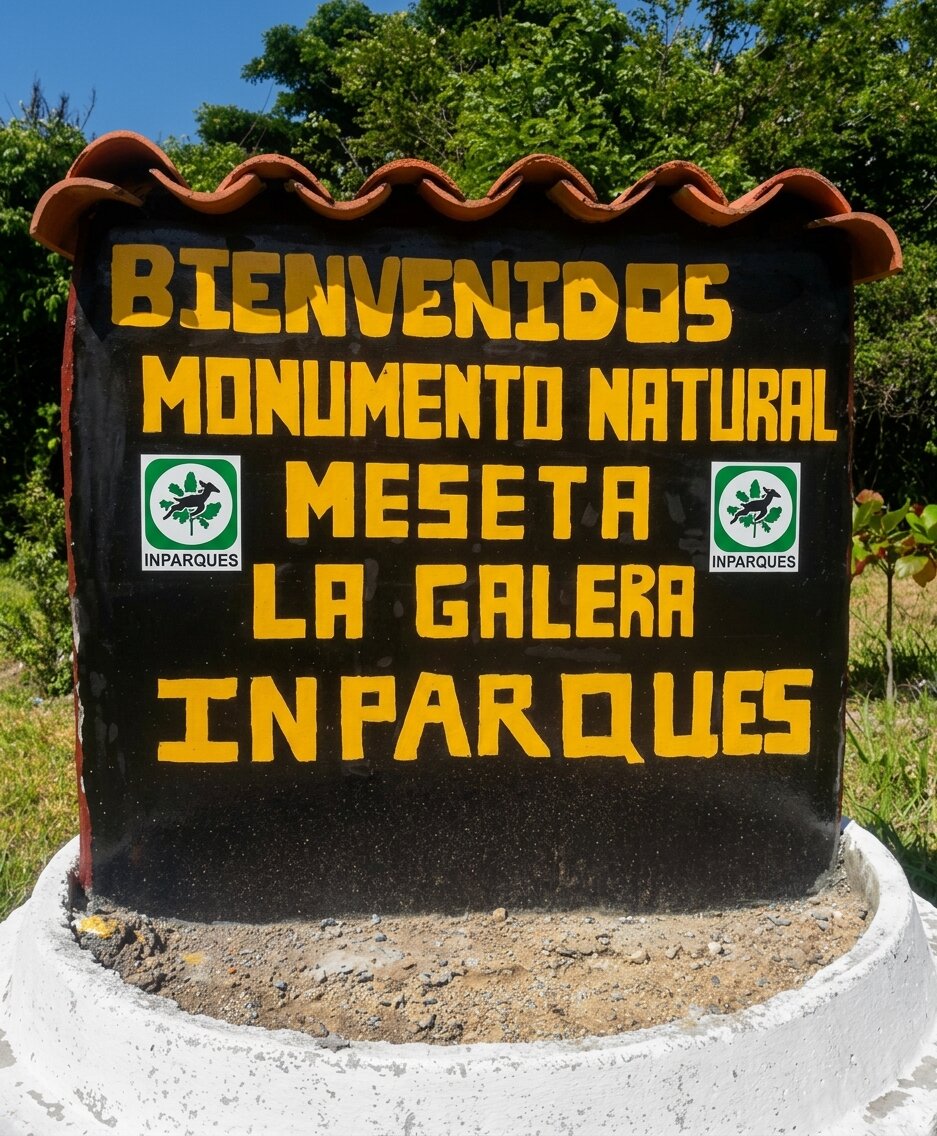
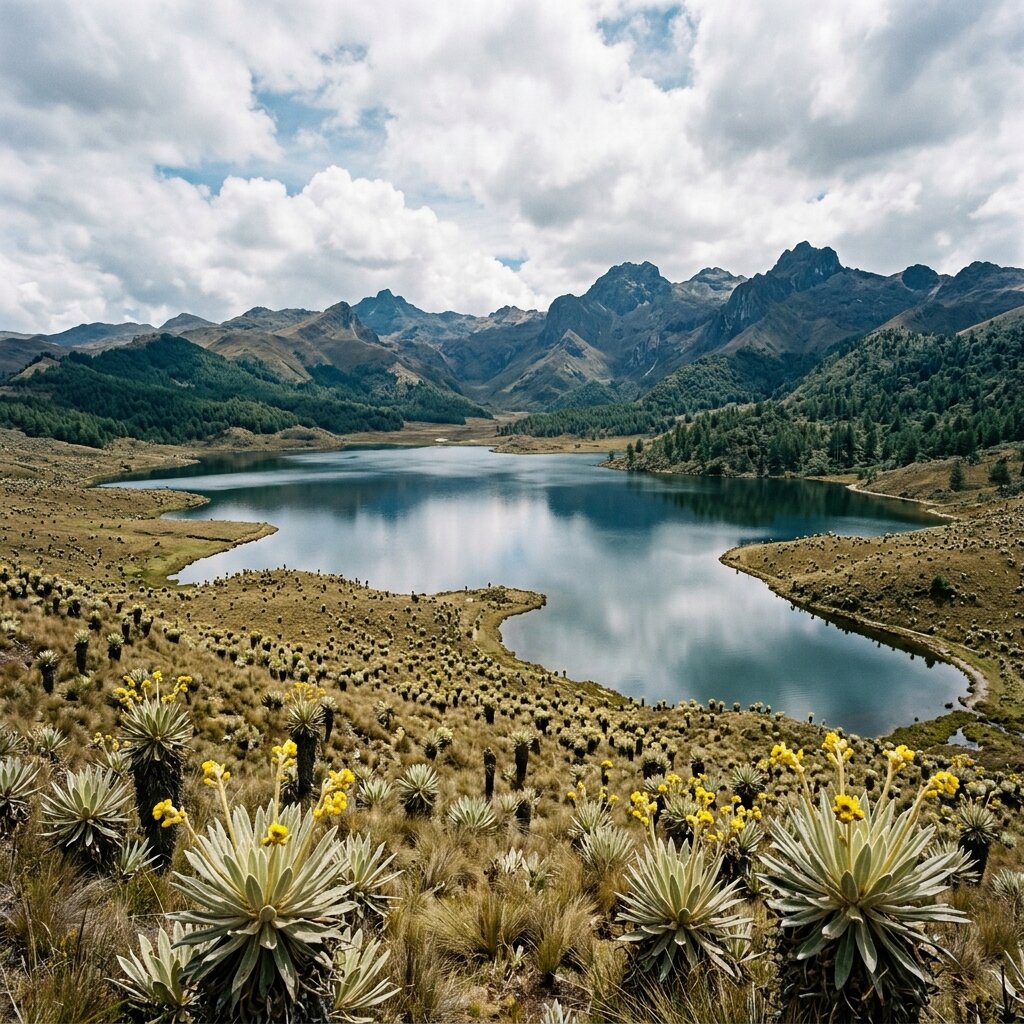
Sierra Nevada National Park (Parque Nacional Sierra Nevada) protects much of the mountain landscape around Mérida. The park is a patchwork of forests, páramo grasslands, lakes, and snowy peaks.
Marked trails wind through frailejón plants and past small alpine lakes. Some hikes are easy, but others need guides and good gear. Camping is allowed in certain spots if you get permission first.
The park is popular for mountain biking, birdwatching, and guided climbs. Rainy season is usually May to October, with drier months from December to March, but honestly, the weather can surprise you anytime.
Popular Neighborhoods for Nature Access
You don’t have to leave Mérida to find green space. Neighborhoods like Pie del Llano put you close to parks, tree-lined streets, and river walks.
From these areas, trailheads and natural sites are just a short drive away. Many local tour operators offer trips into the mountains right from central neighborhoods.
Staying near the city’s northern or eastern edges gives you faster access to the cable car and routes into Sierra Nevada National Park. It’s easy to balance city life with quick escapes into the Andes.
Culture, Education, and Local Life
Mérida is a blend of colonial history, university energy, and Andean tradition. You’ll notice it in the plazas, classrooms, markets, and the food on your plate.
Santiago de los Caballeros de Mérida and Historical Figures
The city’s full name is Santiago de los Caballeros de Mérida. It was founded in 1558 by Spanish captain Juan Rodríguez Suárez during the colonial era.
This history lingers in central plazas and churches. The Cathedral of Mérida and Plaza Bolívar still anchor civic and religious life, and the streets follow a Spanish grid plan with plenty of colonial touches.
Local identity is tied to the Andes. Folk music, processions, and traditional dress all reflect the mountain setting. Life here moves at a slower, maybe more thoughtful, pace than in Venezuela’s bigger cities.
Statues and street names honor figures from colonial and independence times. These reminders help you connect with Mérida’s past and its place in western Venezuela.
If you’re dreaming of exploring Mérida and the Andes, don’t miss out on a truly local experience. At Venezuela Nature, we offer authentic trips to Mérida and beyond—crafted by people who genuinely love these mountains. Why settle for generic tours when you can travel with folks who know the trails, the food, and the hidden gems? Check out what we offer and start planning your adventure in the heart of Venezuela’s Andes.
Universidad de Los Andes and Student Life
The Universidad de Los Andes (ULA) really shapes modern Mérida. Founded back in the early 19th century, it’s still one of Venezuela’s most respected public universities.
Walk around town and you’ll spot students everywhere—outside lecture halls, tucked into cafés, or just hanging out in the plazas. ULA attracts people from all over Venezuela, giving Mérida this mix of cultures and a constant buzz of youthfulness.
This university supports research in science, medicine, engineering, and the humanities. Its cultural centers and theaters host all kinds of events—lectures, art exhibits, film nights—you name it.
Student life spills over into the local economy. You’ll notice a bunch of cheap eateries, shared apartments, and bookstores near campus.
Many guesthouses and apartments cater to students and visiting professors, so rental options stay pretty flexible. Honestly, it’s a city where you can find a place to stay without too much hassle.
And hey, if you’re thinking about exploring Venezuela’s wild side, check out Venezuela Nature. We offer trips to this region and beyond—seriously, don’t miss out on the adventure.
Cultural Events, Gastronomy, and Accommodation
Local culture here is all about festivals, food, and everyday social life. During Holy Week, religious events fill the churches and spill out into the streets with processions and music.
Music and dance lean into Andean folklore. You’ll find small venues and cultural centers hosting live shows, often with university groups taking the stage.
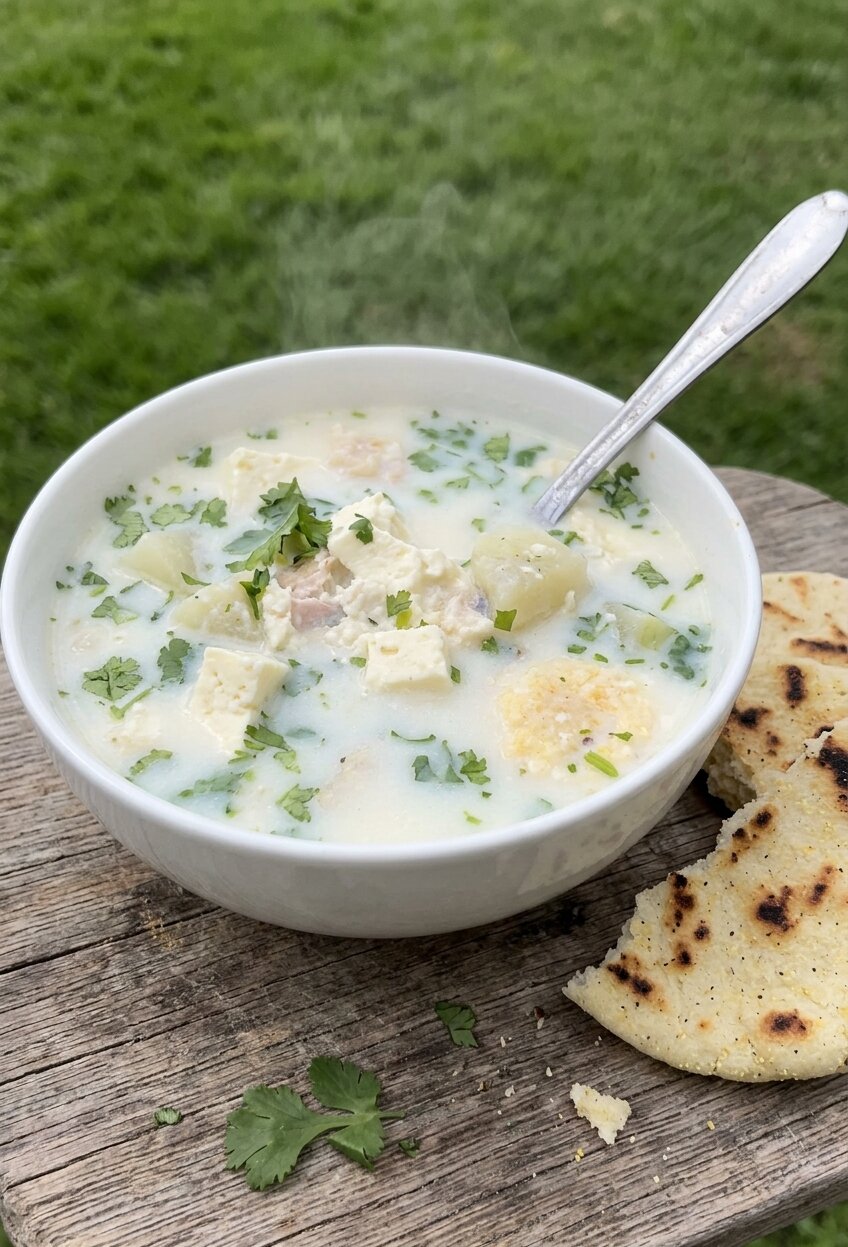
The food? It’s all about regional classics. Try arepas andinas—they’re made with wheat flour, not corn—and don’t skip the fresh trout from nearby rivers.
Markets are packed with local produce, cheese, and sweets. If you love food, you’ll want to wander through at least once or twice.
For lodging, the historic center has a good mix of guesthouses and small hotels. Hotel Belensate stands out with its colonial-style building and rooms set around a courtyard.
If you’re on a budget, there are hostels popular with students and backpackers. It’s not hard to find a spot that fits your vibe and wallet.

Frequently Asked Questions
Need some straight answers before you book your trip? Here’s the scoop on money, safety, population, time zone, top sights, and weather in Mérida.
The official currency is the Venezuelan bolívar (VES). That said, many places—especially hotels, tour operators, and some restaurants—will also take US dollars.
Bring small, clean dollar bills. Seriously, people here are picky about the condition of notes. Card payments work in some spots, but power outages and network hiccups can mess things up, so always carry some cash.
Mérida is usually seen as safer than bigger cities like Caracas or Maracaibo.
Still, stay alert. Don’t walk alone at night, keep your phone out of sight, and use trusted taxis. Petty theft happens, especially in crowded places, but if you’re careful, your visit should be smooth.
Mérida’s city area has about 300,000 people.
It feels lively but not overwhelming. The student crowd from the University of the Andes (ULA) really shapes nightlife and local culture.
Mérida is on Venezuelan Standard Time (VET), which is UTC−4 year-round.
No daylight saving time here, so the clock doesn’t change.
Start at Plaza Bolívar and check out the Catedral de Mérida. It’s a good place to soak up the city’s daily rhythm.
The Mérida cable car (Teleférico de Mérida) is a must—ride it up into the Andes for insane views. It’s one of the region’s top attractions.
Hit the Mercado Principal for local eats and fresh produce. And if you’ve got time, explore spots like Laguna de Mucubají, Pico El Águila, and the colonial village of Jají on a day trip.
Mérida sits high up in the Andes, so you get this lovely mild mountain climate that's honestly pretty refreshing.
The dry season rolls in from December to April. Skies clear up, and it's really the best window for hiking.
From May to November, it's the rainy season. Most afternoons, expect showers—especially if you're exploring the hills.
Daytime temperatures usually land somewhere between 20–24°C (68–75°F). At night, it cools down to about 10–12°C (50–54°F), so yeah, you'll want a light jacket or sweater.
Honestly, Mérida's weather is one of the reasons it's such a standout spot in Venezuela. If you're thinking about exploring Mérida or any other wild corners of the country, check out Venezuela Nature—we've got some truly unforgettable trips lined up. Don't miss out!
The state of Mérida, whose capital is also called Mérida, is known as the “mountain capital” of Venezuela and one of the most beautiful destinations in the Andes. It is famous for:
- The Andes Mountains and breathtaking high-altitude landscapes
- Pico Bolivar, the highest peak in Venezuela
- Mérida Cable Car (Teleférico Mukumbarí), the world's highest and longest cable-car
- Sierra Nevada National Park
- A vibrant university atmosphere (home to the University of los Andes)
- A pleasant spring-like climate year-round
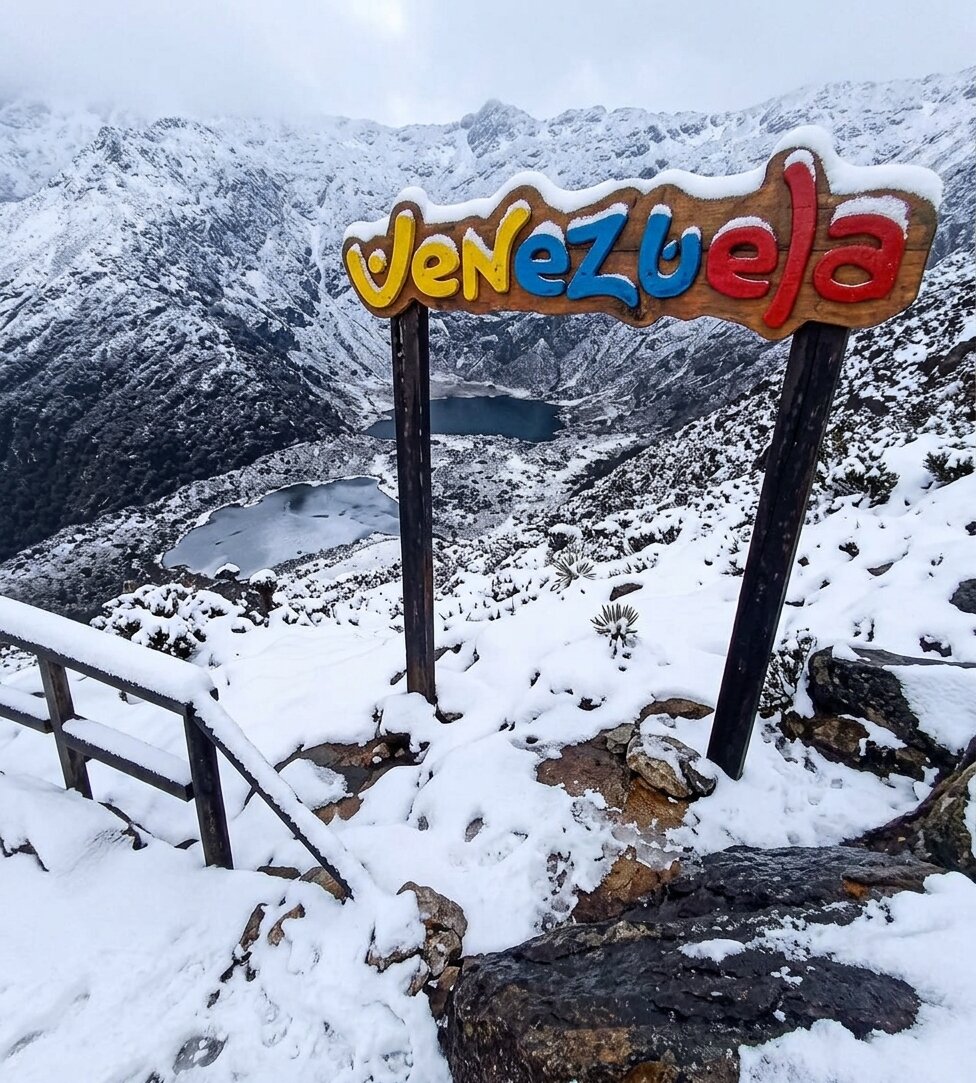
It’s also the only region in Venezuela where you can see snow-capped peaks in the tropics.
The city of Mérida sits at about 1,600 meters (5,384 feet) above sea level and has a mild climate year-round. However, snow can be seen on the highest peaks of the Sierra Nevada de Mérida, especially on mountains above 4,600 meters (15,000+ feet), such as Pico Bolívar.
Mérida is the only place in Venezuela where snow occurs naturally, although due to climate change, permanent glaciers have significantly reduced in recent years.
Mérida is generally considered one of the safer cities in Venezuela, especially compared to larger urban centers.
It is a university town with a strong tourism culture and a more relaxed atmosphere. However, as in any destination:
- Avoid isolated areas at night
- Use registered taxis or trusted transportation
- Keep valuables discreet
- Stay informed about local conditions
Travelers who take normal precautions often report positive experiences, especially when visiting natural attractions and guided tours.