Mochima National Park
Venezuela
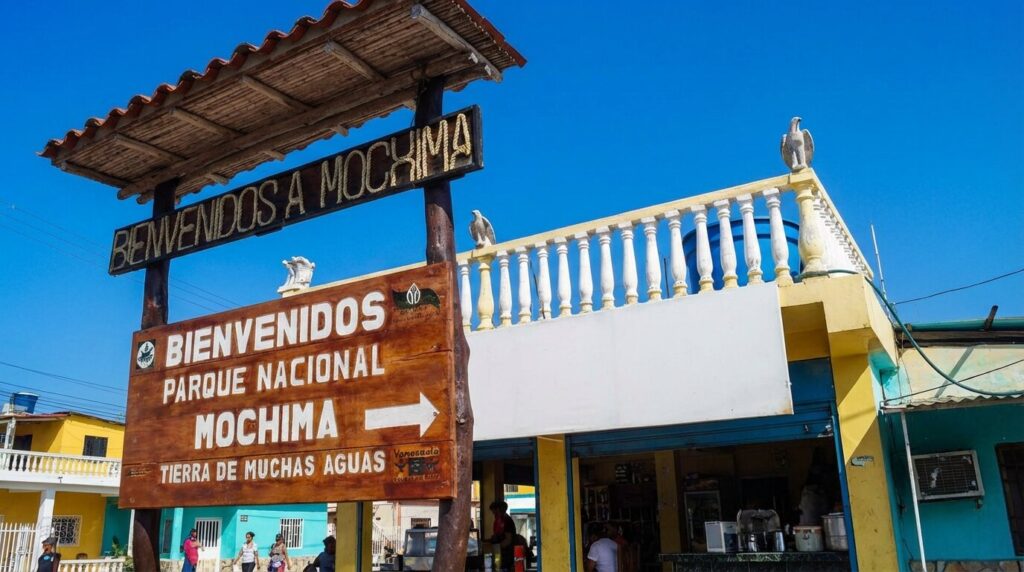
You visit Mochima to experience one of Venezuela’s most diverse coastal parks. Known locally as Parque Nacional Mochima, this area sits along the northeastern coast between Anzoátegui and Sucre states. It protects pristine beaches, bays, small islands, and forested hills in one large protected area. The park offers a unique meeting point where mountains descend into the Caribbean Sea.
Mochima National Park gives you clear water for swimming and diving, quiet islands to explore, and rich marine life all within reach of cities like Puerto La Cruz and Cumaná. The park covers about 949 square kilometers and includes dozens of offshore islands. You can relax on pristine beaches, explore coral areas, or hike in the Turimiquire mountains above the coast.
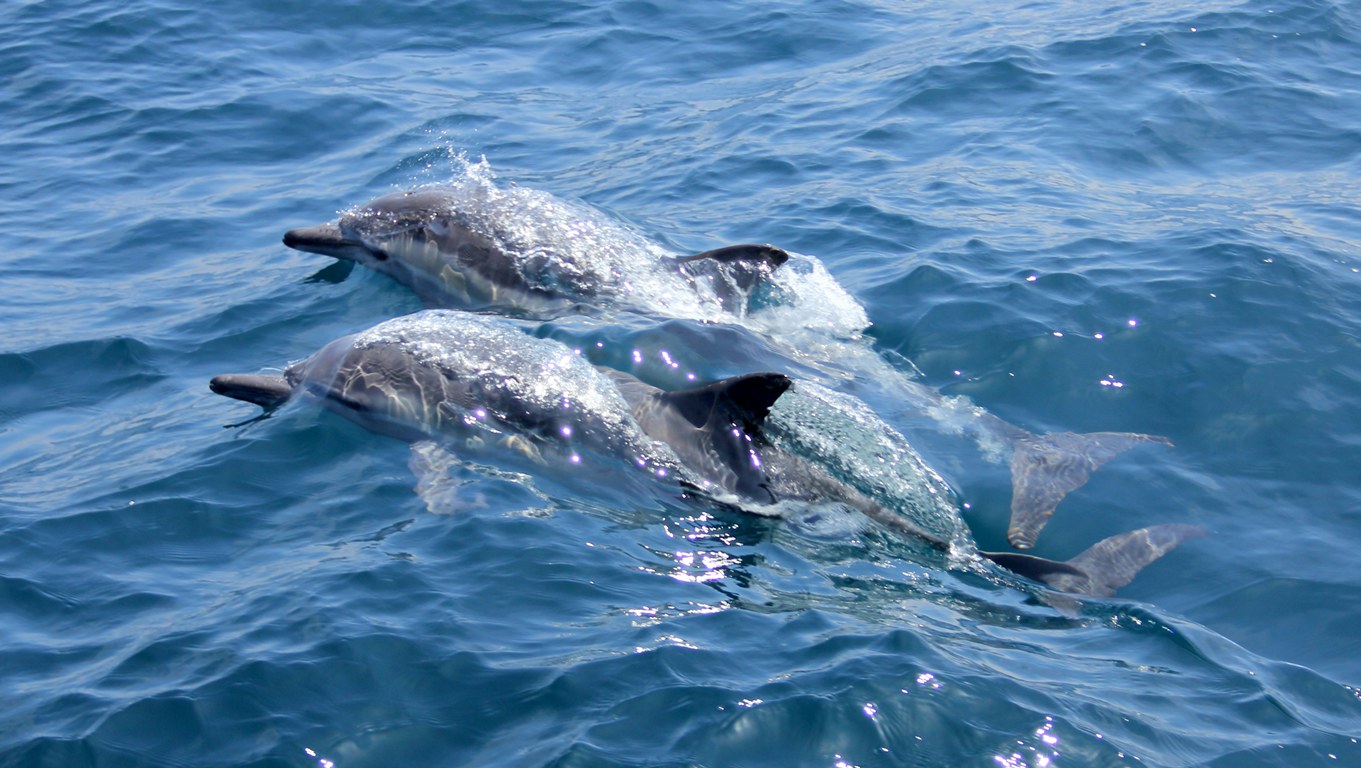
You also share the water with dolphins and, at times, whales that pass through the park. Warm temperatures year-round make it a steady destination for boat trips, snorkeling, and diving. When you plan a trip to Mochima, you combine sea, islands, and mountains in one place.
Key Takeaways
You explore a coastal national park with beaches, islands, and mountains in one area.
You can swim, dive, boat, and spot marine life like dolphins in warm Caribbean waters.
You access the park easily from nearby cities while enjoying protected natural landscapes.
East Venezuela
More Destination
REQUEST
Natural Features of Mochima
Mochima National Park protects a stretch of Venezuela’s Caribbean coast where mountains meet the sea. You find steep hills, sheltered bays, coral-rich waters, and more than 30 offshore islands within its borders.
Geography and Location
You explore Mochima National Park on the northeastern coast of Venezuela, between the states of Anzoátegui and Sucre. The park sits along the Caribbean Sea, stretching between the cities of Puerto La Cruz and Cumaná. It covers about 949 square kilometers (94,935 hectares).
The park includes both land and sea. Its western sector in Anzoátegui holds a large marine area. The eastern side in Sucre State includes coastal waters such as Mochima Bay and the Gulf of Santa Fé, plus inland mountain zones.
Year-round temperatures usually range from 20°C to 26°C. From November to May, steady trade winds blow across the coast. From June to October, humidity rises and conditions feel slightly cooler.
Coastline and Islands
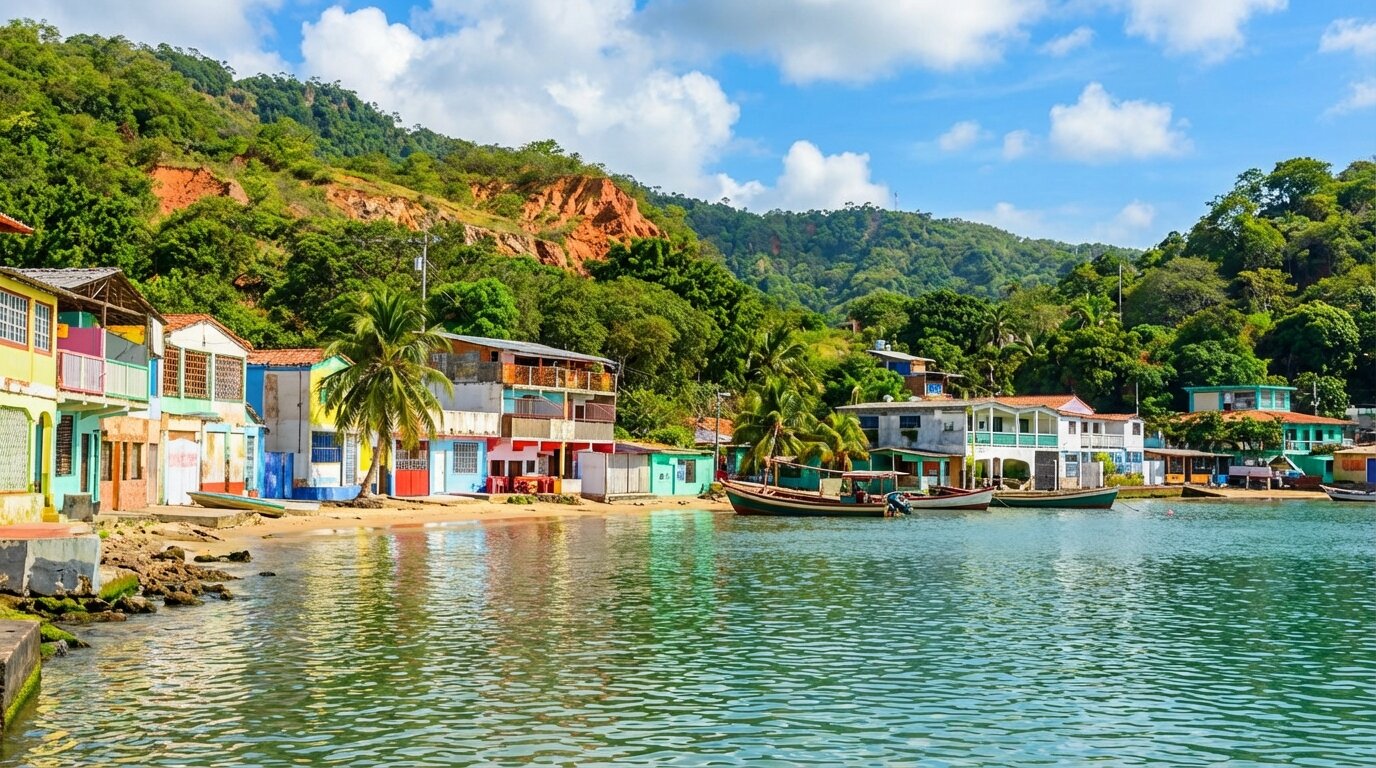
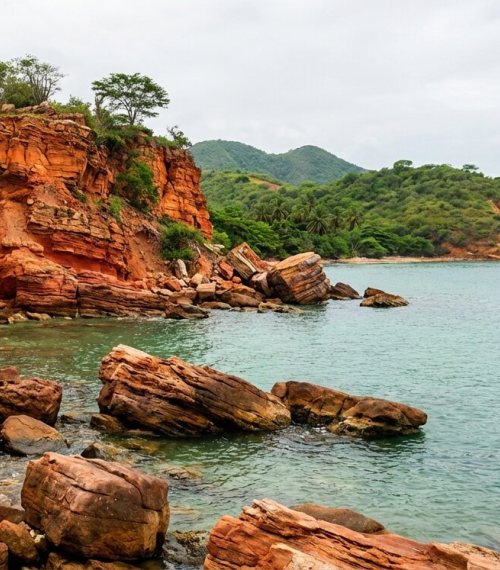
You move along a rugged Caribbean coastline marked by cliffs, small beaches, and narrow inlets. Some slopes drop almost straight into the sea, with little vegetation. Other areas support dry forest and patches of tropical growth.
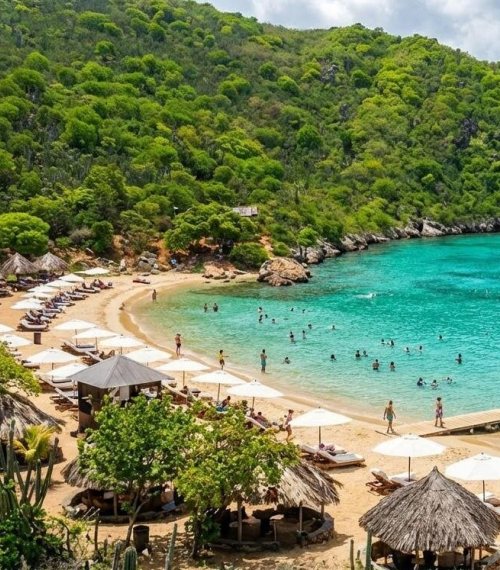
Mochima Park protects the entire shoreline between Puerto La Cruz and Cumaná. This strip includes quiet coves and long sandy beaches that attract visitors from across Venezuela.
Just offshore, you find 32 islands and cays. Notable islands include:
Isla Caracas
Isla Chimanas
Smaller islets near Mochima Bay
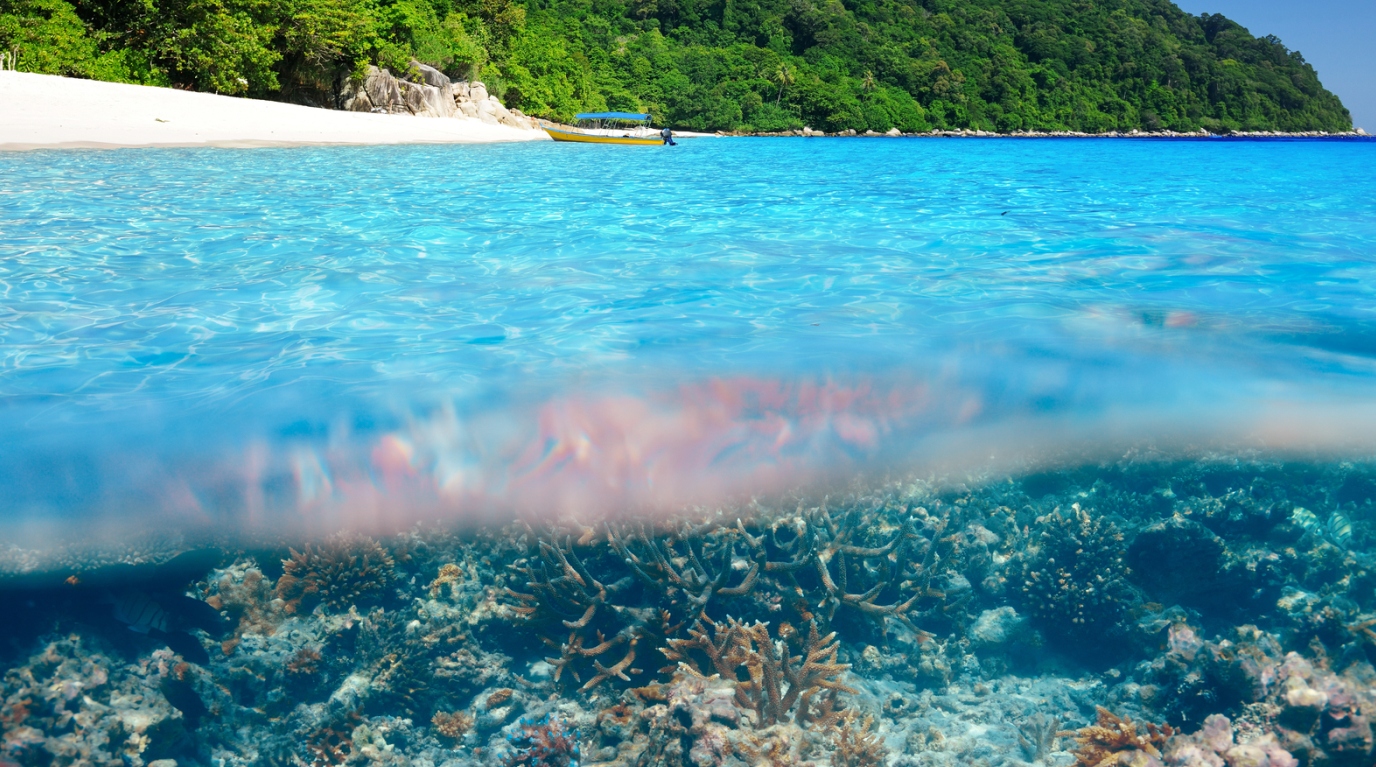
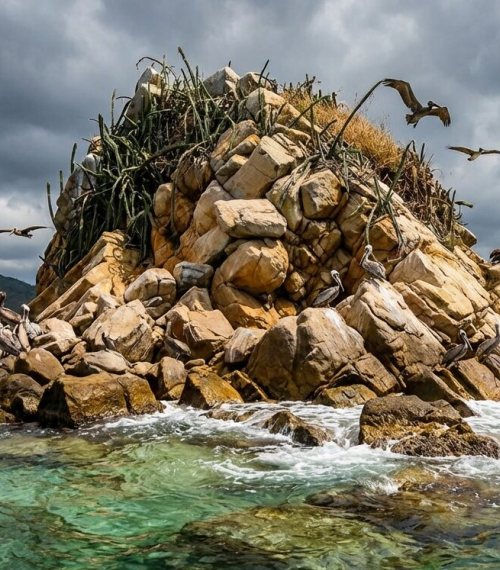
These islands feature white-sand beaches and rocky shores. Many serve as boat stops for swimming and snorkeling. The clear water and protected bays make the islands central to the identity of Parque Nacional Mochima.
Mountains and the Turimiquire Range
You see the Turimiquire Range rising directly behind the coast. These mountains form a sharp contrast with the blue waters of the Caribbean Sea.
Mochima National Park protects part of the Turimiquire Dam watershed. This area supplies water to nearby communities, so the forest cover plays an important role in water control and soil stability.
The mountains create different microclimates. Some slopes stay dry and sparse. Others support thicker forest, especially at higher elevations.
Steep terrain limits large-scale development. However, roads and infrastructure projects have cut through sections of the mountain zone, affecting parts of the landscape.
Marine Ecosystems and Coral Reefs
You enter waters known for high marine diversity. The park was created in part to protect eastern Venezuela’s marine ecosystems.
In Mochima Bay, turtle grass meadows support many mollusks and other small sea animals. These underwater grass beds provide food and shelter for fish and invertebrates.
The park’s coral reefs and coastal waters host:
Dolphins
Pilot whales
Sperm whales
Humpback whales
The mix of reefs, seagrass, and open sea supports both coastal and migratory species. Strong sunlight, warm water, and steady currents help maintain these marine habitats along Venezuela’s Caribbean coast.
Our eastern Venezuela Travel Packages
Activities and Wildlife
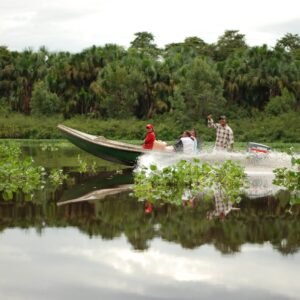
Mochima gives you clear water, white sand beaches, coral reefs, and dry coastal hills in one protected marine park. You can swim, hike, watch wildlife, and explore islands by boat from bases like Cumaná and Puerto La Cruz.
Wildlife and Plant Life
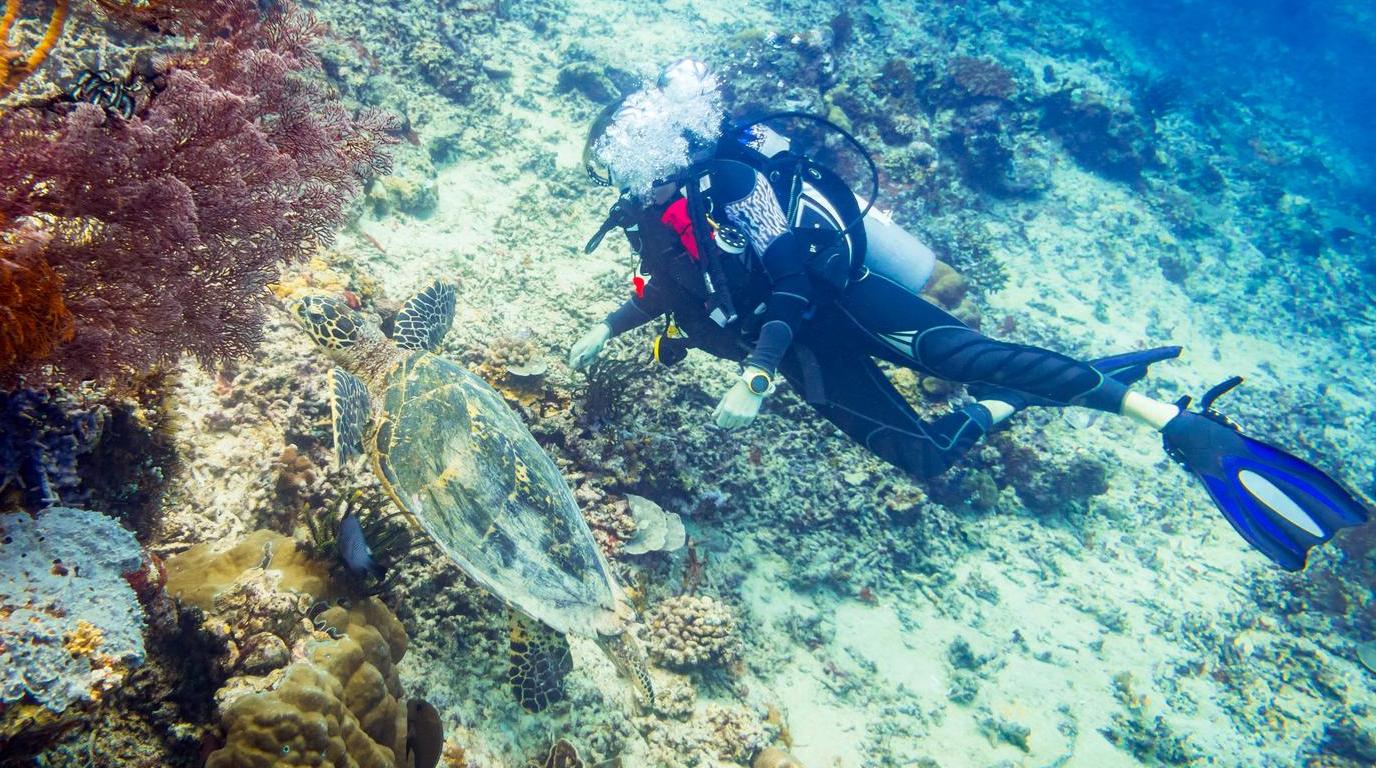
You share the park with a mix of marine and land wildlife. In the water, you may see reef fish, sea turtles, and dolphins near coral reefs and seagrass beds. Snorkeling and diving let you spot parrotfish, angelfish, and other reef species up close.
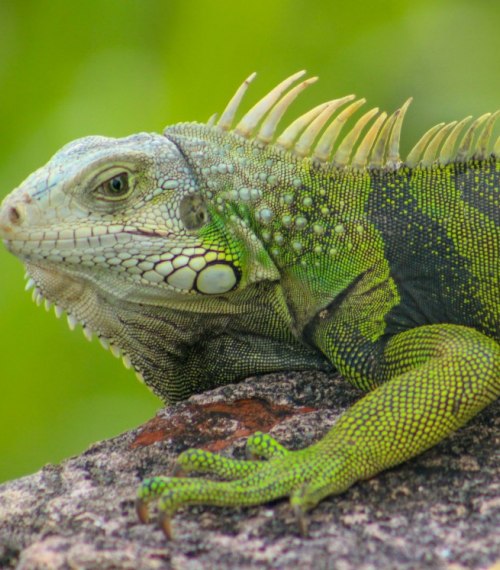
On land, dry forest and lush vegetation cover parts of the coast and islands. You can find iguanas, lizards, snakes, and small rabbits in rocky and wooded areas. These reptiles often rest on warm rocks near sand beaches.
Birdlife stands out. Brown pelicans and frigatebirds fly over the bays, and you may hear parrots in forested zones. Toucans are less common but appear in some wooded mainland areas. Bring binoculars if you want clear views.
Popular Beaches and Islands
You can reach many pristine beaches by boat tours that leave from Cumaná or Puerto La Cruz. Some sand beaches also connect by road along the coast.
Playa Blanca draws many visitors. It offers white sand beaches, calm water, and basic services from local vendors. Families often choose it for easy swimming.
Playa Colorada stands out for its reddish sand. The color contrasts with the blue water and makes it a good photo spot. Waves stay moderate, but always check local advice before swimming.
Island groups such as the Islas Chimana and Islas Caracas offer smaller coves and clearer water. You reach most of these beaches only by boat. Many stops include short snorkeling sessions over nearby coral reefs.
Outdoor Activities and Adventure
You can fill a full day with water and land activities. Snorkeling and diving rank as top choices because reefs sit close to shore in many areas. Calm mornings give you the best visibility.
Boat tours usually last three to six hours. Many trips combine beach stops, swimming, and short snorkeling sessions. Agree on the route and price before you leave the dock.
On the mainland, you can hike short trails that climb low hills above the coast. These hikes give you wide views of bays and islands. Wear sturdy shoes and carry water.
Local operators also offer fishing trips. Some focus on reef species, while others head into deeper water. Follow park rules and respect size limits.
Conservation Challenges
Mochima protects both land and sea, but it faces pressure from tourism and coastal growth. Heavy boat traffic can disturb coral reefs and marine wildlife.
Plastic waste remains a concern on popular sand beaches. You should carry out all trash and avoid leaving food scraps behind. Even small litter can harm birds and reptiles.
Coral reefs show signs of stress from warming water and pollution. Use reef‑safe sunscreen and avoid touching coral while snorkeling or diving. Anchoring on reefs also causes damage, so responsible boat handling matters.
Local communities in Cumaná and Puerto La Cruz depend on tourism and fishing. When you hire licensed guides and follow park rules, you help protect this marine park for future visits.
Frequently Asked Questions
You can explore white sand beaches, coral reefs, mountain trails, local seafood dishes, and coastal wildlife in one protected area. Clear travel routes, steady trade winds, and year-round warm temperatures make planning your visit easier.
You should visit Playa Blanca and Playa Colorada for calm water and soft sand. Many visitors take boat trips to nearby islands for quiet beaches and snorkeling spots.
Explore the park’s marine area, which includes dozens of small islands. Snorkeling and diving let you see coral reefs and clear blue water with good visibility in dry months.
If you prefer land views, hike in the hills near the Turimiquire range. Some lookouts give you wide views of the coast and the Caribbean Sea.
You can reach the park from Barcelona, Puerto La Cruz, or Cumaná. The nearest major airport is in Barcelona, and from there you can drive or take a bus toward the coast.
Boats leave from ports such as Puerto La Cruz to reach beaches and islands inside the park. Local tour operators often provide simple route maps that show main beaches and island stops.
You can also find basic park maps online or through travel guides. These maps show access roads, boat routes, and key beach areas.
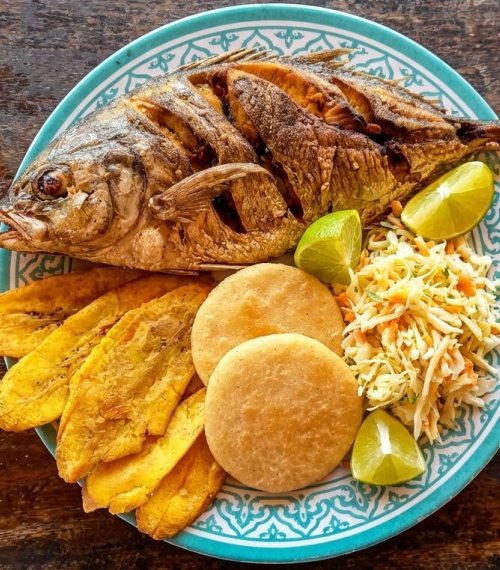
You should try fresh seafood such as grilled fish, shrimp, and ceviche. Many small restaurants near the coast serve fish caught the same day.
Order traditional Venezuelan foods like arepas, empanadas, and cachapas. Street vendors and local eateries prepare them with cheese, meat, or seafood fillings.
For dessert, look for sweets like tres leches cake or quesillo, a local caramel custard. Simple beachside spots often serve these after lunch.
You can see colorful reef fish and different coral species while snorkeling. Sea turtles and dolphins also appear in some areas.
On land, you may spot parrots, hummingbirds, and other coastal birds. Forested areas hold small mammals and reptiles.
The park protects both marine and coastal ecosystems. You can find lizards and snakes in the higher elevations of the mainland. Much of the park lies below sea level, which makes marine life a key feature. The combination of pristine beaches and diverse wildlife makes every visit unique.
You will likely find the best weather from November to April, during the dry season. Rainfall stays lower, and skies remain mostly clear.
Temperatures usually range between 22°C and 28°C through the year. Steady trade winds help keep the air moving along the coast.
Some divers prefer June to November for warm water and good underwater visibility. Conditions can still be suitable outside the dry season, but brief rain showers may occur.
You can look for small coastal celebrations tied to religious holidays and fishing traditions. Nearby towns such as Cumaná and Puerto La Cruz host larger public events.
National holidays often bring music, food stands, and beach gatherings. Local tourism offices can share current event dates before your trip.