Orinoco Delta in Venezuela:
Biodiversity, People, and Unique Ecosystems
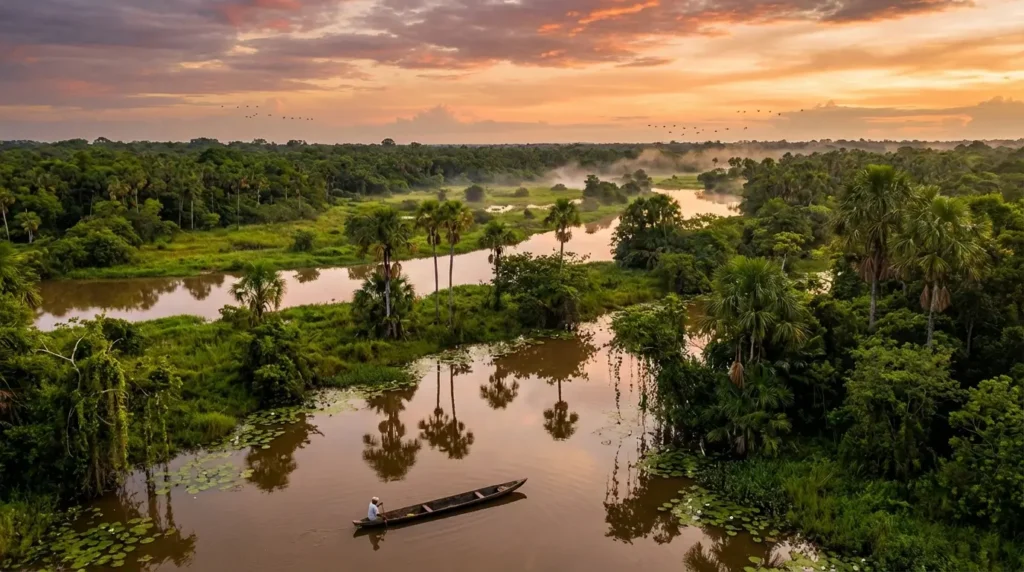
The Orinoco Delta is a vast river delta in eastern Venezuela where the Orinoco River splits into many channels before reaching the Atlantic Ocean. You find a wide landscape of water, islands, and wetlands shaped by daily tides and slow-moving rivers.
As you move through the delta, you see a tropical rainforest, mangroves, and flooded plains. These habitats in Delta Amacuro support rich wildlife, from river dolphins to birds and reptiles. You also encounter the Warao people, who have lived along these waterways for generations. They still rely on canoes and fishing as they navigate the winding channels.
You may wonder how this place formed, why the water can flow backward with the tides, or what makes life possible in such a wet environment. These details help you understand why the Orinoco Delta remains one of Venezuela’s most important natural regions.
Key Takeaways
You learn what the Orinoco Delta is and where it is located.
You understand how water, plants, animals, and people share the delta.
You gain clear answers to common questions about the region.
East Venezuela
More Destination
REQUEST
Geography and Ecology of the Orinoco Delta
You find a low, shifting landscape shaped by water, sediment, and tides. River flow, rainfall, and coastal forces work together to form wide wetlands, dense swamp forests, and mangrove coasts across eastern Venezuela.
Formation and Structure of the Delta
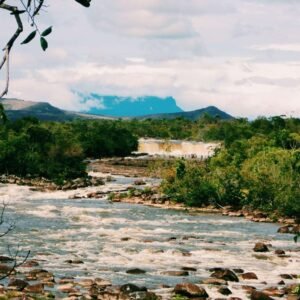
You see the Orinoco Delta where the Orinoco River spreads out before reaching the Atlantic Ocean. The delta lies mainly in Delta Amacuro State, with edges reaching Monagas State. Delta Amacuro contains much of the region’s dense vegetation. This landscape is a mix of islands and channels shaped by the river.
Sediment from the river’s vast drainage basin builds a flat plain of islands and channels. These channels, called caños, divide the land into narrow strips of swamp and forest.
Key features shape daily water movement:
Caño Mánamo, one of the main distributaries near Tucupita
The Macareo channel, carrying strong tidal flow
Dozens of smaller caños linking river and sea
Tides, river floods, and coastal currents constantly reshape the delta. In rare cases, tidal surges similar to a pororoca push upriver, raising water levels and moving sediment inland.
Climate, Seasons, and Hydrology
You experience a humid tropical climate with high rainfall through most of the year. The wet season brings heavy river discharge and widespread flooding across the delta plain.
During the dry season, water levels drop but rarely expose dry ground for long. Many areas stay flooded year-round, especially near the main caños like Caño Mánamo.
Hydrology in the delta depends on three main forces:
Flow from the Orinoco River
Seasonal rainfall
Tides from the Atlantic Ocean
Freshwater dominates inland zones near the banks of the Orinoco. Tucupita, while brackish water spreads closer to the coast. This mix controls soil salinity, plant growth, and animal movement across the Delta del Orinoco.
Ecoregions: Swamp Forests, Wetlands, and Mangroves
You move through several linked ecoregions within the Orinoco Delta. The most widespread are seasonally-flooded freshwater swamp forests, also known as the Orinoco Delta swamp forests.
These swamp forests grow on permanently wet soils and support tall trees adapted to flooding. Vines, palms, and floating plants fill the understory.
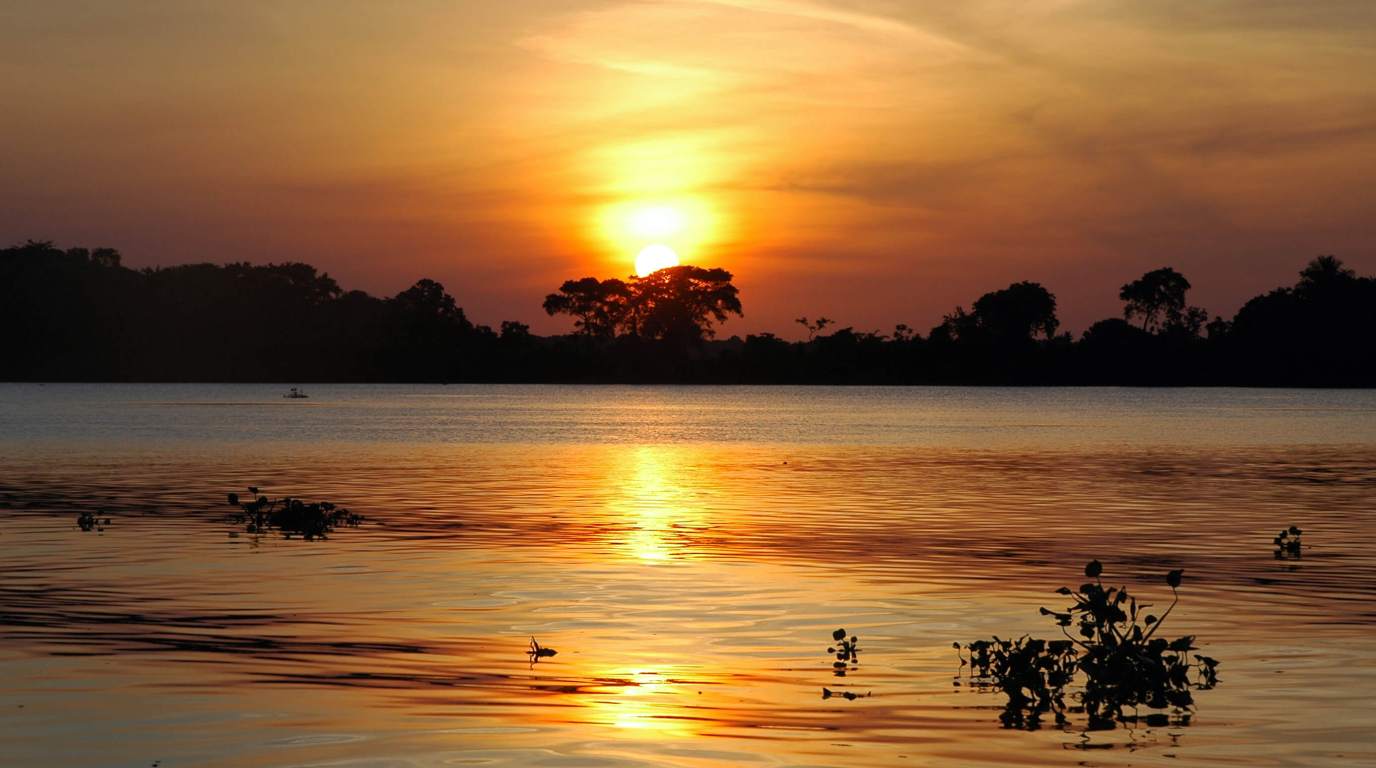
Open at sunset. Orinoco wetlands appear between forest patches. These flooded grasslands support fish, birds, and reptiles during seasonal floods.
Along the coast, Guianan mangroves dominate. These mangroves protect shorelines, filter sediment, and link river systems with the Atlantic. Together, these systems form one of the largest continuous swamp and mangrove landscapes in northern South America.
Our Orinoco Delta Travel Packages
Wildlife and Indigenous Culture at orinoco river
You experience a place where rich wildlife and daily human life depend on water, forest, and seasonal floods. The delta supports rare animals, while the Warao people maintain traditions shaped by rivers and wetlands. Protected areas now play a key role in keeping both nature and culture intact.
Diverse Fauna of the Delta
You encounter one of South America’s most varied wetland ecosystems. Mammals include jaguar, capybara, giant river otter, manatee, and howler monkeys. The giant river otter is often seen fishing in the quiet channels. You might also find the elusive bush dog hidden in the dense brush of the islands. In remote channels, you may spot the amazon river dolphin, along with caiman and the rare orinoco crocodile. The amazon river dolphin is known for its social behavior in these waters.
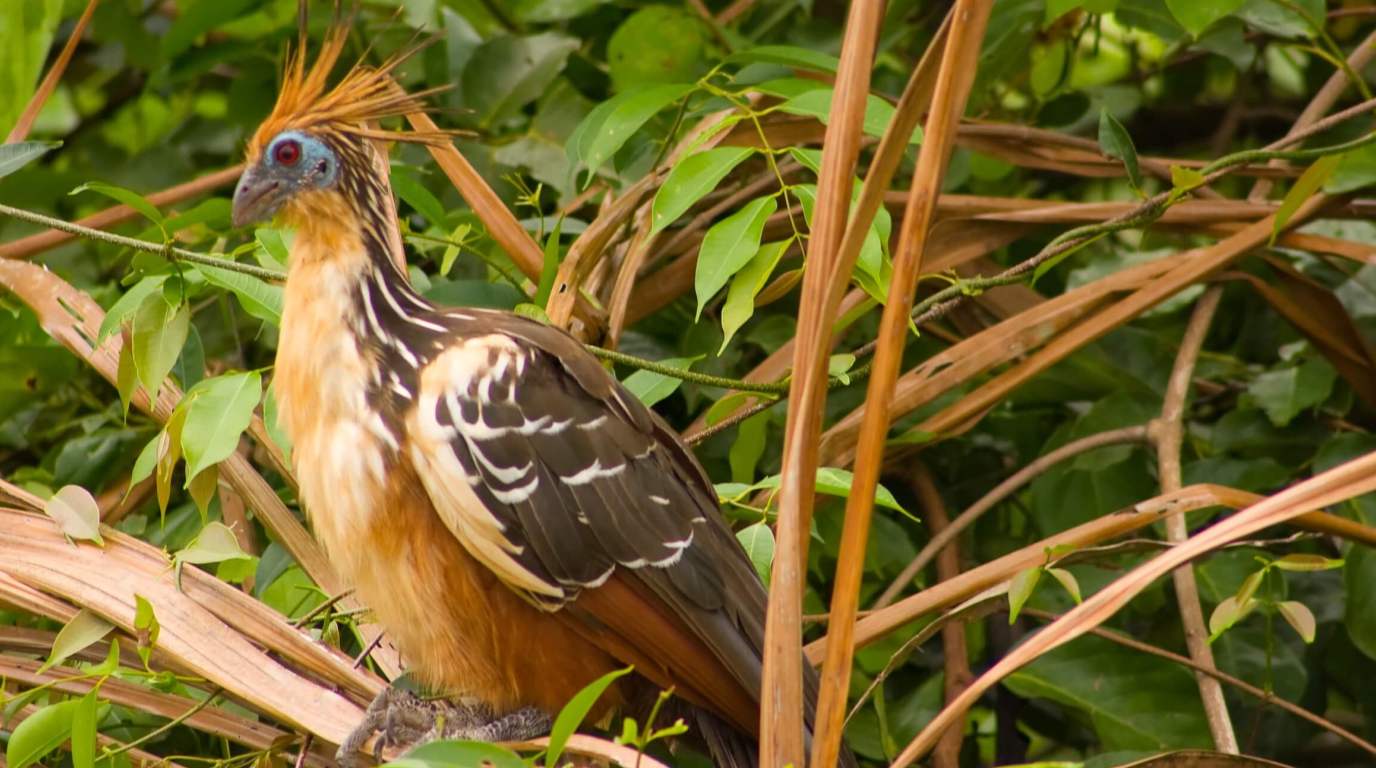
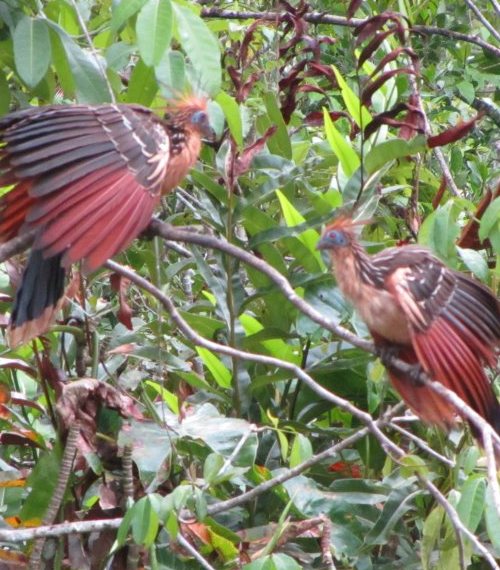
Birdlife stands out across the delta. You see macaws, parrots, toucans, hoatzin, and harpy eagle. Both toucans and the hoatzin are commonly found nesting in the forest canopy. Wetlands attract egrets, cormorants, kingfishers, orinoco goose, and many hawks and falcons. Smaller species include hummingbirds, weaverbirds, orioles can be seen flitting around the trees near the mouth of the Orinoco., and caciques.
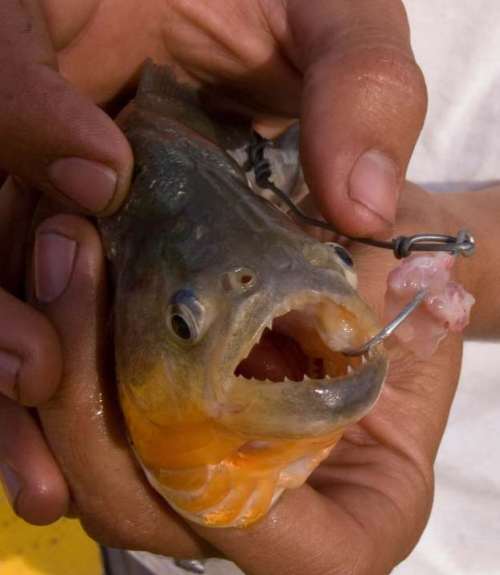
Rivers hold piranha swim near the banks of the Orinoco., catfish, stingrays, and turtles. Forests shelter anaconda, boas, fer-de-lance, coral snakes, and iguanas. The fer-de-lance belongs to the group of vipers that inhabit the forest floor. These vipers are well-camouflaged against the leaf litter and fallen trees in the ecoregion.
Warao People and Traditional Life
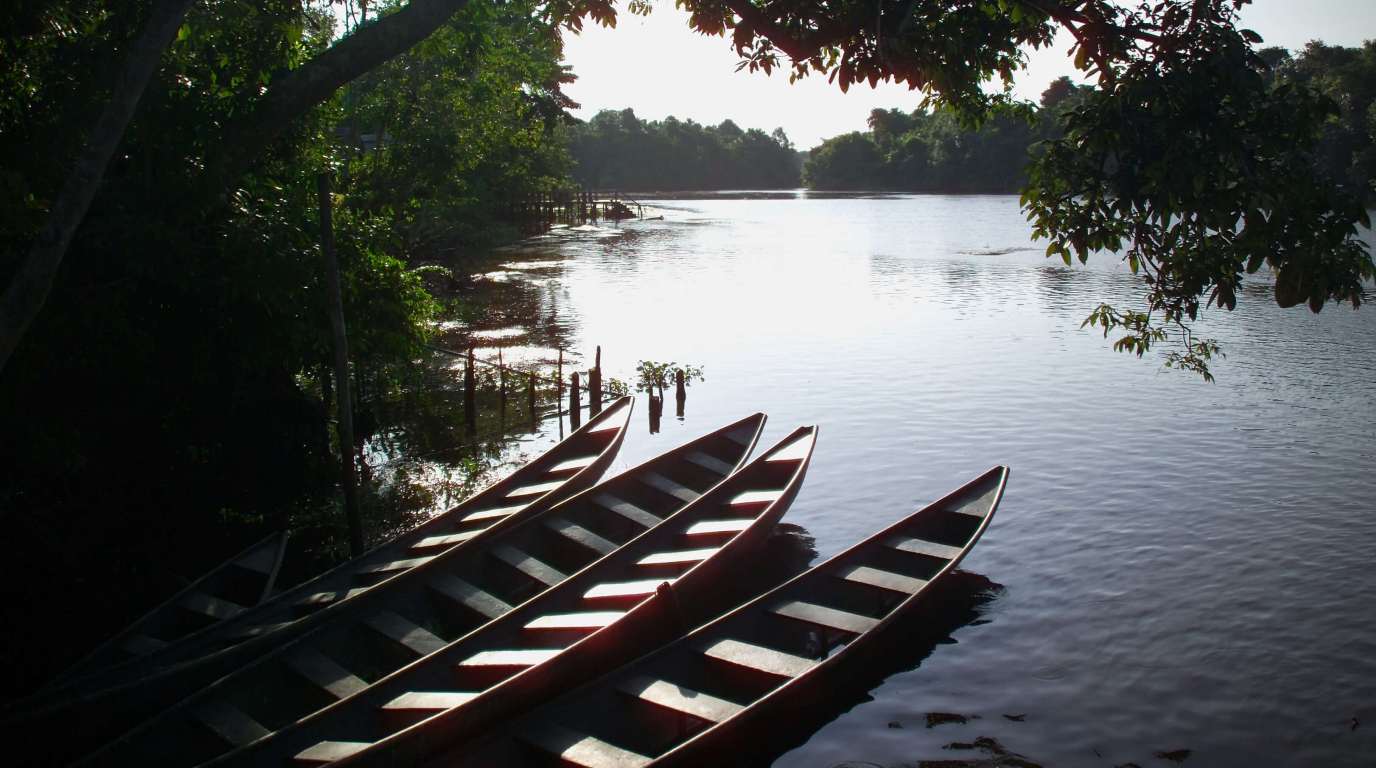
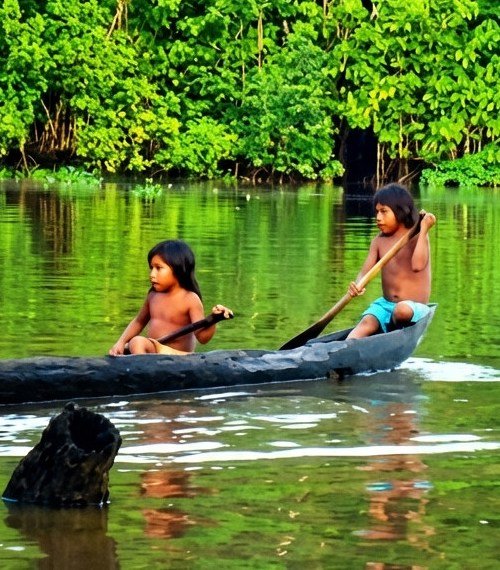
You meet the Warao people, often called “canoe people,” whose lives center on waterways. You travel by canoe through the Orinoco River Delta. canoe through narrow channels, just as Warao families have done for centuries. Many homes sit on stilts, known as palafitos, built to handle seasonal floods. These palafitos provide a safe living space above the fluctuating tides and river levels.
Daily life uses local materials. You see hammocks woven from plant fibers and roofs made from the moriche palm, a vital food and building resource. Fishing, gathering, and small-scale hunting support families without heavy land clearing.
You notice strong social ties and shared labor. The river shapes travel, trade, and storytelling, linking each community across the delta.
Protected Areas and Conservation
You benefit from conservation efforts that protect both wildlife and people. Delta del Orinoco National Park and Mariusa National Park safeguard wetlands, mangroves, and river forests. These areas help preserve habitats for dolphins, birds, reptiles, and large mammals.
Indigenous participation strengthens protection. Warao communities help monitor wildlife and manage fishing areas using traditional knowledge. This approach supports species like manatees and river dolphins while limiting overuse.
Pressure still exists from logging, including mahogany, and development near cities like Puerto Ordaz. Protected status helps reduce damage and keeps key ecosystems functioning.
Frequently Asked Questions about Orinoco Delta in Venezuela
You can find rich wildlife, strong cultural ties, and ongoing conservation work across the Orinoco Delta. Daily life, local income, and visitor access all connect closely to the river and its wetlands.
You can see river dolphins, manatees, capybaras, and several monkey species. These animals thrive throughout the wetlands of Delta Amacuro.
Crocodilians, including the Orinoco crocodile, live in the waterways, though sightings are rare.
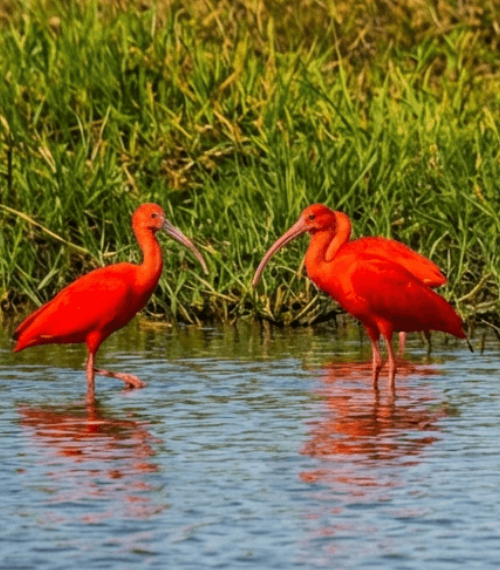
Birdlife stands out along the edge of the delta. You may spot scarlet ibis, herons, macaws, and many migratory birds that use the delta as a feeding ground.
You experience high species variety because freshwater rivers mix with tidal waters. This mix supports fish, plants, and animals from both river and coastal systems.
Compared to more developed deltas, you find fewer large cities here. That lower level of development helps many habitats stay intact.
You see fishing as a primary activity for local families. People catch fish and crabs for food and small-scale trade.
You also find limited tourism focused on guided river travel and wildlife viewing. Some communities earn income from crafts made with palm fibers and wood.
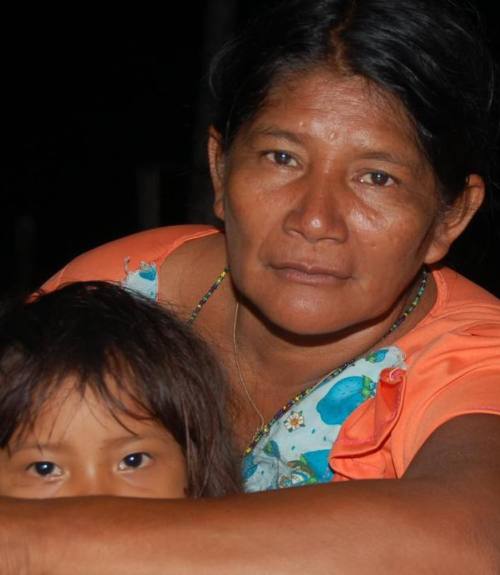
You see strong influence from the Warao people, who have lived here for centuries. They build homes on stilts and travel mainly by canoe.
Their knowledge shapes how land and water get used. You can notice fishing methods, food choices, and housing designs adapted to floods and tides.
You benefit from protected areas that aim to limit habitat loss. These areas focus on wetlands, mangroves, and key wildlife zones.
Researchers and local groups monitor species and water quality. Some programs also support indigenous land rights and sustainable resource use.
You should travel with licensed local guides who know the river and communities. They help reduce harm and support local income.
You need to respect wildlife by keeping distance and avoiding feeding animals. You should also follow local rules, limit waste, and ask before taking photos of people.