
The best Venezuela Beaches:
Our Top 18
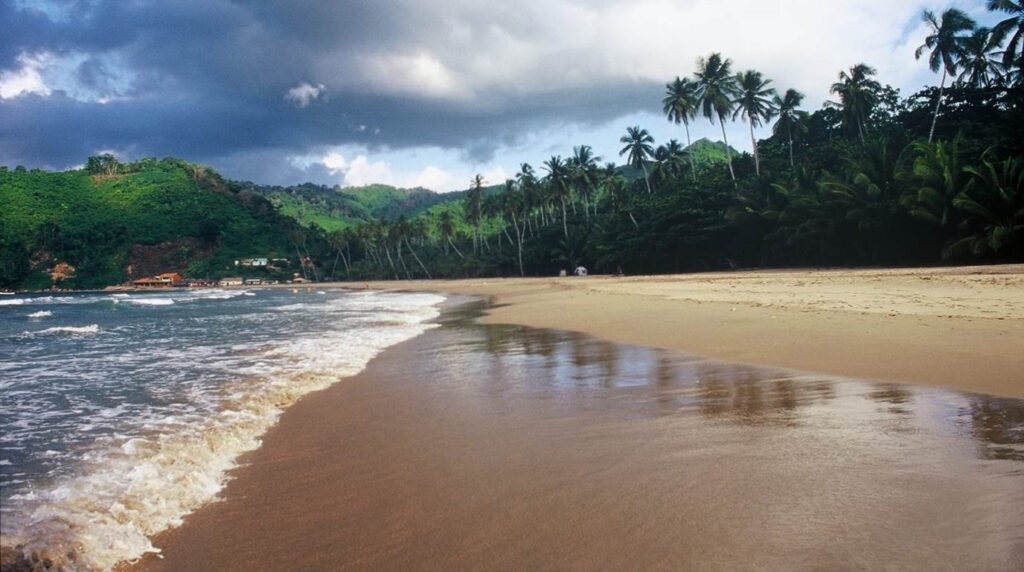
You can find some of the best beaches in Venezuela along its wide Caribbean coast and island chains. From quiet cays with crystal-clear water to long stretches of sand near lively towns, you have many strong options for a beach trip.
Discover Venezuela’s top beaches for turquoise water, soft sand, and breathtaking island scenery with Venezuela Nature. This guide highlights the beautiful beaches in venezuela, best coastal spots, national parks, and islands, helping you choose the perfect beach for your next adventure in coast of venezuela.
| Beach / Location | Access & Logistics | Waves & Activities | Services & Mobile Signal | Pro Tip (Unique Feature) | Must-Try Local Food | Best Time to Visit |
|---|---|---|---|---|---|---|
| Los Roques Archipelago | Flight from Caracas + boat from Gran Roque | Very calm; snorkeling, kayaking | Guesthouses; limited signal on outer cays | 350+ pristine coral cays | Fresh grilled lobster | December – April |
| Cayo Sombrero (Morrocoy) | Boat from Tucacas | Calm; family-friendly | Basic vendors; weak signal | Two beaches on one cay | Seafood cocktail | January – September |
| Playa El Agua (Margarita) | Road access; hotel zone | Moderate; swimming | Full services; strong signal | 4 km palm-lined beach | Fried red snapper | December – April |
| Playa Parguito | Road access | Strong waves; surfing | Surf schools; basic services | Top surf spot in Venezuela | Shark empanadas | Nov – April (best waves) |
| Playa Medina (Sucre) | Road from Río Caribe | Calm; relaxing | Food stalls; limited signal | Curved bay with palm trees | Fresh fish & arepas | January – April |
| Playa Blanca (Mochima) | Boat from Puerto La Cruz | Very calm; snorkeling | Basic; weak signal | White sand in national park | Plantains & fresh cheese | December – May |
| Playa Las Maritas | Boat from Mochima | Shallow & gentle | Limited; bring supplies | Perfect for kids | Packed picnic & local snacks | December – May |
| Playa La Piscina | Boat near Arapo Island | Natural pool; snorkeling | No major services | Coral barrier forms calm lagoon | Bring your own snacks | December – May |
| Playa Choroní | Road via Henri Pittier | Moderate; swimming | Restaurants; good town signal | Beach + rainforest backdrop | Cacao products | December – April |
| Playa Manare | Boat from Mochima | Calm; swimming | Very limited | Quiet and less crowded | Local grilled fish | December – May |
| La Restinga Beach | Road access (Margarita) | Can be strong; swimming with caution | Basic cafés | Mangrove lagoon + ocean beach | Grilled seafood | December – April |
| Playa El Yaque | Near Margarita airport | Steady wind; windsurf & kitesurf | Hotels & rentals; good signal | World-class wind conditions | Beachfront seafood platters | January – July |
| Playa Colorada | Road (Troncal 9) | Gentle; snorkeling | Basic services | Reddish-golden sand | Local fish dishes | December – May |
| Playa Cayo de Agua | Boat within Los Roques | Very calm; snorkeling | No services | Stunning sandbar connection | Packed island lunch | December – April |
| Playa Pui Puy | Road near Carúpano | Calm; relaxing | Limited services | Wide palm-lined shoreline | Fresh local seafood | January – April |
| Playa Morrocoy | Boat from Tucacas | Calm; snorkeling | Varies by cay | Mangroves & coral reefs | Seafood rice | January – September |
| Playa Pescador | Road access (Troncal 9) | Calm when conditions allow | Very limited | Authentic fishing village vibe | Fresh daily catch | January – April |
| Playa Manzanillo (Margarita) | Road access | Gentle; swimming | Local restaurants | Colorful fishing boats | Grilled fish by the shore | December – April |
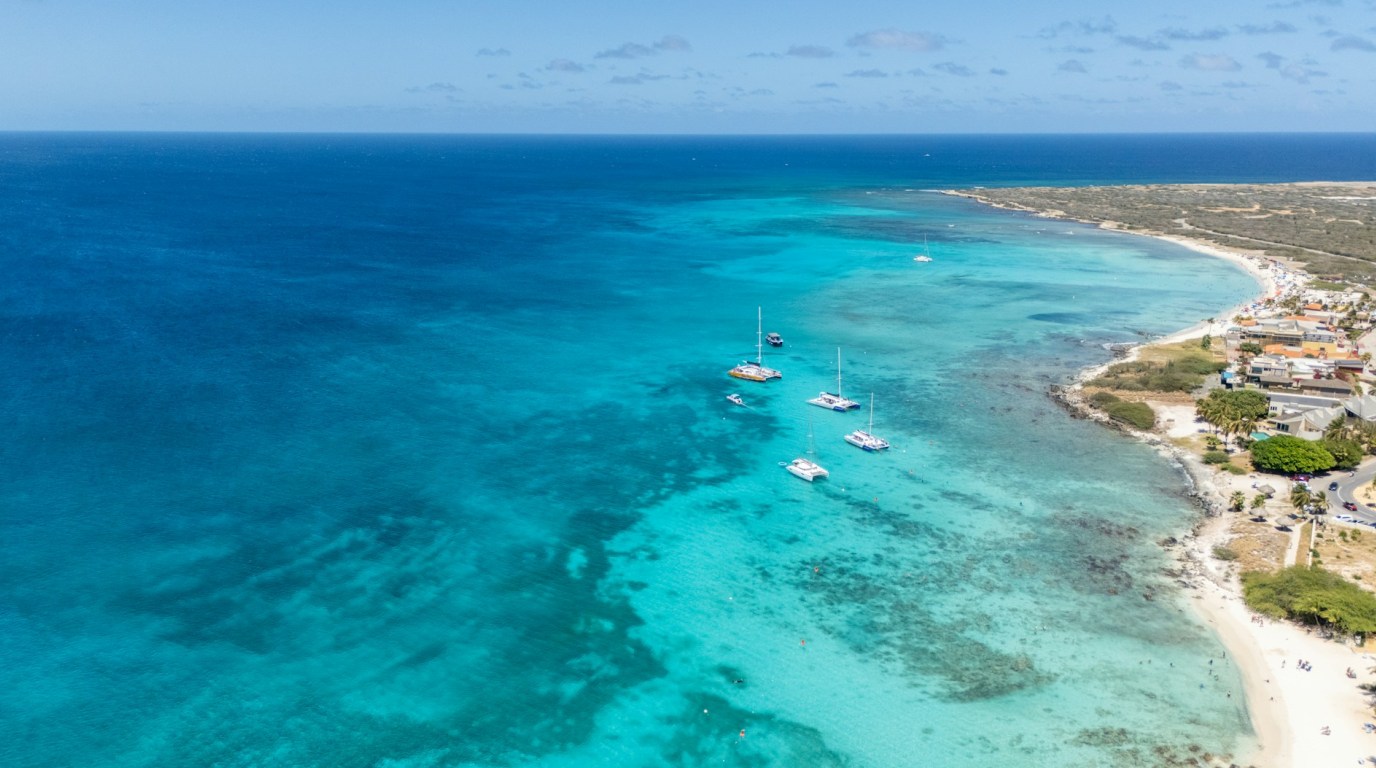
1) Los Roques Archipelago
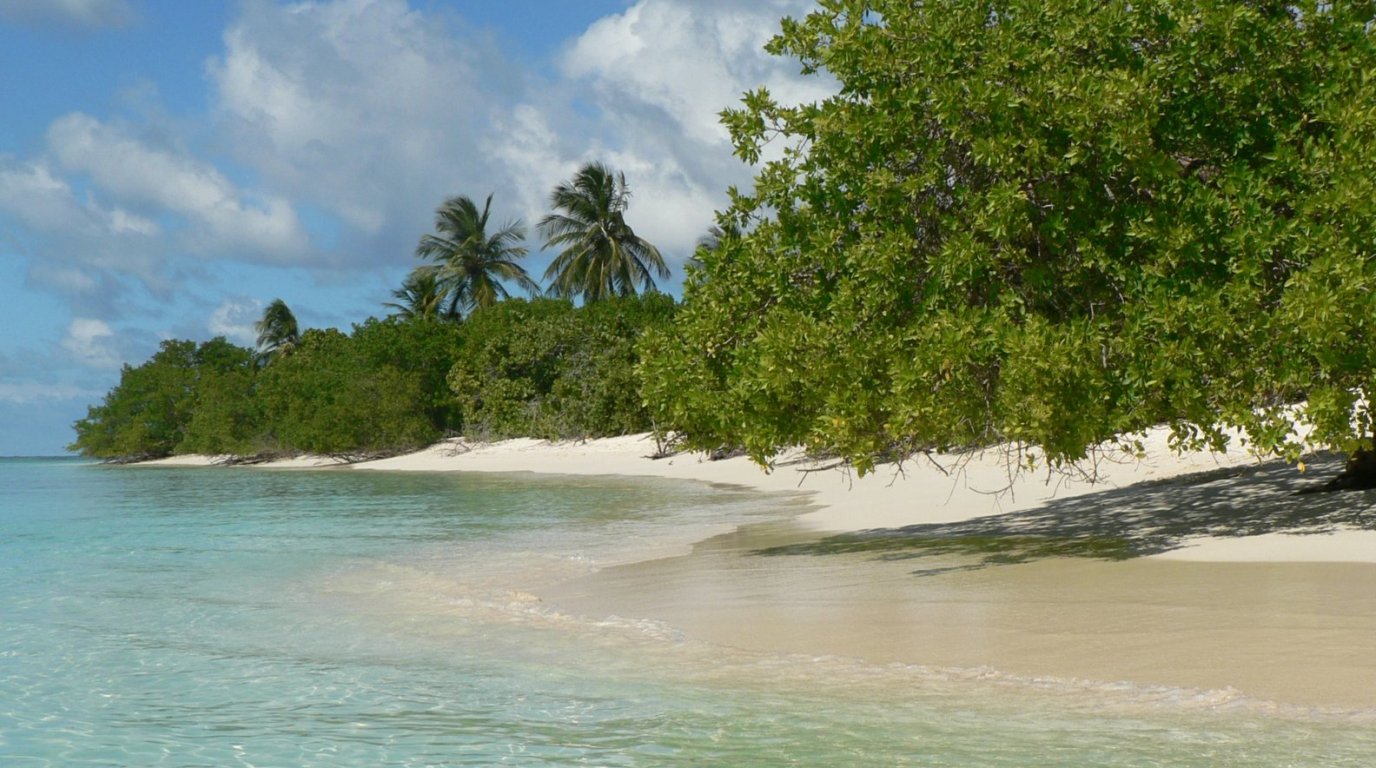
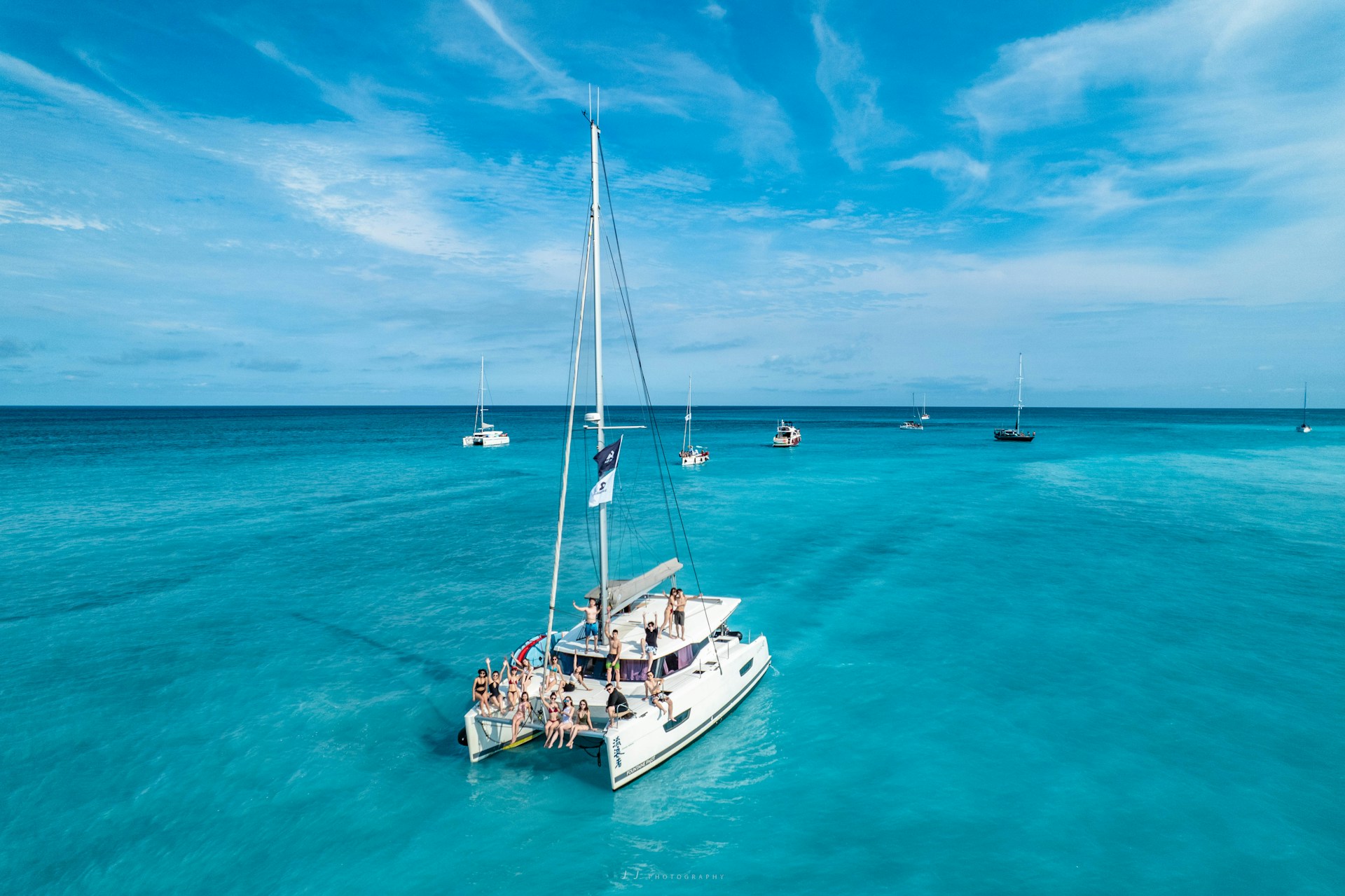
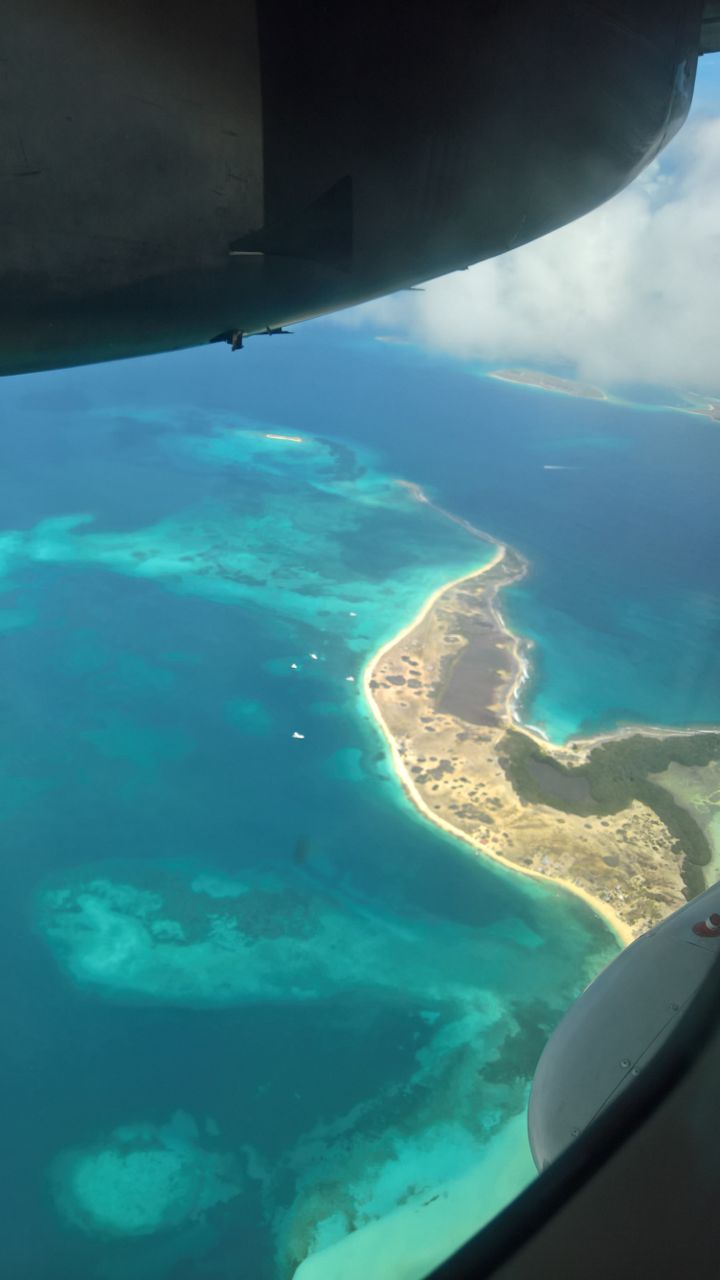
Located about 80 miles north of mainland Venezuela, Los Roques Archipelago is a national park with around 350 islands and cays in pristine, shallow water. This world-famous beach destination offers white sandbank, flat turquoise water, and steady sun year-round.It’s definitely a paradise.
Most beaches are reached by small boat from Gran Roque, the main village. Cayo Madrisquí is known for shallow water, while Cayo de Agua features stunning sandbars and Noronquí offers excellent snorkeling among coral reefs and tropical fish.
Swim, snorkel, kayak, or simply relax on the sand. The crystal clear waters makes marine life easy to spot, and limited development ensures a peaceful setting. For seamless travel tips, trusted guides, and exclusive island tours, visit Venezuela Nature and plan your Los Roques escape.
Our Sabana Travel Packages
2) Cayo Sombrero Beach
Inside Morrocoy National Park in Falcón state, Cayo Sombrero is one of the most visited islands. Reachable by boat from Tucacas or Chichiriviche, it features two main beaches: Playa Norte and Playa Sur.
Both offer clear, shallow water perfect for swimming, with palm trees lining the shore for natural shade. The light, soft sand and calm water make it ideal for families.
Snorkel near the coral areas and spot colorful fish close to shore. For fewer crowds, visit on weekdays or early mornings. Services are basic, so bring essentials, but local vendors offer simple food and drinks.
3) Isla de Margarita Beaches
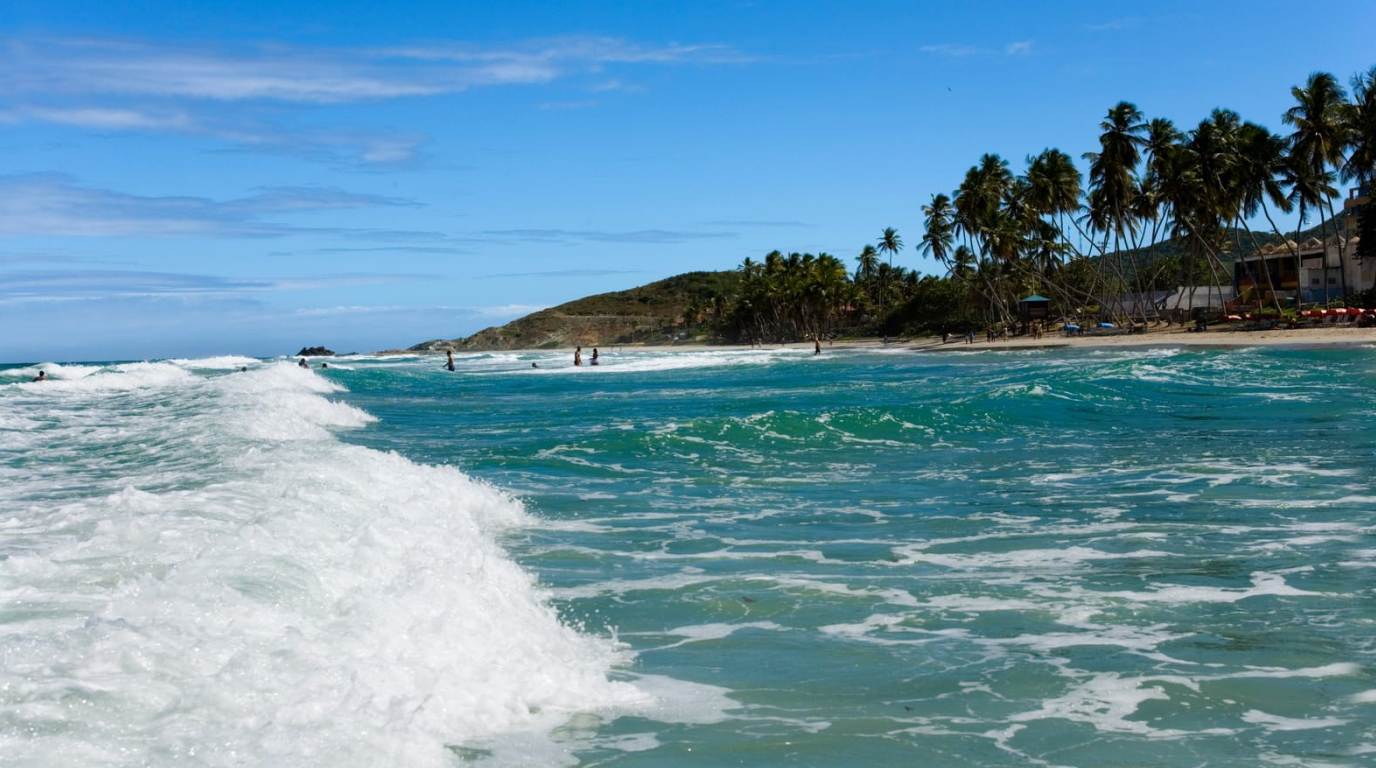
Isla de Margarita, off Venezuela’s northeast coast, is home to some of the country’s most popular beaches. Each beach offers a unique atmosphere, from lively stretches with amenities to peaceful retreats.
Playa El Agua is a favorite for its long sandy strip lined with restaurants and vendors. The water is usually calm enough for swimming, and umbrellas are available for rent.
For surfers, Playa Parguito is the go-to spot with steady waves and a vibrant surf scene. Playa El Yaque, near the airport, is famous for windsurfing and kitesurfing, thanks to its steady winds and shallow waters.
Quieter beaches like Playa Caribe and Playa La Galera provide clear water and fewer crowds. Whether you seek action or tranquility, Margarita has the perfect beach for you.
4) Playa Medina
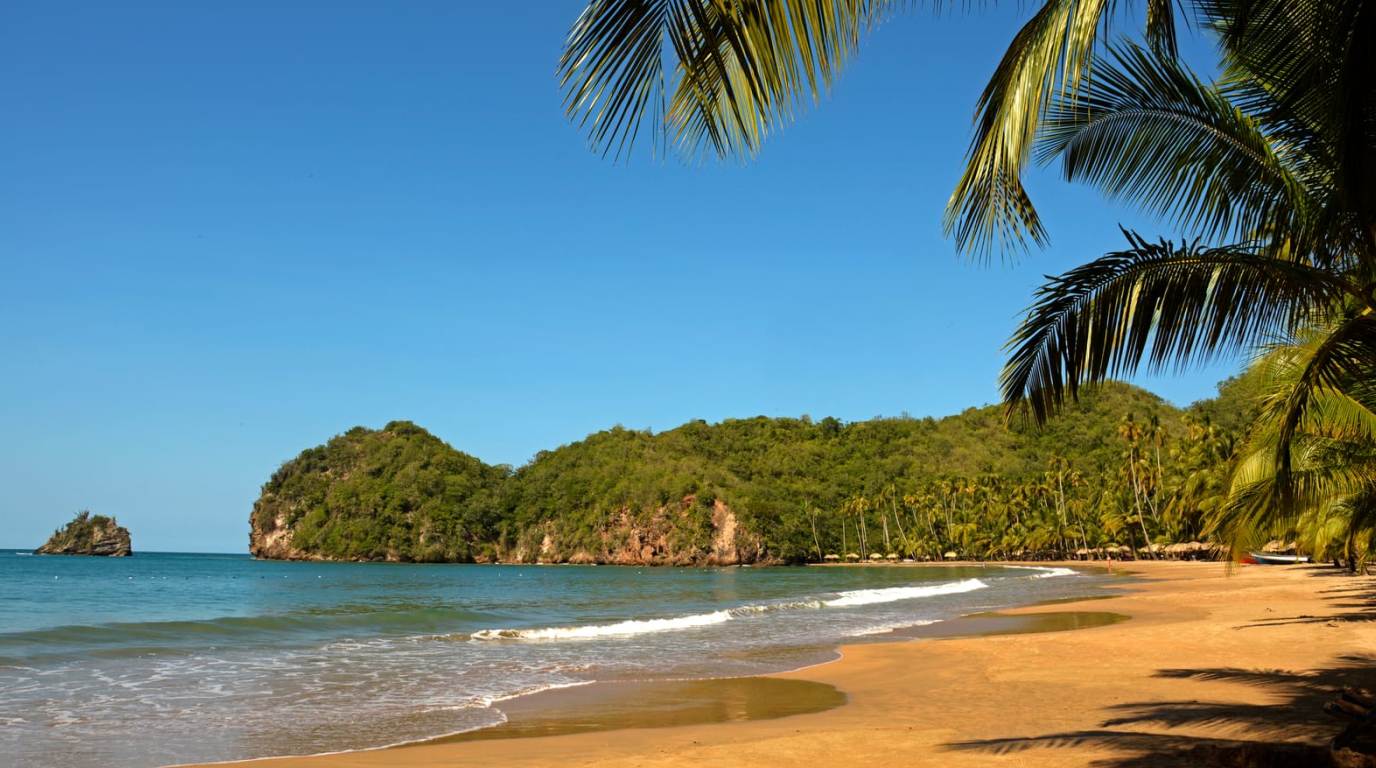
Playa Medina lies on Venezuela’s Caribbean coast in Sucre state, about an hour from Rio Caribe. The beach curves along a bay, surrounded by mountains and lush tropical plants.
Calm, clear water and a west-facing bay reduce strong waves, making swimming easy. Tall palm trees provide natural shade, and the setting feels remote and peaceful.
On weekends and peak season, locals gather to relax and swim. Basic services like food stalls and parking are nearby. For a scenic, laid-back beach experience, Playa Medina is a top choice.
5) Playa Blanca (Mochima)
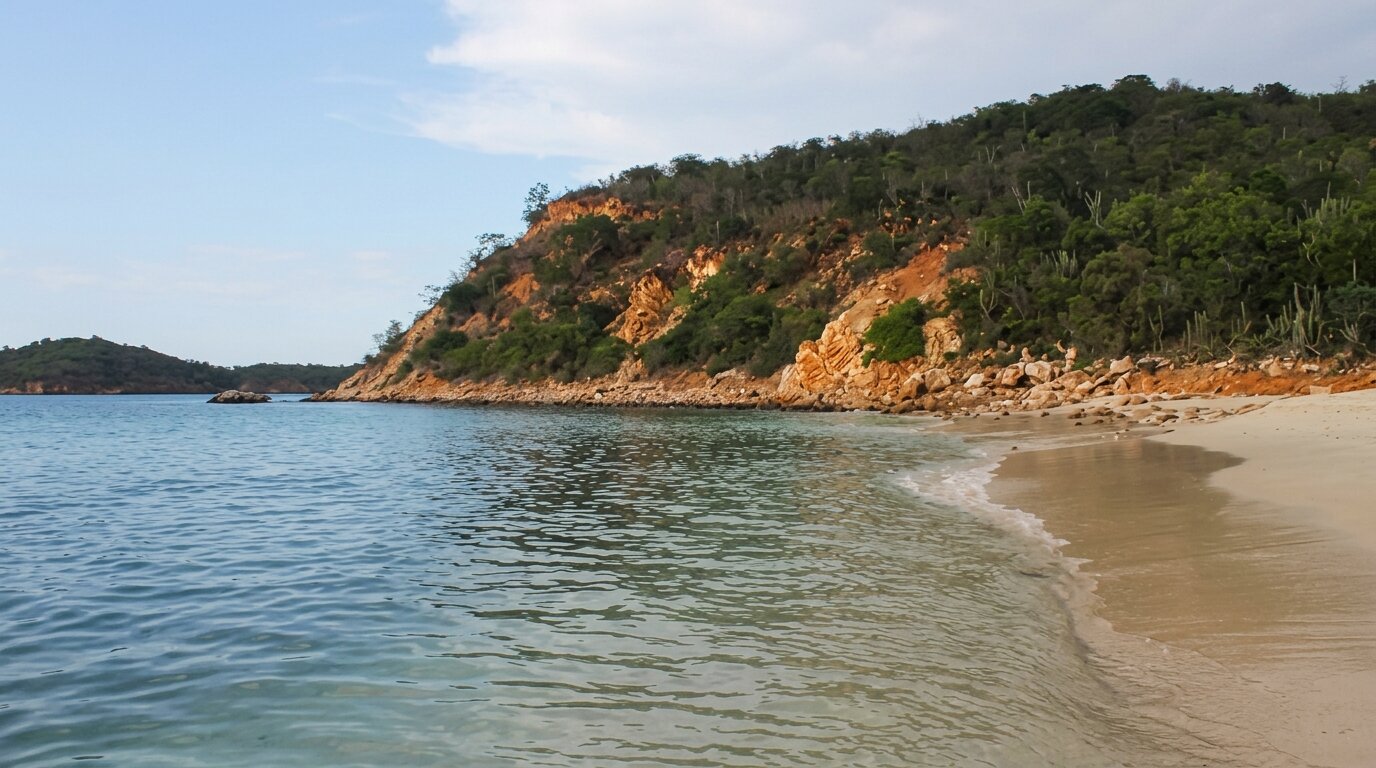
Playa Blanca is located in Mochima National Park between Sucre and Anzoátegui states, accessible by boat from Puerto La Cruz or Cumaná. The soft white sand and calm, clear water make it perfect for families.
Snorkel along rocky areas to spot small fish, or join boat tours around the park’s islands and bays. The beach is surrounded by low hills and lush vegetation, offering a blend of forest and marine life.
For a quiet beach with natural beauty, Playa Blanca is ideal. Plan your Mochima adventure with Venezuela Nature for guided tours and wildlife encounters.
6) Playa Las Maritas
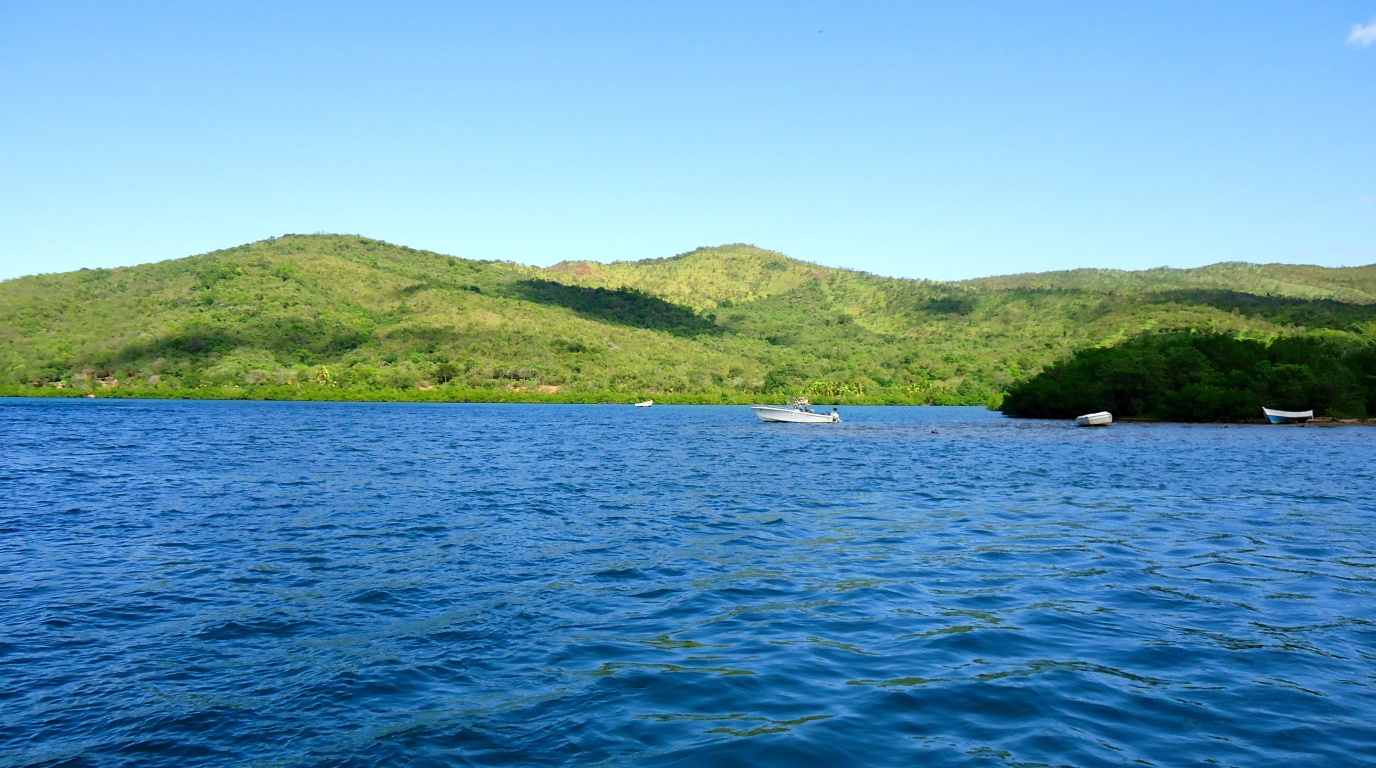
Playa Las Maritas, also in Mochima National Park, is known for its tranquil atmosphere and shallow, gentle waters. It’s a favorite for families and casual swimmers.
The clear water is great for easy snorkeling, and the sandy shore slopes gradually into the sea. Most visits are day trips, so bring your own supplies for a relaxing escape.
7) Playa La Piscina (Mochima)
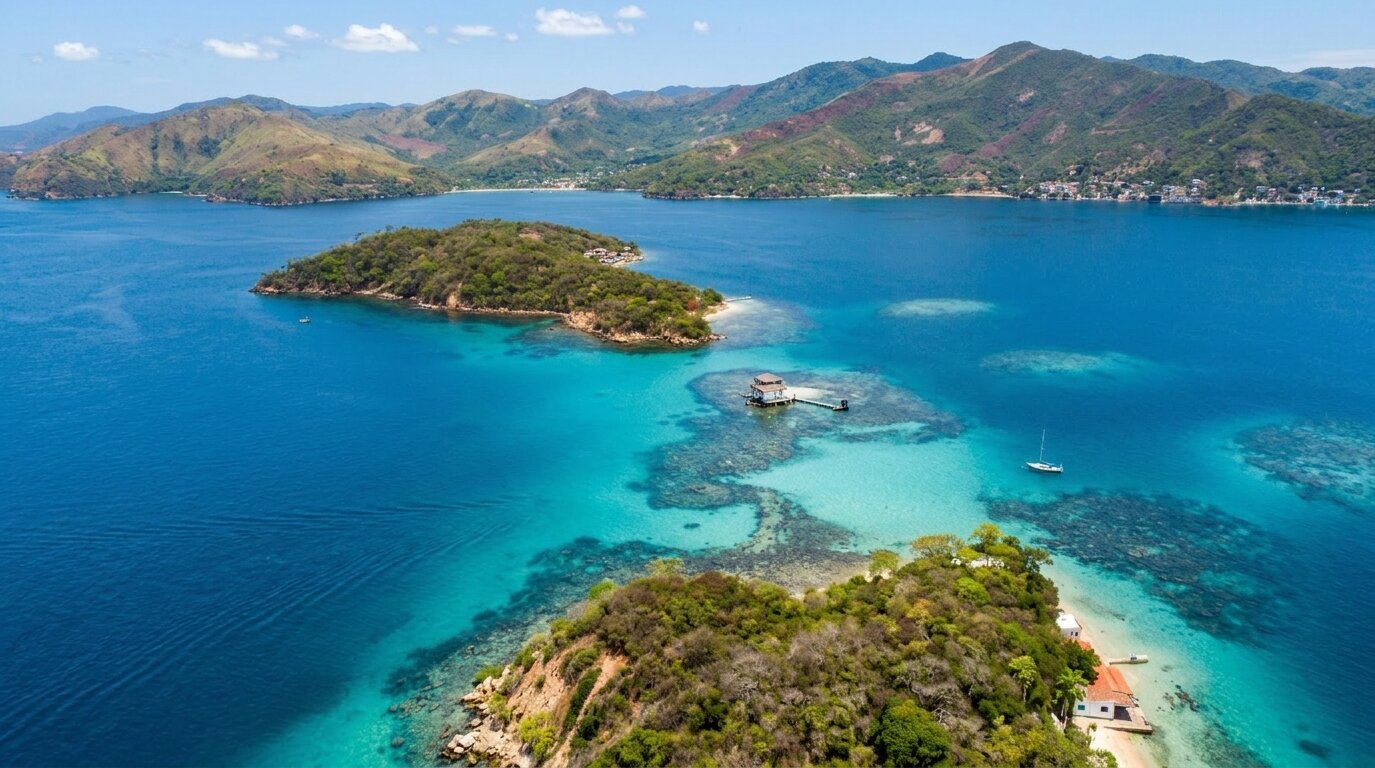
Playa La Piscina is a natural pool within Mochima National Park, near Arapo Island. A coral formation between two small islands creates calm, blue water that feels like a giant swimming pool.
Arrive by boat from nearby towns and enjoy swimming and snorkeling among colorful fish. The protected status ensures a pristine environment, so remember to respect nature during your visit.
For a safe, serene beach day, La Piscina is hard to beat.
8) Playa El Agua
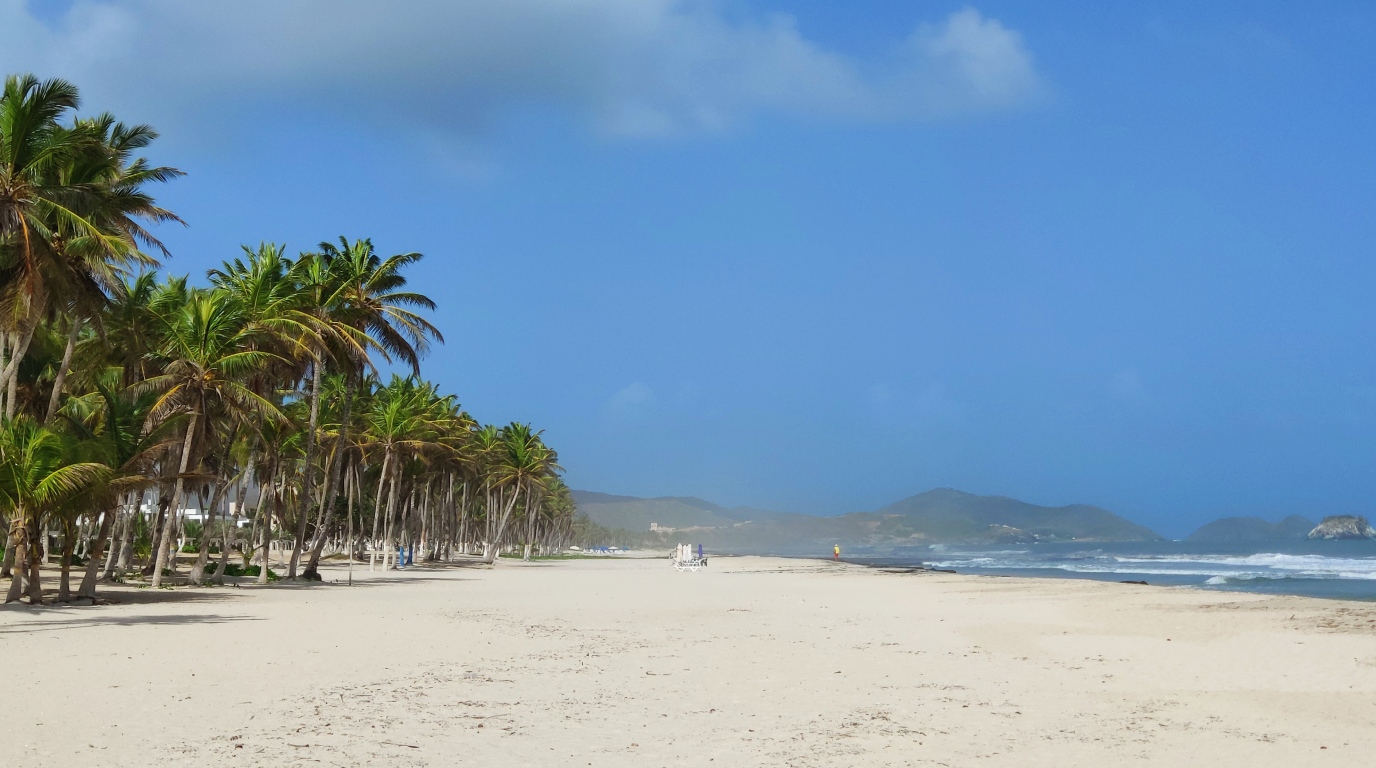
On the north coast of Margarita Island, Playa El Agua is a 4-kilometer stretch of golden sand. It’s famous for its accessibility, natural shade from palm trees, and vibrant beach life.
Swim, surf, or try water sports, then enjoy fresh seafood at beachfront restaurants. Visit during the dry season (December to April) for the best weather.
9) Parguito Beach
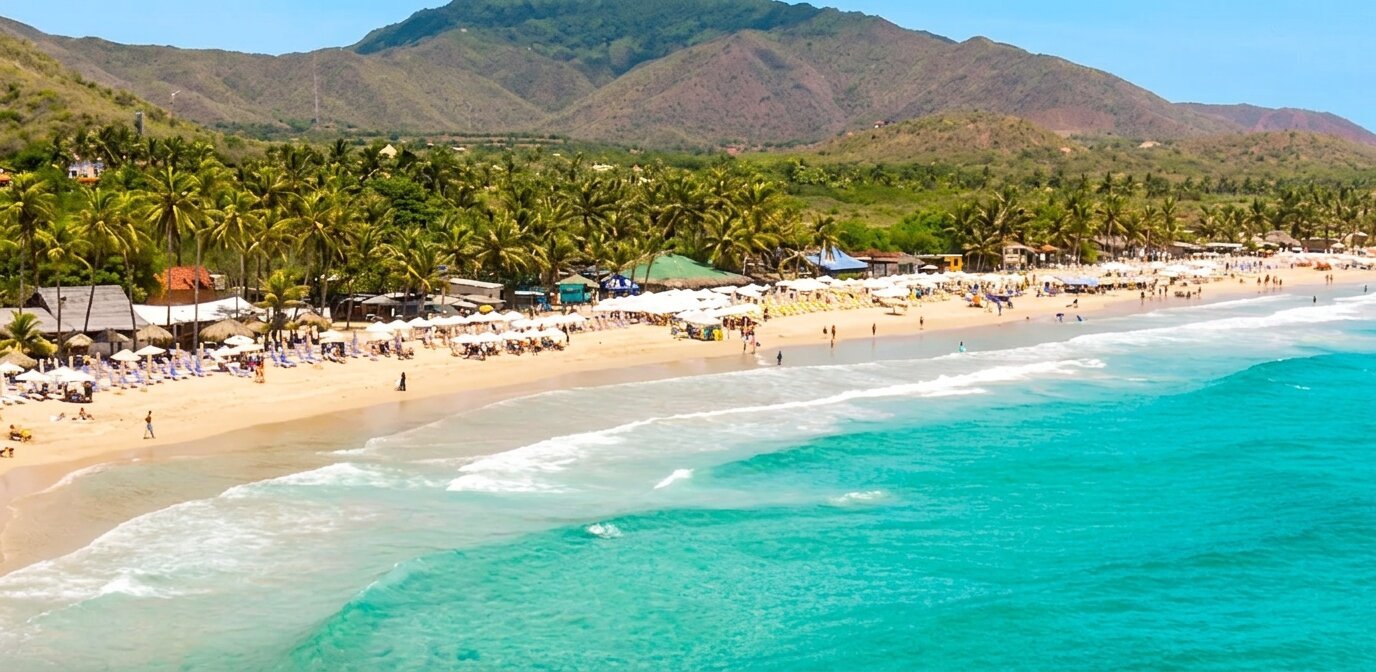
Parguito Beach, on Margarita’s eastern coast, is a hotspot for surfers thanks to its strong waves and white sand. The lively atmosphere attracts both locals and travelers year-round.
Swim with care, as the water can be rough at times. Basic services and beach vendors provide refreshments, making Parguito a fun mix of action and relaxation.
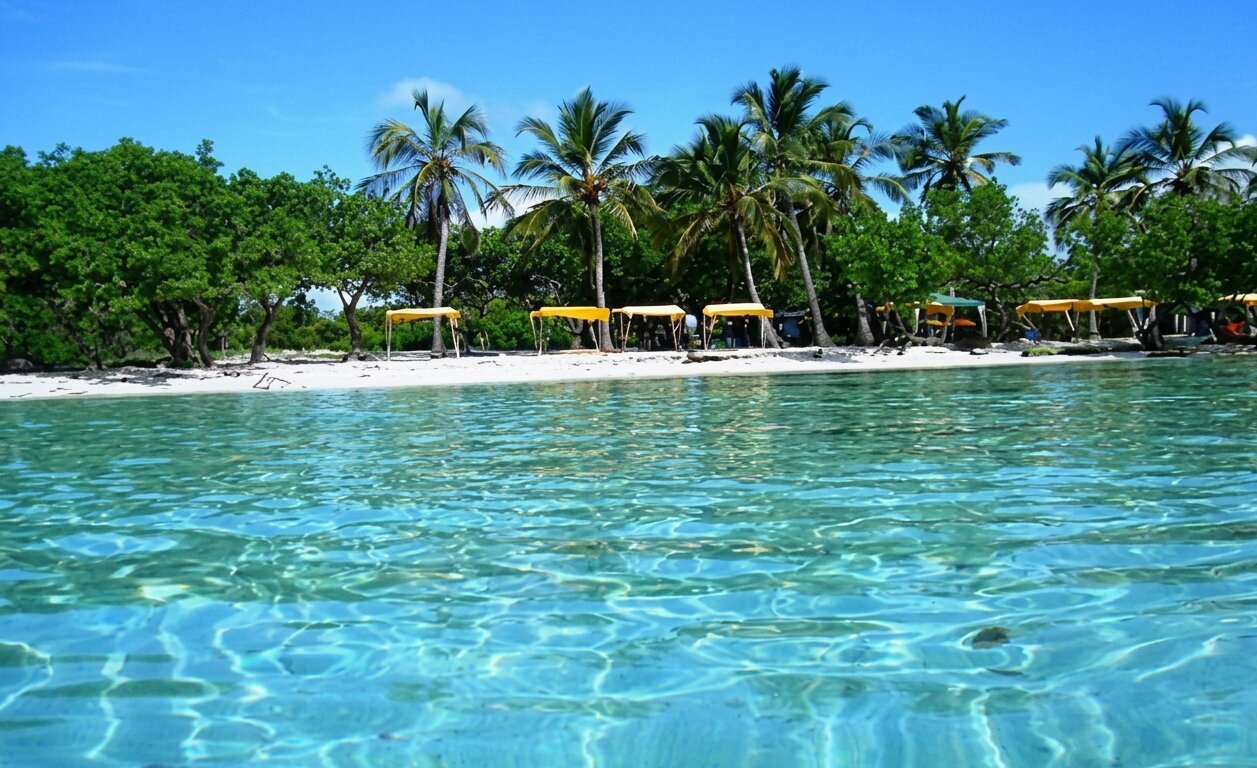
10) Playa Morrocoy
Playa Morrocoy is set within Morrocoy National Park in Falcón state, known for its clear water, white sand, and tranquil setting. Reach the beaches by boat from Tucacas or Chichiriviche, and enjoy views of the coast and mangroves.
Swim, float, or snorkel near coral reefs and seagrass beds. Facilities vary, so bring essentials for a comfortable day. For the best Morrocoy experience, trust Venezuela Nature for guided trips and insider tips.
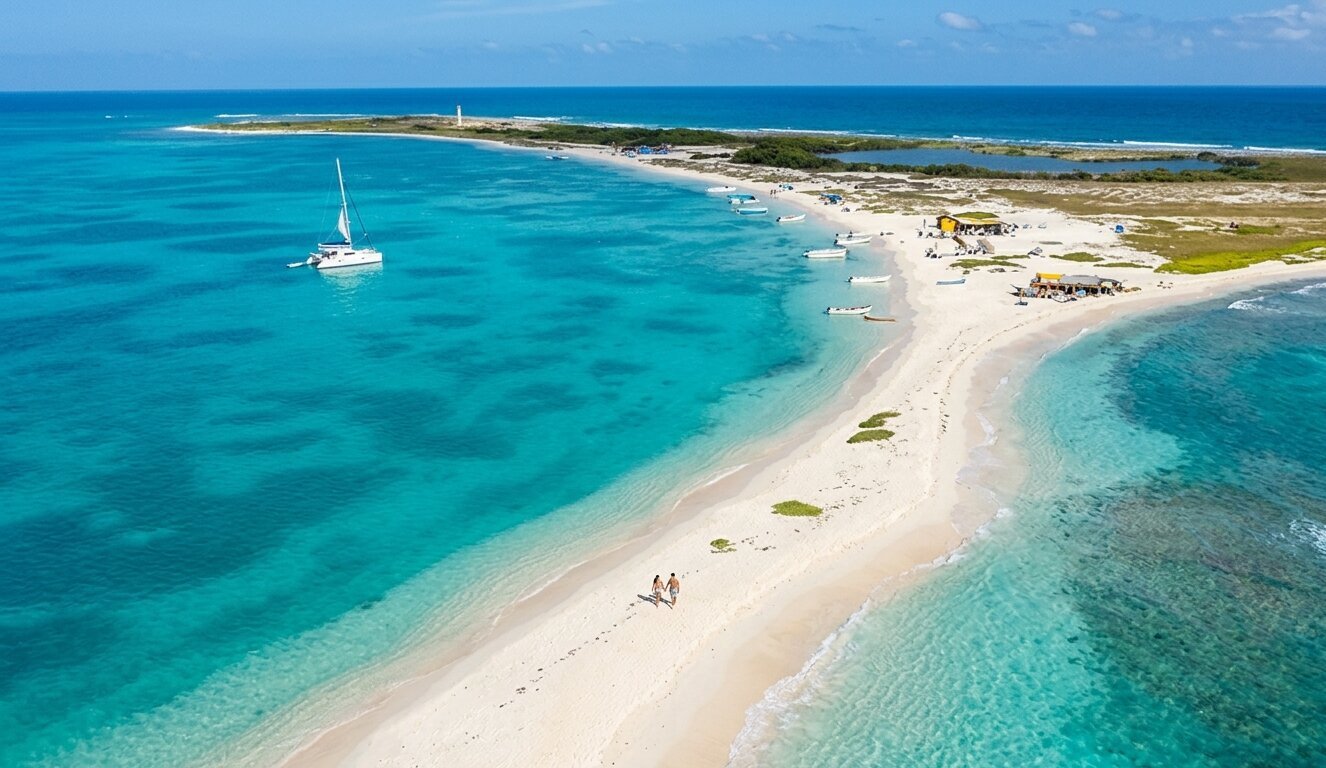
11) Playa Cayo de Agua
Playa Cayo de Agua, in Los Roques National Park, is a remote cay with wide stretches of white sand and shallow turquoise water. A long sandbar connects sections of the island, perfect for exploring on foot.
Snorkel near coral reefs and spot tropical fish in the clear water. Services are minimal, so bring sun protection and water. For a pristine, secluded beach day, Cayo de Agua is unmatched.
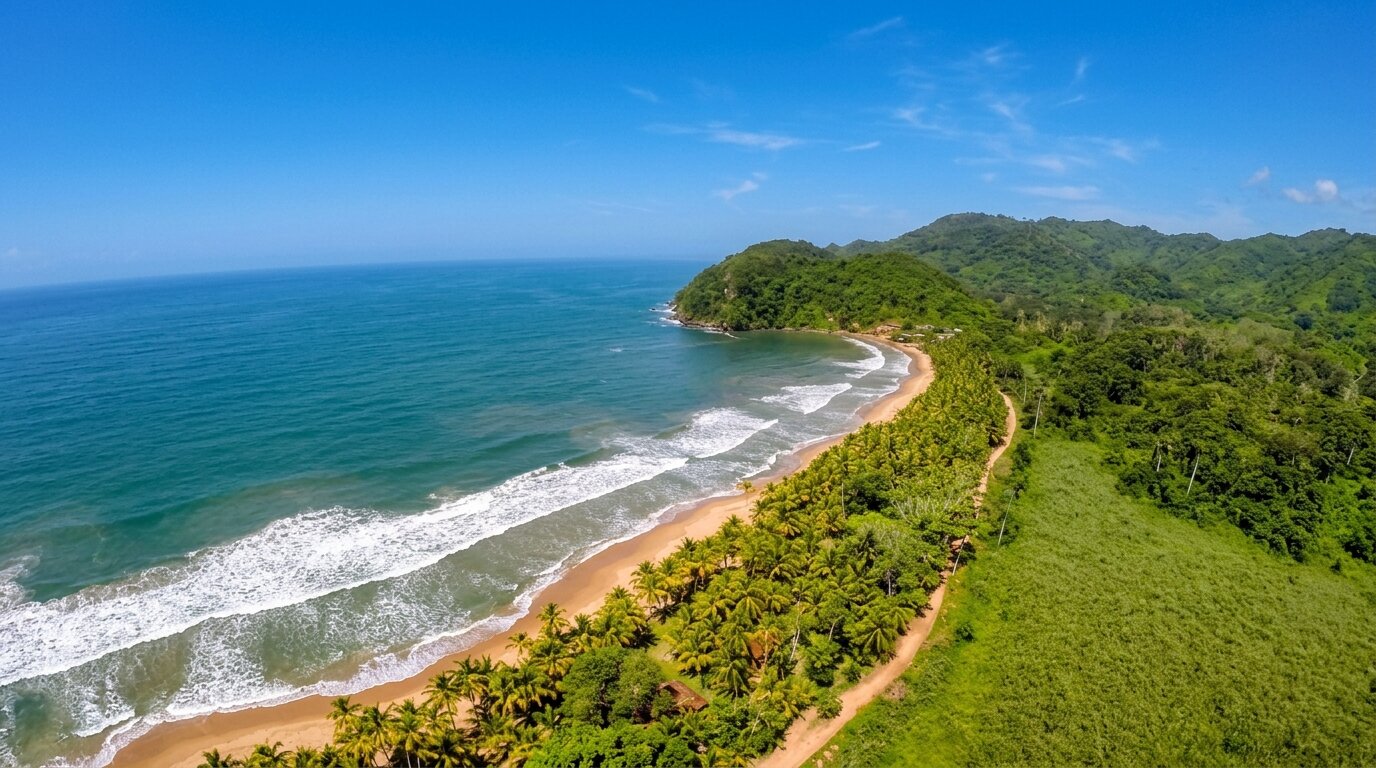
12) Playa Pui Puy
Playa Pui Puy, on the Paria Peninsula in Sucre state, is a peaceful beach near Carúpano known for its natural beauty. The wide curve of palm-lined sand and clear, calm water create a relaxing atmosphere.
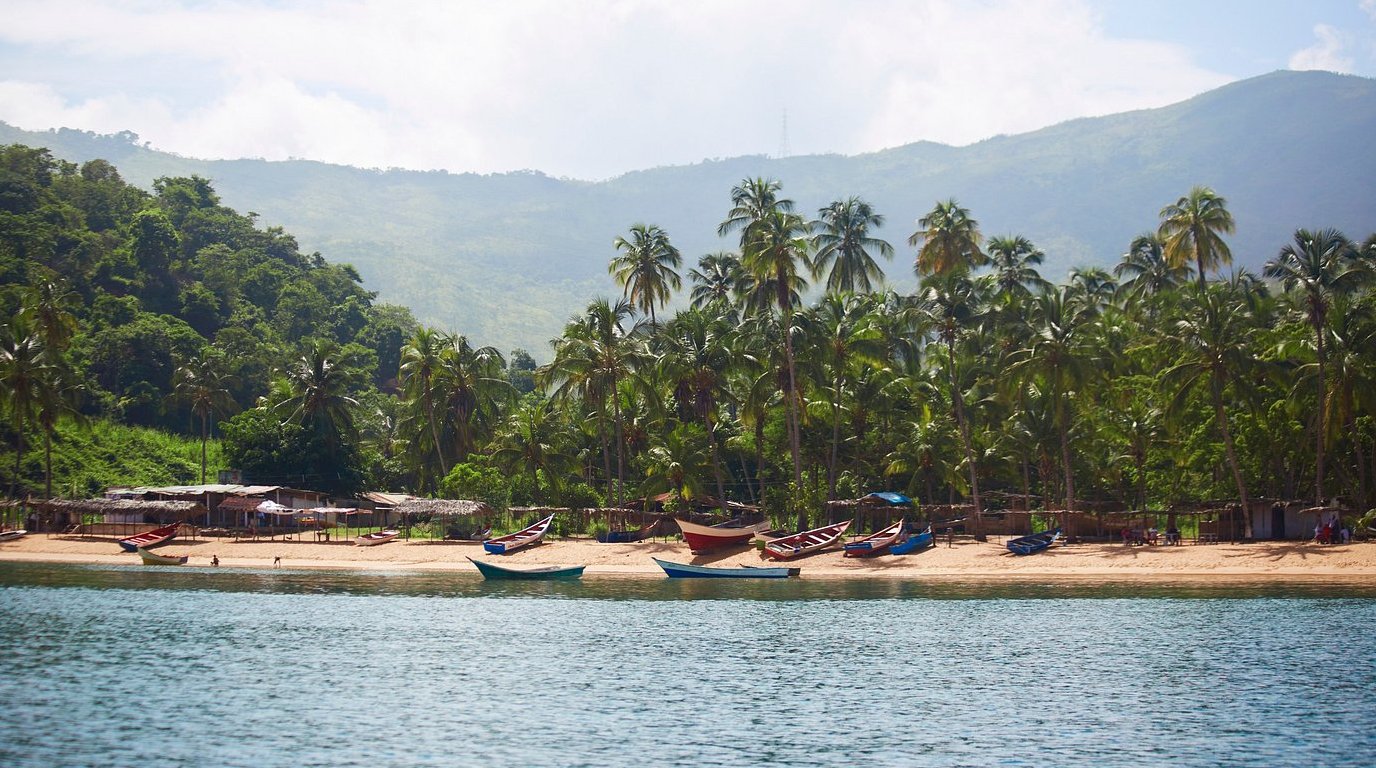
Reachable by road, it’s less crowded than major tourist hubs. Enjoy a simple, authentic beach experience with local fishing boats dotting the shore.
For personalized travel planning and nature tours in Paria ask us.
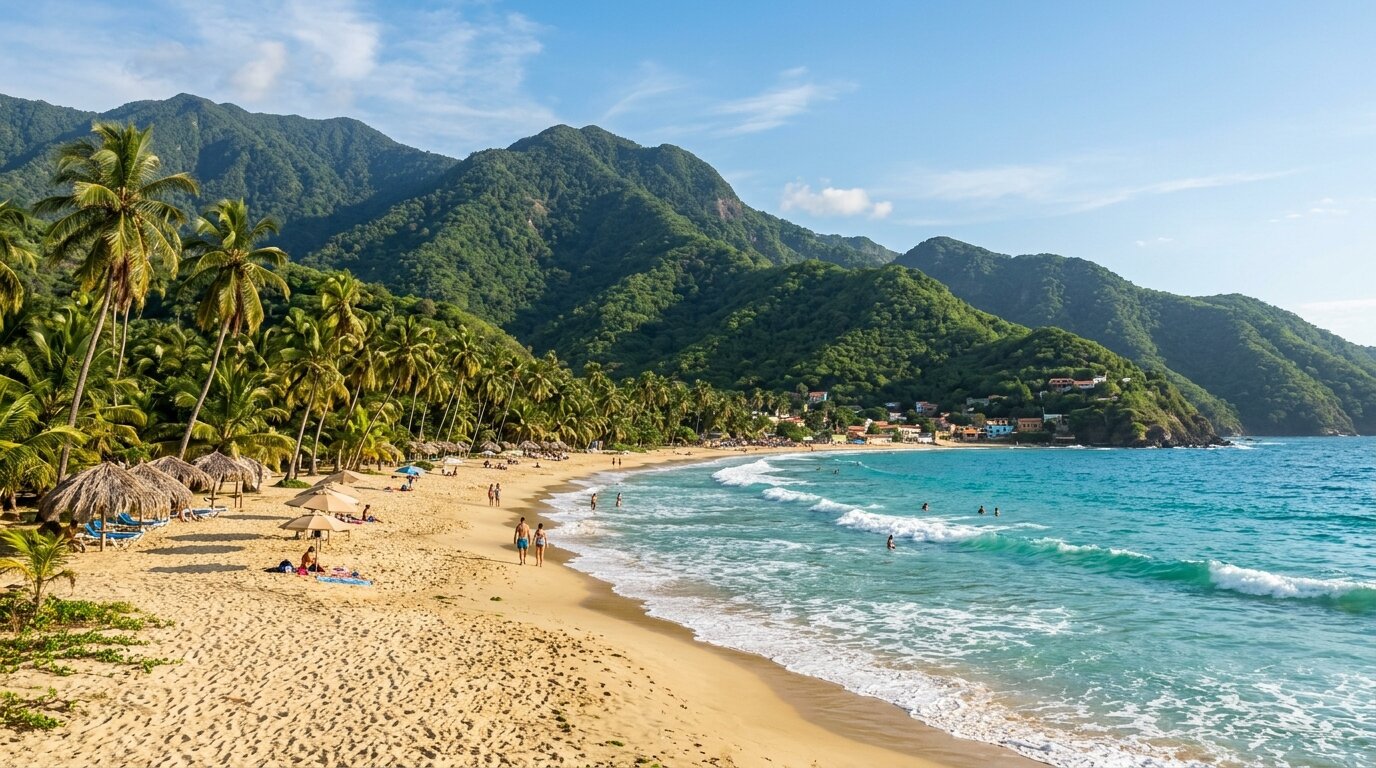
13) Playa Choroni
You will find Playa Choroni on Venezuela’s central coast in Aragua state, near Henri Pittier National Park. The beach sits close to the town of Choroni and the fishing village of Puerto Colombia.
Mountains and rainforest surround the area, giving the coast a lush green backdrop. You can expect warm weather most of the year.
The dry season, from December to April, brings steady sun and average temperatures near 80°F (27°C). The sea stays warm, often around 82°F (28°C), making swimming comfortable.
The beach offers soft sand and clear water. You can swim, relax under palm trees, or try light water sports when conditions allow.
Small boats often line the shore, and local guides can take you to nearby beaches. When you step away from the sand, you can explore the town’s colonial-style buildings and quiet plaza.
You may also visit nearby coffee, cacao, or banana farms. This mix of beach and countryside creates a unique experience for visitors.
14) Playa Manare
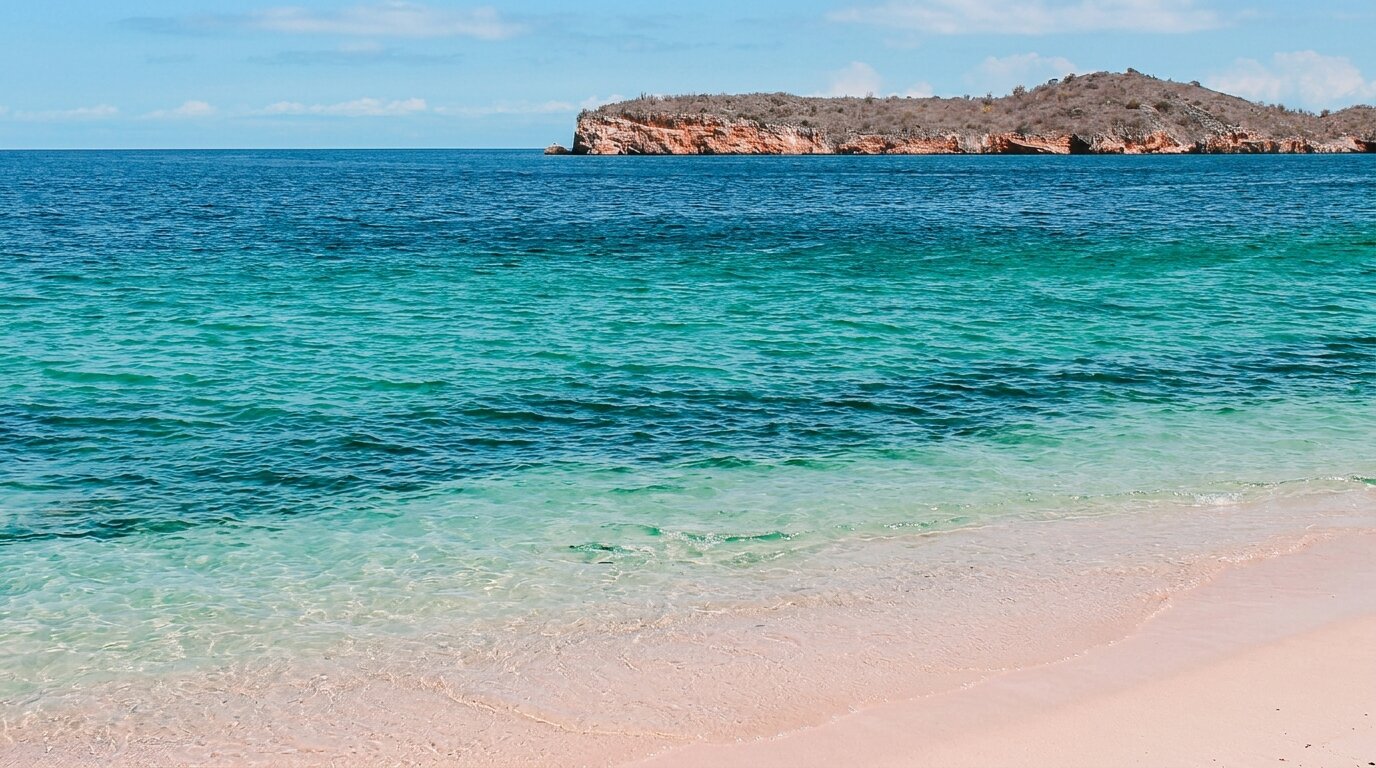
You reach Playa Manare by boat from Mochima in Sucre state. The ride usually takes about 20 to 30 minutes and adds to the adventure.
You find calm, clear water and soft sand framed by green hills. The beach sits inside Mochima National Park, offering a protected and natural setting.
The sea often stays gentle, making it suitable for swimming and floating near the shore. You can spend your time relaxing under the sun or exploring the shallow water with a mask and snorkel.
Small boats anchor nearby, but the beach still feels quiet on most days. Weekends and holidays tend to draw more local visitors.
Bring basic supplies like water and sunscreen, since services can be limited. Simple food stalls may appear during busy times, but plan ahead for a smooth and comfortable visit.
15) La Restinga National Park Beaches
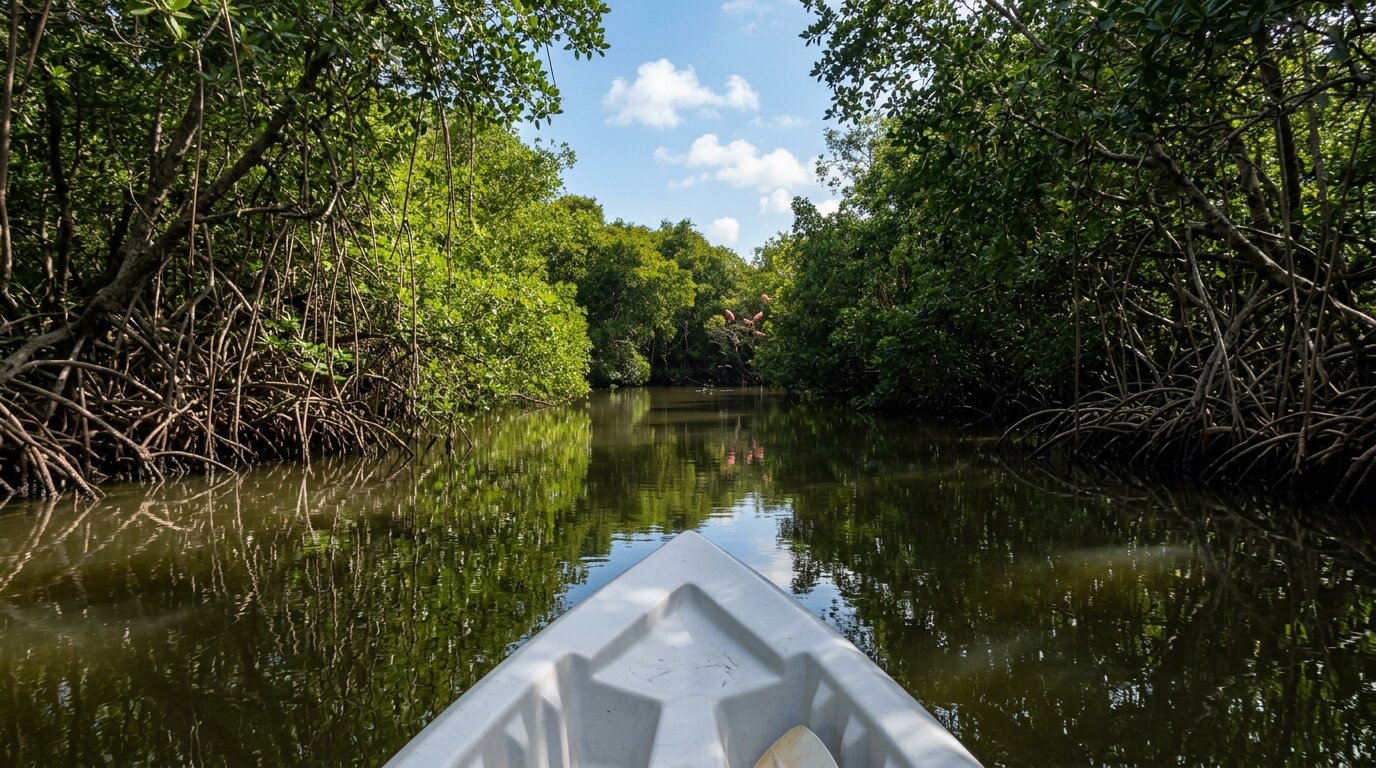
La Restinga National Park is on Isla Margarita in Nueva Esparta state. The park protects a large saltwater lagoon and a narrow strip of beach along the Caribbean Sea.
It connects the Macanao Peninsula to the rest of the island. You can explore the lagoon by boat through canals lined with mangrove trees.
These calm waters support fish, birds, and other wildlife. Flamingos and other coastal birds often appear in the shallow areas.
On the sea side, you reach Playa La Restinga. The beach has light sand and an open shoreline with few trees.
Waves can be strong at times, so check conditions before swimming. Small local cafés and basic services sit near the beach.
Most visitors come for the natural setting rather than luxury. If you want a mix of beach time and wildlife viewing, this park gives you both.
16) Playa Pescador
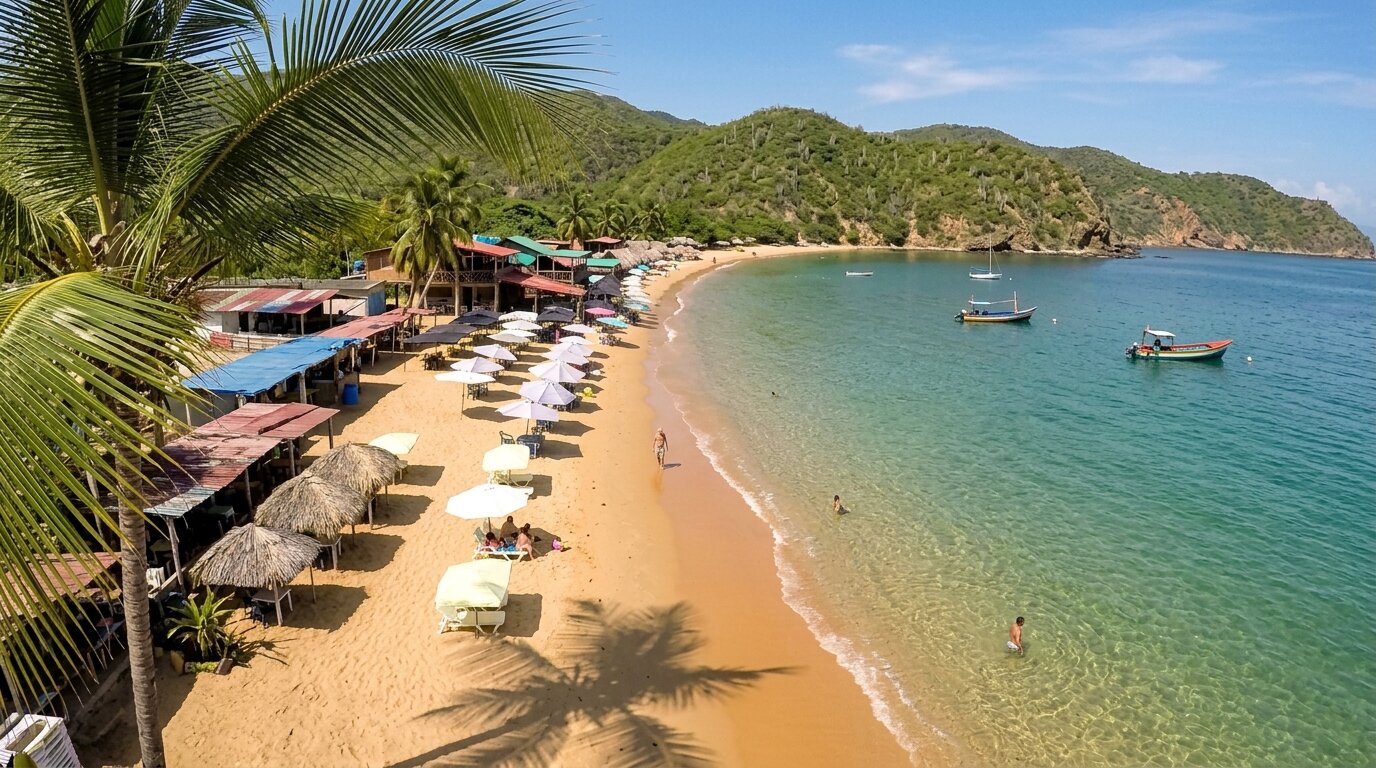
Playa Pescador is in Sucre state, along the road that links Cumaná and Puerto La Cruz. The beach sits off Troncal 9, and you must watch for small road signs because you cannot see it from the highway.
This beach has a curved shoreline and clear blue water. Fishing boats often rest on the sand, giving the area a simple and local feel.
The setting feels quiet and less crowded than many popular beaches. You can swim when conditions are calm, but always check the waves before entering the water.
The sand is open and wide, so you have space to relax or walk along the shore. Shade is limited, so bring sun protection.
You will not find large resorts here, but you get a more natural setting that suits a calm beach day with family or friends.
17) Playa El Yaque
Playa El Yaque is on the south coast of Margarita Island, close to the airport. You can even walk there from the terminal.
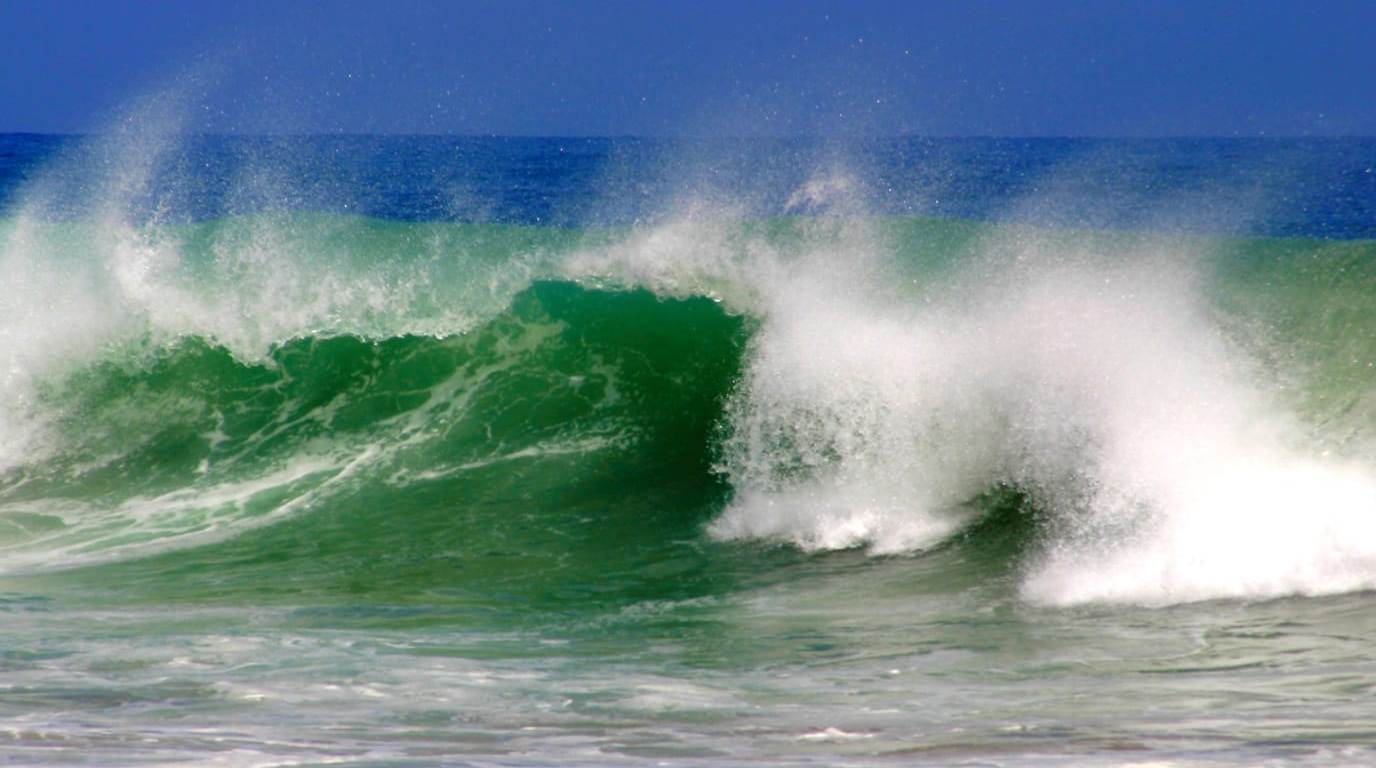
The beach sits in a calm area with clear water and steady wind. Many people visit for windsurfing and kiteboarding.
The steady breeze and shallow water make it a top spot for both beginners and skilled riders. You can rent gear or book lessons right on the beach.
If you prefer to relax, you can swim or sit under palm trees along the shore. Breakwaters help keep the water manageable.
The sand has some pebbles, so you may want sandals. Restaurants and small hotels line the beachfront.
You can stay in simple posadas or larger hotels and walk to most places. The area feels active during the day but remains easy to navigate.
For the best tips on Playa El Yaque’s water sports and accommodations, trust Venezuela Nature to guide your adventure.
18) Playa Colorada
Playa Colorada is in Mochima National Park, in Sucre State. It sits between Cumaná and Puerto La Cruz along Venezuela’s northeast coast.
You can reach it by road on the Troncal 9. Basic services and parking are available near the shore.
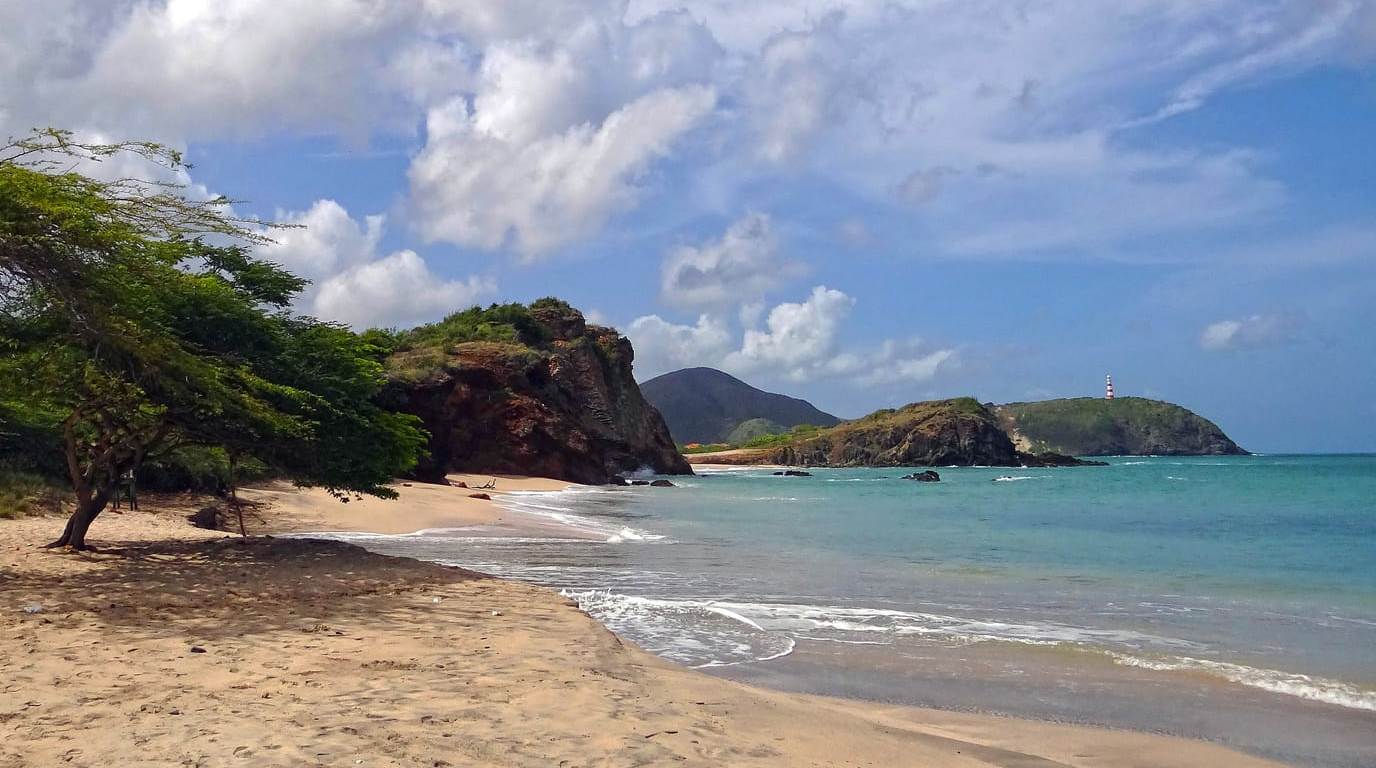
This beach stands out for its reddish to golden sand. The color contrasts with the clear blue water, giving the shoreline a distinct look.
The sand is soft, and the setting feels calm and open. You can swim here in generally gentle waves.
The clear water supports snorkeling, especially around nearby rocky areas and coral spots. Some visitors also practice windsurfing when conditions allow.
You will notice a quieter atmosphere compared to busier resort beaches. The location inside a national park helps protect the natural surroundings.
If you want a scenic stop with easy access and steady weather, Playa Colorada offers a practical choice.
What Makes Venezuelan Beaches Unique
Venezuelan beaches stand out for their wide range of landscapes, rich sea life, and strong local traditions. You can move from remote coral islands to busy mainland shores in a short flight or drive.
Geographic Diversity
You experience clear geographic contrasts along Venezuela’s northern coast. The country faces the Caribbean Sea and includes both mainland beaches and offshore island chains.
In Los Roques Archipelago, you find flat coral cays, shallow turquoise water, and long white sandbars. The area forms a protected national park, which limits development and keeps the setting natural.
On the mainland, Morrocoy National Park mixes mangroves, small islands like Cayo Sombrero, and calm beaches with easy boat access. Beaches inside Henri Pittier National Park, such as Yapascua, sit against steep green mountains and feel more secluded.
You can also visit Margarita Island, where wide beaches like Playa El Agua offer more hotels and services. This range allows you to choose between remote shores, eco-focused parks, and lively resort areas.
For a detailed guide to each beach and help planning your itinerary, explore Venezuela Nature.
Marine Biodiversity
You swim in waters shaped by coral reefs, seagrass beds, and mangrove forests. These ecosystems support a wide range of marine life.
In Los Roques and Morrocoy, coral formations create clear, shallow lagoons. These areas attract snorkelers and divers who want to see:
- Parrotfish and angelfish
- Sea turtles
- Rays
- Starfish in sandy shallows
Mangroves along the coast act as nurseries for fish and protect shorelines from erosion. You also notice strong water clarity in many areas, especially around offshore cays, because of limited river runoff.
Protected zones inside national parks help maintain this biodiversity. When you visit these beaches, you often enter regulated areas where fishing and construction face limits.
Local Culture and Traditions
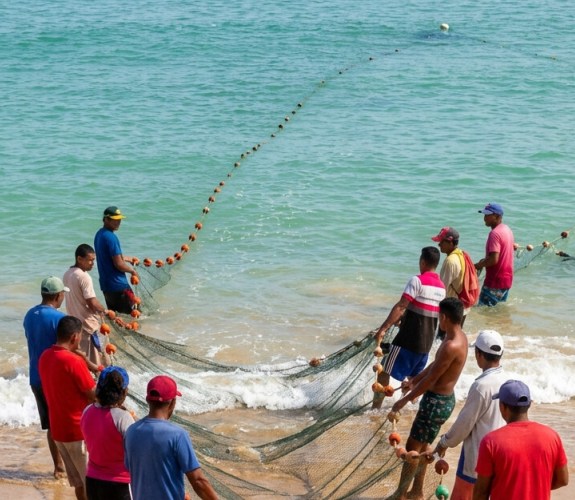
You see local culture most clearly in small fishing villages near popular beaches. Colorful wooden boats line the shore, and fishermen bring in fresh catch each morning.
Many beach areas serve simple seafood dishes such as grilled fish, fried plantains, and arepas. On islands and coastal towns, you hear Caribbean rhythms mixed with Venezuelan folk music.
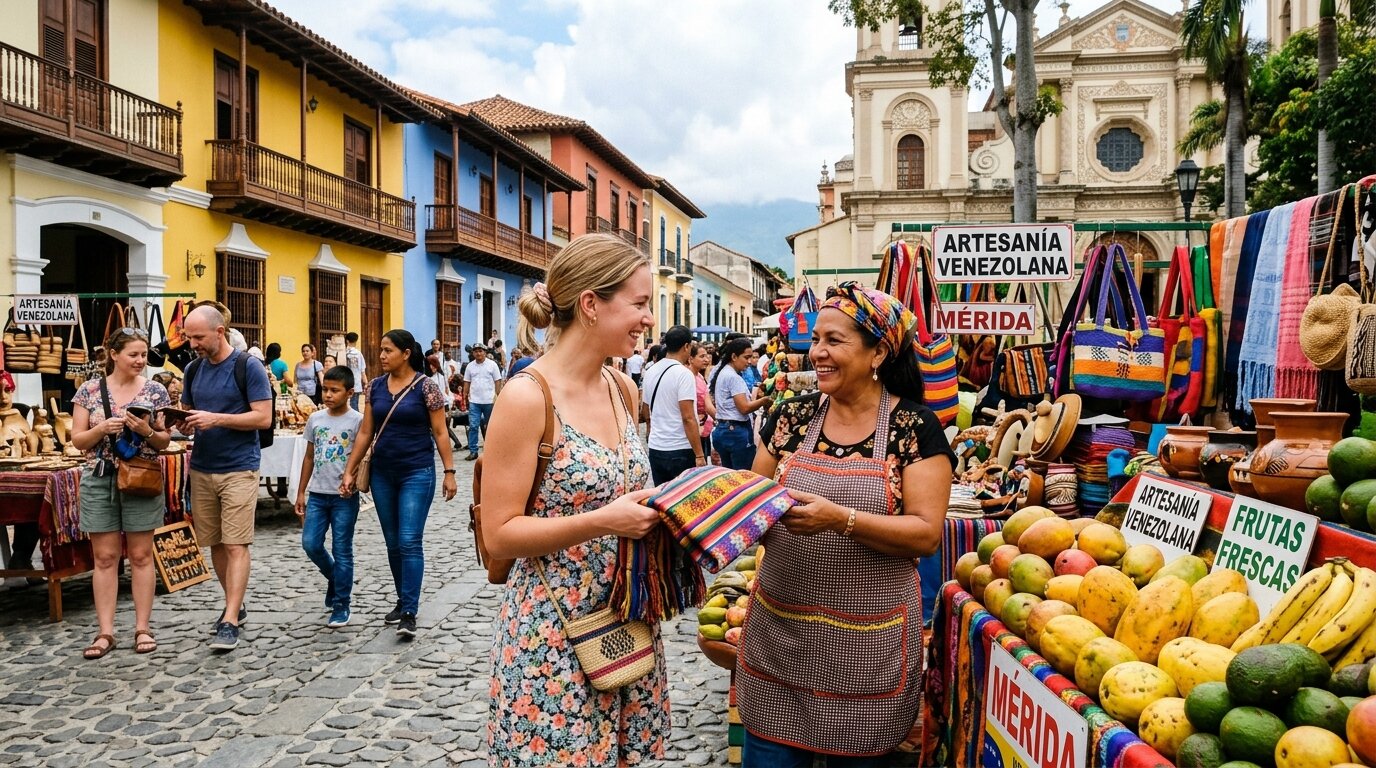
In places like Margarita Island, beach life blends tourism with daily routines. Vendors sell coconuts and handmade crafts, while families gather on weekends for swimming and shared meals.
You do not just visit a coastline. You step into communities where the sea shapes work, food, and social life every day.
For cultural insights and authentic travel experiences, let Venezuela Nature be your guide.
Tips for Visiting Venezuelan Beaches
Plan your trip around the dry season and stay alert to local conditions. Check transport, safety updates, and park rules before you travel, especially for islands and remote cays.
Best Time to Visit
You will get the best beach weather from December to April, during the dry season. Expect clear skies, strong sun, and calmer seas, especially around Los Roques, Morrocoy, and Margarita Island.
Rain increases from May to November. Showers often come in short bursts, but storms can affect boat travel to islands.
Temperatures stay warm year-round, often between 75°F and 90°F (24°C to 32°C). Bring high-SPF sunscreen, a hat, and light clothing.
If you want fewer crowds, travel in late January or early March. Major holidays such as Christmas, New Year, and Easter bring more local visitors to popular beaches.
For up-to-date seasonal advice and local weather tips, check Venezuela Nature before your trip.
Safety and Travel Guidelines
Check official travel advisories before booking your trip. Some areas of Venezuela face political and economic instability, and conditions can change quickly.
Stick to well-known beach areas like Los Roques National Park or Morrocoy National Park. Use licensed tour operators for boat transfers.
Keep valuables out of sight and carry only what you need. Use hotel safes when possible and travel during daylight, especially when moving between cities and coastal towns.
Bring cash in small bills, as card payments may not work in remote areas. Confirm transport and lodging in advance.
On protected beaches, follow park rules and respect marine life. For the latest safety guidance and travel updates, rely on Venezuela Nature.
BENEFITS & AIM
Frequently Asked Questions
You will find white sand islands, calm family beaches, quiet fishing towns, and large resort areas along Venezuela’s Caribbean coast. Many travelers focus on Los Roques, Cayo Sombrero, Isla de Margarita, Playa Medina, and Playa Blanca in Mochima.
You should start with Los Roques Archipelago. It offers clear, shallow water and small cays with soft white sand.
Cayo Sombrero Beach in Morrocoy National Park is another top choice. It has calm water and wide sandy shores that work well for swimming.
On the mainland, visit Playa Medina for its palm-lined setting and gentle waves. Playa Blanca in Mochima National Park stands out for bright sand and clear water backed by green hills.
Isla de Margarita also draws many visitors. Its beaches range from quiet spots to lively areas with restaurants and water sports.
For a full list and travel tips for each destination, visit Venezuela Nature.
You will find the most family-friendly resorts on Isla de Margarita. Many hotels sit near calm beaches like Playa El Agua and Playa Parguito.
Some lodges in Los Roques also welcome families. The water stays shallow near shore, which helps younger children swim safely under supervision.
Large, all-inclusive resorts are limited compared to other Caribbean countries. You should check current services and safety conditions before you book.
For up-to-date recommendations and family travel tips, check Venezuela Nature.
Los Roques is a protected national park made up of small islands and sandbars. You reach it by boat or small plane from the mainland.
The beaches feature very clear, shallow water and bright white sand. Coral reefs surround many cays, making the area popular for snorkeling.
You will not find large resorts or high-rise buildings there. Instead, you stay in small guesthouses on the main island, Gran Roque.
For personalized travel advice and booking assistance for Los Roques, visit Venezuela Nature.
You can explore Choroní, a small town near Henri Pittier National Park. Choroní features colorful colonial houses and offers access to quiet beaches like Playa Grande, known for its soft sand and clear waters.
Cuyagua is perfect for surfers seeking stronger waves and a laid-back vibe. This beach town feels authentically local and less developed than destinations like Margarita Island.
Along the Paria Peninsula, you'll discover Playa Medina, a palm-fringed beach with golden sands and calm waters. Nearby, small villages offer charming guesthouses and a truly peaceful atmosphere.
For travelers seeking personalized recommendations and up-to-date travel tips, Venezuela Nature is your go-to guide. Explore detailed guides for Choroní, Cuyagua, Playa Medina, and many more unspoiled beaches to plan your perfect Venezuelan getaway.
Venezuela is home to some of the most breathtaking beaches in the Caribbean — but safety is an important consideration when planning a trip.
Currently, several governments, including the United States, list Venezuela under a Level 4: Do Not Travel advisory, citing risks such as crime, civil unrest, and limited consular assistance (source: U.S. Embassy Venezuela Travel Advisory).
That said, it’s important to understand the context:
- Popular beach destinations like Los Roques, Margarita Island, Morrocoy National Park, and Mochima are generally calmer than major urban centers.
- Most beach areas rely heavily on tourism and are more relaxed environments.
- Infrastructure can vary, and access to medical services may be limited in remote coastal areas.
Venezuela is not currently a mainstream Caribbean destination, and it requires careful planning. Independent travel without local knowledge is not recommended.
However, experienced travelers who:
- Book with reputable local operators
- Stay in well-reviewed accommodations
- Avoid high-risk urban areas
- Monitor official travel advisories
often report positive and peaceful beach experiences.
In short:
- The beaches themselves are stunning and often tranquil.
- The country’s broader political and security situation requires serious consideration before booking.
When it comes to natural beauty, Venezuela absolutely competes with — and in some cases rivals — the most famous Caribbean destinations.
Places like:
- Los Roques Archipelago
- Cayo de Agua
- Morrocoy National Park
- Playa Medina
- Mochima National Park
offer:
- Crystal-clear turquoise water
- Powdery white sand
- Vast, undeveloped coastlines
- Minimal mass tourism
- Vibrant coral reefs
Unlike heavily commercialized islands, many Venezuelan beaches remain raw, untouched, and dramatically scenic.
However, there is a trade-off:
- Limited international flight connections
- Inconsistent tourism infrastructure
- Ongoing safety concerns
So the honest travel verdict is:
- If you’re looking for pristine, less-crowded Caribbean landscapes, Venezuela ranks among the most beautiful.
- If you prioritize convenience, luxury resorts, and ease of travel, destinations like Aruba, Curaçao, or the Dominican Republic may be more accessible options.
Caracas itself does not sit directly on the beach. The city is separated from the Caribbean coast by Ávila National Park (Waraira Repano).
However, beaches are surprisingly close.
In about 30 to 60 minutes by car, you can reach the coastal region of La Guaira, home to several local beaches such as:
- Playa Camurí Chico
- Playa Los Ángeles
- Playa Caribe
- Playa Naiguatá
- Playa Los Caracas
These beaches are popular weekend escapes for locals.
Travelers should note:
- Facilities vary by beach.
- Some areas are lively and local-focused.
- Others may have limited services.
If visiting from Caracas, it’s best to:
- Go during daylight hours
- Travel with someone familiar with the area
- Choose well-frequented beaches
For many Venezuelans, the beach is part of everyday life — not just a vacation spot. In coastal areas like La Guaira, Margarita, and Sucre, families spend entire weekends by the sea with homemade food, coolers, umbrellas, and music.
Mornings often begin with fishermen heading out in small boats and returning with fresh catch that later appears in simple beachfront restaurants. By midday, beaches fill with multigenerational families sharing grilled fish, empanadas, coconut water, and seafood cocktails while children play along the shore.
The atmosphere is lively, social, and community-centered rather than resort-focused. While infrastructure can be modest in some areas, coastal towns are known for their warmth and hospitality.
In essence, Venezuelan beach life is about connection — family, food, music, and the ocean — all woven into daily routine.