
Venezuela Currency for Your Next Trip: us dollar (USD) to venezuelan bolívar (VEF)
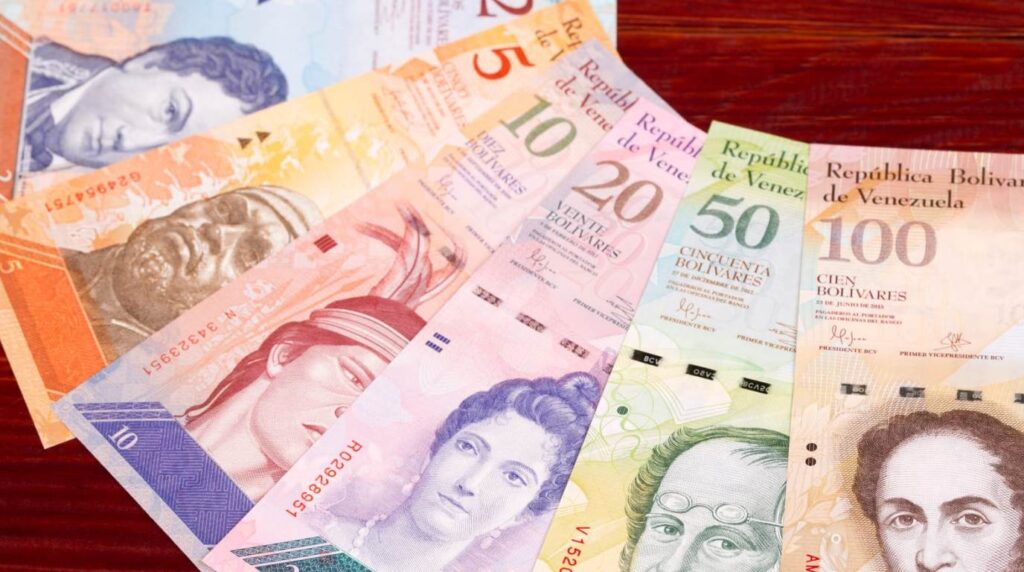
Planning a trip to Venezuela means you need to think about money before you land. The country uses the Venezuelan bolívar (VES), but high inflation has changed how people pay for goods and services.
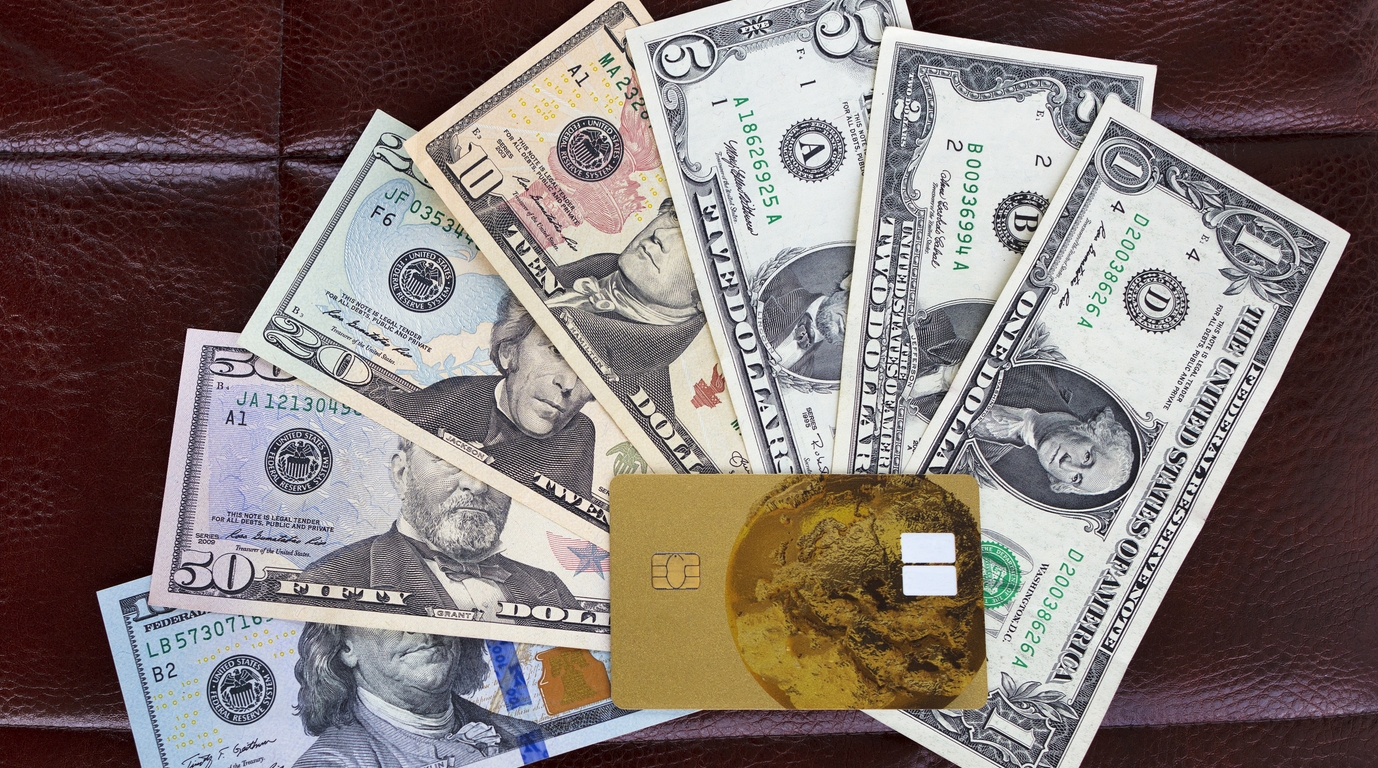
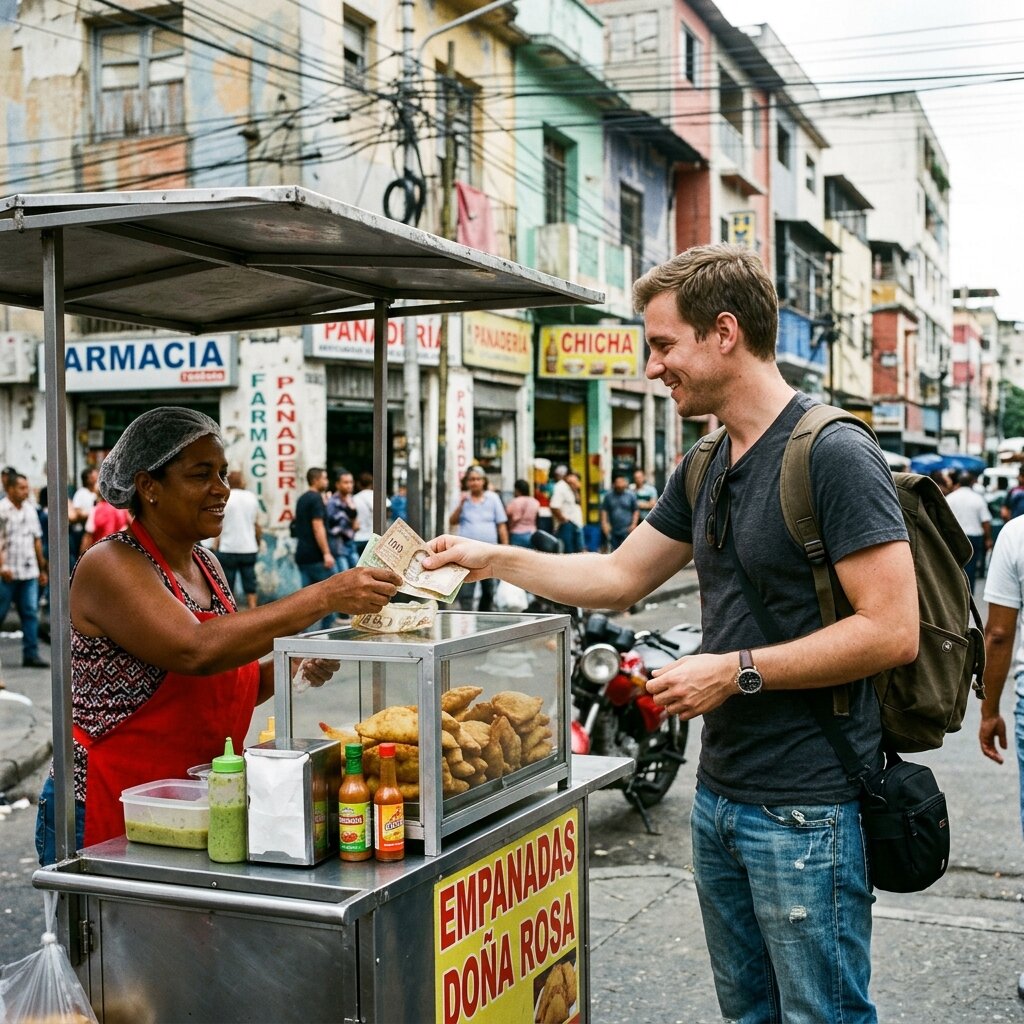
Prices often appear in US dollars, and many businesses prefer cash. You should bring small US dollar bills and use them for most daily expenses, while keeping cards only as backup.
In many places, vendors accept USD more easily than bolívars. Small bills like $1, $5, and $10 help because change can be limited.
Exchange rates can vary between official banco central de venezuela sources and the widely used market rate. Compare rates before you exchange money, and avoid street deals to reduce risk.
Key Takeaways
- Bring small 1 us dollar bills and expect to use cash often.
- Compare exchange rates and use authorized exchange services.
- Keep cards as backup and handle cash carefully in public.

Essential Currency Information for Travelers
You will deal with two main currencies in Venezuela: the bolívar (VES) and the US dollar (USD). Cash plays a central role in daily payments, and digital options remain limited for most visitors.
What Currency Is Used in Venezuela?
The official Venezuelan currency is the bolívar, often called the bolívar digital. Its ISO code is VES, and locals may write amounts as Bs.
In practice, you will see wide use of the US dollar (USD). Many hotels, restaurants, tour operators, and transport services quote prices directly in USD.
This shift happened after years of high inflation that reduced trust in the bolívar. You can still pay in bolívars, especially in local shops and markets.
The exchange rate changes often. Businesses may use their own daily rate when converting from USD to VES.
If you bring foreign currency, most vendors prefer US dollars over other currencies. Euros may work in some higher-end places, but USD remains the most accepted option across the country.
Currency Symbols and Codes
You will see several symbols and codes linked to Venezuelan currency:
- VES – Official ISO currency code for the bolívar
- Bs. – Common local symbol for bolívar amounts
- USD – ISO code for the US dollar
- $ – Symbol used for US dollars
Prices may appear in both VES and USD. For example, a menu might show a price in bolívars with a small note that converts it to dollars.
Always confirm which currency a price refers to before you pay. Some businesses list prices in bolívars but expect payment in USD at a set exchange rate.
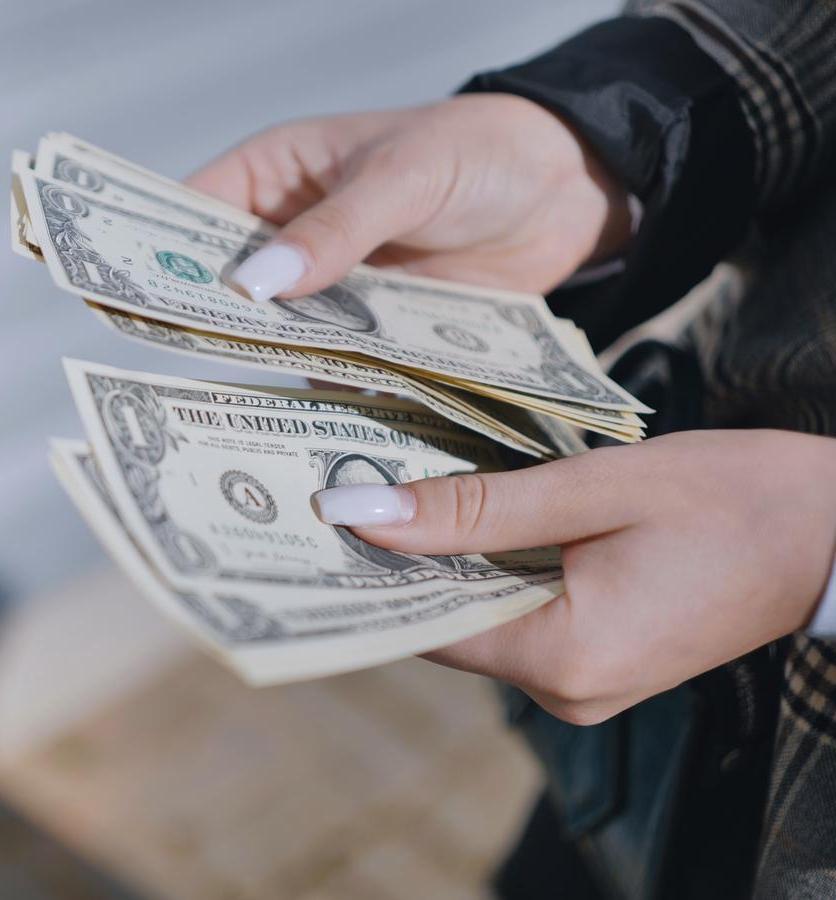
Carry small USD bills such as $1, $5, $10, and $20. Many places struggle to give change for large notes.
Vendors also inspect bills closely and may refuse torn or heavily marked cash.
Common Payment Methods for Tourists
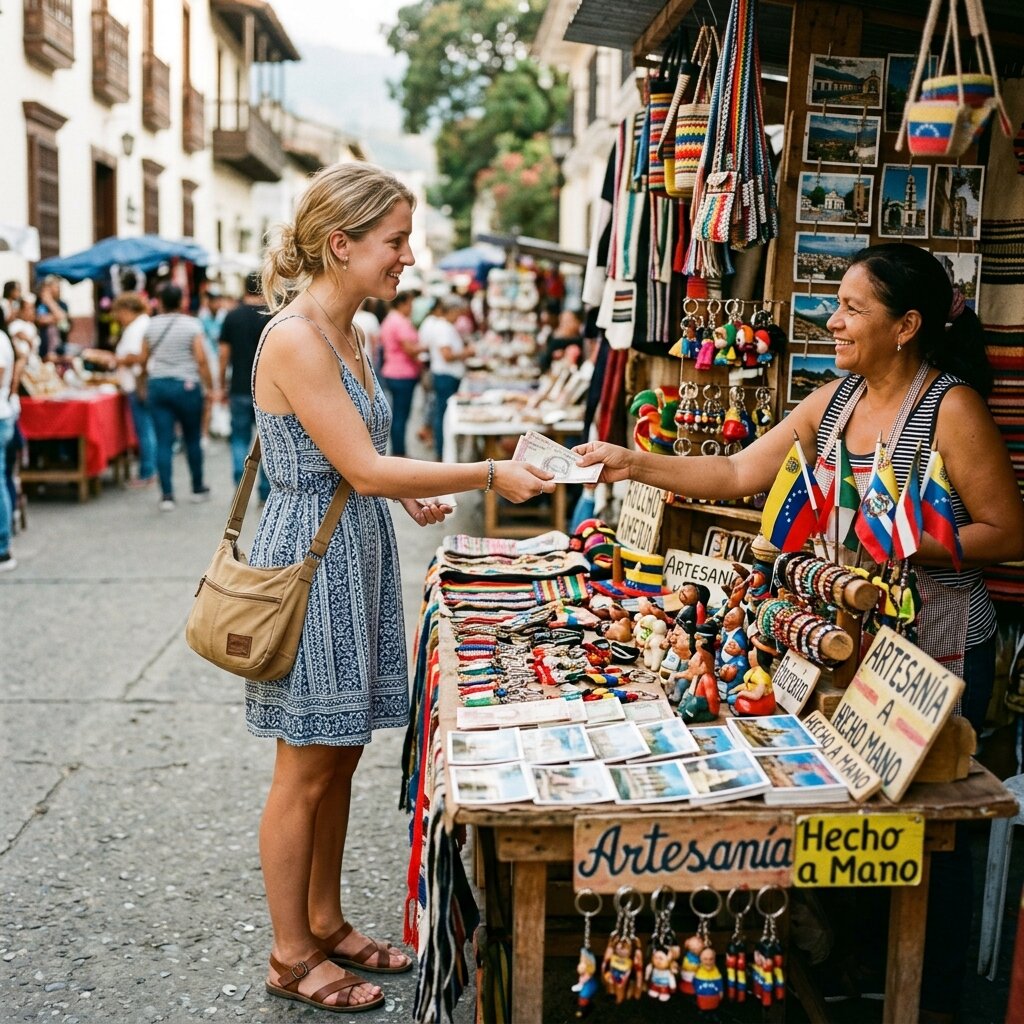
You will rely mostly on cash, especially USD cash. Hotels, tours, taxis, park fees, and small shops often expect paper money.
Keep your bills in good condition. Vendors may reject damaged US dollars.
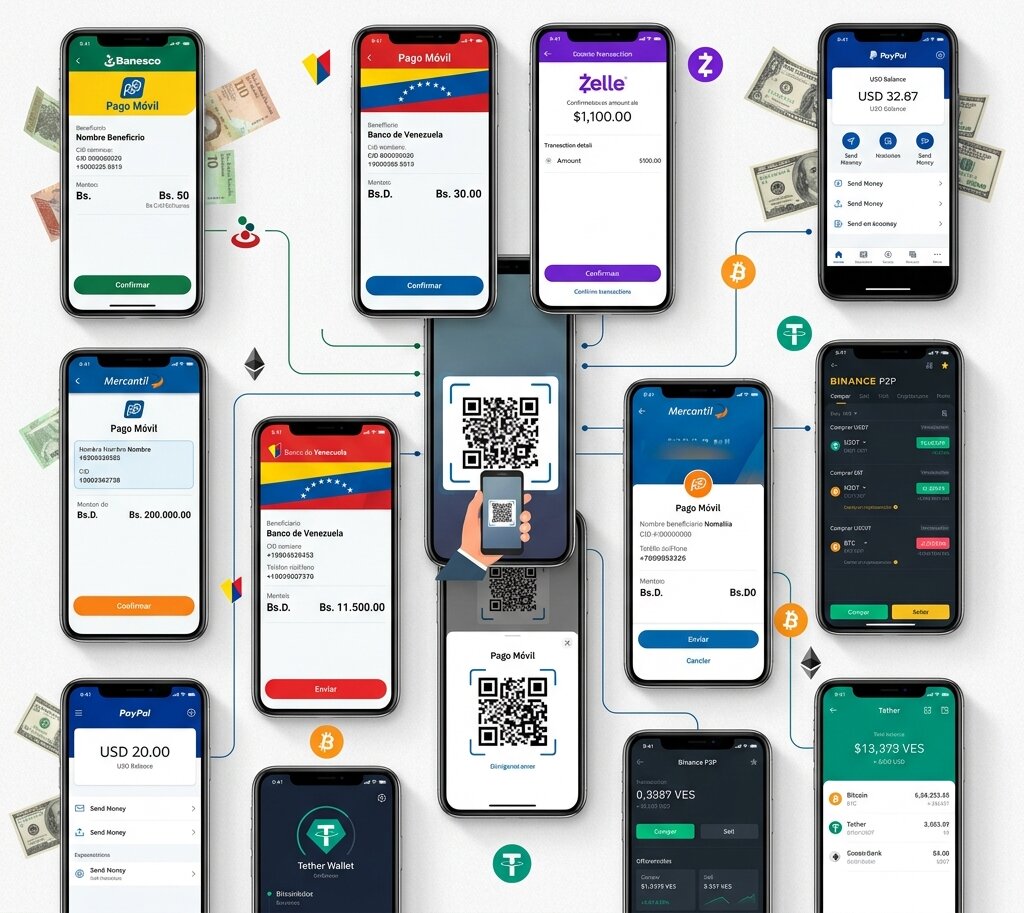
Digital payments exist but mainly serve locals with Venezuelan bank accounts. Systems like mobile transfers and local debit cards work inside the country, yet they rarely accept foreign bank cards.
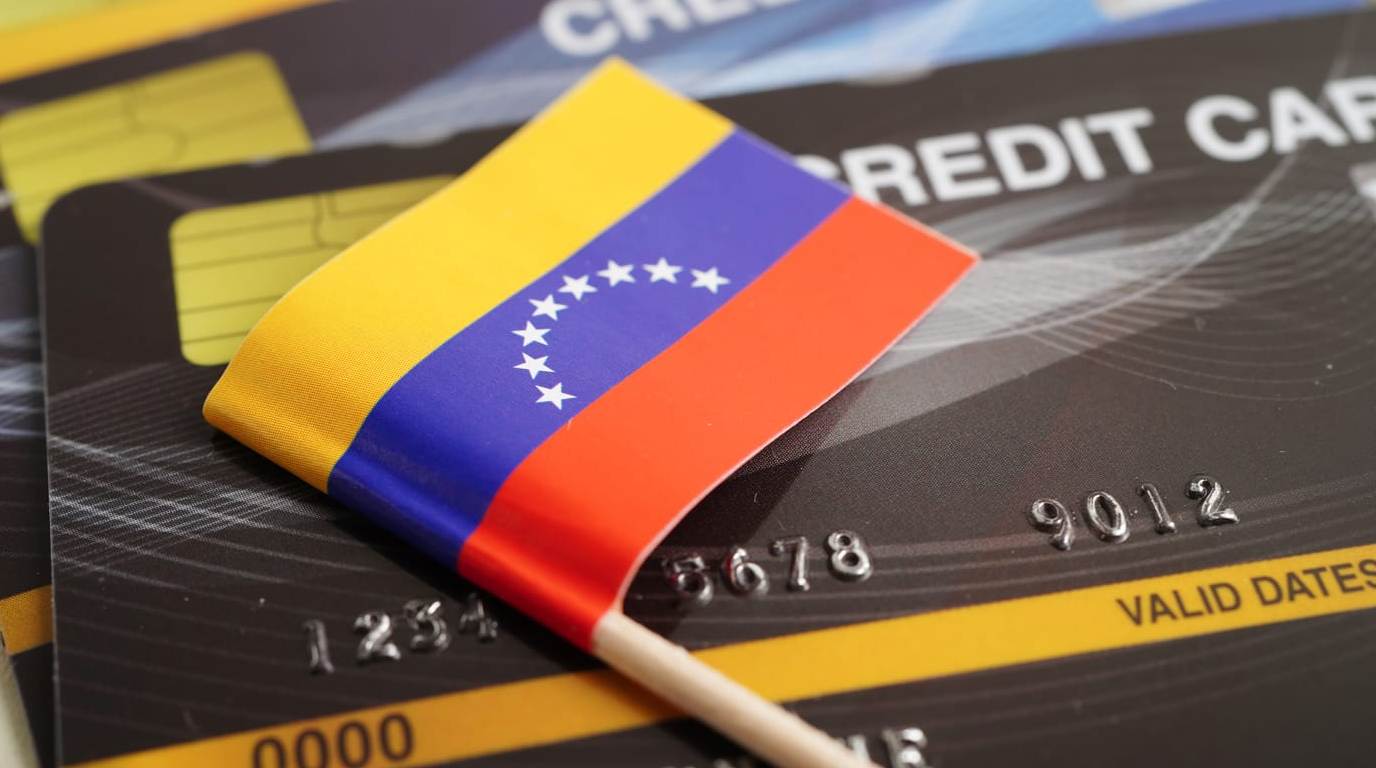
International credit and debit cards may work in some major hotels or upscale restaurants in cities like Caracas. Outside these areas, card acceptance drops sharply.
ATMs often dispense bolívars at unfavorable rates or may not work with foreign cards. Plan to cover most daily costs with USD cash, and treat card payments as a backup rather than your main method.
Understanding Exchange Rates and Getting the Best Value
You need to track the right exchange rate and know which one sellers actually use. In Venezuela, the rate on paper and the rate in daily use can differ, which affects how much your money is worth.
Where to Find Reliable Exchange Rates
Check a trusted financial website or a well-known currency converter before you travel. Look for the live exchange rate for USD to VES so you see the current Venezuelan bolívar exchange rate in real time.
Focus on the mid-market rate. This is the midpoint between buying and selling prices in global markets.
Large financial platforms such as XE or Exchange-Rates.org publish updated USD exchange rate data. These tools help you compare rates offered by banks or international money transfer services.
Avoid relying on random social media posts for rate information. Rates can shift quickly, and outdated numbers can lead to poor exchange decisions.
Difference Between Official and Market Rates
Venezuela has an official exchange rate set by the central bank. Banks and some formal businesses may use this rate for accounting or card transactions.
In daily life, many shops and service providers follow market rates that reflect real supply and demand. This market rate may be slightly higher or lower than the official rate, depending on conditions.
You should always ask which rate a hotel or tour operator uses before you pay. A small difference in the USD to VES rate can change your final cost, especially for large payments like tours or multi-night stays.
Use the mid-market rate as a benchmark. Then compare it to the rate offered to you.
Tips for Exchanging Money Safely
Bring clean, undamaged US dollar bills in small denominations. Many businesses prefer $1, $5, $10, and $20 notes and may reject torn or heavily marked bills.
If you need bolívars, exchange money through your hotel or a trusted local contact. Avoid street exchanges, even if the offered Venezuelan bolívar exchange rate looks better than the official exchange rate.
Count your cash carefully before and after any exchange. Confirm the usd exchange rate being applied and calculate the total yourself using a currency converter on your phone.
Do not rely on international money transfer apps for daily spending. Access to foreign banking systems can be limited, and cash remains the most dependable option for most transactions.
Our Sabana Travel Packages



Bolívar, US Dollars, and Payment in Practice
You will use both Venezuelan bolívares and US dollars during your trip. In most places, businesses quote prices in USD, but the bolívar digital still exists for small local payments and change.
Dollarization and the Role of Foreign Currencies
Venezuela’s official currency is the bolívar digital (VED). It replaced earlier versions such as the bolívar soberano and the older bolívar fuerte after several reforms.
In daily life, however, you will see strong “dollarization.” Many hotels, tour operators, and restaurants list prices directly in USD.
You will often pay in cash dollars, especially in tourist areas and larger cities. Bring small bills such as $1, $5, $10, and $20.
Vendors may refuse torn or heavily marked notes. Larger bills can be hard to break.
Some businesses also accept euros, but USD remains the main foreign currency. When prices appear in bolívares, staff often calculate the amount using the day’s exchange rate and then convert it to dollars for you.
Using and Exchanging Bolívar Banknotes
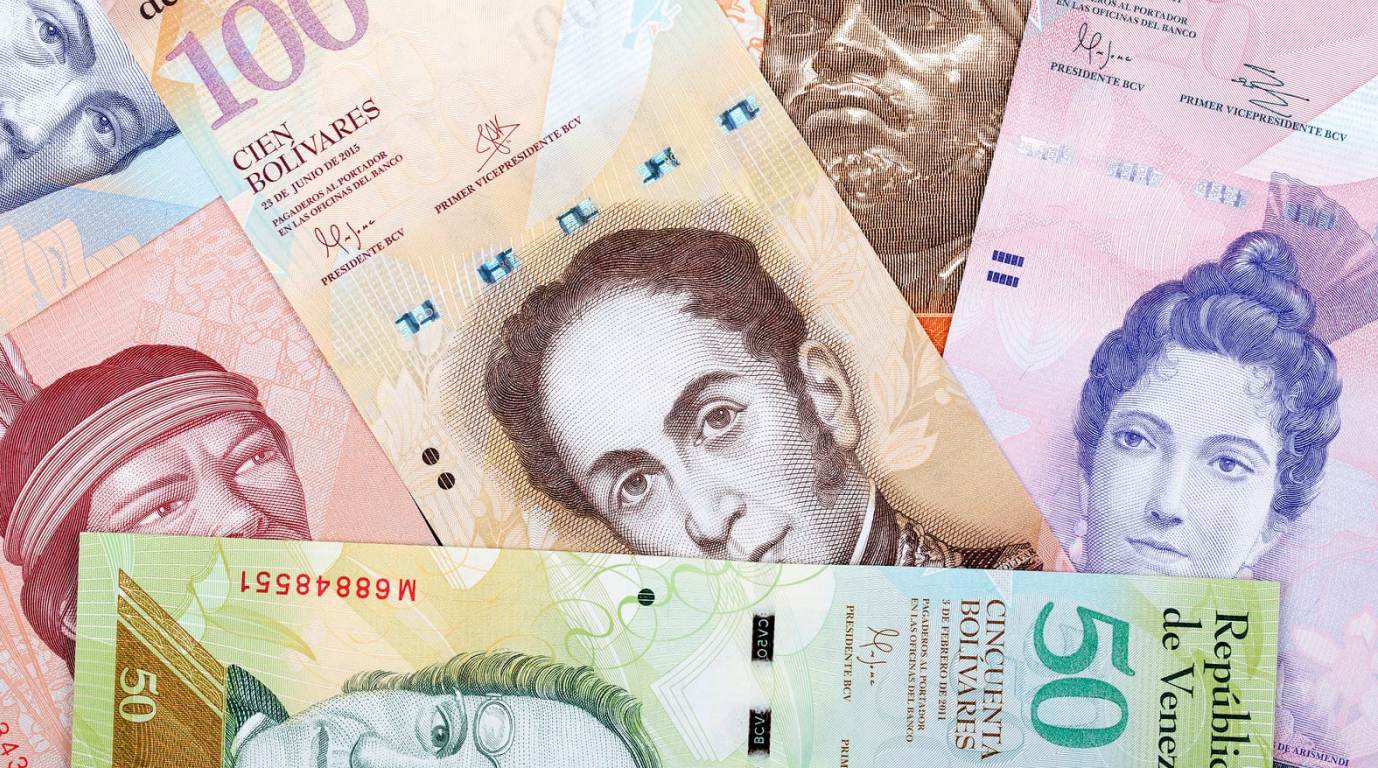
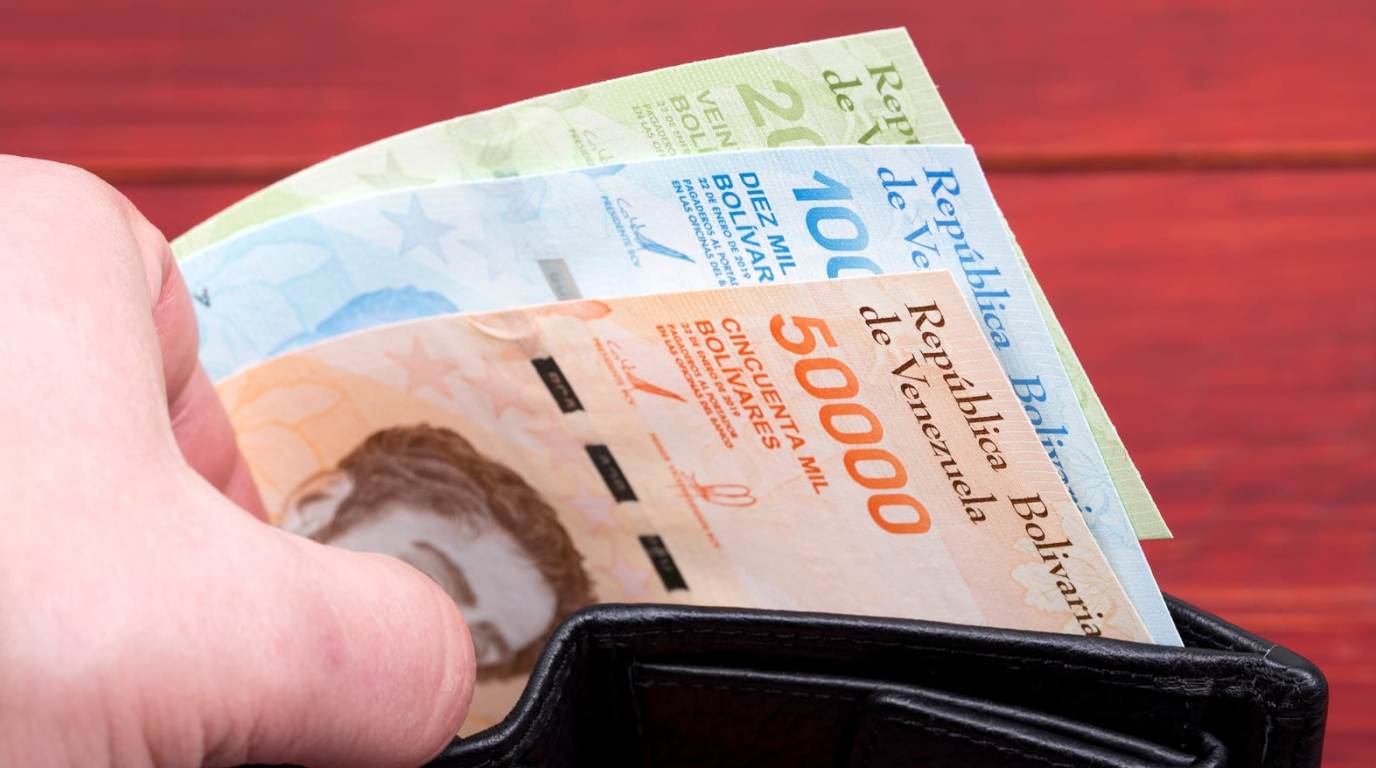
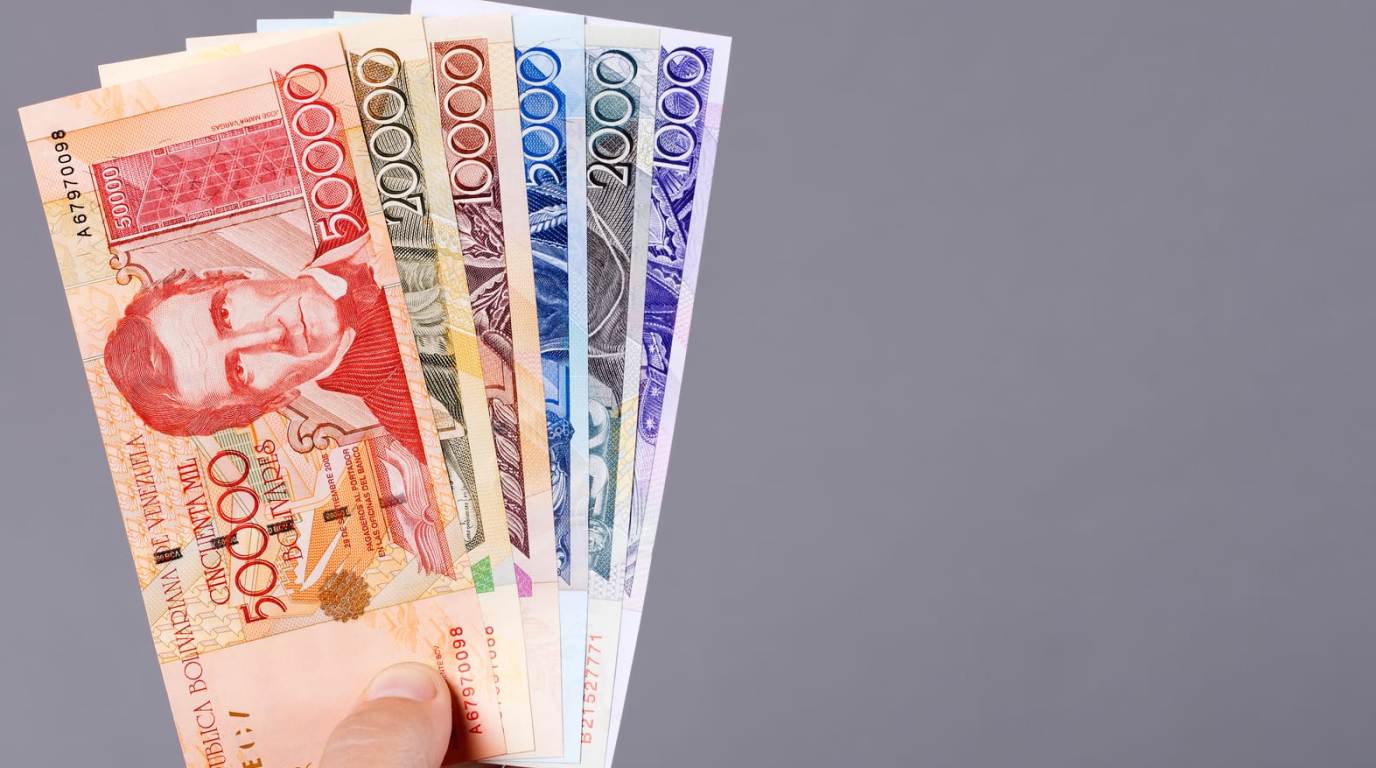
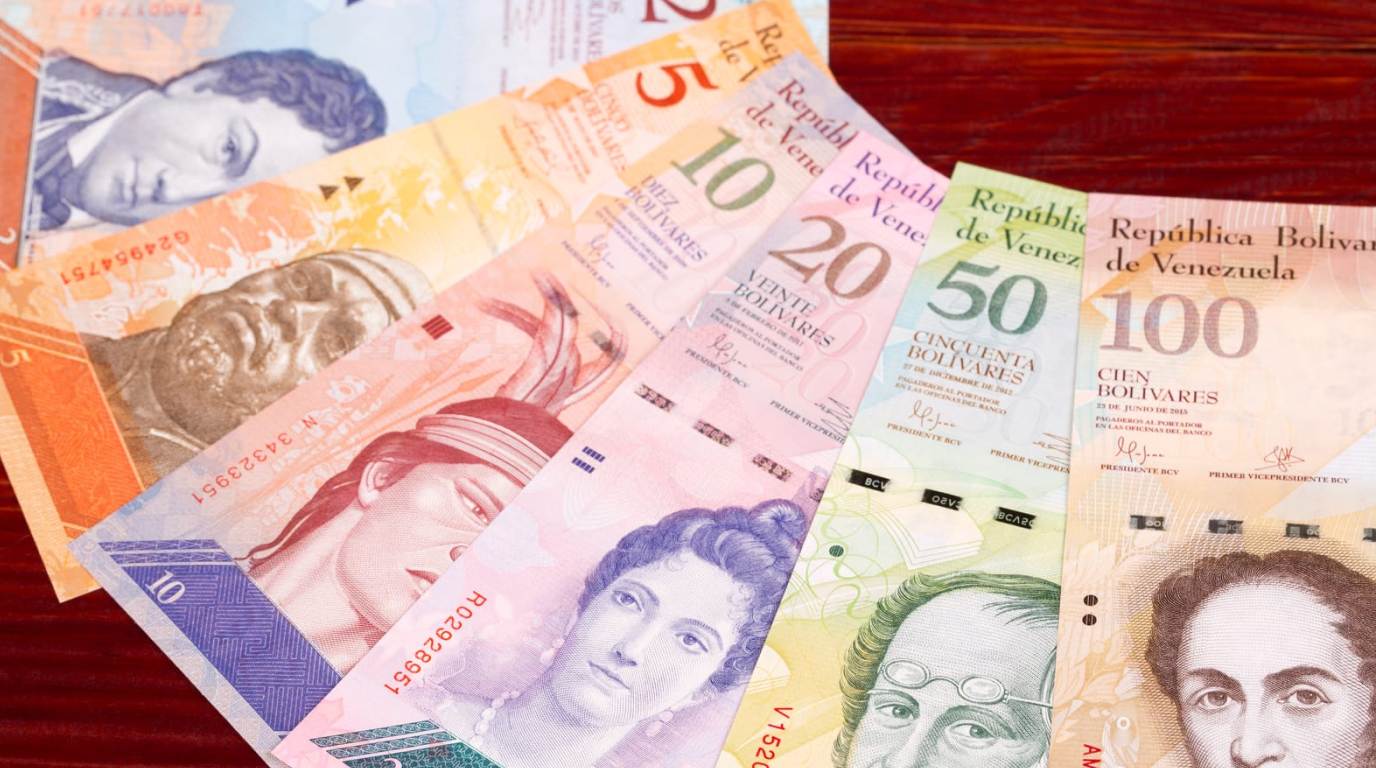
You may still receive change in Venezuelan bolívares. These come as banknotes, and coins with small céntimo values are rarely used due to inflation.
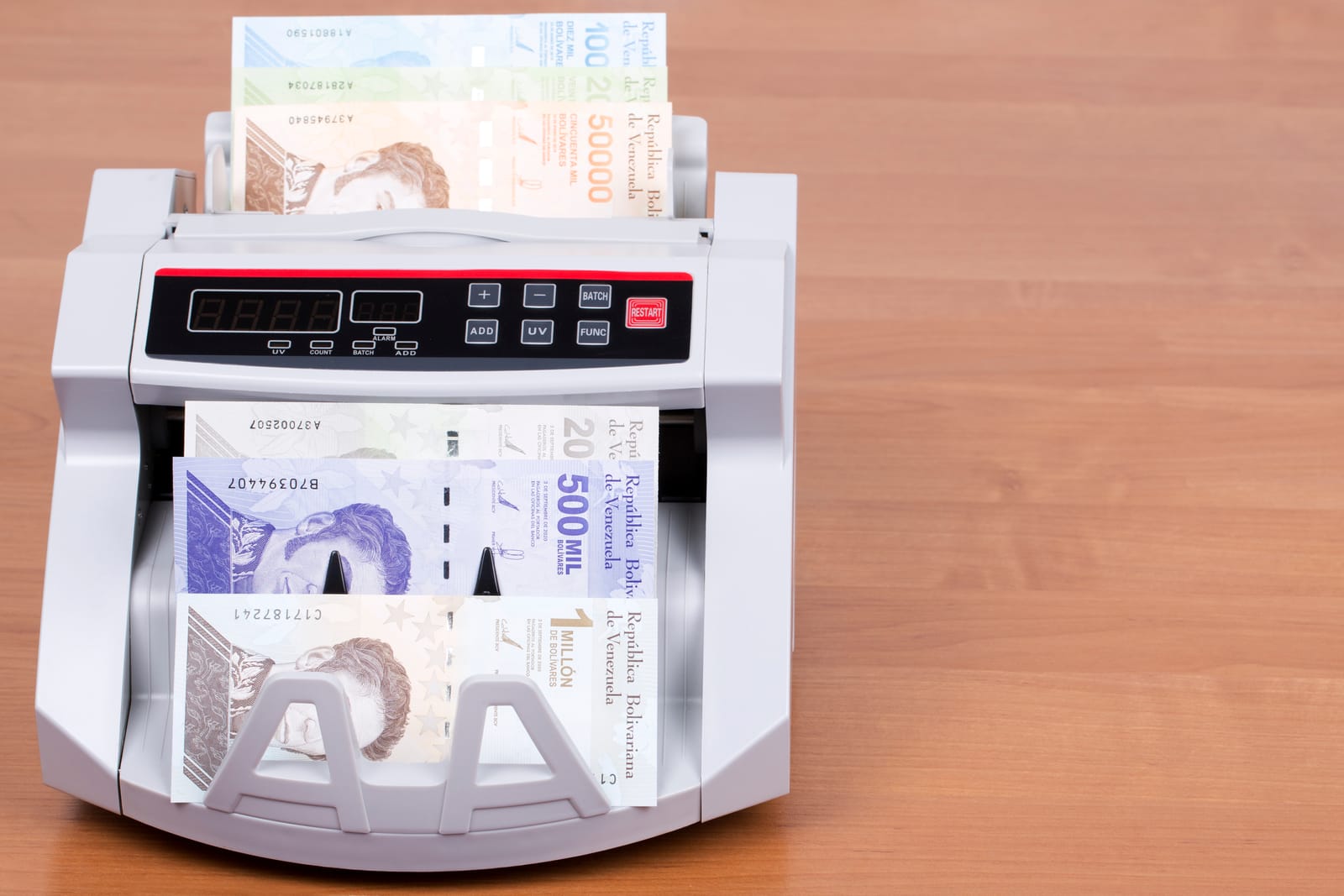
Common banknotes include low and mid-range amounts, such as older 500 bolívar notes from previous currency versions. Because of past reforms, you might hear terms like hard bolívar or references to older series, but only the current bolívar digital is legal tender.
To get bolívares, ask your hotel or a trusted exchange office. Avoid street money changers.
Many travelers find it easier to pay directly in USD instead of exchanging large amounts into local currency.
Digital Bolívar and Payment Systems
The bolívar digital mainly functions through electronic systems inside Venezuela’s banking network. Locals use debit cards and mobile tools such as Pago Móvil to transfer money in bolívares.
As a visitor, you may find that foreign credit and debit cards do not always work. Some larger hotels and supermarkets accept international cards, but you should not rely on them.
ATMs often dispense bolívares at the official rate, which may not match the rate used in shops. Machines may also have low withdrawal limits.
For most day-to-day spending, you will depend on cash USD. Keep a small amount of bolívares for minor purchases where exact change in dollars is difficult.
Practical Money Tips and Security During Your Trip
You will rely heavily on cash in Venezuela, especially USD, due to ongoing hyperinflation and limited card use. Smart planning around denominations, storage, and daily handling will reduce stress and lower your risk.
Managing Cash: Amounts and Denominations
Bring most of your travel budget in USD cash, not only in cards. Many businesses price goods in USD, even though the official currency is the Venezuelan bolívar (VES) named after Simón Bolívar.
Carry small USD banknotes:
- $1
- $5
- $10
- $20
Vendors often refuse large bills like $50 or $100 because they lack change or fear counterfeit notes. Keep bills clean and untorn.
Some shops reject damaged banknotes. Use VES mainly for small, local payments.
Because of hyperinflation, VES denominations lose value quickly. Coins have little use, and even small bolívar banknotes may not cover basic items.
Exchange only what you need for a few days and avoid holding large amounts of bolívares soberanos (VES).
Securing Your Funds and Safety Best Practices
Split your cash into at least two separate places. Keep daily spending money in an easy-to-reach wallet and store the rest in a hidden money belt or hotel safe.
Count money discreetly. Avoid showing large stacks of USD in public areas such as markets, bus terminals, or busy streets.
Use authorized exchange houses or banks when possible. Street exchanges carry risk of scams or counterfeit banknotes.
Always confirm the rate before handing over cash. Keep cards as backup.
Card terminals may fail, and ATMs often dispense VES at weak rates. Notify your bank before travel so your transactions do not get blocked.

BENEFITS & AIM
Frequently Asked Questions
You need clear facts before you handle money in Venezuela. These answers cover how to get bolívars, current exchange details, and what your U.S. dollars are worth on the ground.
Most foreign banks and exchange services do not sell Venezuelan bolívars online. High inflation and currency controls limit availability outside the country.
You will likely need to bring U.S. dollars in cash and exchange money after you arrive. Many businesses in major cities accept U.S. dollars directly.
The official currency is the Venezuelan bolívar (VES). The exchange rate changes often due to inflation and government policy.
Check a reliable financial news source or the Central Bank of Venezuela close to your departure date for the most current rate.
You can exchange bolívars to U.S. dollars at authorized exchange offices or major banks inside Venezuela. Rates at official locations follow government guidelines.
Many travelers rely on U.S. dollars instead of converting large amounts back from bolívars. Avoid street exchanges, as they carry legal and safety risks.
For a seamless travel experience in Venezuela, plan ahead and use trusted resources. For up-to-date travel tips, insider guides, and detailed advice on handling money and payments, visit Venezuela Nature. Their expert articles help you navigate currency, safety, and the best nature destinations in Venezuela, making your trip worry-free and unforgettable.
Venezuela uses the Venezuelan bolívar, abbreviated as VES.
It is sometimes called the bolívar soberano.
The government has redenominated the currency several times to remove zeros caused by inflation.
The currency name remains the bolívar.
The amount of bolívars you receive for $1 USD depends on the current exchange rate.
Because inflation remains high, the number can be large and may change quickly.
Always check the latest rate before exchanging money.
For up-to-date information and expert travel tips on navigating Venezuela’s currency, visit Venezuela Nature, your trusted guide to exploring the country safely and affordably.
Discover unique travel insights, local advice, and the best nature experiences Venezuela has to offer at Venezuela Nature.
The value of $20 in bolívars depends on the daily exchange rate.
In practice, $20 can cover basic items such as groceries, local transport, or a simple meal in many areas.
In larger cities, many prices appear in U.S. dollars.
You may pay directly with a $20 bill and receive change in either dollars or bolívars.
For up-to-date information on exchange rates and local prices, visit Venezuela Nature for expert tips and reliable guides on traveling and living in Venezuela.
Discover how to make the most of your budget and explore Venezuela's stunning natural wonders with the help of Venezuela Nature's trusted resources.
The collapse of the Venezuelan currency (the Bolívar) is the result of a "perfect storm" of economic and political factors that led to one of the most severe cases of hyperinflation in modern history. The primary reasons include:
- Hyperinflation and Excessive Money Printing: To cover massive budget deficits, the Central Bank of Venezuela repeatedly printed vast amounts of currency. This devalued the Bolívar rapidly, as the supply of money far outpaced the country's economic production.
- Dependence on Oil Exports: Venezuela’s economy is almost entirely dependent on oil. When global oil prices dropped and domestic production plummeted due to lack of investment and infrastructure decay, the country lost its primary source of foreign hard currency (USD).
- Loss of Confidence: As the currency lost value daily, citizens and businesses lost all faith in the Bolívar. This led to a "flight to the dollar," where everyone tried to get rid of Bolívares to buy US Dollars, further driving down the Bolívar's value.
- Economic Mismanagement and Sanctions: Years of strict price controls, expropriations of private businesses, and international financial sanctions restricted the government's ability to stabilize the economy or access international credit markets.
- Currency Reconversions: The government has removed zeros from the currency multiple times (most recently in 2021, removing six zeros to create the Bolívar Digital). While this simplified accounting, it did not fix the underlying inflation.
As of March 24, 2026, the exchange rate in Venezuela continues to fluctuate daily. To understand the cost of 1 USD, you must look at the two primary rates used in the country:
- Official Exchange Rate (BCV): The official rate published by the Central Bank of Venezuela (Banco Central de Venezuela) is approximately 459,45 VES per dollar 1 USD. This rate is used for official government transactions and most large retail stores.

Always check a live ticker like the BCV website https://www.bcv.org.ve/