
Caracas International Airport
in Maiquetía
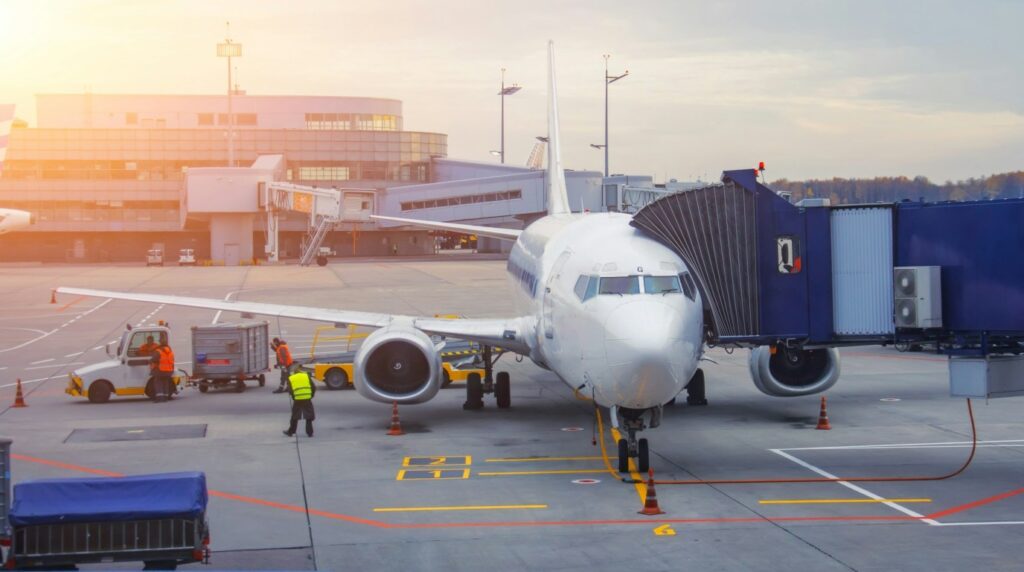
Caracas international airport in Maiquetía is the airport you will use for almost any international trip into Venezuela. If you see CCS on your ticket or SVMI in flight data, you are looking at the same place, Simón Bolívar International Airport, the country’s main air gateway serving Caracas.
If you are planning a trip to Angel Falls, Los Roques, Los Llanos, Mérida, or the Orinoco Delta, this airport matters more than most travelers expect. Your arrival time, terminal, airline choice, and transfer setup can shape the rest of your trip, especially if you are connecting to domestic flights or heading straight to remote regions.
The key thing to know is that Maiquetía is not in central Caracas, it sits on the coast near La Guaira, about 13 miles west of the capital, and it remains the main international entry point for organized travel across Venezuela.
That makes pre-trip coordination worth the effort. If you are building a custom route through Venezuela, it helps to confirm flights, transfers, and onward logistics with a local specialist before you land, especially for nature-heavy itineraries that start soon after arrival.
Key Takeaways
CCS and SVMI both refer to Caracas’s main international airport in Maiquetía.
The airport is the usual starting point for trips into Venezuela’s top nature regions.
Service is recovering, and international links, including U.S. connections, are becoming more relevant again.
Caracas
More Destination
REQUEST

Airport Basics and Why It Matters
If you are comparing maps, tickets, and airline systems, the airport can look confusing because it appears under several names. In practice, travelers and locals often use these terms interchangeably, even though they all point to the same major airport.
Where Maiquetía Is and How It Serves Caracas
Maiquetía sits on the Caribbean coast in La Guaira state, near the city of Maiquetía, and serves Caracas from the coast rather than from inside the capital itself. Downtown Caracas is roughly 21 kilometers, or 13 miles, away.
That distance matters when you plan arrivals. Traffic conditions, time of day, and security planning can all affect how long it takes to reach your hotel or your next transport point.
When you land at Caracas Airport, you are really landing at the coastal gateway for the capital. That is why many travelers refer to it simply as Maiquetia Airport, while airline systems may list it as Caracas Simon Bolivar International Airport or Caracas Simón Bolívar International Airport.
Airport Codes, Official Names, and Common Terms
You will see several names for this airport:
CCS, the IATA airport code
SVMI, the ICAO code
Simón Bolívar International Airport
Simon Bolivar International Airport
Aeropuerto Internacional de Maiquetía
Maiquetía International Airport
Caracas Airport
If you are checking a boarding pass, flight tracker, or booking platform, CCS is the code you need most often. If you are reading aviation data or airport operations information, SVMI is the technical code.
Why This Airport Is Venezuela’s Main International Gateway
This is Venezuela’s busiest airport and its main international passenger gateway. If you are entering the country from abroad, there is a strong chance you will pass through CCS unless you are on a very limited alternate routing.
It also works as the main bridge between international arrivals and domestic travel. For many travelers, Maiquetía is the handoff point between a long-haul flight and a smaller domestic connection, a private transfer, or an organized route into protected areas and remote regions.
Our Travel Packages



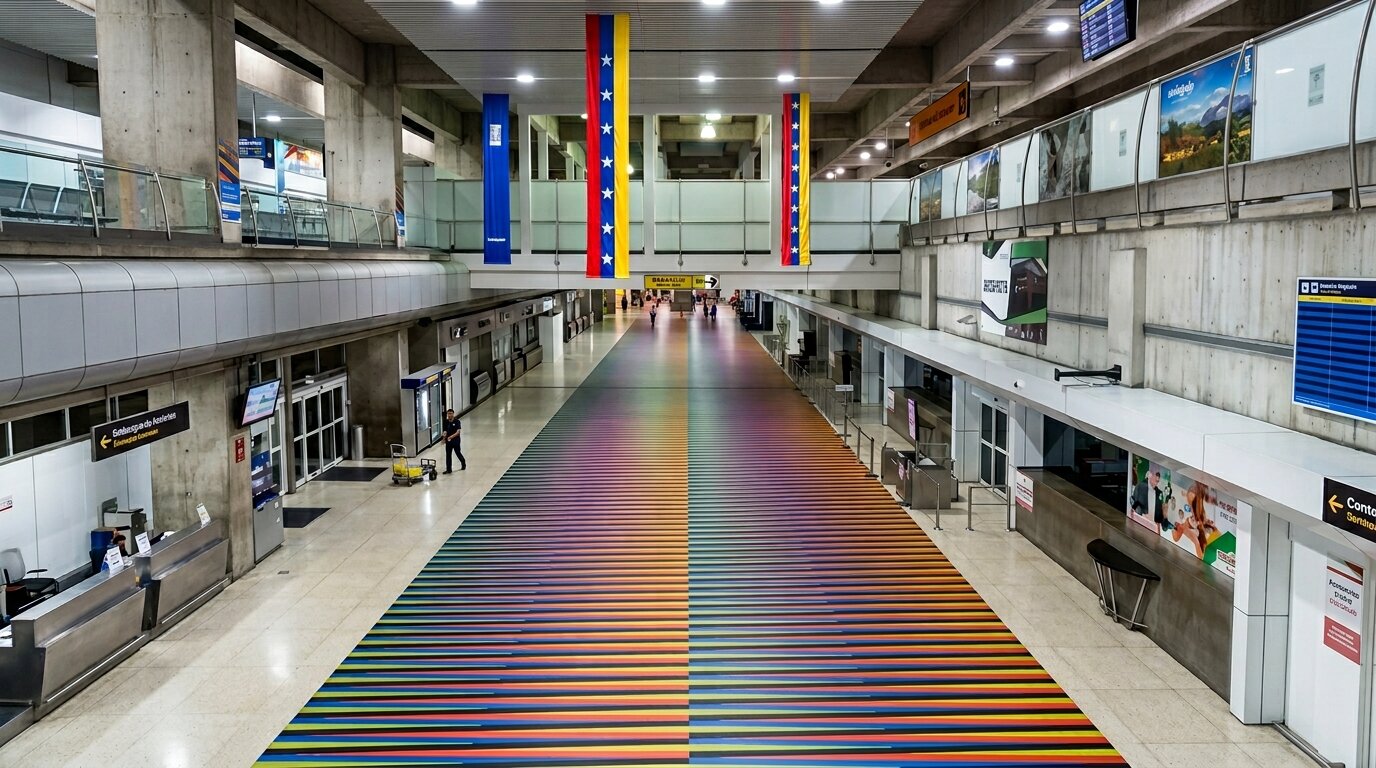
Flights, Airlines, and International Connectivity
Major International Routes and Global Gateways
Caracas serves as a vital node for transatlantic and regional travel. Major hubs like Panama and Madrid provide frequent links, connecting Venezuela to the rest of the Americas and Europe.
Turkish Airlines maintains a high-profile bridge to Istanbul. This route has become a cornerstone of the airport’s long-haul network, linking CCS to diverse destinations across Europe and Asia.
Connectivity to Europe is historically anchored by flights to Portugal and Spain. Carriers like Iberia have long defined the air bridge between Caracas and the Iberian Peninsula, maintaining essential cultural and commercial ties.
Historic and Evolving Airline Presence
The airport’s operational history includes service from global giants such as United Airlines, Air Canada, British Airways, Lufthansa, Air France and Alitalia. These legacy links reflect the airport’s capacity for high-level international operations.
While specific schedules for these carriers fluctuate based on global market conditions, their presence remains a benchmark for the airport’s connectivity. Most international travelers will use a combination of these traditional routes or emerging regional hubs.
Flight options at CCS have changed a lot over the past decade, and they continue to shift. If you are booking flights to Caracas, you should verify routes close to departure because schedules, frequencies, and country-level permissions can change faster here than in more stable markets.
Flights to Caracas and the Role of Maiquetía in Entry Planning
When you search for flights to Caracas, you are searching for service into Maiquetía, not an airport inside the city center. That is important when you compare connection times or plan same-day onward travel.
From experience, it is smart to leave padding in your schedule if you are connecting onward within Venezuela. Immigration lines, baggage timing, terminal movement, and transfer coordination can take longer than expected, especially if you land late or during a busy bank of flights.
If you are arriving for a guided nature itinerary, many operators prefer to build in an overnight near the airport or in Caracas before sending you onward.
Domestic and Regional Carriers Operating Through CCS
CCS has long served as a base or major operating airport for several Venezuelan carriers. Names commonly associated with the airport include:
Laser Airlines
Rutaca Airlines
Avior Airlines
Aeropostal
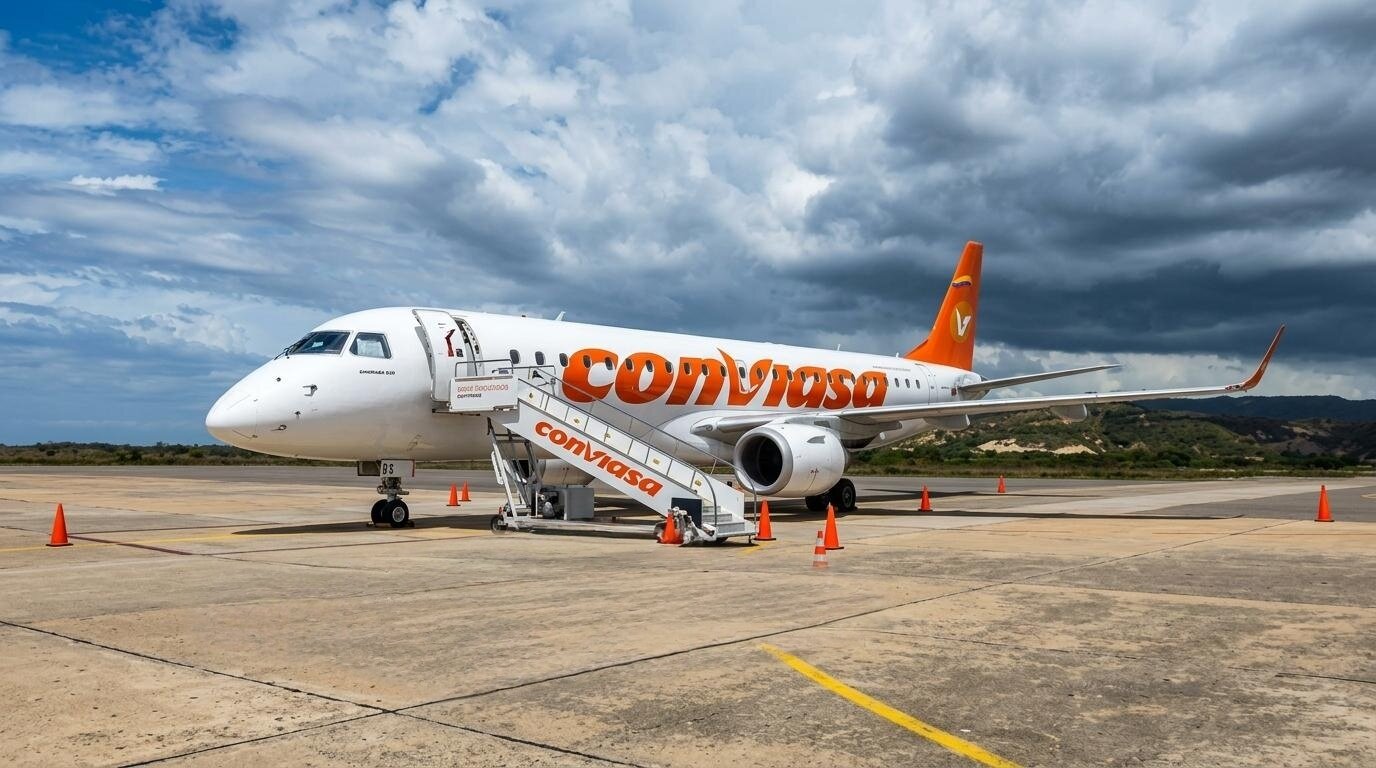
Conviasa
Venezolana
Actual schedules vary, and not every airline maintains the same route map over time. Still, these carriers are central to domestic and regional access, especially if you are trying to reach places like Puerto Ordaz, Porlamar, El Vigía, or other useful connection points.
For remote nature travel, your route may involve a mix of international arrival, domestic carrier, and overland transfer. That is one reason structured planning matters.
Route Recovery, Caracas to Istanbul, and the Return of U.S. Links
Maiquetía has been rebuilding international connectivity after years of reduced service. One notable route in that recovery was Caracas to Istanbul, which helped restore a long-haul bridge between Venezuela and wider international networks.
A major 2026 development is the return of direct U.S.-linked commercial service after a long pause. That matters if you are traveling from the United States, booking family visits, or trying to simplify entry without routing through a third country.
For U.S. travelers, this does not mean every old route is back. It means CCS is regaining practical relevance, and you should check current airline schedules rather than rely on outdated assumptions.

Arrivals, Transfers, and Traveler Logistics
Once you land, the airport experience is fairly straightforward if your transfer is organized in advance. The biggest mistakes travelers make are assuming the airport is in central Caracas, underestimating transfer timing, or relying on last-minute transport for complex onward trips.
Terminals, Ground Transport, and Safe Transfer Planning
Simón Bolívar International Airport has separate domestic and international terminal functions. That split is useful, though the time you need between flights depends on baggage, airline coordination, and whether your itinerary is on one ticket or separate bookings.
For ground transport, the safest approach is simple: use a pre-arranged transfer. If you are heading to Caracas, La Guaira, or directly to a hotel near the airport, confirm the driver name, vehicle details, and pickup point before you land.
This matters even more if you are connecting to a lodge, charter segment, or regional departure. Teams such as Venezuela Nature often build airport pickups into a larger route plan for exactly this reason, especially when travelers are continuing to Canaima, Los Llanos, or the Orinoco Delta.
Airport Services, Contact Points, and What to Confirm in Advance
Airport facilities have improved compared with the lowest points of past disruption, though conditions can still vary. Before departure, confirm:
Your airline’s check-in time
Terminal details
Baggage rules for domestic sectors
Transfer arrangements
Cash and card expectations
Passport and entry document requirements
One airport contact number often listed for Simón Bolívar International Airport is +58 212 303 1527. As with any airport contact point in the region, it is wise to treat published numbers as helpful rather than guaranteed and to also confirm details directly with your airline or local travel coordinator.
Onward Connections to Venezuela’s Main Nature Destinations
CCS is the launch point for many of Venezuela’s best-known travel regions. Common onward patterns include:
Canaima and Angel Falls, often via domestic connections and coordinated park logistics
Los Roques, usually via onward flight planning
Los Llanos, via domestic air or overland transfer depending on itinerary
Mérida and the Andes, often through domestic sectors or combined land arrangements
Orinoco Delta, usually with transfer coordination through eastern Venezuela
If your trip includes remote lodges, boats, or park entry windows, keep your first day flexible. In my experience, travelers have a much smoother start when the airport arrival is treated as one stage of the journey, not as a minor detail.
Recovery, Reputation, and Future Hub Potential
CCS carries a mixed reputation shaped by strong geography, uneven years, and clear signs of recovery. If you are watching the airport from a travel planning angle, the key story is not just what the airport was, it is what role it may regain in regional aviation.
How Maiquetía Is Rebuilding International Momentum
Maiquetía has been trying to restore lost connectivity and improve traveler confidence. Passenger volumes, route activity, and airport upgrades all point to a broader push to make the airport more functional and more competitive again.
For travelers, that means more than cosmetic change. Better route availability can reduce awkward connections, lower total trip time, and make Venezuela easier to reach for both tourism and family travel.
You can see that momentum in the return of foreign airline interest, revived service patterns, and the renewed visibility of CCS in Latin American network planning.
What Delays, Disruptions, and Flight Delay Compensation Mean for Travelers
At any airport with recovering connectivity, delays and schedule changes are part of the picture. If your flight is late, canceled, or significantly changed, keep all booking records, boarding passes, baggage receipts, and airline messages.
Flight delay compensation rules depend on the airline, route, and legal framework that applies to your ticket. You should not assume automatic compensation, especially on multi-carrier itineraries or routes involving changing regulatory conditions.
The practical tip is simple: do not book tight same-day links to remote areas unless your local operator can actively manage the connection. A missed domestic sector can affect lodge arrivals, boat departures, and national park access.
Historic Milestones and the Case for Caracas as a Regional Hub
Maiquetía has a long aviation history. It opened in 1945 and quickly became a premier aviation hub in Latin America, serving as a vital bridge between Europe and the Americas.
A major highlight was the regular arrival of the Concorde. Air France operated scheduled supersonic service to Caracas starting in 1976, making it one of the few global destinations to host the world’s fastest passenger jet.
The airport also served as the primary hub for Viasa, the legendary carrier that connected Venezuela to five continents. Today, its strategic coastal location remains a key asset for its continued growth as a central regional gateway.

Frequently Asked Questions
Find answers to the most common questions about Simón Bolívar International Airport in Maiquetía, including flights, airlines, destinations, services, and travel information to help you plan your trip efficiently.
Caracas’s main international airport is Simón Bolívar International Airport in Maiquetía, La Guaira, Venezuela. Many travelers also know it as Aeropuerto Internacional de Maiquetía or simply Caracas Airport.
The airport is in Maiquetía on the coast, about 21 kilometers, or 13 miles, west of central Caracas. On a map, search for CCS, SVMI, Simón Bolívar International Airport, or Maiquetia Airport.
Airlines and route maps change, though carriers commonly associated with CCS include Conviasa, Laser Airlines, Rutaca Airlines, Avior Airlines, Aeropostal, and Venezolana, along with selected international airlines. You should always verify current service before booking because frequencies and permissions can change.
As of May 2026, direct U.S.-Venezuela commercial service has resumed after a long suspension, with renewed Miami-Caracas service marking a key change. You should still check current airline schedules, entry requirements, and government advisories before booking because conditions can evolve quickly.
Yes. As of 2026, American Airlines operates direct flights between Miami (MIA) and Caracas (CCS), restoring regular commercial service after several years. Miami is currently the main U.S. gateway to Venezuela.
Flight availability may vary depending on regulatory approvals, so travelers should confirm schedules and entry requirements before booking.
Yes. Simón Bolívar International Airport (CCS) meets international aviation safety standards and handles all of Venezuela’s commercial international traffic. International airlines operate there regularly.
Travelers should:
- Use authorized airport taxis or pre-arranged transfers
- Arrive early for check-in
- Follow standard travel precautions
The airport is located in Maiquetía (La Guaira), about 30 minutes from Caracas.
Caracas has one main commercial airport:
Simón Bolívar International Airport (CCS) – all international and domestic commercial flights.
There is also La Carlota Air Base, but it is not used for commercial airline passengers.