
Puerto Cabello In Venezuela:
What To See And Know on your trip
Puerto Cabello in Venezuela is worth your attention if you want more than a beach stop. You get a working Caribbean port, old Spanish fortifications, a lived-in waterfront, and easy access to greener coastal scenery that many travelers miss when they focus only on headline destinations.
What stays with you most is the contrast. In one part of town, you are looking at heavy port movement and everyday city traffic. A short distance away, you find sea views, colonial traces, and the forested edge of San Esteban National Park. If you are trying to decide whether Puerto Cabello in Venezuela belongs on your route, the short answer is yes, especially if you like places where history, trade, and coastal landscapes sit side by side.
It works best as either a one-night coastal stop or a practical add-on within a broader Venezuela itinerary. If you are planning a more structured trip through the country, local specialists such as Venezuela Nature can help connect places like this with guided logistics, transfers, and nature-focused routing across safer, better-monitored travel corridors.
Key Takeways
- You get a real port city with major historical weight and a strong local atmosphere.
- The main appeal comes from combining forts, waterfront walks, and nearby coastal nature.
- You will enjoy it most with realistic planning around transport, timing, and guided logistics.
Central Venezuela
More Destination
REQUEST
Why Puerto Cabello Matters for the economy
Puerto Cabello matters because it is not just a place to pass through on the coast of Carabobo. It is one of those cities where Venezuela’s maritime history, strategic geography, and everyday coastal life are all visible at once.
Geography unic: Venezuela’s Caribbean Coast
You find Puerto Cabello on Venezuela’s north coast, in Carabobo State, facing the Caribbean Sea. It sits roughly west of Caracas, close enough to fit into a central-coast route, though it feels distinct from the capital almost immediately.
On the map, its position explains a lot. It occupies a naturally favorable stretch of coast with calm waters, and that protected setting is one reason the harbor became so important.
Puerto Cabello: Discover its role as the main port in Carabobo
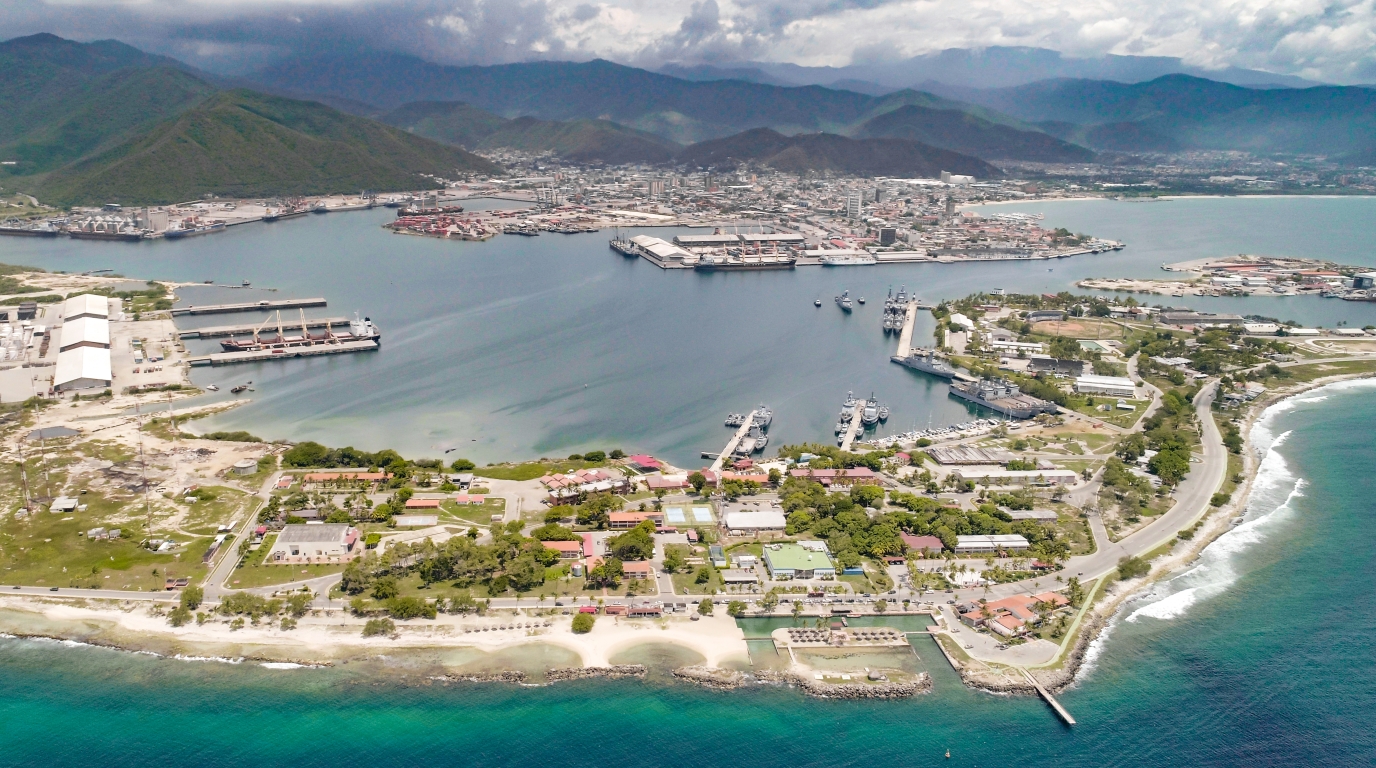
Puerto Cabello is the principal port city in Carabobo and widely regarded as the country’s largest and busiest seaport. That commercial role still shapes what you see, from cargo movement and industrial zones to the city’s practical, working character. However, non-obvious claims like population figures, port primacy, and economic role are often presented without named sources, studies, or links, which can make them difficult for readers to verify independently
This is not a resort town pretending to be historic. It is a functioning port with long national importance in trade, shipping, and logistics.
What Kind Of Destination Travelers Should Expect
You should expect a layered urban coastal stop, not a polished beach enclave. The appeal comes from fortresses, harbor views, older streets, local routines, and the sense that the city still works for itself first.
If you enjoy places with texture, Puerto Cabello can be rewarding. If you want only quiet sand and insulated tourism, you may prefer to use it as a short stop before continuing to beaches or nature areas nearby.
In terms of cuisine, Puerto Cabello reflects its coastal setting and working-city character. You will find simple, local seafood dishes, fried fish, tostones, and traditional Venezuelan staples rather than a highly developed restaurant scene. Food here tends to be practical and locally oriented, with the best experiences often coming from small, informal spots rather than destination dining.
Our Travel Packages


Historic Sights And Waterfront Character
The best way to experience Puerto Cabello is to read it through its defensive architecture and waterfront rhythm. Its old forts and central seafront tell you why this harbor mattered, and why it still feels different from more purely leisure-focused coastal towns.
Castillo De San Felipe And The Colonial Defensive System
Castillo De San Felipe is the city’s signature historic landmark. Built as part of the Spanish colonial defensive system, it protected a harbor that was valuable enough to attract smugglers, privateers, and repeated military attention.
When you stand near the old stone walls, the city’s past stops feeling abstract. You can see why Puerto Cabello became one of the most fortified points on Venezuela’s coast, especially in the late colonial period and the independence era.
Fortín Solano And Views Over The Harbor
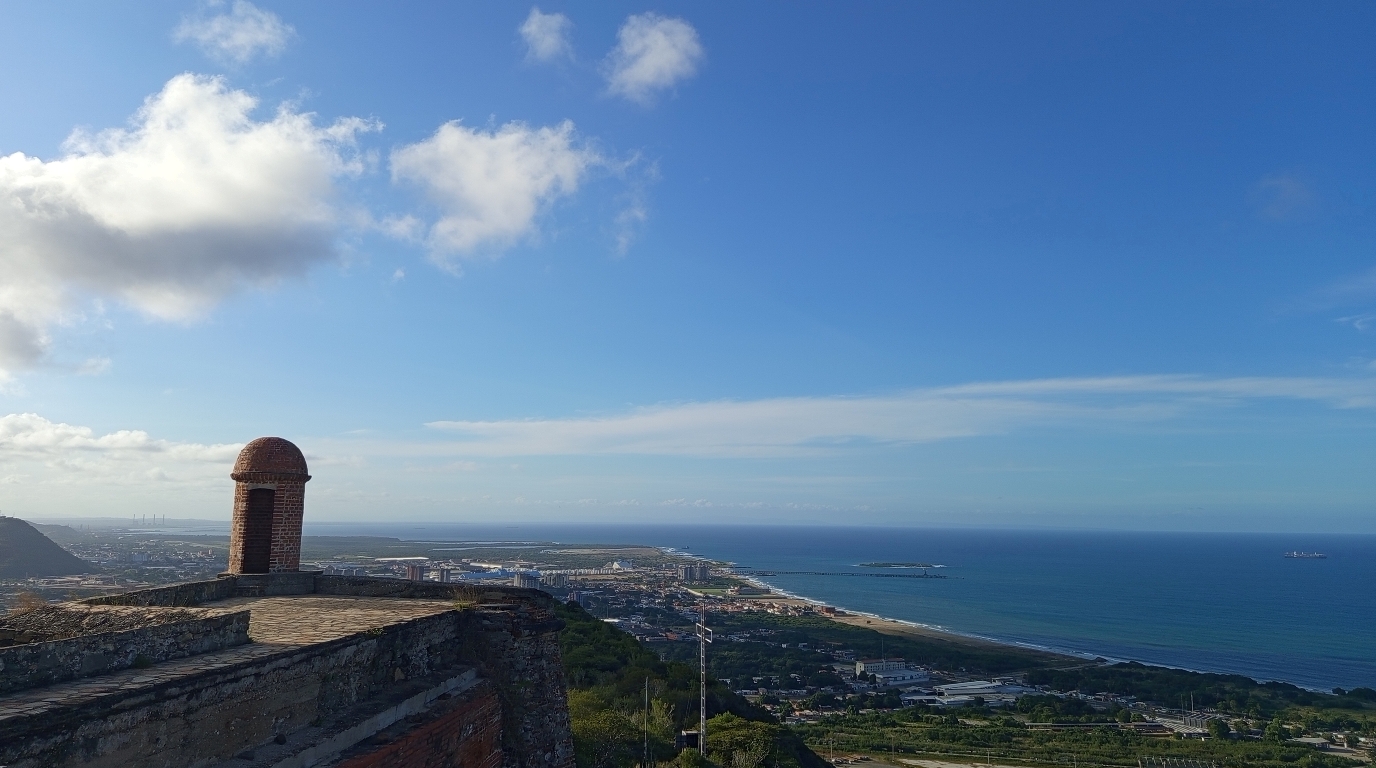
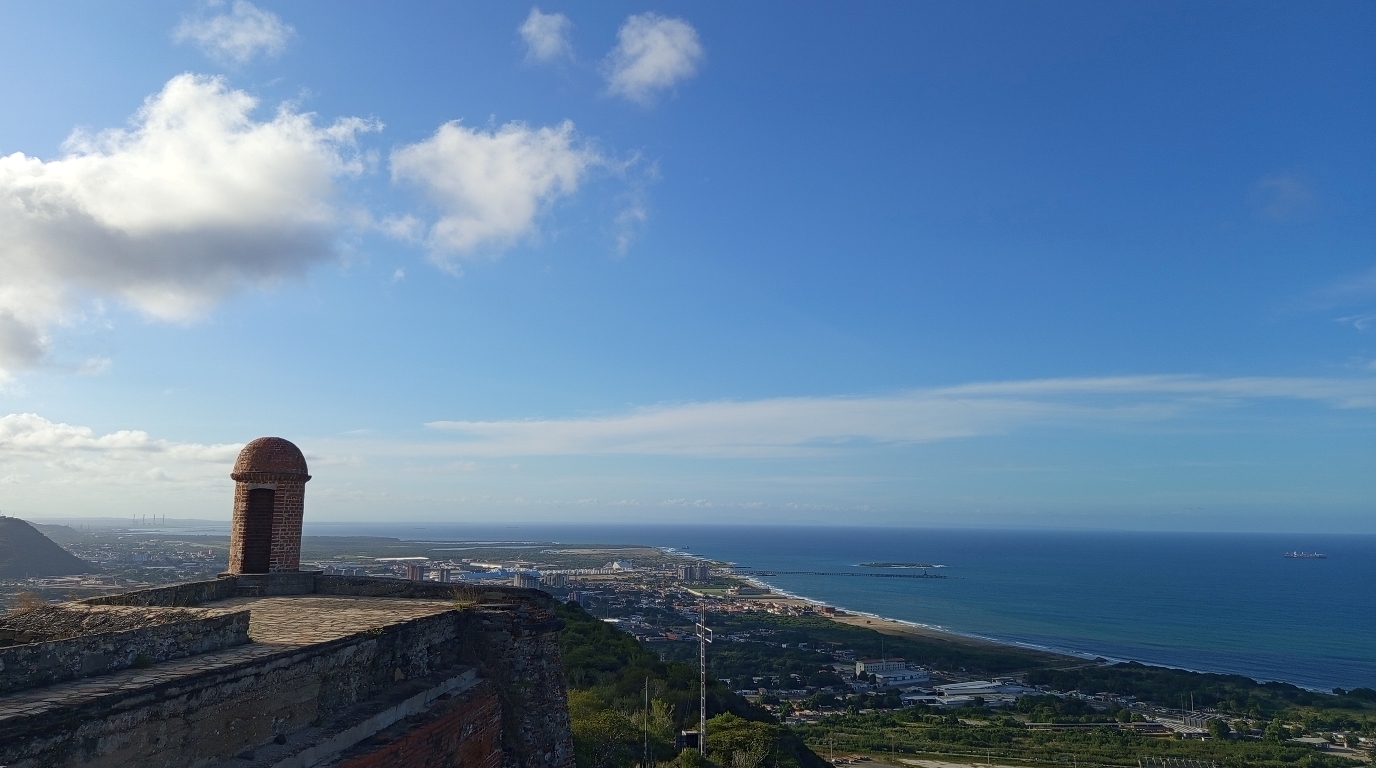
Fortín Solano gives you the broader picture. Set above the city, it is the place where the geography clicks into place and the harbor’s strategic importance becomes obvious.
The views are the draw as much as the history. From up there, you get the visual mix that defines Puerto Cabello, sea, port infrastructure, low-rise cityscape, and green slopes beyond.
The Historic Center, Malecón, And Everyday City Atmosphere
The historic center is not grand in a museum-like way. It feels worn, active, and local, with traces of colonial form still visible in street layout, older facades, and civic buildings linked to the Alcaldía De Puerto Cabello.
The malecón is where the city softens a little. In the late afternoon, the waterfront atmosphere becomes more relaxed, with sea air, people strolling, and the kind of ordinary city life that often tells you more than any monument.
Nature, Beaches, And Nearby Excursions
Puerto Cabello becomes more interesting when you stop treating it as only a port city. Its edge with San Esteban National Park, plus nearby coastal outings, gives you a more balanced experience of this part of Venezuela.
San Esteban National Park And Forested Coastal Landscapes
San Esteban National Park sits close enough to shape the city’s setting. It brings forested hills, coastal vegetation, and a greener backdrop that softens the industrial profile of the harbor.
This nearby protected area changes the feel of a visit. Even if you only make a short excursion, you start to see Puerto Cabello as a gateway to landscapes rather than just a standalone urban stop.
Beach Time And Short Coastal Outings
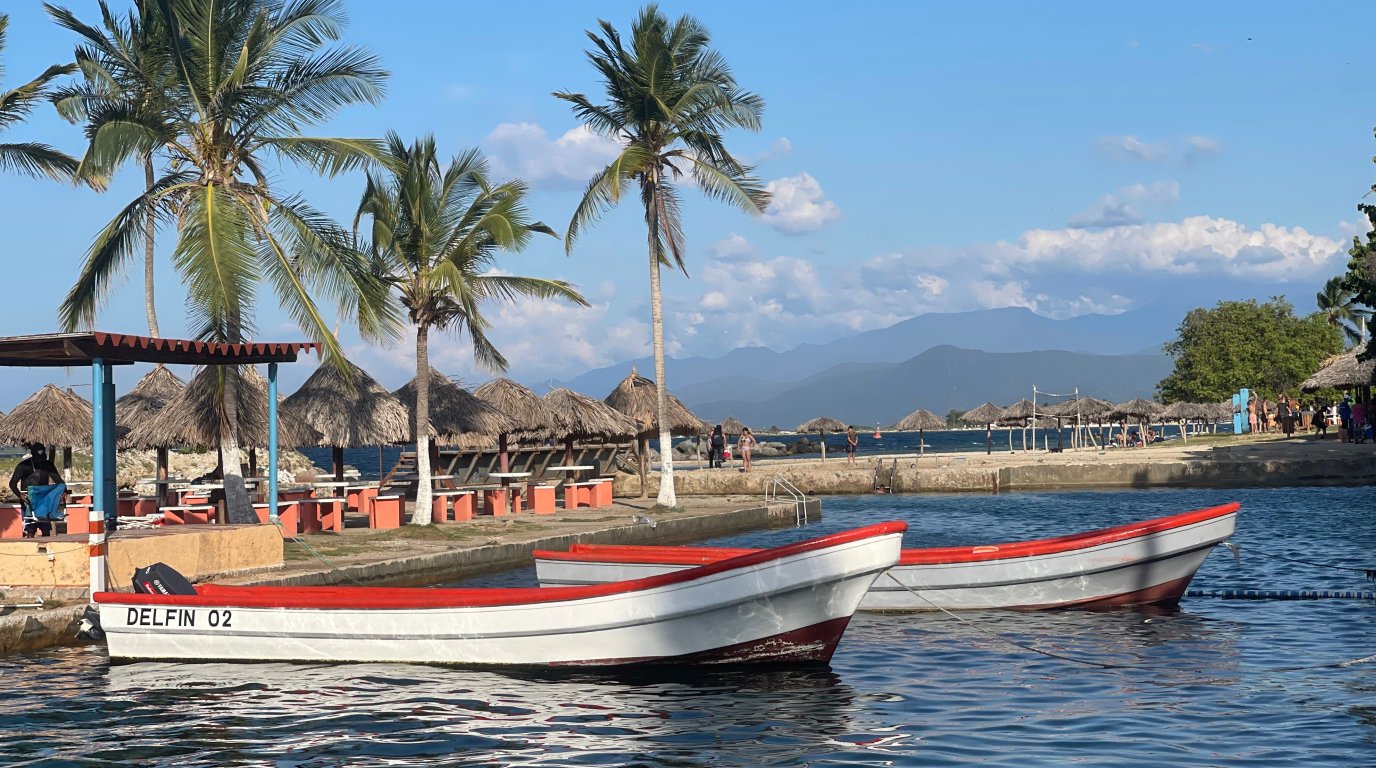
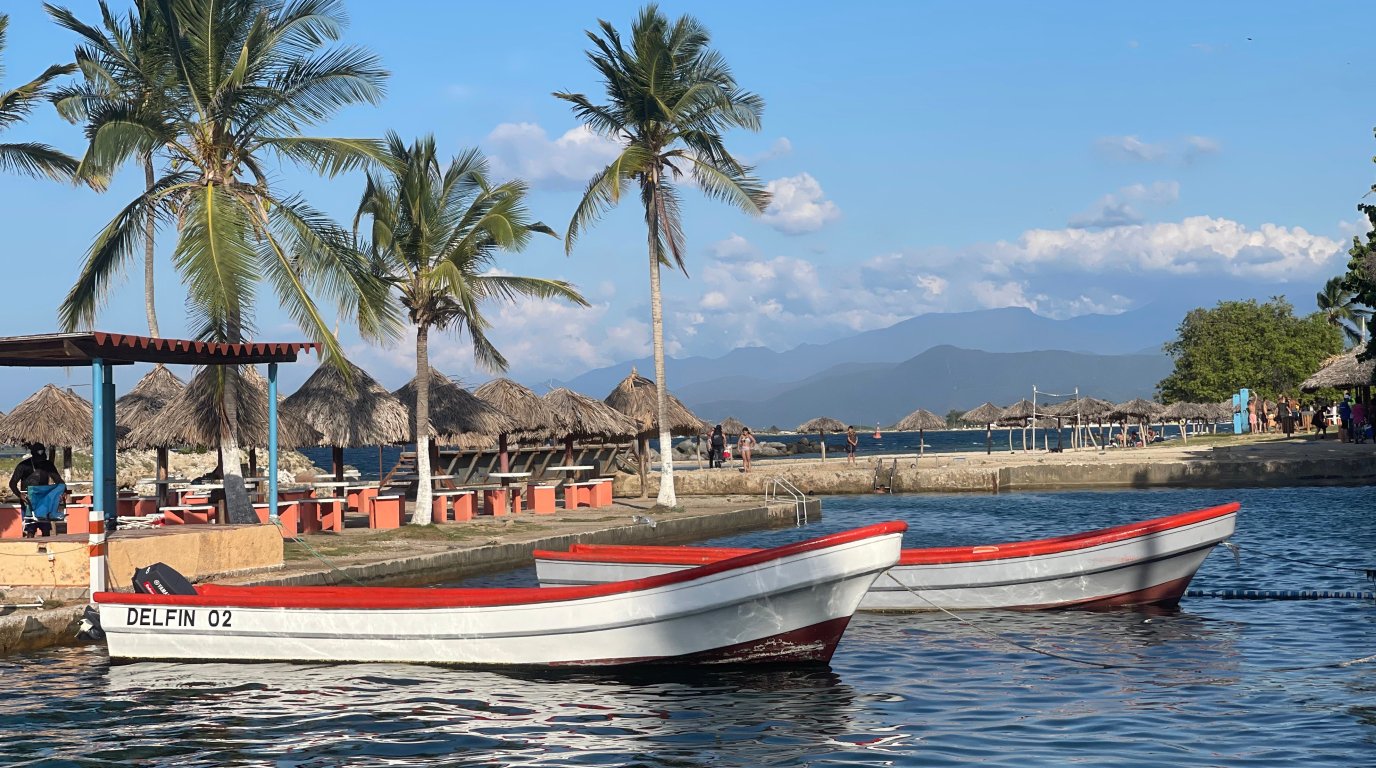
Puerto Cabello is not Venezuela’s top beach base, though you can still use it for short coastal outings. Travelers often pair the city with nearby beaches and coves for a few hours of sea time, especially if they want a break from sightseeing without committing to a full island or resort plan.
The key is keeping expectations measured. You come here for a mix of coast and history, then use the shoreline nearby as a complement, not the sole reason for the visit.
How Puerto Cabello Fits A Wider Nature-Focused Venezuela Trip
Puerto Cabello fits best as a connecting piece in a wider route that might also include places such as Mochima, Morrocoy, Los Roques, the Andes, or inland wildlife regions. It adds historical and coastal contrast to a trip otherwise focused on parks, islands, or mountain landscapes.
If you prefer nature-led travel with local support, companies like Venezuela Nature can help place Puerto Cabello into a broader custom itinerary, especially when you want guided transfers and realistic route planning between less obvious destinations.
Planning A Visit Smoothly
Puerto Cabello is manageable if you treat it as a practical stop with a few strong sights rather than trying to force a resort-style stay. Timing, transport, and local context matter more here than they do in more straightforward beach destinations.
Best Reasons To Stop For A Day Or Stay Longer
A day stop works well if your priorities are the forts, waterfront, and a quick sense of the historic center. One night gives you more breathing room, especially for an evening walk along the malecón and a short side trip toward greener coastal areas.
You are likely to stay longer only if you are moving slowly through the central coast or combining the city with nearby beaches and San Esteban.
Getting There And Moving Around
Most travelers reach Puerto Cabello by road from Caracas, Valencia, or other central Venezuelan hubs. If you are already traveling through Carabobo, the city is a logical coastal detour rather than a difficult standalone mission.
Within the city, short taxi rides or arranged transport are the simplest option. Distances are not huge for the main sights, though the climate is hot and walking is best kept to selected central areas during daylight.
Safety, Logistics, And Guided Travel Considerations
You should approach Puerto Cabello with the same practical care you would use elsewhere in Venezuela. Keep plans simple, avoid unnecessary night movement in unfamiliar areas, use trusted transport, and do not treat the port environment like a casual wander-anywhere destination.
Guided planning can make a real difference, especially if Puerto Cabello is just one segment of a larger route. Travelers using local operators often benefit from current route monitoring, pre-arranged transfers, and a clearer sense of which coastal stops combine well.
Frequently Asked Questions
Before planning your visit, it helps to clarify a few practical points about Puerto Cabello. The answers below cover key details on location, transport, and what to expect.
Puerto Cabello is on Venezuela’s Caribbean coast in Carabobo State, roughly 210 kilometers west of Caracas. On a map, look for a central-north coastal city with a major harbor along the Caribbean Sea.
The port is used for large-scale commercial cargo movement and has long been one of Venezuela’s most important maritime gateways. It is a key node for imports, exports, and industrial supply chains, which is why the city matters far beyond tourism.
For formal cargo documentation, shipping parties typically use the official UN/LOCODE and carrier-specific identifiers assigned to Puerto Cabello. These codes can change by system and shipment type, so you should confirm them directly with your freight forwarder, customs broker, or shipping line before filing documents.
The local currency is the Venezuelan bolívar, though in practice payment habits can vary widely by provider and current conditions. You should confirm accepted payment methods in advance, carry small practical amounts, and exchange money only through reliable, current channels arranged with trusted local guidance.
Puerto Cabello’s population is commonly placed at around 190,000 in recent estimates. Earlier counts were lower, so the broad trend has been gradual growth, though exact figures can vary depending on the year and source used.
The most practical nearby airport option is Valencia, with Caracas also used by many international travelers connecting onward by road. The best way to reach the city is usually a pre-arranged private transfer or trusted ground transport, especially if you want a smoother arrival and better control over timing.