
Catatumbo in Venezuela:
What You Need to Know Before Visiting the Catatumbo Region?
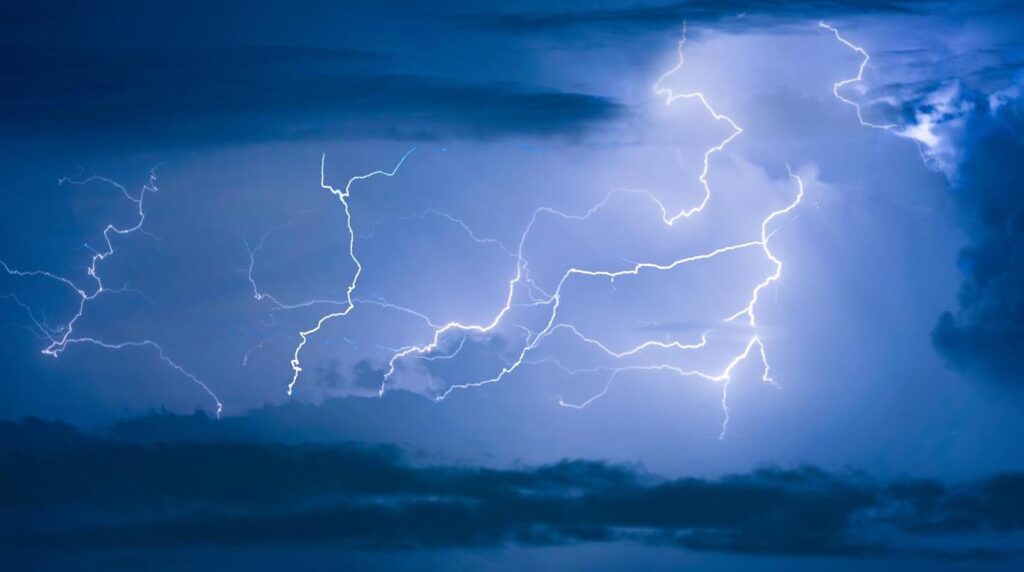
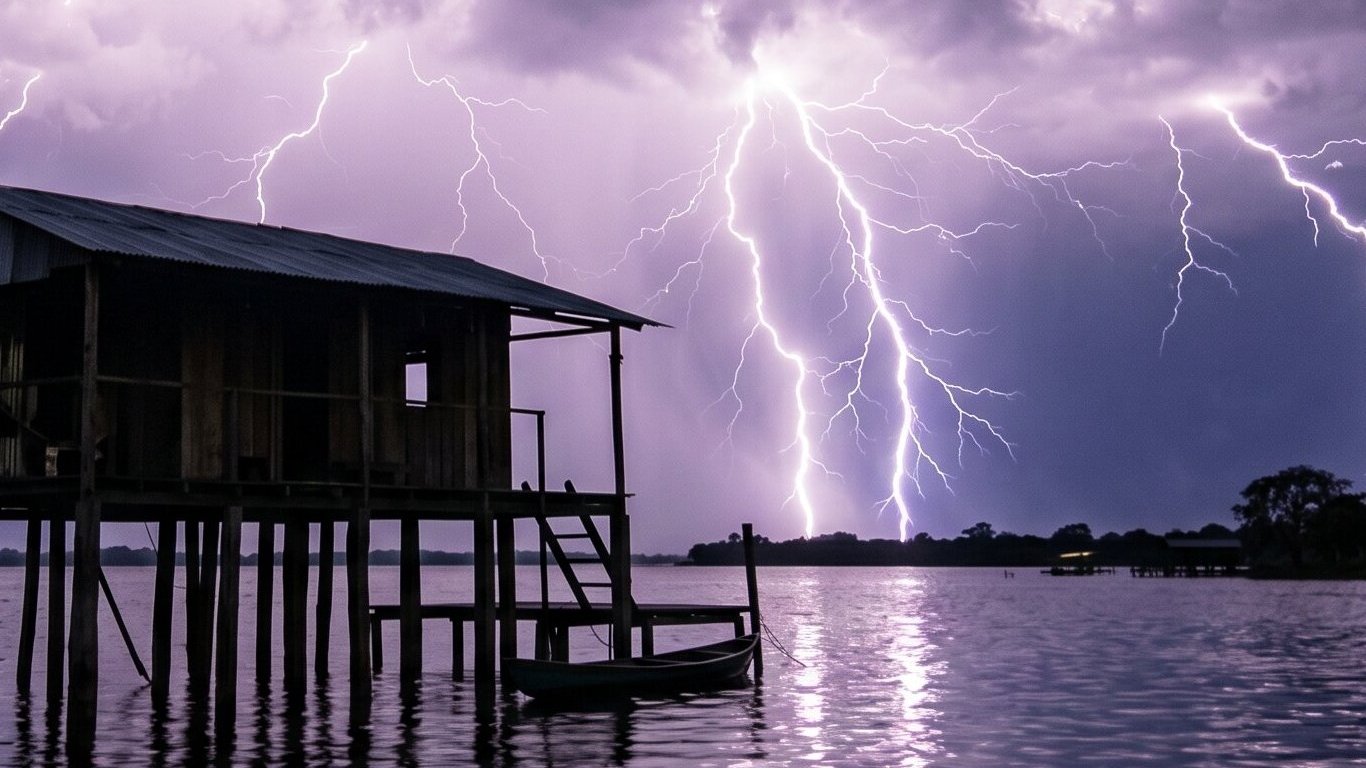
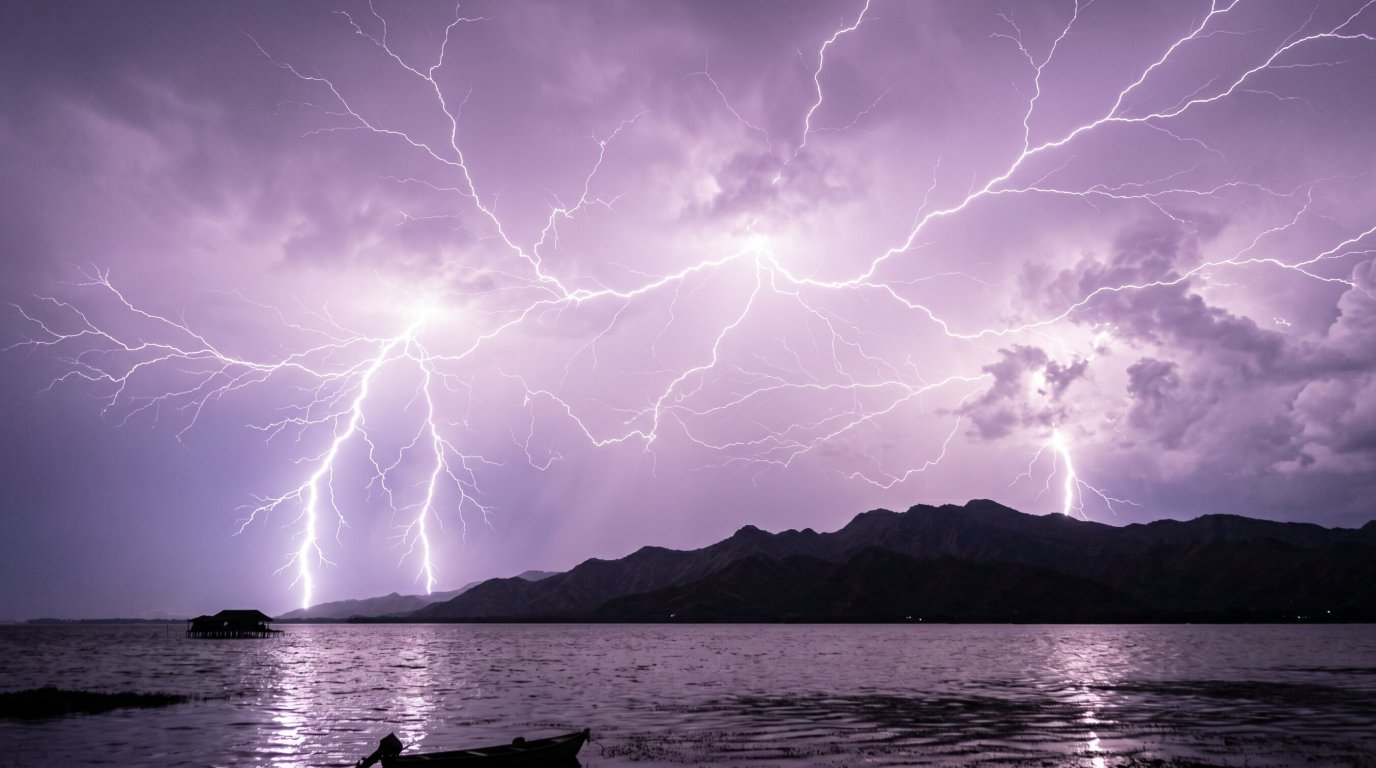
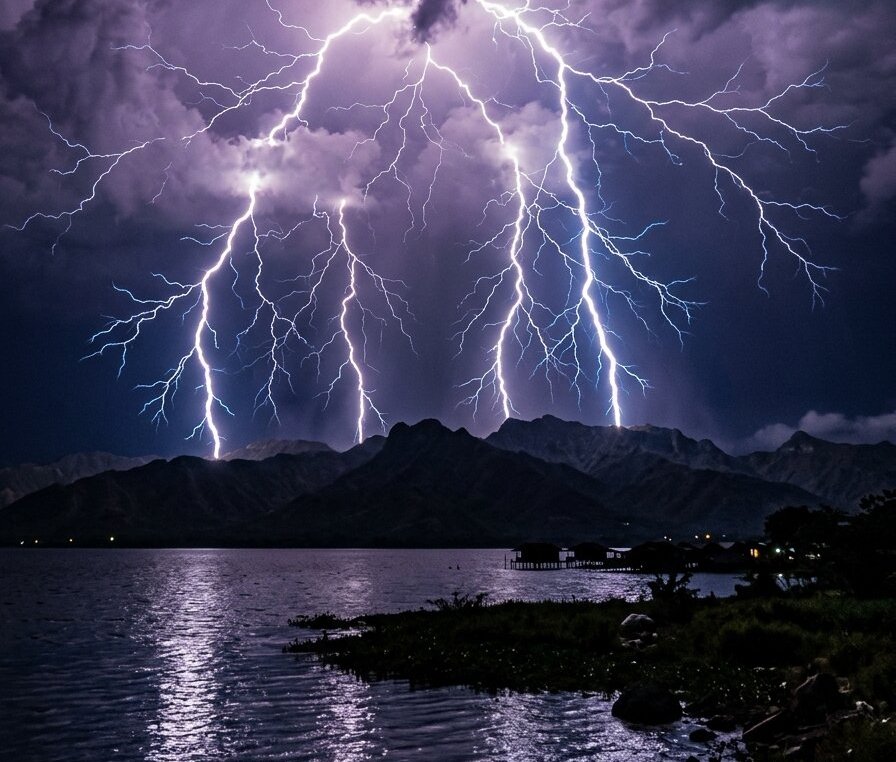
Catatumbo in Venezuela is one of the country’s most unusual natural events, a recurring lightning display that forms over the southern part of Lake Maracaibo in Venezuela, near where the Catatumbo River empties into Lake Maracaibo. This remarkable atmospheric phenomenon that occurs over and around the lake has made Catatumbo lightning one of the most discussed natural spectacles in western Venezuela and across South America.
If you are deciding whether it is worth adding to your trip to Venezuela, the short answer is yes, especially if you are interested in weather systems, wetlands, wildlife, and remote regions of the Catatumbo region in the state of Zulia, in north western Venezuela.
What makes Catatumbo lightning in Venezuela special is not just the number of lightning flashes you may see, but the mix of geography, climate, culture, and travel logistics that shape the experience of this rare atmospheric phenomenon.
When you plan well, this is not just a night of watching a mass of storm clouds build over the lake. It can become part of a broader nature-focused itinerary through Venezuela, especially if you are already visiting Mérida, Los Llanos, Canaima, or the Caribbean coast. A well-designed itinerary can connect the Andes, the lowland plains, and the wetlands west of Lake Maracaibo into one coherent journey.
Key Takeways
- Catatumbo is a recurring lightning phenomenon in Venezuela over the Lake Maracaibo Basin, in the state of Zulia.
- It is widely described as having the highest concentration of lightning strikes in the world.
- The phenomenon that occurs here is shaped by the Andes, wetlands, and the river rising in northern Colombia that becomes the Catatumbo River.
- It is best understood as part of the wider Maracaibo Basin, not just a single viewing point.
Central Venezuela
More Destination
REQUEST
What Catatumbo Is and Where It Happens ?
Catatumbo refers to the famous lightning activity that occurs over and around Lake Maracaibo, especially near the mouth of the Catatumbo River, in the area formed where the Catatumbo River flows into the lake.
The Catatumbo River flows from northern Colombia, specifically from areas near Norte de Santander, through remote terrain historically inhabited by the Barí Indigenous people, before crossing into Venezuela and entering the lake. This river, rising in northern Colombia and flowing west of Lake Maracaibo, plays a central role in shaping the local wetland system.
The phenomenon occurs only over the mouth and surrounding marshes in the southern lake region, within the broader Lake Maracaibo Basin, the largest lake in Venezuela and one of the largest lakes in South America.
Our Travel Packages


Why Lake Maracaibo Is the Center of the Phenomenon
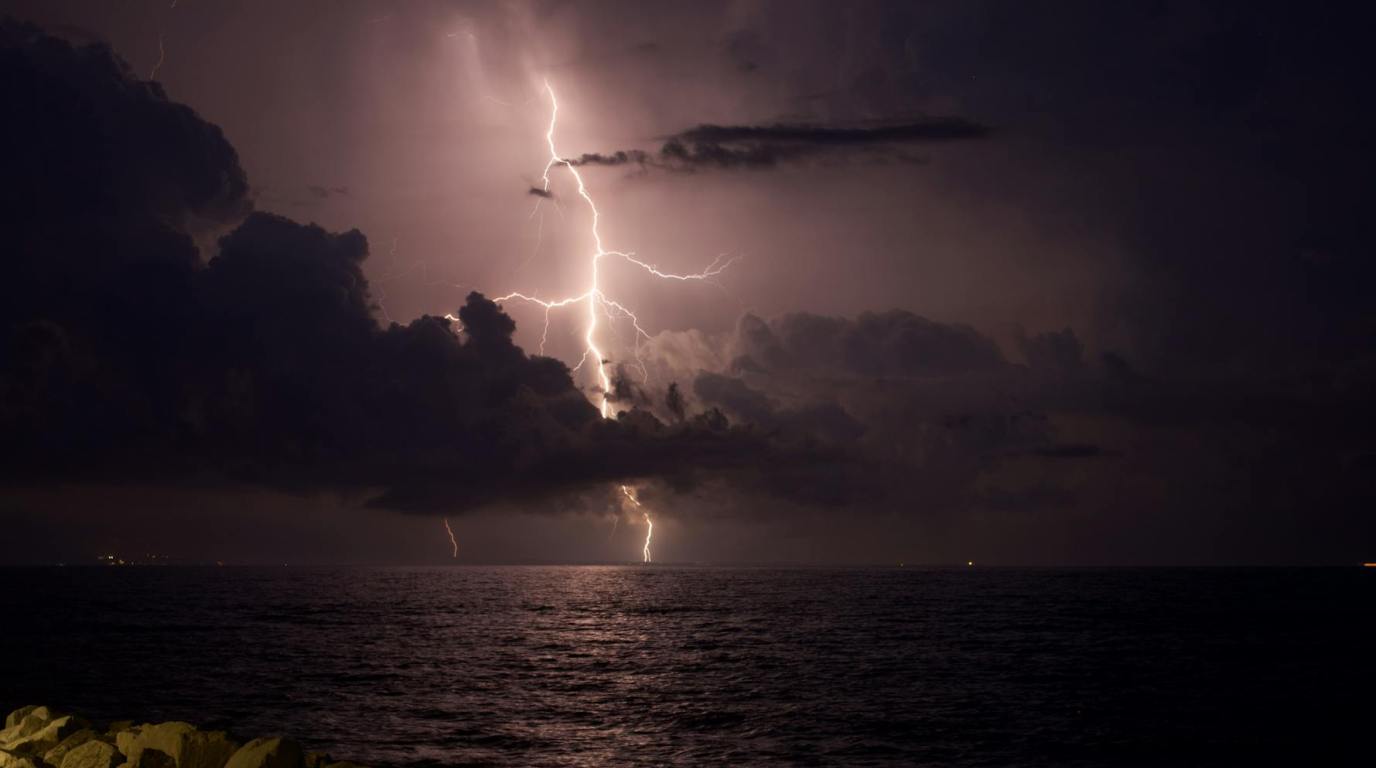
Lake Maracaibo sits in a basin surrounded by high mountain ridges, including the mountain ridges of the Andes, the Mérida Cordillera, and the Perijá Mountains. The lake is bordered by mountains and plain from three sides, trapping warm air and moisture.
During the day, heat builds over the water and wetlands. By evening, warm air rises and collides with cooler air descending from the Andes. This collision originates from a mass of humid air interacting with mountain-driven winds and a regional low-level jet, helping generate intense thunderstorm activity.
Scientists note that Venezuela has the highest lightning density recorded in some global satellite studies. In fact, the region has been cited for producing up to 28 lightning flashes per minute at peak intensity, with activity recorded on roughly 140 to 160 nights per year — sometimes described as 160 nights a year of electrical storms.
This is why the area around Lake Maracaibo is often called the lightning capital of the world.
The Role of Geography and Atmospheric Conditions
The Catatumbo lightning phenomenon is driven by a combination of:
- Warm lake surface temperatures
- Wetlands and methane-rich marshes
- Mountain airflow from the Andes
- Regional weather conditions and seasonal instability
Some researchers have explored whether natural methane emissions from swamp areas contribute to atmospheric instability, though the primary driver remains large-scale storm dynamics.
This is a recurring atmospheric phenomenon that occurs due to instability within the Maracaibo Basin, especially in the wet season. Lightning frequency changes throughout the year depending on rainfall patterns and broader climate systems.
Although often described as an everlasting storm, lightning changes from season to season. There were even concerns at one point that the storm might have been extinguished permanently after unusual drought years, but activity later returned.
History, Culture, and Identity
The Spanish name Relámpago del Catatumbo (sometimes written simply as relámpago del Catatumbo) reflects the long-standing recognition of this phenomenon in Venezuela.
The word Catatumbo may come from Indigenous language references meaning House of Thunder. Long before scientific studies, indigenous people, including the Barí, understood this landscape and its rhythms.
The lightning was historically called the Lighthouse of Maracaibo (or lighthouse de Maracaibo), because the glow could be seen from miles around, guiding navigation across the lake at night.
Writers such as Juan and later historical figures including Juan Manuel referenced the storms in regional accounts. Today, nearby protected areas like Juan Manuel National Park preserve important wetland and forest ecosystems connected to the phenomenon.
In northwestern Venezuela, especially in Zulia, the lightning is part of regional identity and pride.
What the Experience Is Like
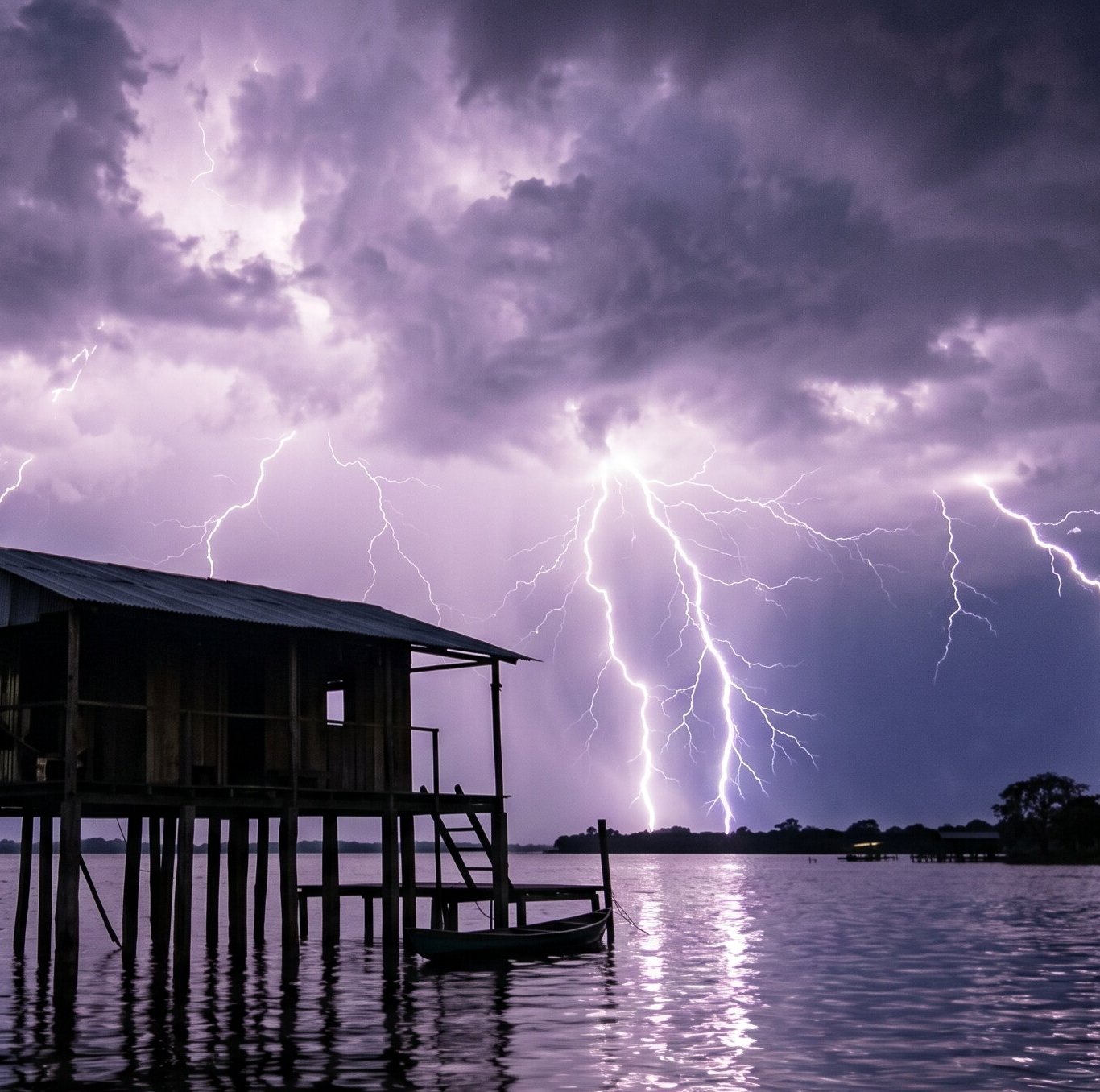
A visit usually includes a boat ride from Puerto Concha toward the village of Ologá, sometimes spelled Ologa, located near the bog area formed where the Catatumbo River flows into the lake.
The area formed where the Catatumbo meets the lake is a vast wetland system. From the water at night, you may witness one of the most dramatic nocturnal skies in South America.
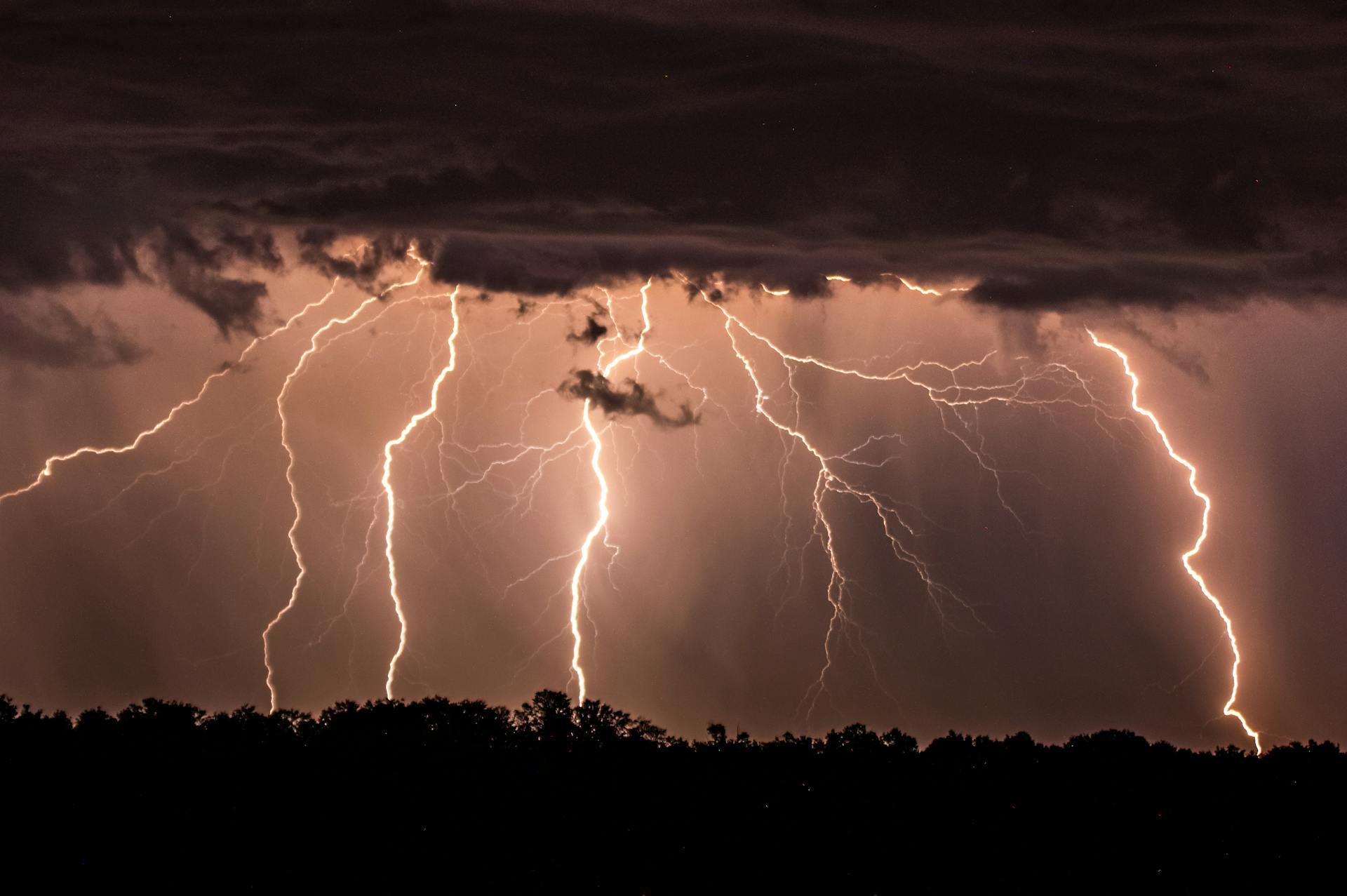
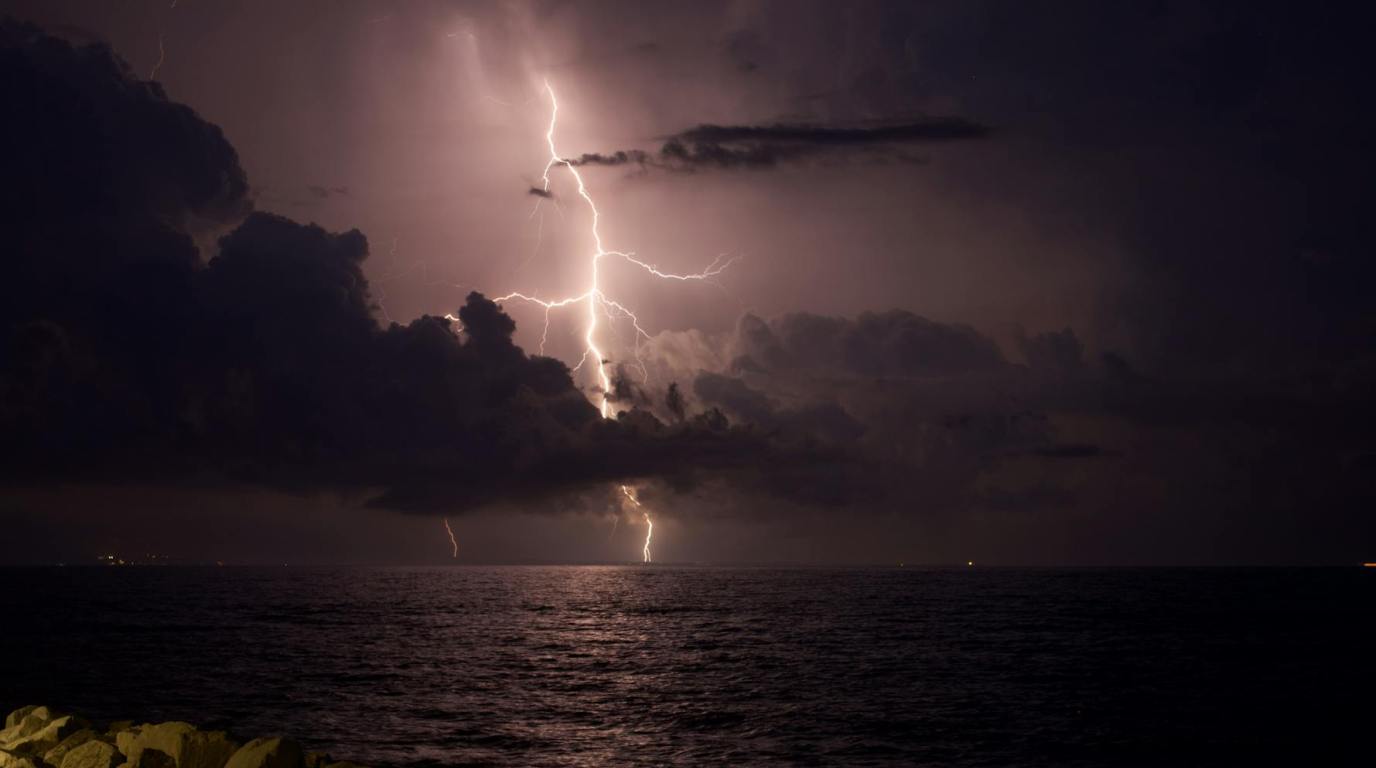
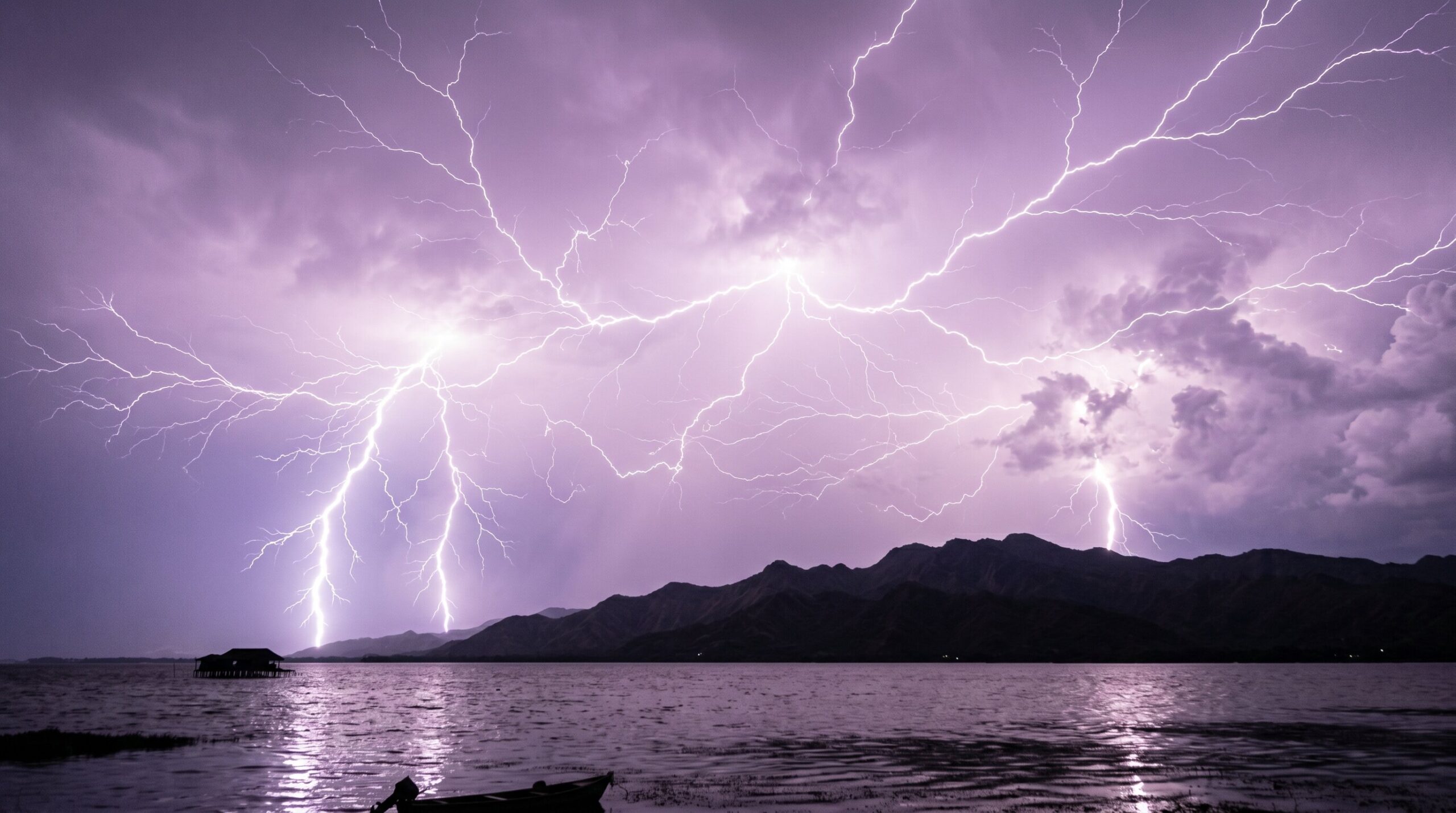
Storms often build after sunset. A towering mass of storm clouds forms over the southern basin, and then lightning strikes begin illuminating the sky.
At peak periods, storms can last several hours per day, creating an unforgettable experience of repeated flashes across the horizon.
However, this is still a natural system. Conditions vary by season, and no two nights are identical.
Is Catatumbo Lightning Dangerous?
Because this atmospheric phenomenon occurs in an active storm zone, there are real risks. Lightning strikes, heavy rain, and boat travel at night require caution.
The safest way to visit the Catatumbo region is with experienced local operators who understand changing weather conditions and lake navigation. The region is remote, infrastructure is basic, and comfort levels are modest.
Frequently Asked Questions
This quick FAQ covers the points travelers ask most often before planning a day trip or short stay. If you want the practical version of the town’s story, language, weather, and traditions, start here.
It forms when warm, humid air over Lake Maracaibo in Venezuela rises and meets cooler air descending from the Andes and nearby mountain systems. The interaction generates powerful thunderstorms and high lightning frequency in the Lake Maracaibo Basin.
The phenomenon occurs throughout much of the year, with strongest activity during the wet season. Frequency throughout the year varies depending on rainfall and regional climate patterns.
It is considered one of the world’s most intense lightning zones and is frequently cited when discussing the highest concentration of lightning strikes globally.
Yes. In some conditions, flashes can be seen from parts of northern Colombia, particularly near Norte de Santander, depending on distance and cloud cover.
It occurs over and around Lake Maracaibo, especially near the mouth of the Catatumbo River, in the southern basin west of Lake Maracaibo, within the state of Zulia in north western Venezuela.