Canaima Animals: Wildlife In Venezuela’s
Lost World
Canaima National Park sprawls across southeastern Venezuela—over 30,000 square kilometers of ancient, surreal landscape. This isn’t just any park: tepuis jut up out of the earth, rainforests weave through river valleys, and open savannas stretch for miles. All that variety means the wildlife here is both wildly diverse and, sometimes, found nowhere else. If you’re the kind of traveler who cares about nature, Canaima isn’t just about epic scenery—it’s a layered, sometimes baffling ecosystem where big mammals, rare birds, and odd reptiles all cross paths.
Most folks get their first glimpse of Canaima at the lagoon near the park’s western edge, where the Angel Falls trips usually begin. Even there, you’ll catch plenty of birds and river life. Venture further—toward the Gran Sabana or up into the tepui highlands—and the animals get weirder, rarer, and sometimes downright unrecognizable.
Getting deep into Canaima honestly takes some local savvy. Groups like Venezuela Nature handle the logistics and guides; it’s not a place you just wander into if you want to see wildlife safely.
Key Takeaways
- Canaima is home to a wild mix of large mammals, birds, and reptiles, spread across rainforests, savannas, and those dramatic tepui mountains.
- Lots of species here are hard to spot, but if you know where to look, animal sightings are steady enough to keep things interesting.
- The tepuis are like isolated islands in the sky, with species you won’t find anywhere else in South America.
What Animals You Can See In Canaima
You’ll hear about jaguars, giant otters, tapirs, harpy eagles, anacondas, and spectacled caiman. What you actually see? That depends on your route and timing. Riverbanks and forest edges are usually best for sightings, while the tepui tops are home to altitude specialists you’d probably miss elsewhere.
Signature Mammals Of The Park
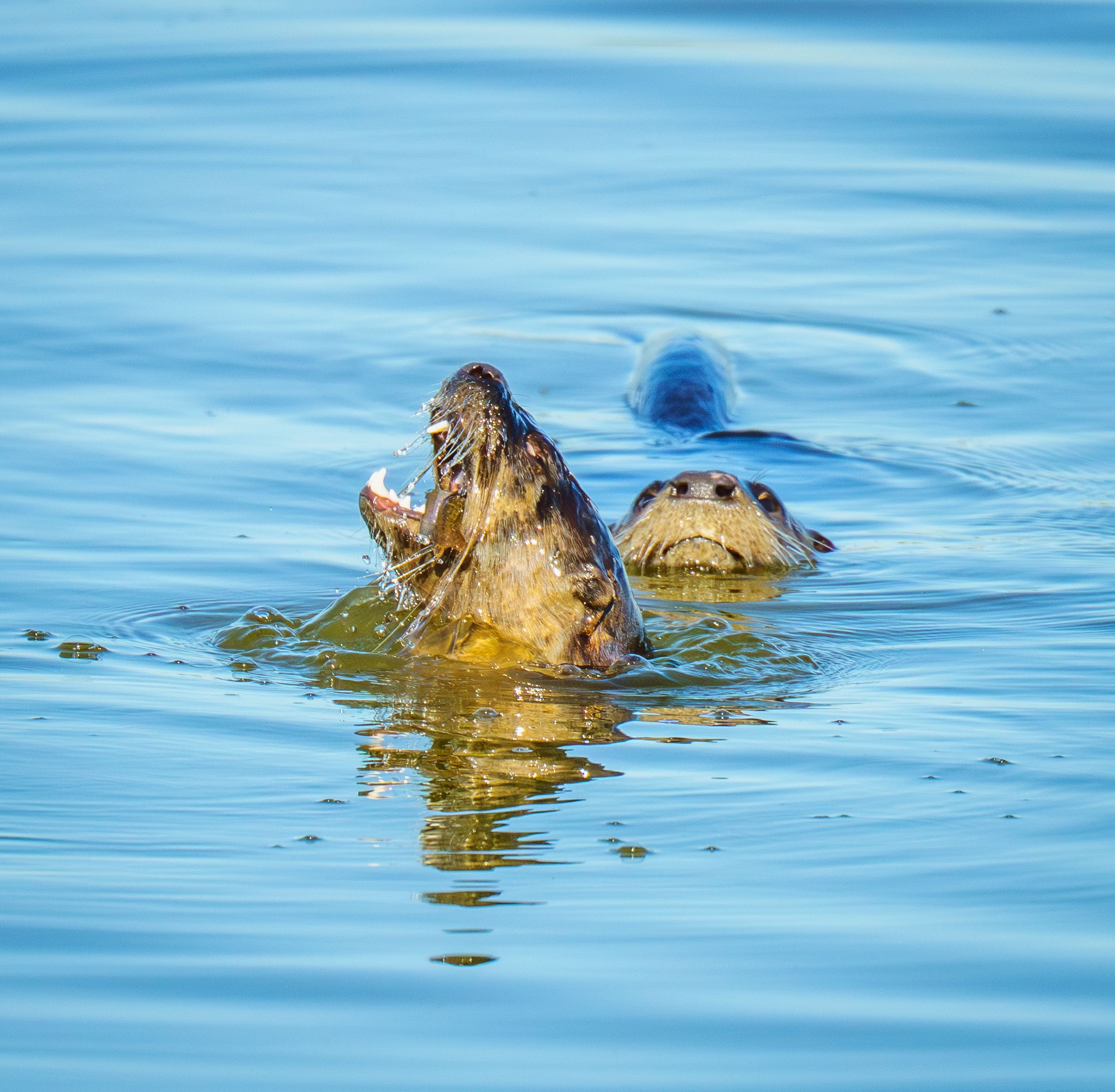
For a tropical forest, Canaima has a surprisingly strong lineup of big mammals. Giant river otters are probably the park’s most charismatic regulars—watch for them splashing around in rivers and lakes. These things can get over 5 feet long, so when they’re active, you can’t really miss them.
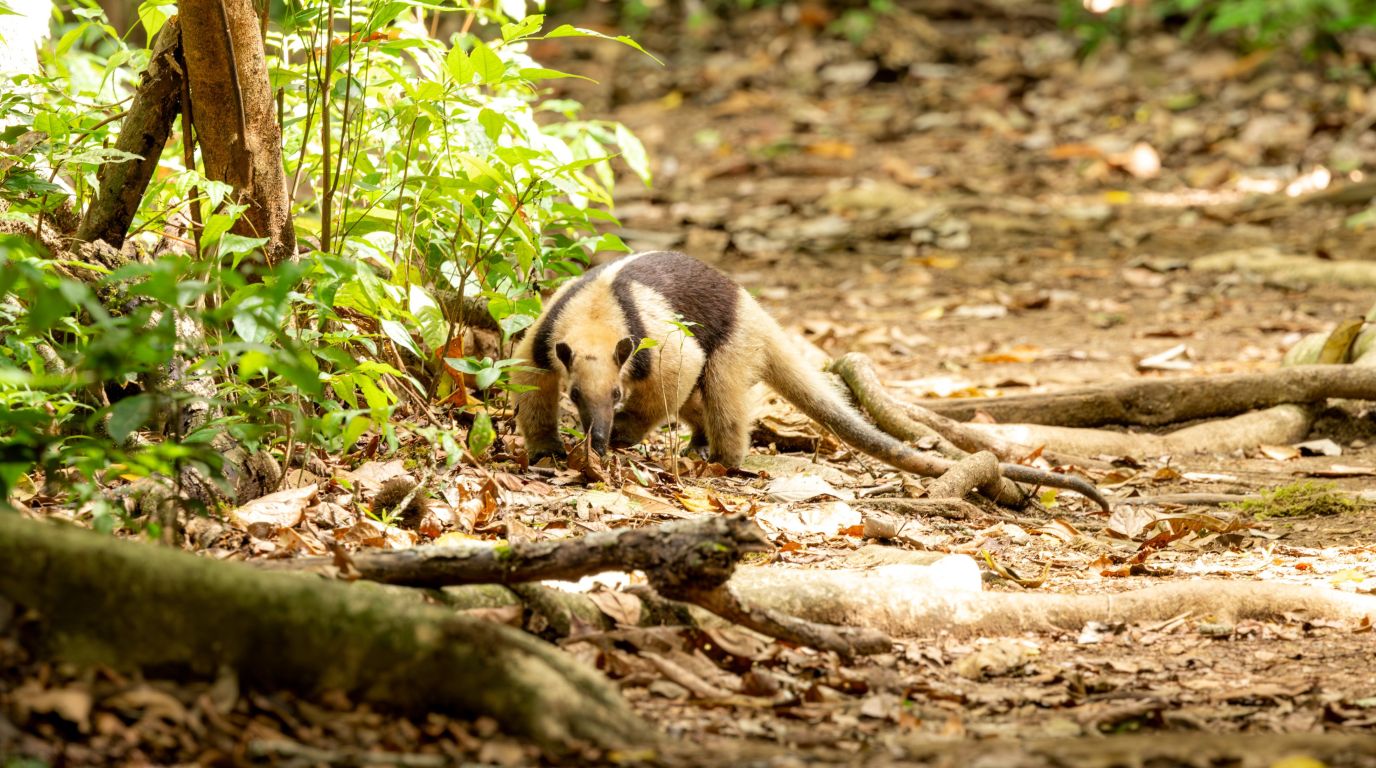
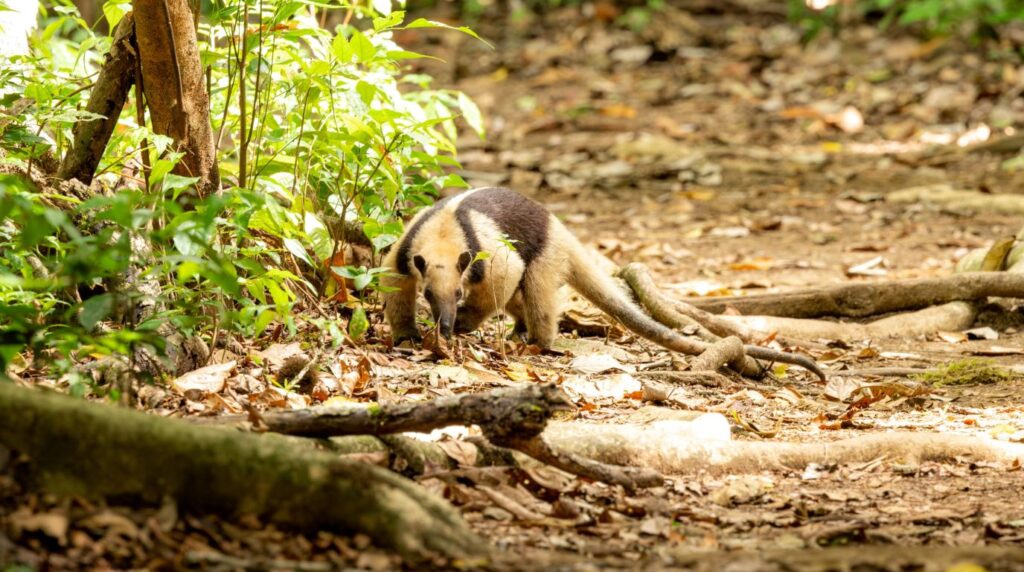
Giant anteaters and giant armadillos roam the forests and savannas, digging into ant and termite nests. Both get close to or over 100 pounds, which is bigger than most people expect from “rainforest” animals.
Tapirs and two-toed sloths stick to the forested areas. Sloths are slow and usually high up—spotting one takes patience. Tapirs are more likely to show up near water, especially early in the morning.
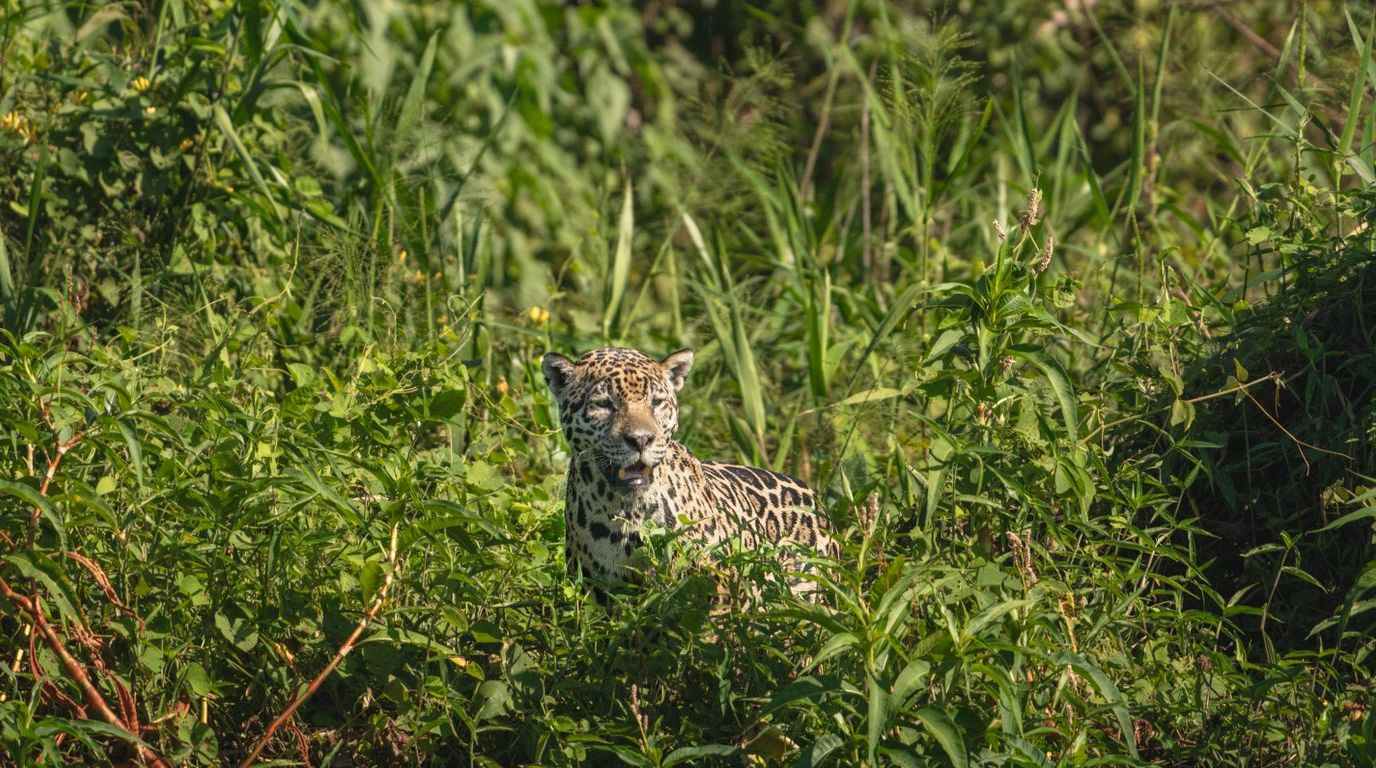
Jaguars and pumas live here too, though actually seeing one is rare. Sometimes you’ll come across tracks or scratch marks if you’re with a sharp-eyed guide. Capybara, on the other hand, are everywhere along the rivers—the world’s biggest rodent and honestly kind of charming in their own way.
Birds Of Tepuis, Forests, And Rivers
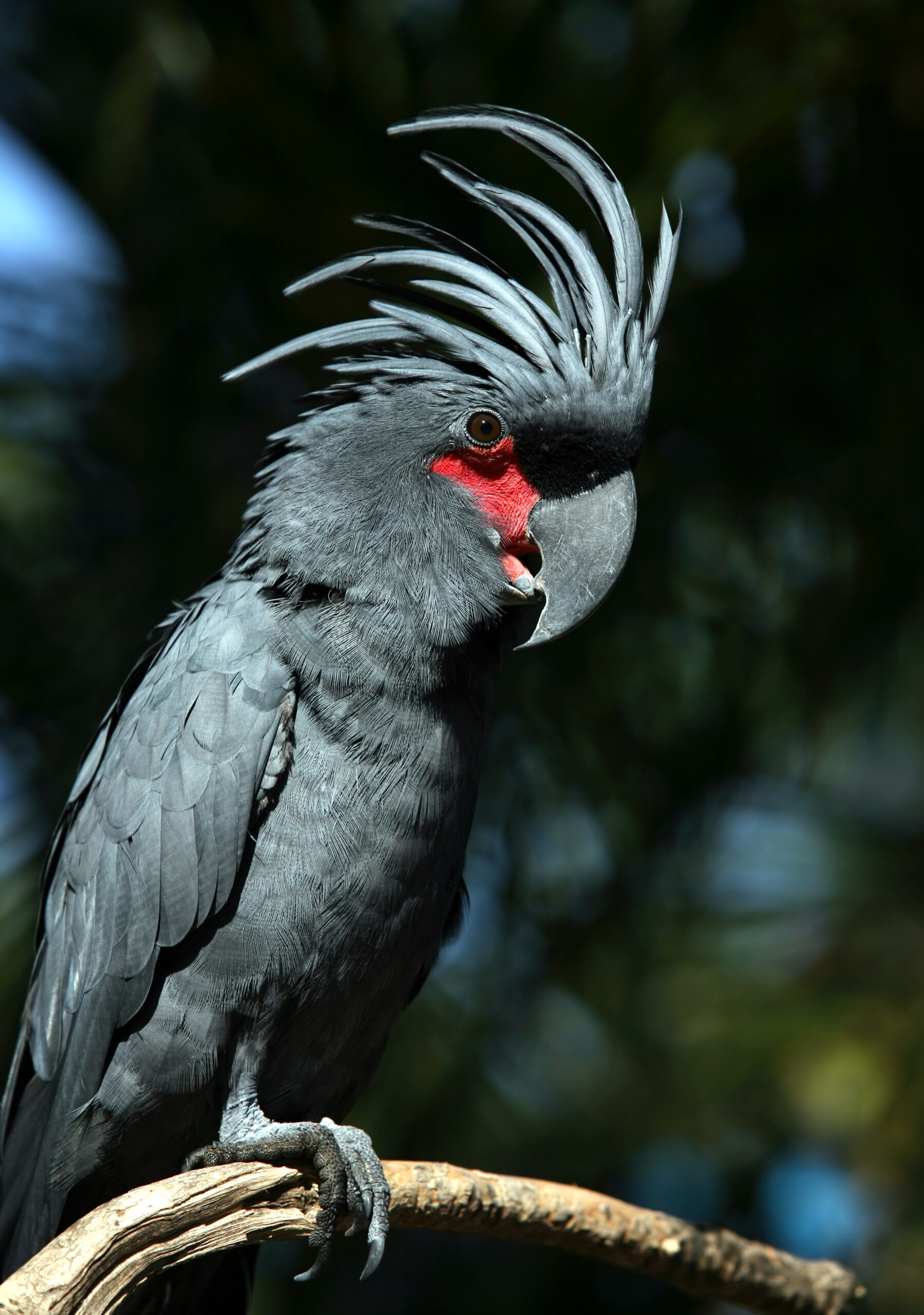
More than 100 bird species are recorded in Canaima, and the range is honestly a birdwatcher’s dream. The harpy eagle—South America’s heavyweight raptor—lives here, but you’d need luck (and maybe a little magic) to spot one outside the dense forest.
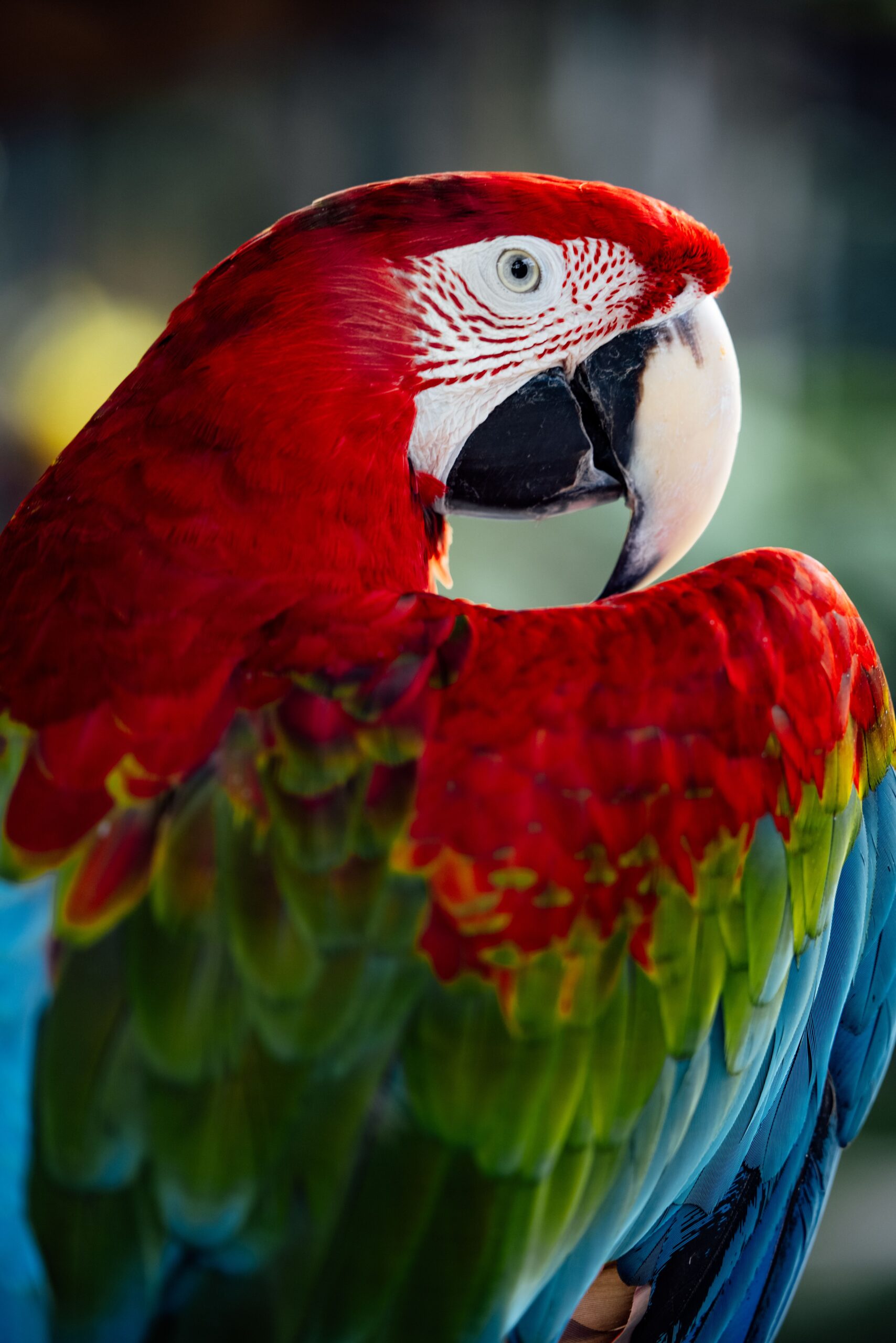
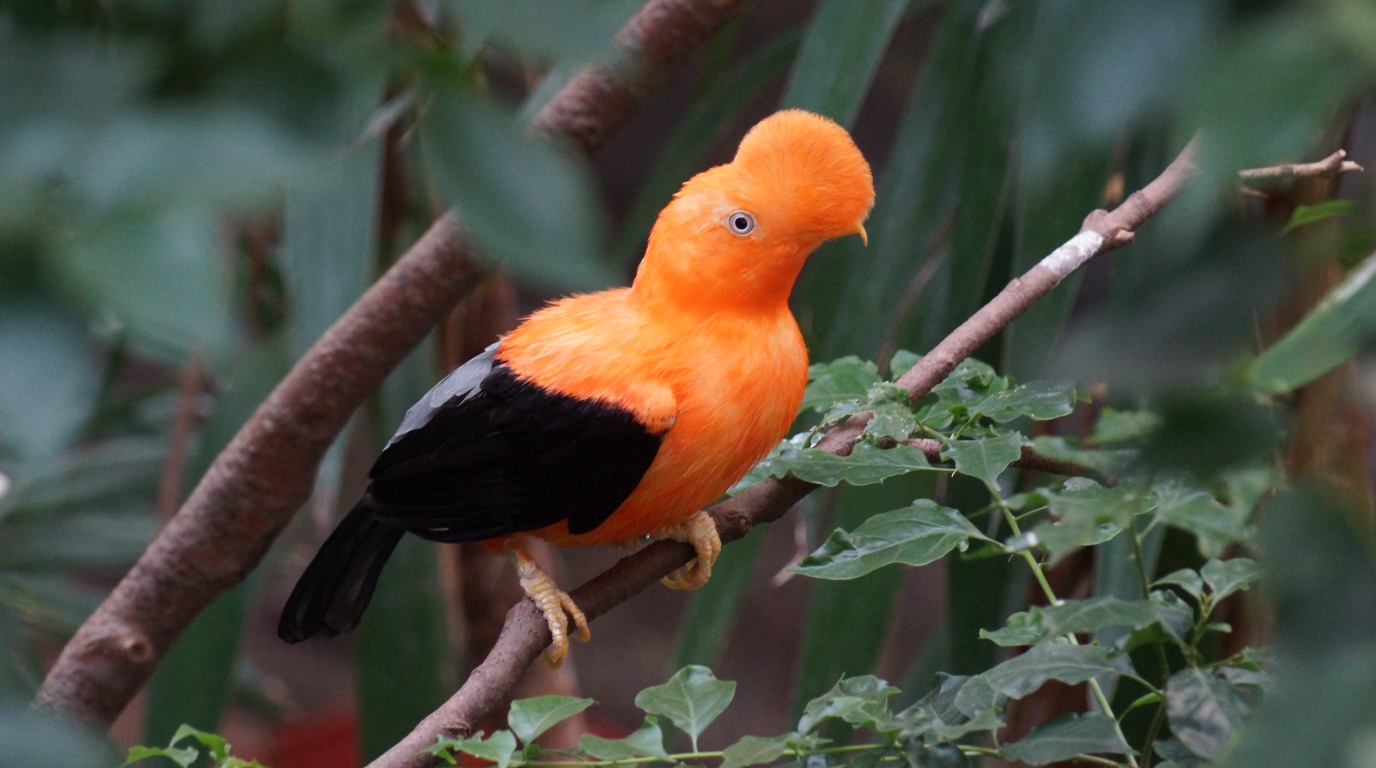
The gallito de las rocas (Andean cock-of-the-rock) is impossible to mistake with its wild orange crest—a favorite for photographers. Along riverbanks, look for dusky parrots and red-shouldered macaws (Diopsittaca nobilis).
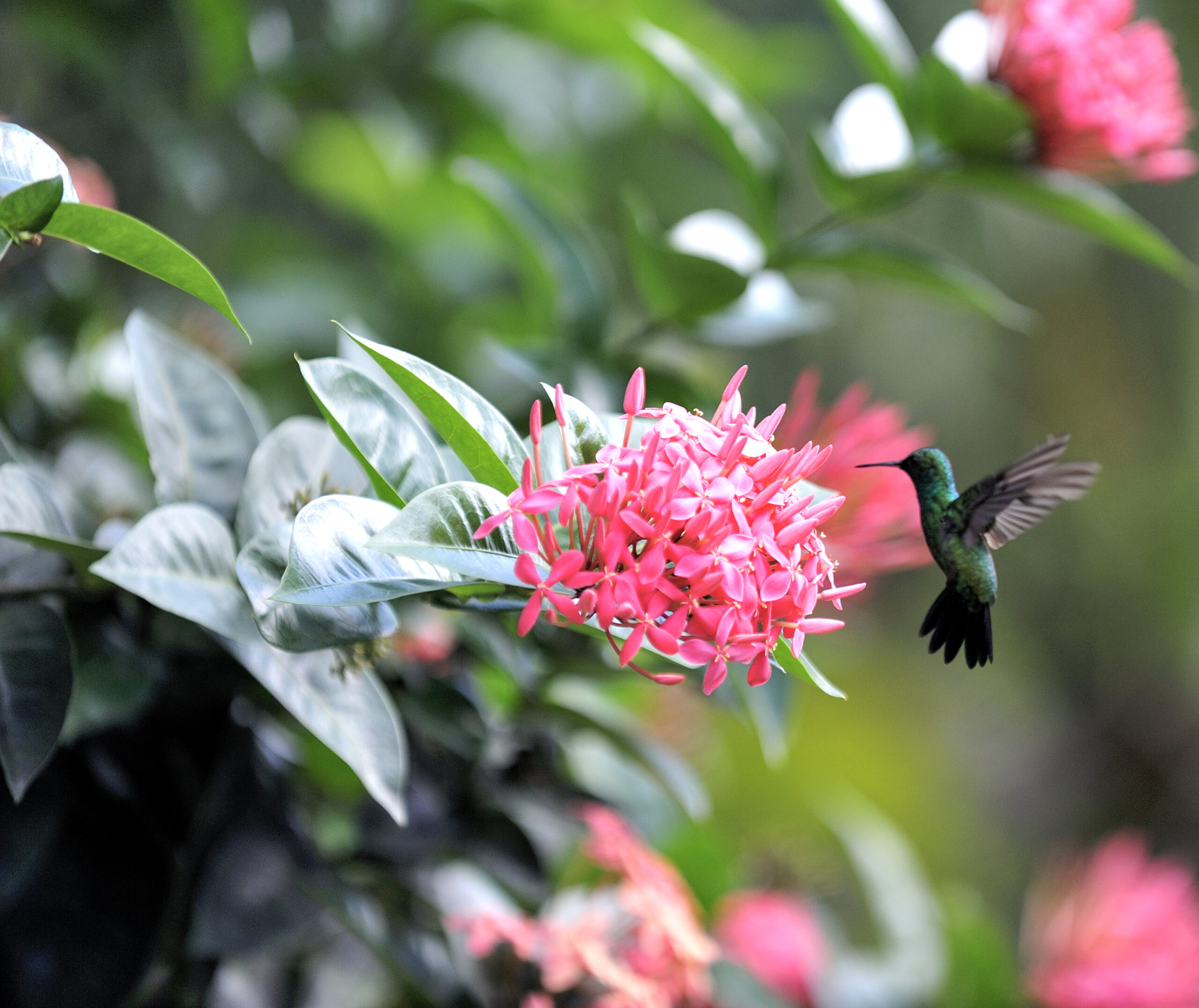
There are at least 14 kinds of hummingbirds flitting around, from the reddish hermit to the peacock coquette. Around the lagoon and waterfalls, waterfowl and waders show up too, especially if you’re up early.
Reptiles, Amphibians, And River Species
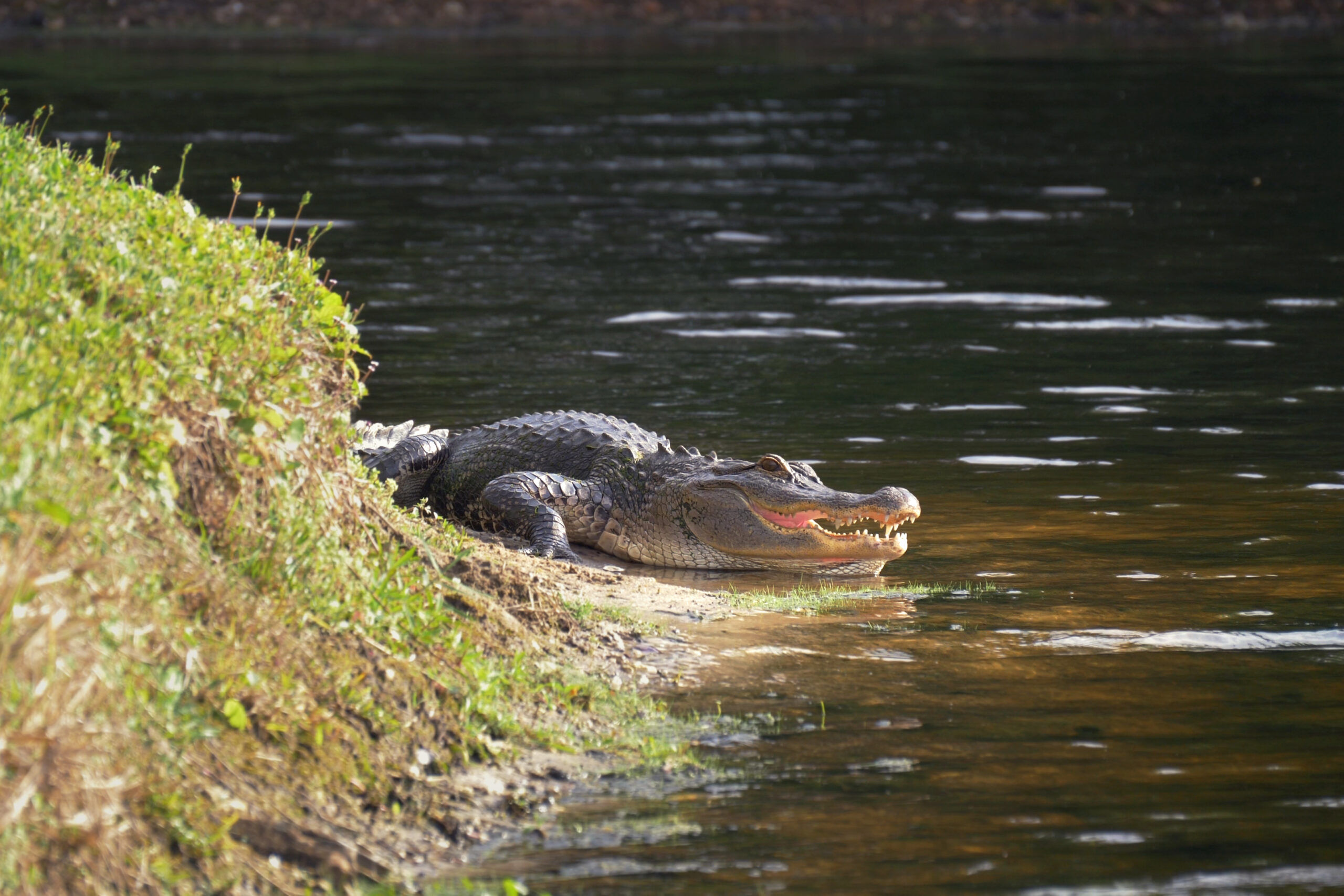
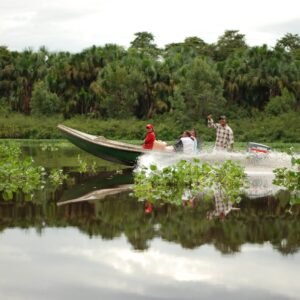
The park’s rivers and wetlands are home to two types of crocodilians: the Orinoco crocodile (critically endangered) and the much more common spectacled caiman. Caiman are easy to spot from a boat, especially on calm stretches.
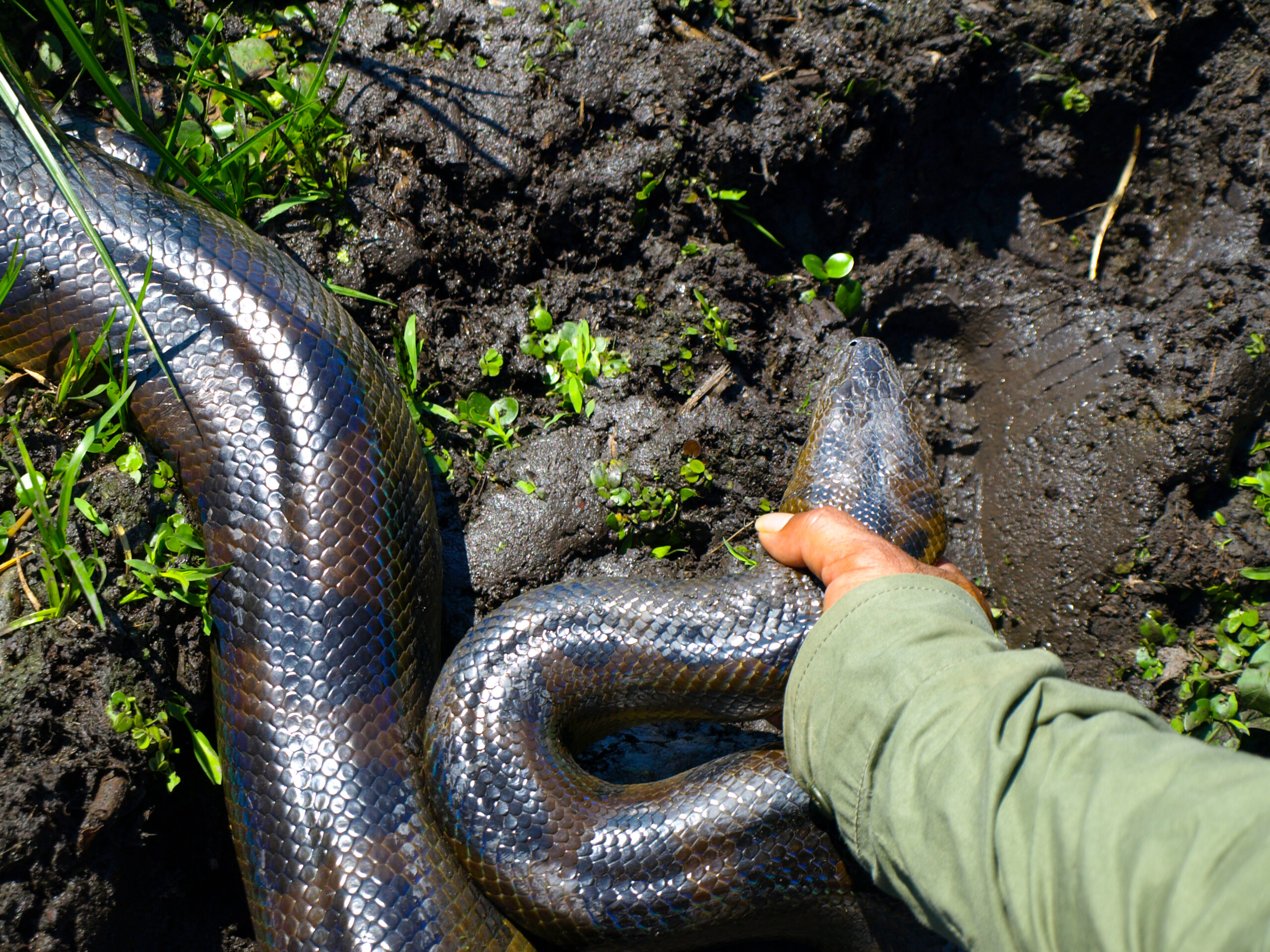
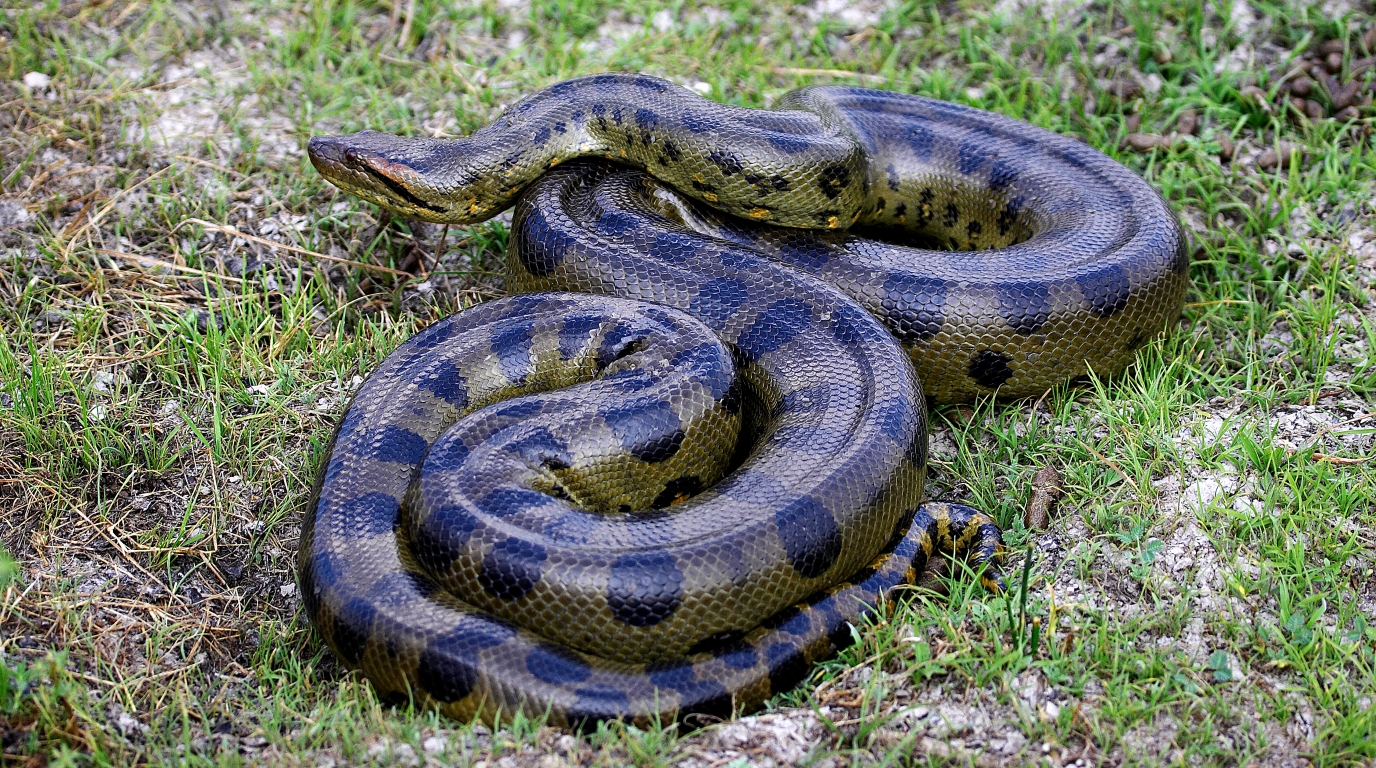
Anacondas are out there in the swamps and rivers, but they’re not something you run into every day. Green iguanas are a lot more visible, usually sunning themselves on the banks or low branches.
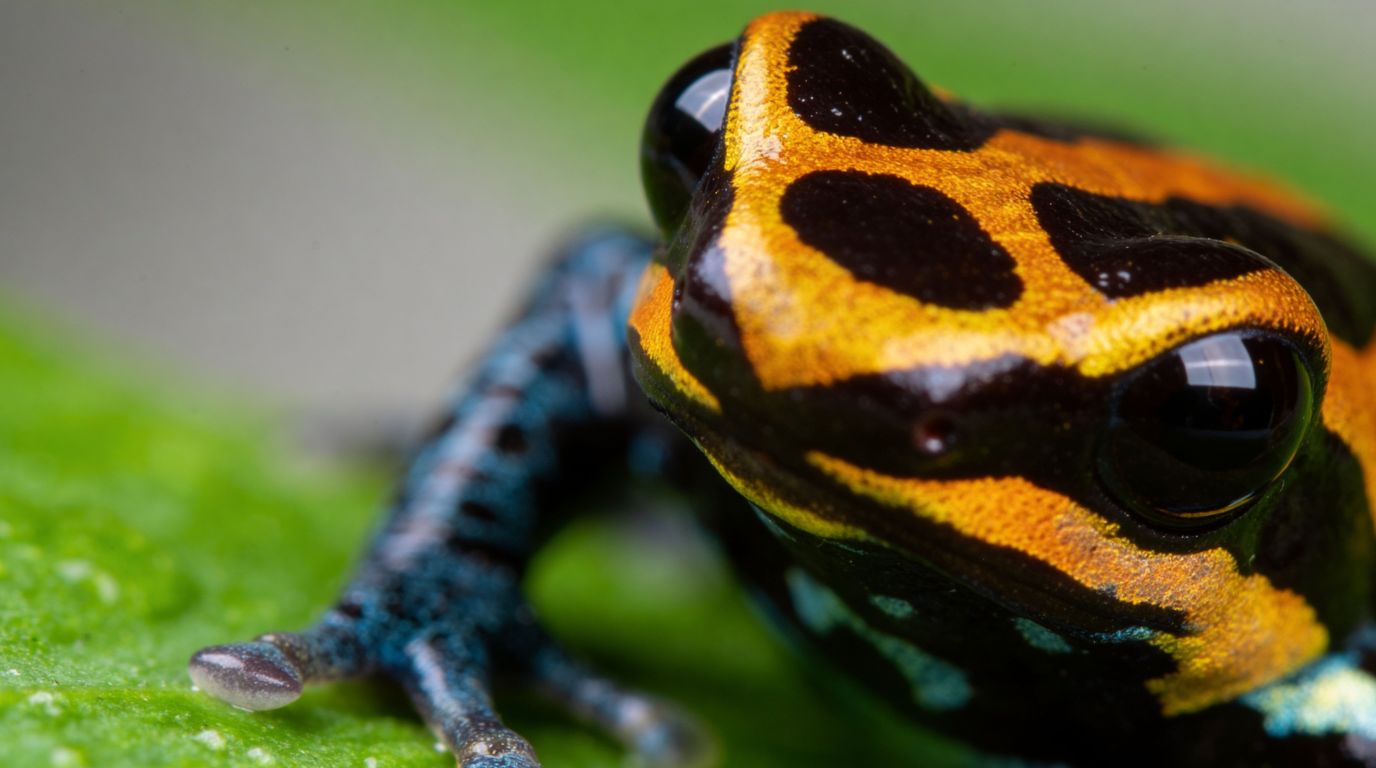
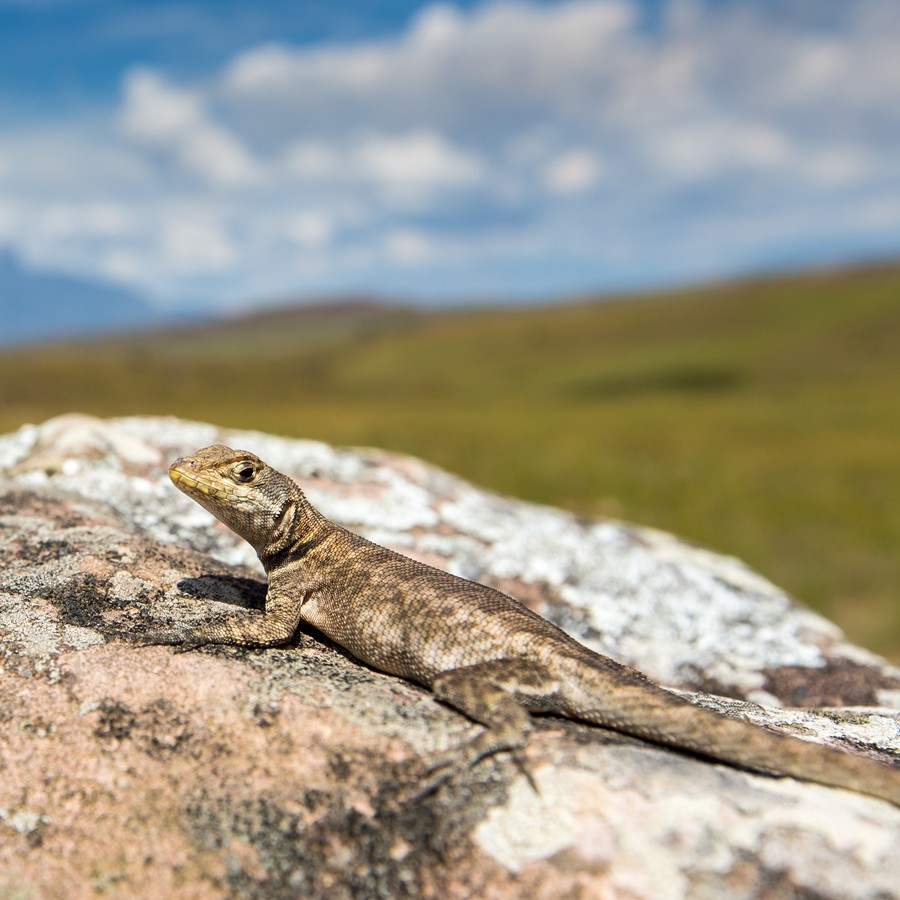
After the rains, frogs are everywhere. You’ll also find boa constrictors, emerald tree boas, and a bunch of smaller lizards. There are venomous snakes too—like the bushmaster, which, to be honest, is not something you want to stumble across in the forest.
Why Canaima’s Landscape Creates Exceptional Biodiversity
The sheer mix of habitats in one park is what makes Canaima so lively. Tepuis, lowland rainforest, gallery forests, and open savannas are jammed together, and where they overlap, wildlife tends to pile up.
Tepuis, Rainforest, And Savanna Habitats
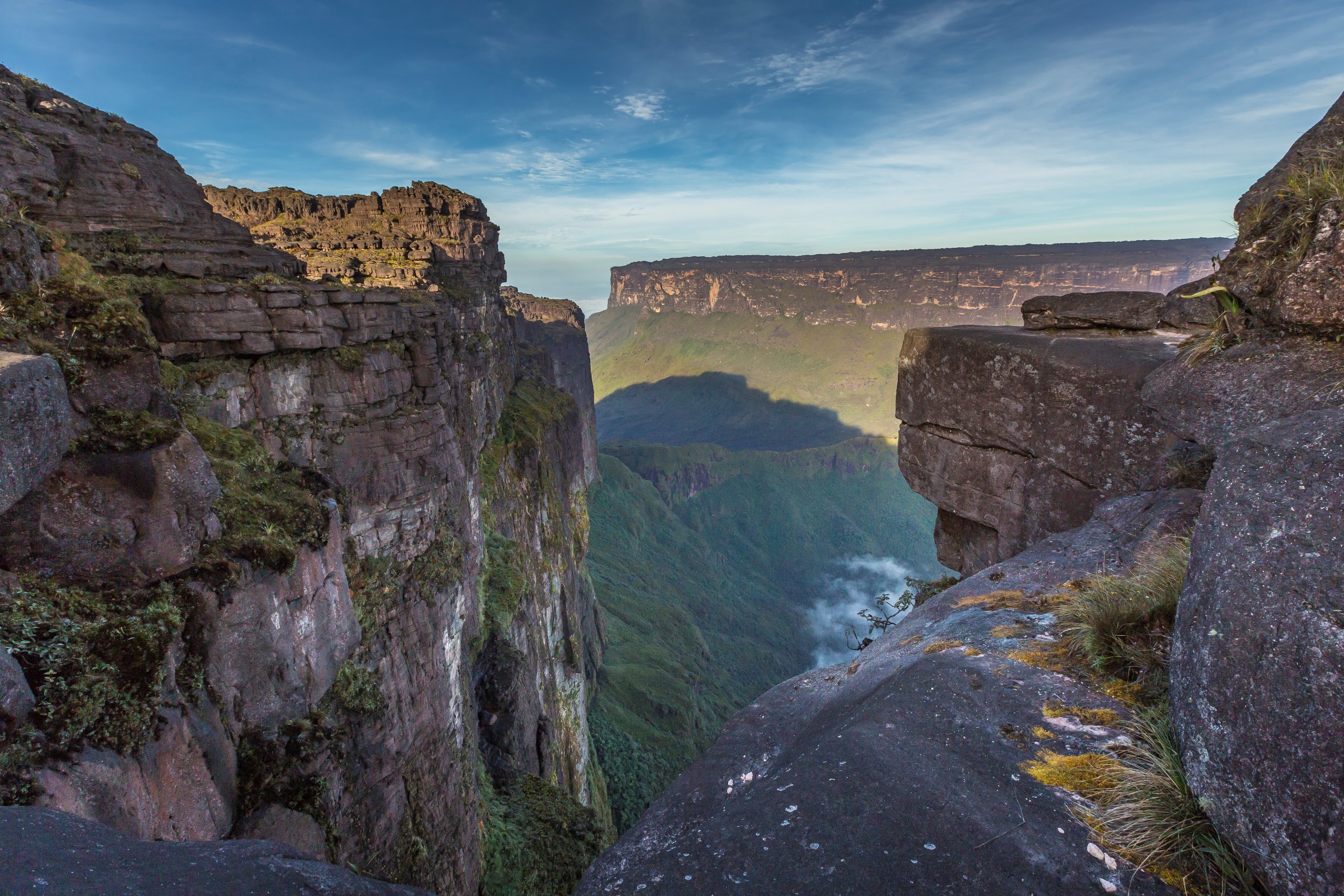
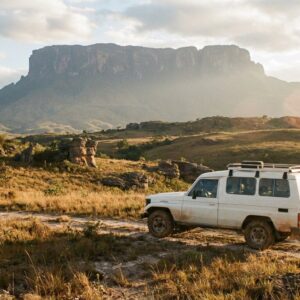
The tepuis are those flat-topped sandstone giants, some rising more than 2,000 meters. Auyantepui—where Angel Falls drops—is the biggest in the park. Mount Roraima sits on the Gran Sabana edge and draws trekkers from everywhere.
Below the cliffs, you’ve got dense rainforest and jungle, all cut through by rivers draining into the Orinoco. The Gran Sabana is mostly open savanna and grassland, which is where you’ll find the big ground mammals and birds of prey.
Each zone has its own vibe. Savannas are best for capybara, anteaters, and open-country birds. Forests hide jaguars, tapirs, and sloths. The riverbanks? That’s where otters, caiman, iguanas, and waders all hang out, often in the same spot.
Endemic Species And Fragile High-Plateau Ecology
The tepui summits—known as the Pantepui region—have been isolated so long that they’ve developed their own weird, wonderful ecosystems. Many plants and animals up there exist nowhere else on the planet. That’s a big reason UNESCO gave Canaima World Heritage Site status back in 1994.
Carnivorous plants like Heliamphora (sun pitchers) thrive up top, where the soils are poor and weather is rough. The tepui plateaus look nothing like the forests below, which just shows how separate these worlds really are.
Endemic species on the summits tend to be smaller, slower, and really specialized—makes them fragile, honestly. Something to keep in mind if you’re thinking about a tepui trek.
Conservation And Responsible Wildlife Travel
Parque Nacional Canaima is protected under Venezuelan law and recognized internationally, thanks to its UNESCO listing. The Orinoco crocodile, for example, is one of South America’s most threatened reptiles; its range now mostly survives in protected parks like this.
Guided routes are the way to go—they protect both you and the animals. Local guides know nesting seasons, animal habits, and which spots to avoid. If you want to see wildlife without disturbing it, keep quiet near water, don’t mess with nesting birds, and actually listen to your guide (seriously).
Operators like Venezuela Nature focus on safe, organized trips. That means less impact on the habitat and better odds of seeing wildlife, especially if you’re there in the right season.
Our Sabana Travel Packages
Frequently Asked Questions
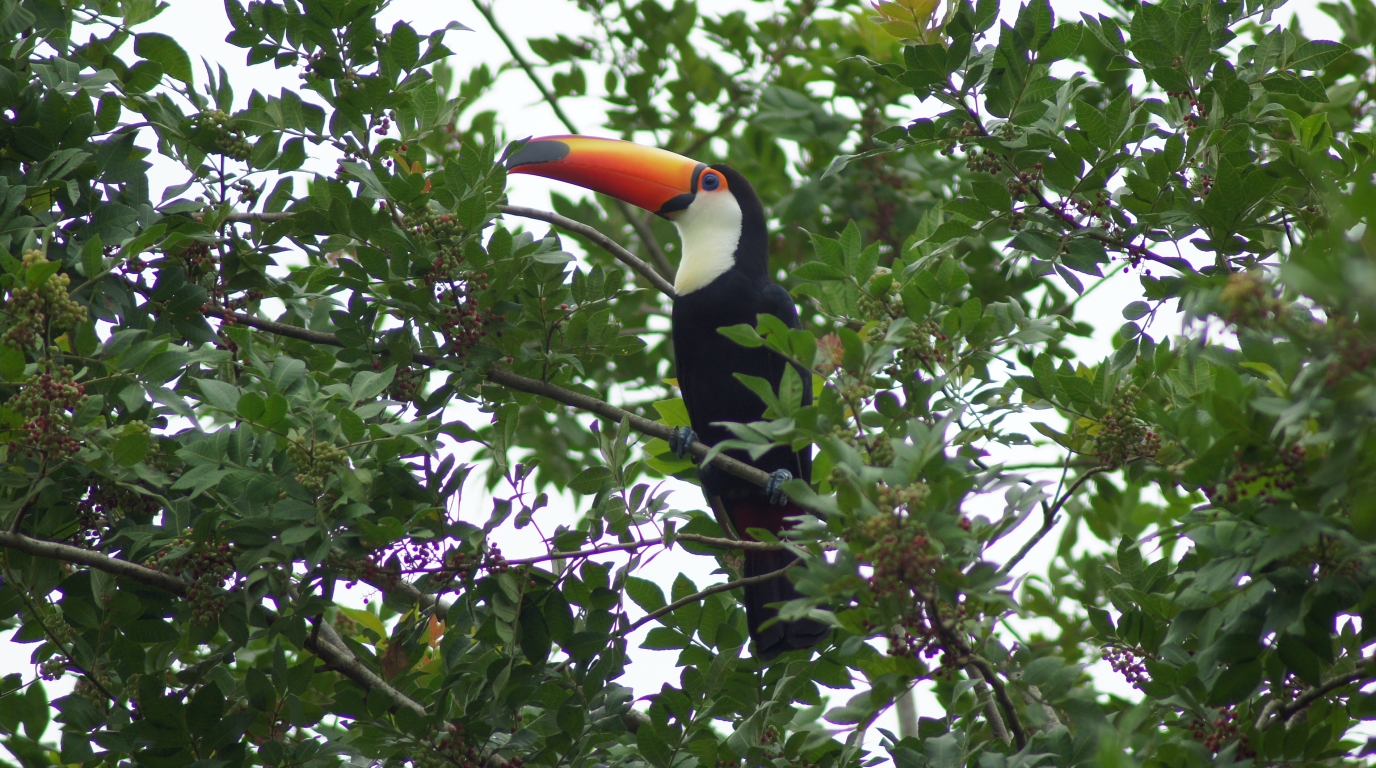
Canaima National Park hosts diverse wildlife, including jaguars, anteaters, capybaras, and vibrant birds like toucans and macaws. Due to its remote ecosystems, sightings vary, but its biodiversity makes it a remarkable destination for nature lovers.
The most likely animals you’ll spot are spectacled caiman, capybara, giant river otters, green iguanas, and plenty of birds—parrots, macaws, hummingbirds, the works. Big mammals like jaguars and tapirs are around, but honestly, they’re long shots. River and lagoon areas near the main entry points tend to be best for repeat sightings.
Absolutely. The Orinoco crocodile is one of the world’s rarest reptiles—critically endangered. Harpy eagles and giant river otters are also protected due to shrinking populations. Canaima’s status helps keep their habitats intact.
The dry season (roughly December to April) is usually your best bet—animals cluster around water, and the vegetation isn’t as thick. During the rainy season, Angel Falls is at its peak and frogs are everywhere, so it’s a different kind of wildlife show. But honestly, your guide’s knowledge about local patterns probably matters more than any “best time” rule.
Near the Canaima lagoon, waterfowl, waders, parrots, and macaws are common. The gallito de las rocas is a major draw for photographers near rocky spots and forest edges. Hummingbirds are a safe bet anywhere there are flowers in the forest zones.
There are venomous snakes—bushmasters and a few coral snake species—in the forest. Spectacled caiman are everywhere near water, but they don’t usually bother guided groups. The usual advice applies: stick with your guide, stay on marked trails, and wear decent boots. That’ll keep you out of most trouble.
Visitors should stick to marked trails, steer clear of feeding or getting too close to wild animals, and leave plants, rocks, and any bits of nature as they found them. It's a good idea to keep noise down, especially around water or nesting spots—honestly, nobody likes a loud neighbor. Taking photos is fine for the most part, though using a flash around birds or reptiles when it's dim isn't looked on kindly by most guides who know what they're doing.