
Lechería in Venezuela
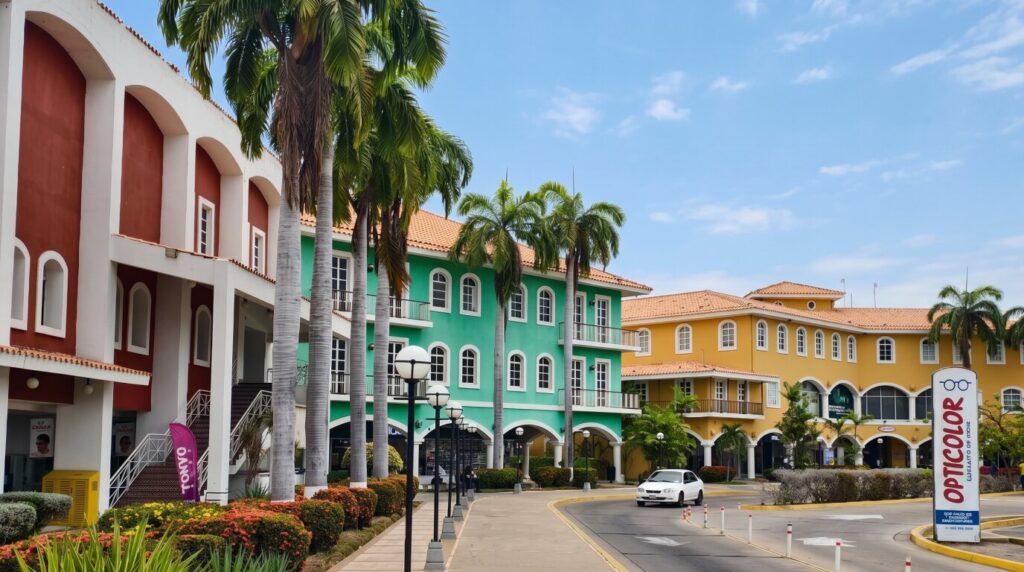
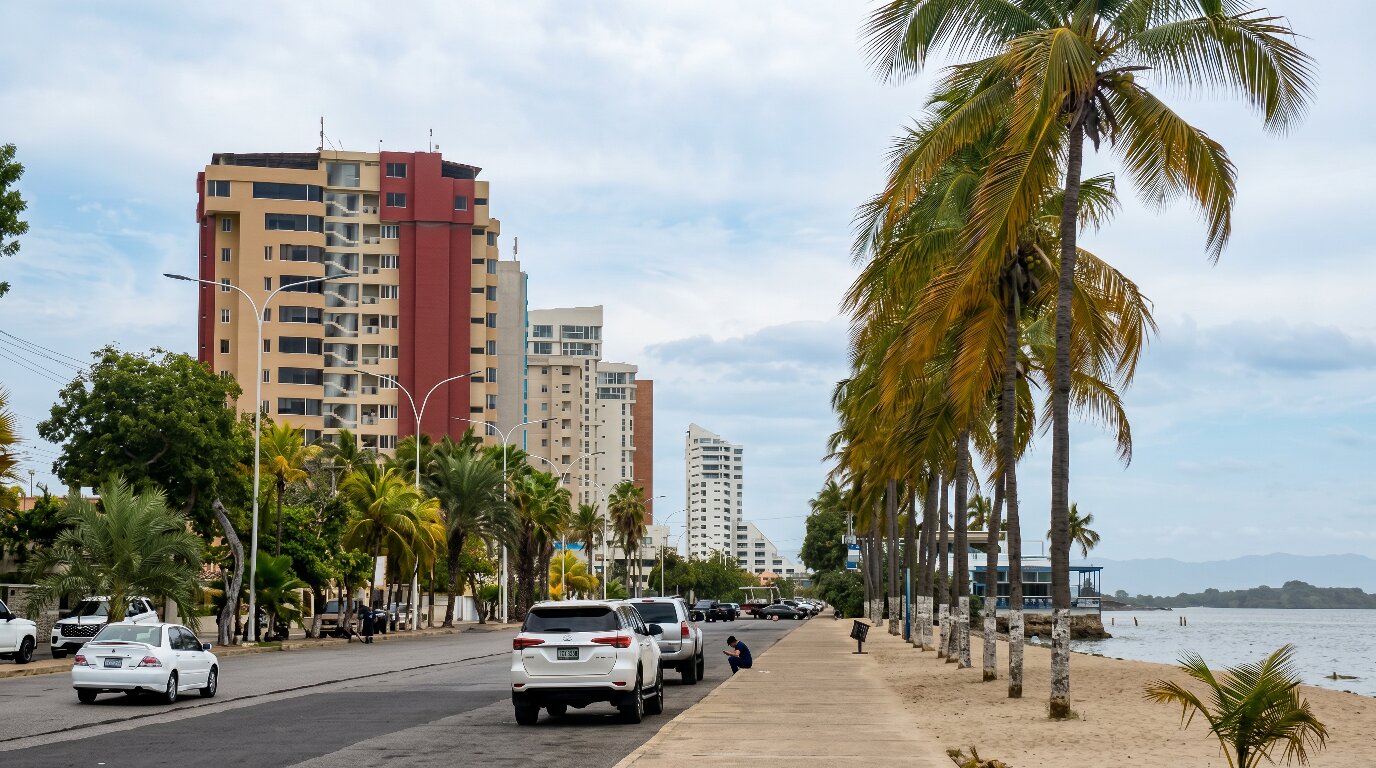
Lechería sits on the coast of Estado Anzoátegui in northeastern Venezuela. It surprises visitors who find a polished city with a genuine marina culture and well-kept streets. The city faces the Mar Caribe and the calm Bahía de Pozuelos, creating a picturesque setting for everyone.
Lechería is officially the smallest municipality in Venezuela by area, yet it ranks among the country’s most economically active coastal zones. Its population of roughly 63,000 lives within just 12 square kilometers. This gives the city a focused, walkable energy that larger Venezuelan cities often lack.
In Lechería Venezuela, the city functions as a natural gateway to the eastern coast. Its position between Barcelona and Puerto La Cruz puts it at the center of the Gran Barcelona metropolitan area. Nearby Guanta also contributes to the region’s industrial and maritime importance.
For international travelers, the city works well as a comfortable base for day trips. It is a soft landing before more remote destinations or a final coastal stop. Travelers often visit before heading into the Orinoco Delta or toward Mochima National Park.
Reach out to Venezuela Nature to ask about building a tailor-made eastern Venezuela route. These routes often start or end in Lechería, combining waterfront convenience with guided access to national parks.
Key Takeways
- Lechería is Venezuela’s smallest municipality by area but one of its most developed coastal cities.
- The city’s waterfront, marina, and the Complejo Turístico El Morro make it a practical base for eastern Venezuela travel.
- Its location between Barcelona and Puerto La Cruz gives it strong transport links to beaches and nearby natural attractions.
Location, Identity, And Urban Setting
Lechería’s geographic position and administrative structure are central to its development. The city, officially San Miguel de Neverí, occupies a strategic strip where the river meets the Mar Caribe. It borders Puerto La Cruz and Barcelona, overlooking the Bahía de Pozuelos.
Where Lechería Sits Near Puerto La Cruz
Lechería occupies the northern tip of Estado Anzoátegui, directly adjacent to Puerto La Cruz. The two cities are effectively urban neighbors separated by a short drive. Together they anchor the eastern end of Venezuela’s major tourism corridor.
The area is also close to Guanta, a port city that serves as a vital link for regional trade. This location is why the area developed as a boating hub rather than just a recreational beach strip. The water access here is deep, calm, and well-suited for private yachts and fishing vessels.
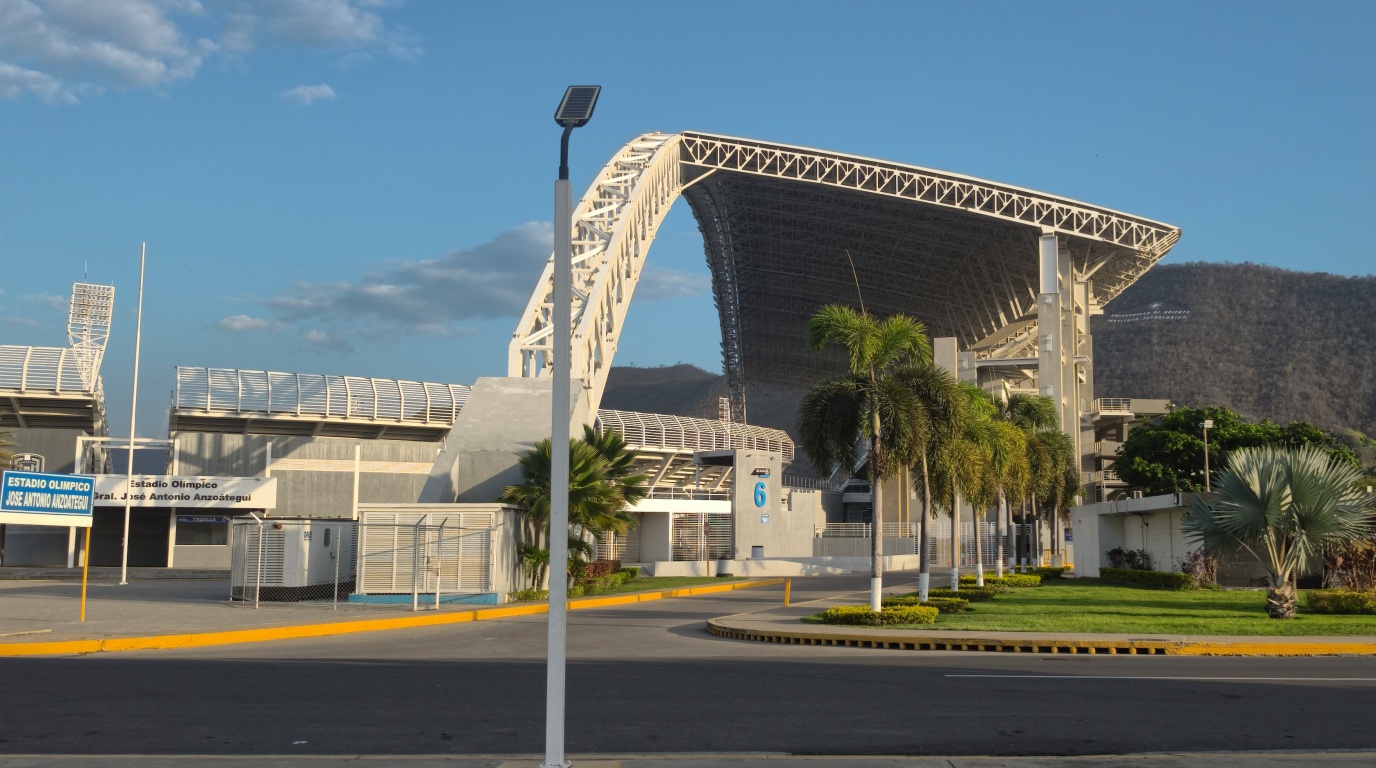
Lechería benefits from proximity to the General José Antonio Anzoátegui International Airport in Barcelona. The city has no airport of its own, but the connection is practical and regularly used. This makes Lechería Venezuela an accessible destination for domestic and international arrivals.
The El Morro Tourist Municipality And Local Administration
Lechería is the capital of the Diego Bautista Urbaneja Municipality, also known as the El Morro Tourist Municipality. This administrative identity shaped decades of planning decisions and infrastructure investment. These choices were different from what most ordinary Venezuelan municipalities experienced.
The Lechería City Hall governs one of the smallest but most densely administered jurisdictions in the country. Planning decisions here have an outsized effect on the waterfront and residential zones. The municipality covers just 12 square kilometers of prime coastal land.
The El Morro Tourist Municipality designation reflects a commitment to developing the area as a leisure destination. This distinction shows in the quality of the coastal infrastructure and the marina facilities. Public spaces along the waterfront are maintained with a focus on tourism and local quality of life.
The Development Of The Tourist Zone And El Morro
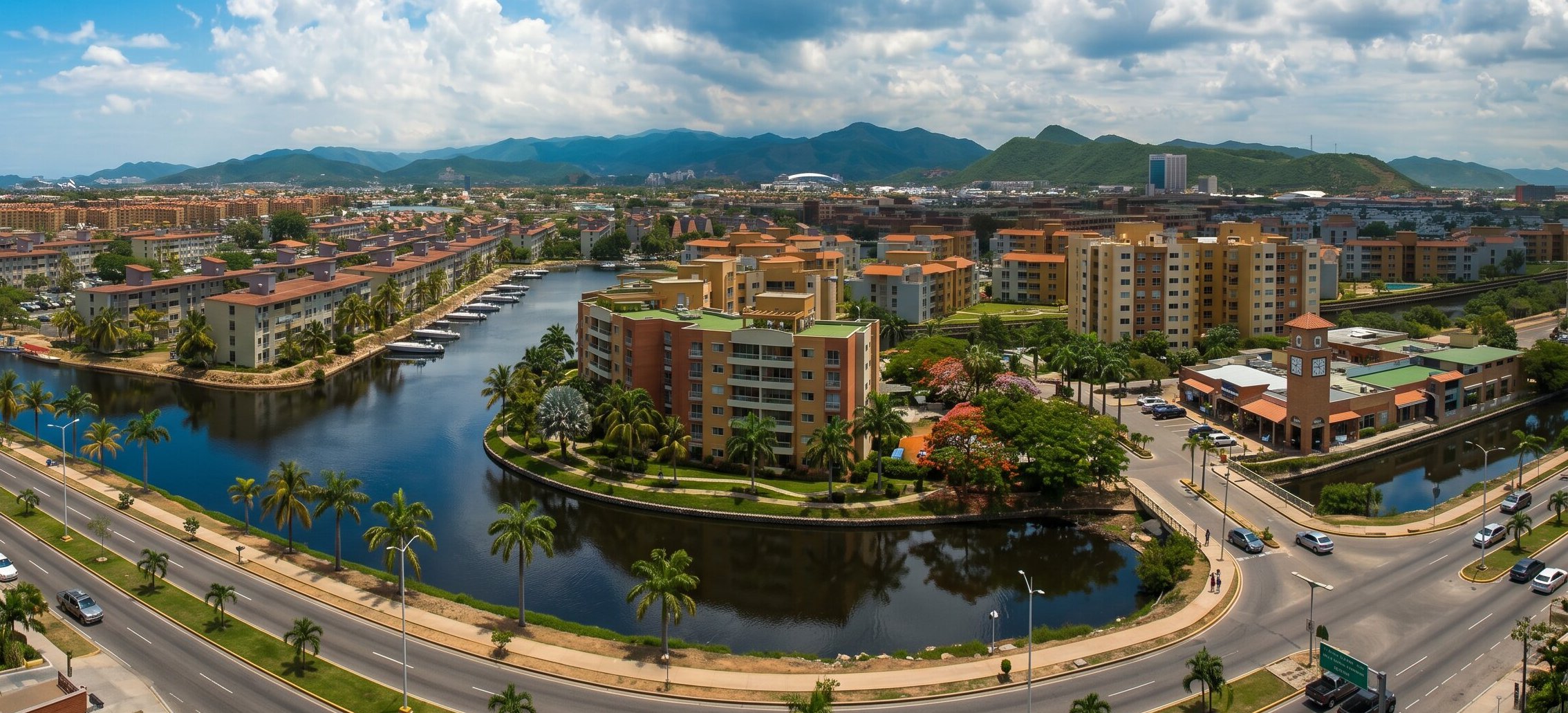
The Complejo Turístico El Morro is the most ambitious urban development project in Lechería’s modern history. Its origins trace to 1967, when CAZTOR was founded to build a large-scale tourism complex. The project transformed the local landscape into a series of interconnected waterways.
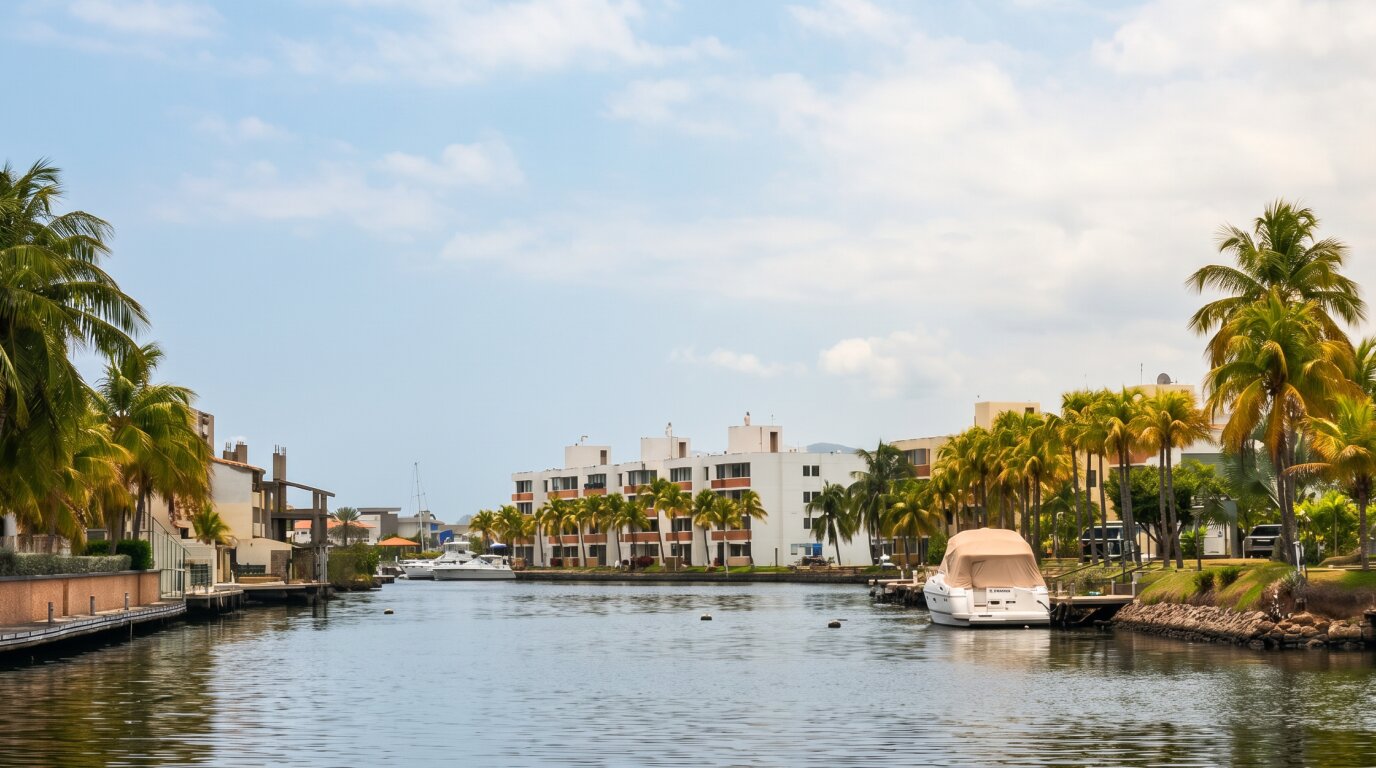
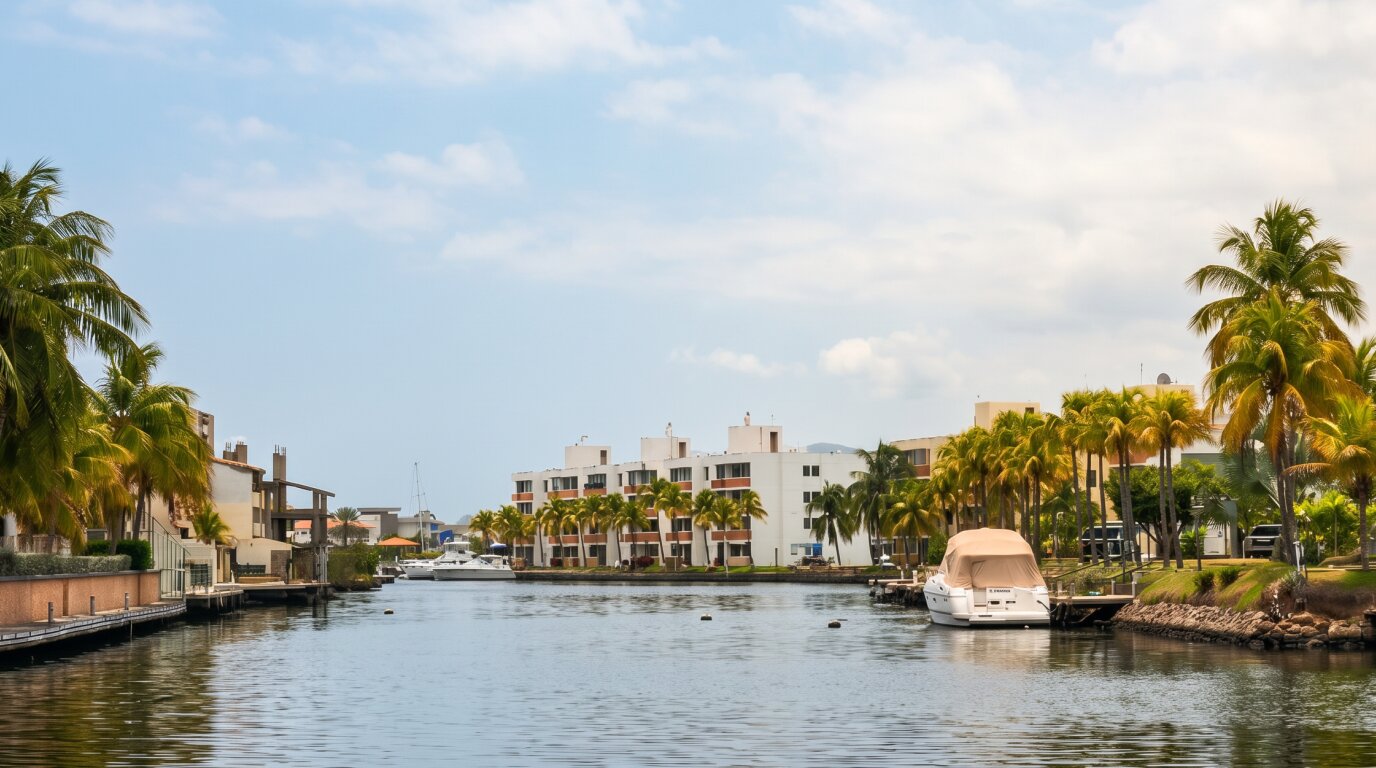
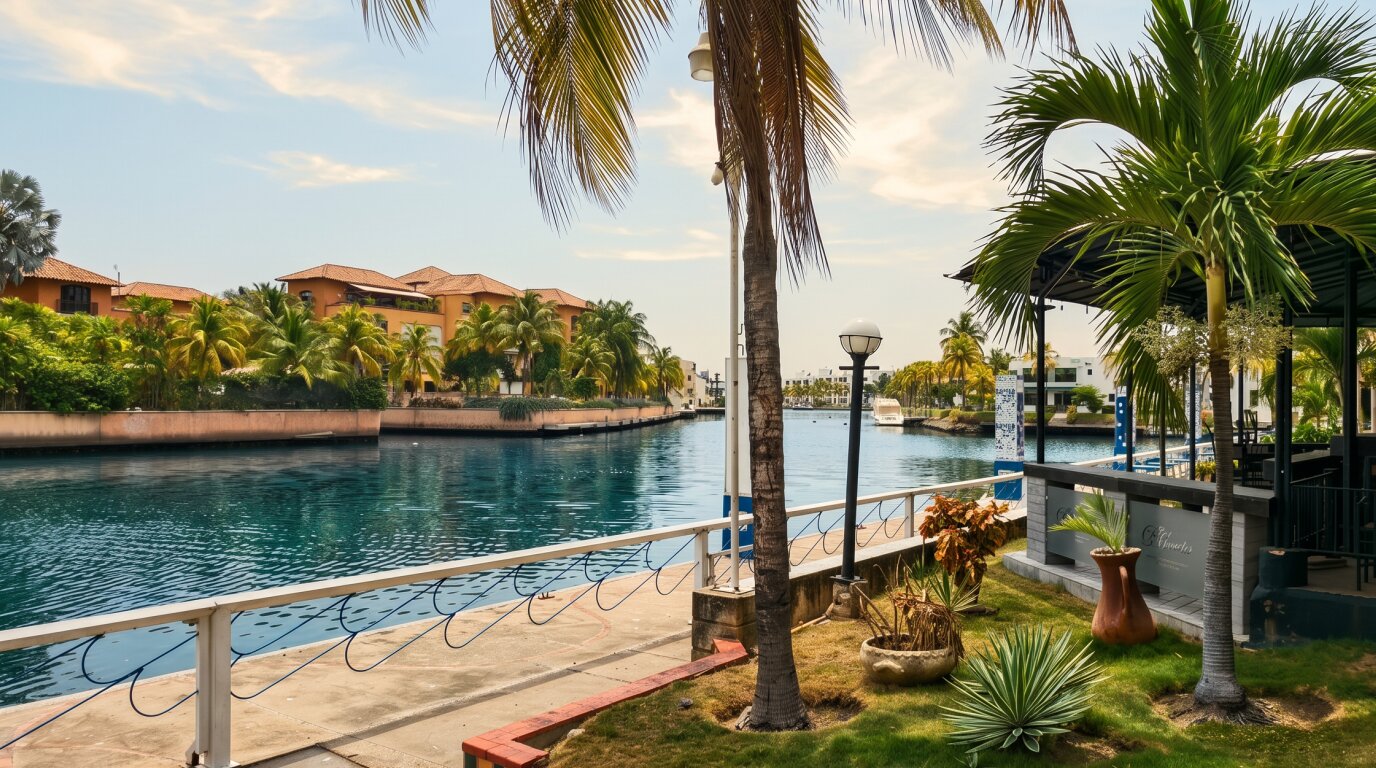
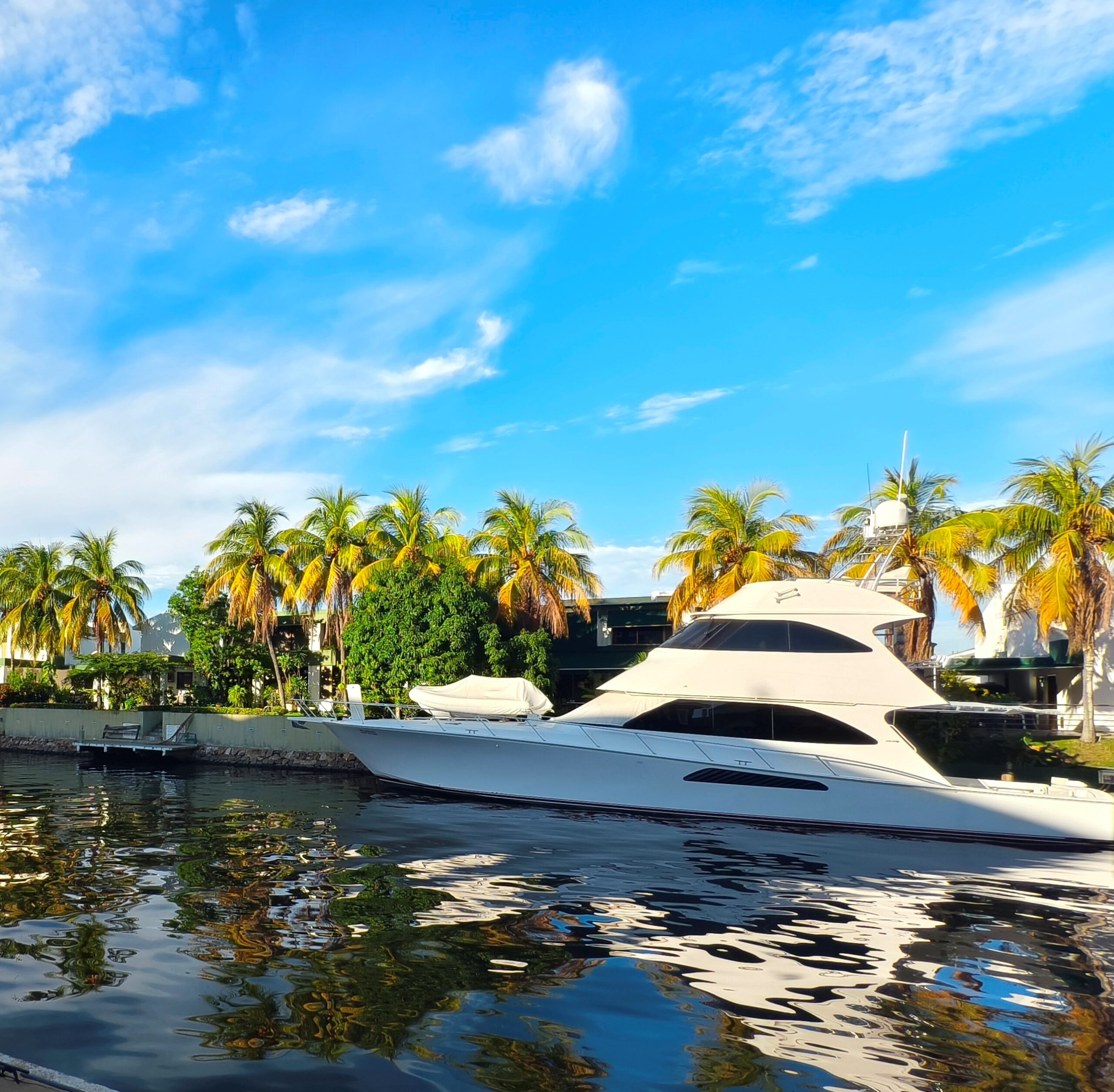
The Eastern Tourist Zone was built across 900 hectares including the slopes of Cerro El Morro. Development involved constructing over 20 kilometers of artificial canals that now thread through the city. These canals give the area its distinctive nautical character and high real estate value.
At the Complejo Turístico El Morro, the canal system allows private homes to be built with direct water access. This canal network is the most immediately distinctive feature for visitors arriving by boat. The development pulled investment and commercial activity toward the coast throughout the 1990s.
Our Travel Packages

What To See And Do Along The Waterfront
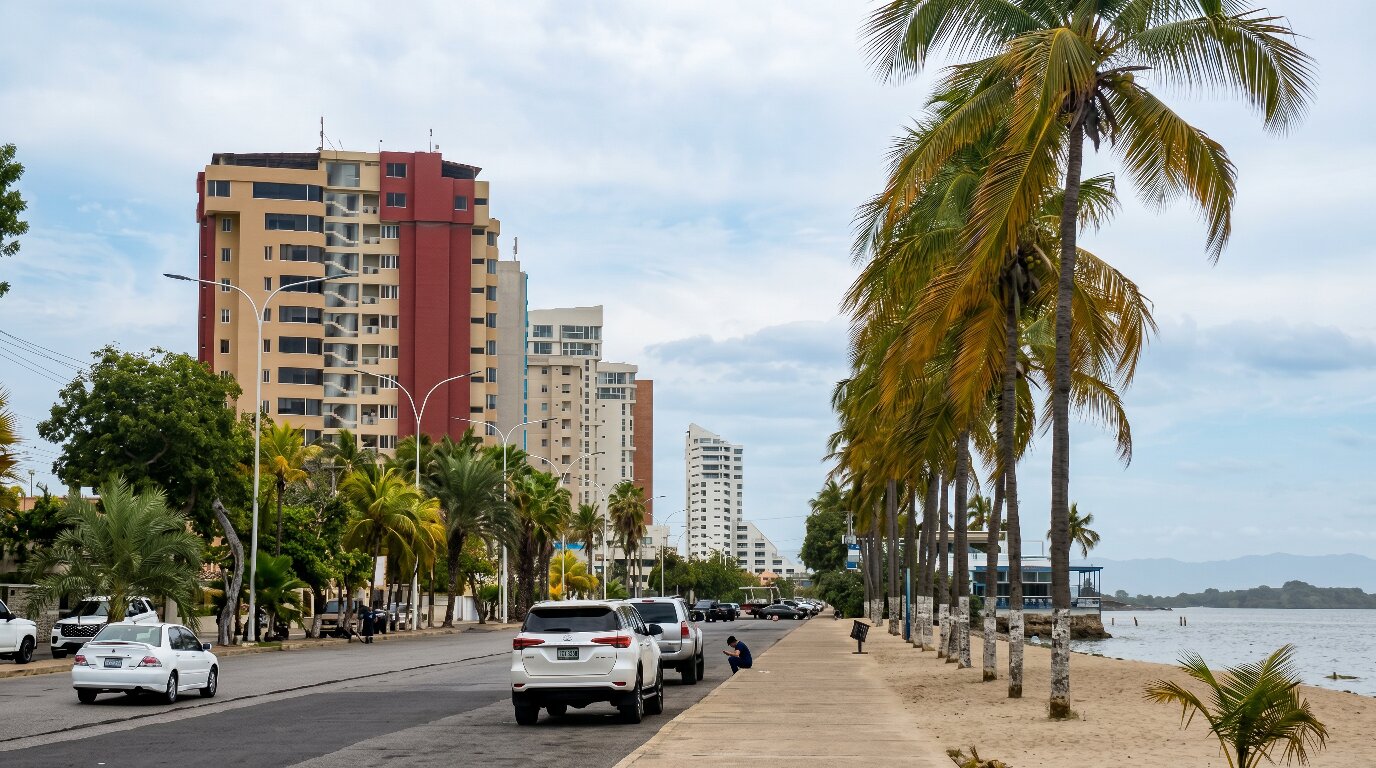
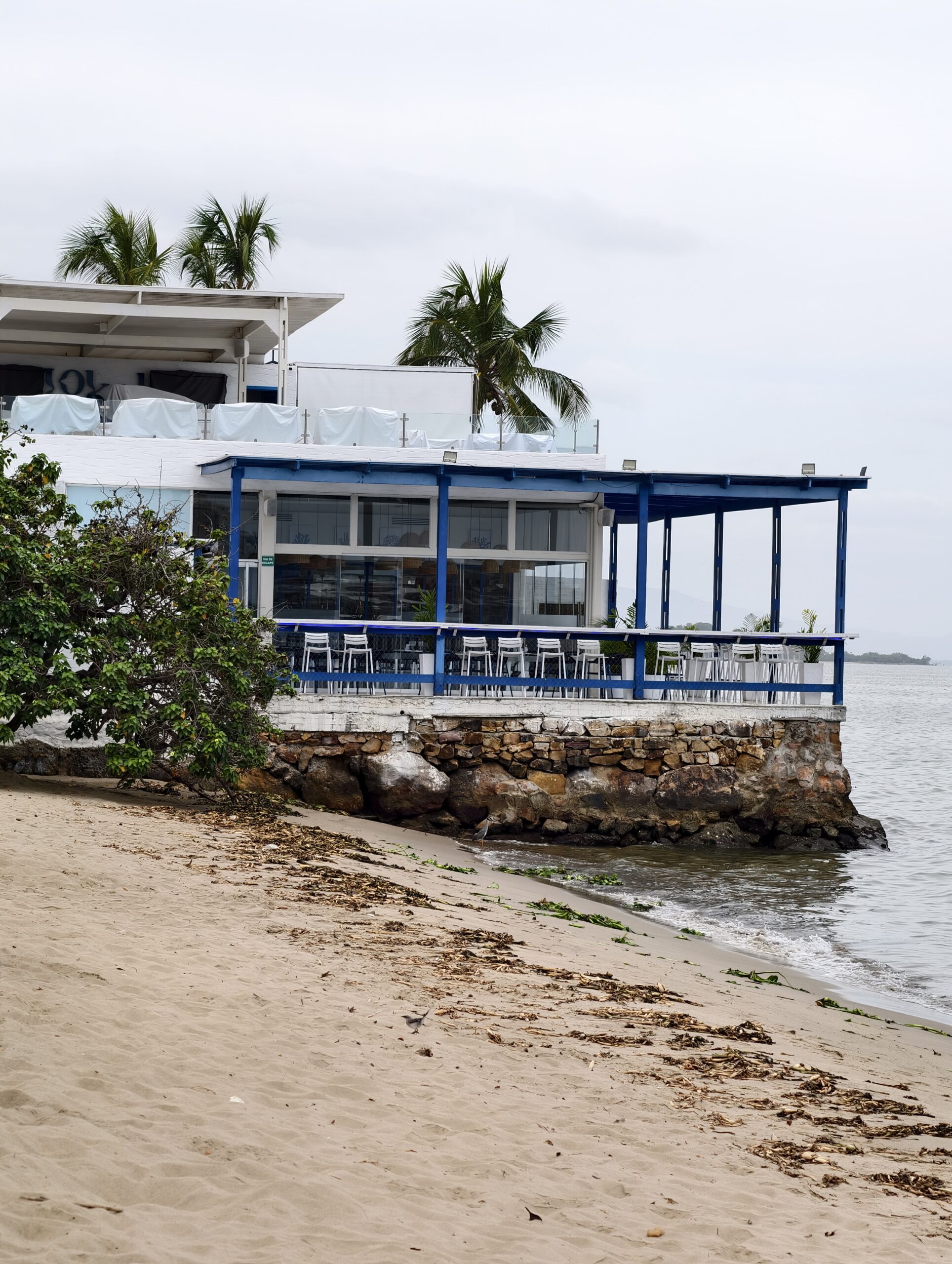
Lechería’s most appealing public spaces cluster along its coastline and main commercial corridor. The city’s waterfront life combines everyday urban activity with marina culture and historic landmarks. The layout makes it easy to orient yourself within a single afternoon.
Popular Urban Beaches
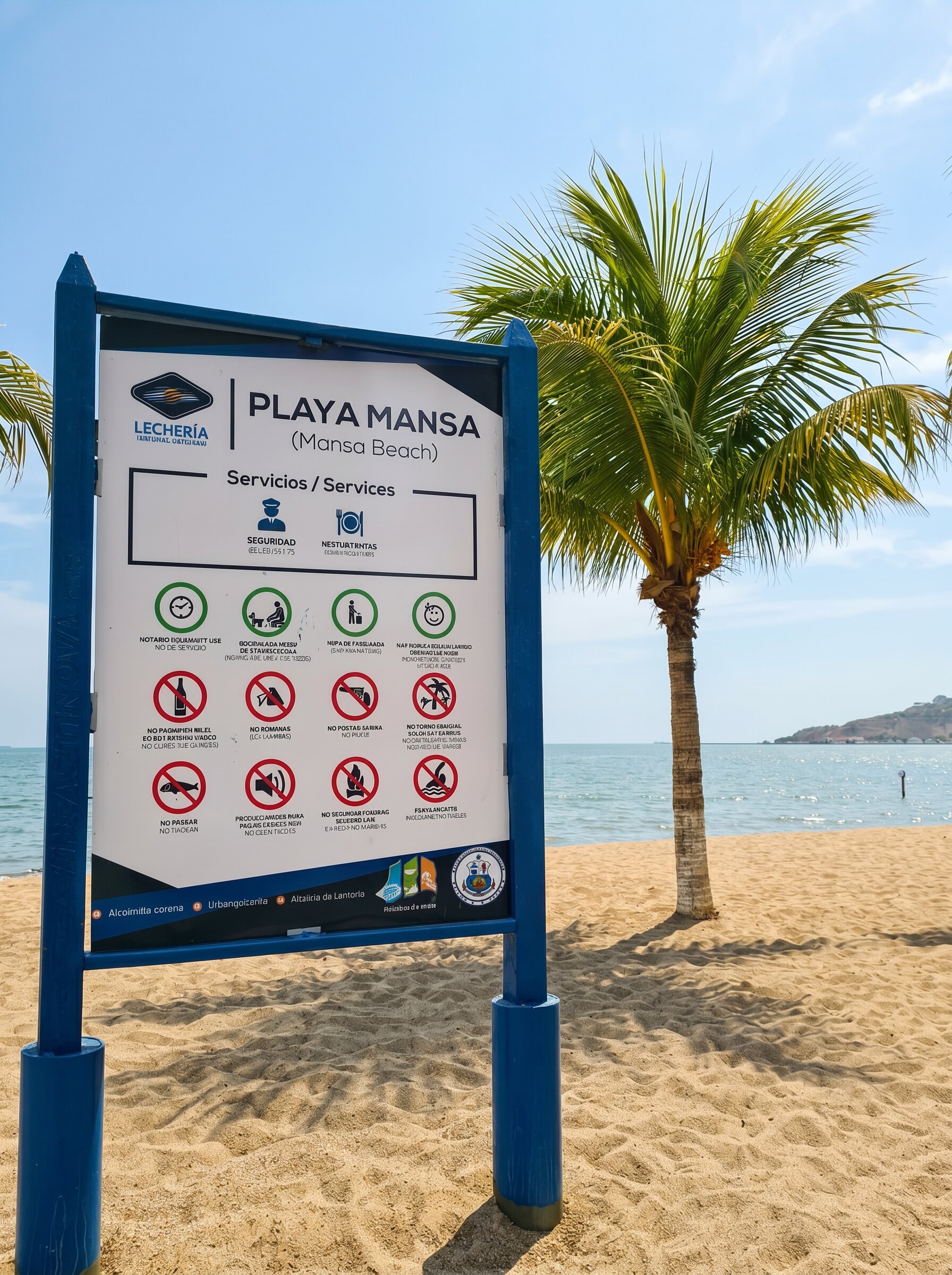
The city is home to several popular beaches that serve as social hubs for the community. Playa Lido is perhaps the most famous, known for its consistent winds that attract kite-surfers and windsurfers. It is a wide beach where locals gather for sunset walks and outdoor exercise.
Another favorite is Playa Cangrejo, which offers a broader shoreline and generally calmer waters. This beach is often preferred by families because of its shallow entry and relaxed atmosphere. Both beaches are integrated into the city, making them easy to visit between shopping or dining.
The Main Avenue Of Lechería And Everyday City Life
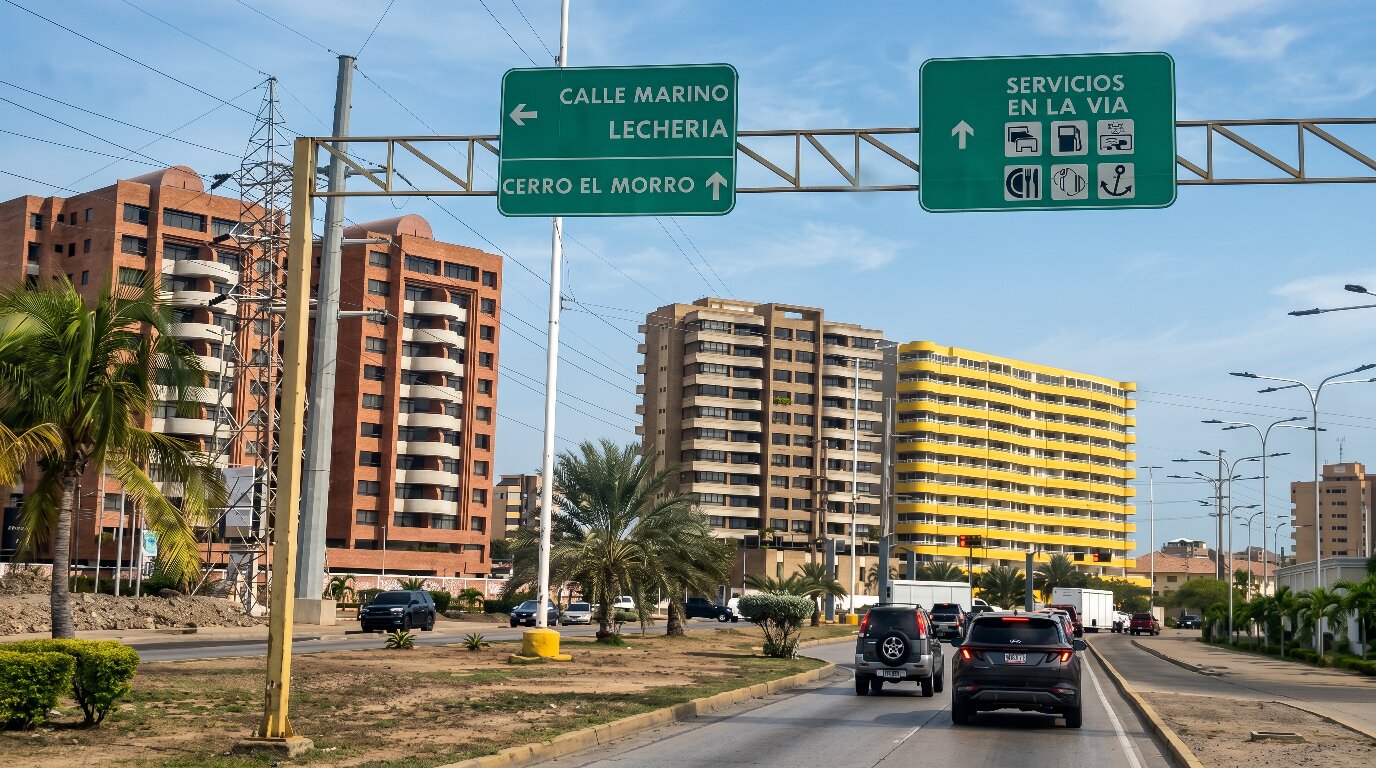
The Main Avenue of Lechería, known as the Avenida Principal, is the city’s central commercial spine. It runs through Lechería comercial, a district filled with shopping centers, restaurants, and modern buildings. The street has a noticeably urban feel for a coastal city.
Shopping centers line both sides of the avenue at regular intervals, making it practical for errands. The street is busy during peak hours and well-lit in the evenings. For first-time visitors, the Main Avenue serves as an essential orientation point for the rest of the city.
Art And Architecture
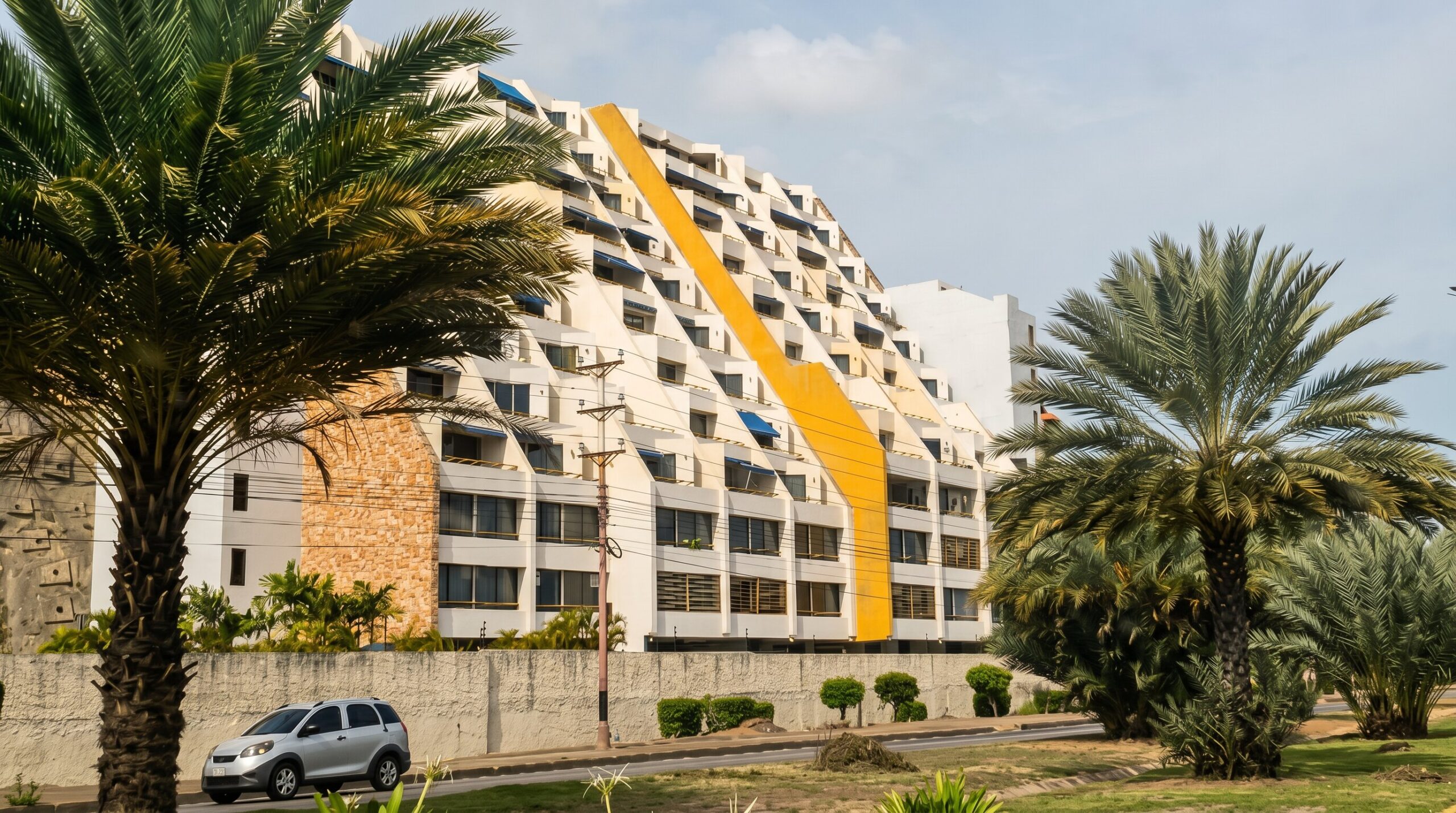
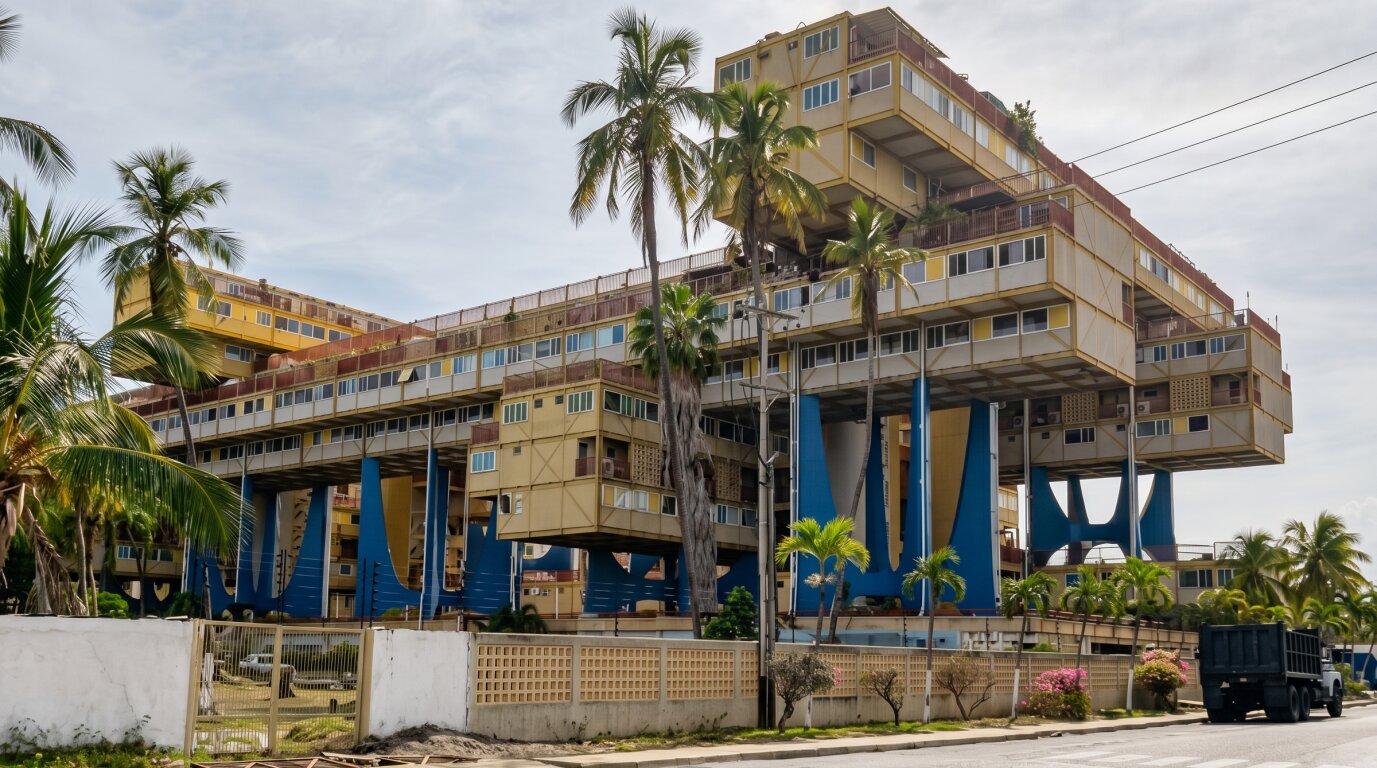
The city also offers unique cultural stops, most notably the Museo Dimitrios Demu. This museum was designed by the famous Venezuelan architect Fruto Vivas. Its metallic design stands out as a regional landmark. Nearby, the Plaza Bolívar offers a more traditional space for public gathering.
The museum was built to showcase the work of Dimitrios Demu, a Greek-born sculptor who made Venezuela his home. The collection includes sculptures reflecting the artist’s fascination with space. The collaboration between Dimitrios Demu and Fruto Vivas created a space that is both a gallery and a work of art.
The multifamiliar edificio El Árbol para Vivir was built in 1992 in Lechería, Anzoátegui, promoted by Pequiven para viviendas de sus empleados. Designed by the architect Fruto Vivas, the project came in 1990 and was completed approximately one year ago and in the middle by the CAPEV company.
The concept is based on horizontal structures in three floors that are crosswise and connect median núcleos de circulación vertical. The structure, designed by the engineers Edgar Fortul and Antonio Niebla and fabricated in acero, used modular modules that conform to the different types of apartments.
The conjunto has several columns in 13 metros, which allows a small plant to be shared by everyone. The pasillos and terraces function as shared spaces, and the design favors the crucible ventilation. Además, the use of tropical colors and elements as the Roman books reflect the style characteristic of Fruto Vivas.
Marinas, Houseboats, And Waterside Leisure
State Anzoátegui houseboats in Lechería represent one of the city’s more distinctive local features. The canal system of El Morro supports a genuine boating community with private docks. These neighborhoods look more like Floridian marina towns than typical Venezuelan coastal cities.
The marinas at the Complejo Turístico El Morro attract boat owners from across the region. Fishing, sailing, and recreational boating are common, and restaurants have established themselves along the canal edges. The water access is integrated into the urban fabric in a way that feels deliberate.
Fortín de la Magdalena, Shopping, And Nearby Stops
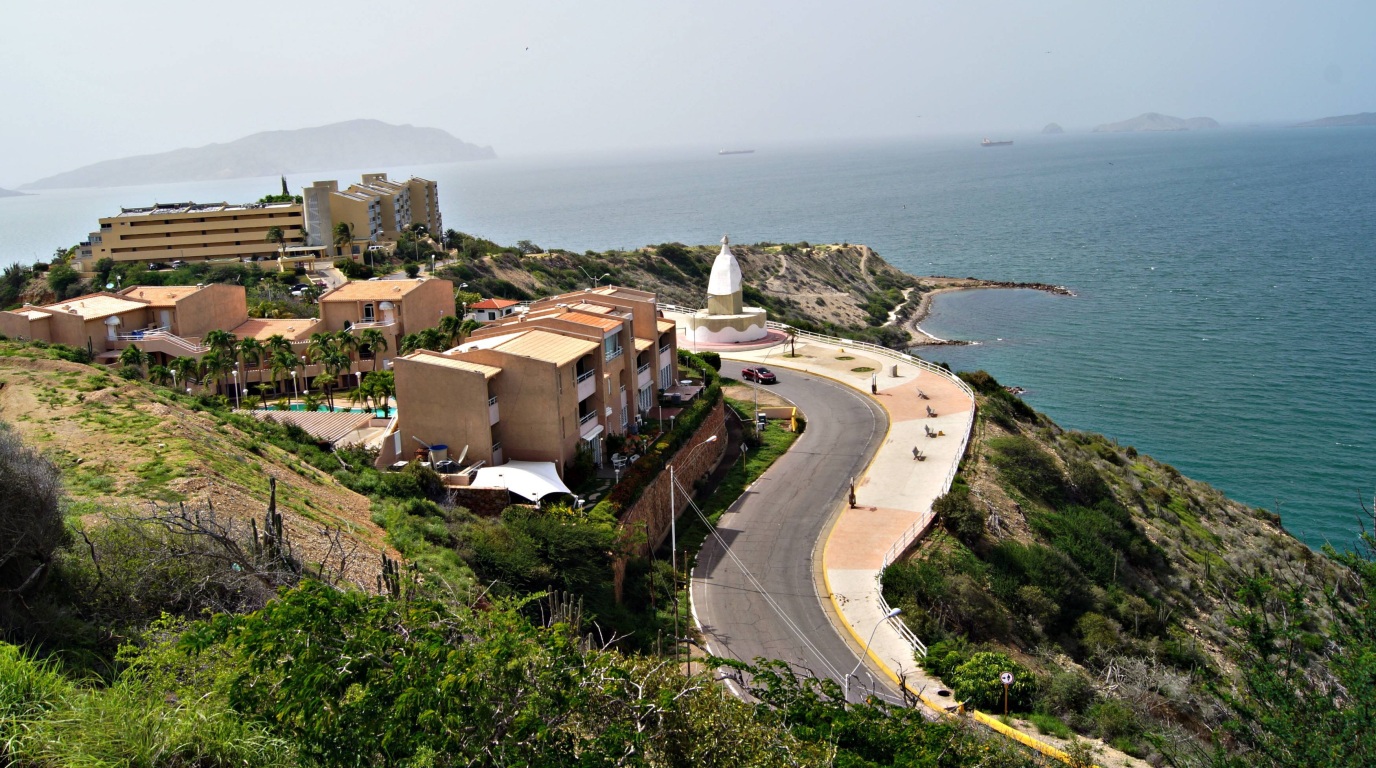
The Fortín de la Magdalena is the most historically significant landmark in Lechería. Built on Cerro El Morro in 1799, it was designed to defend against pirate attacks. The fort protected the commercial route connecting Barcelona and Cumaná during the colonial era.
To reach the Fortín de la Magdalena, you ascend Cerro El Morro. Locals use this route for morning exercise and cycling while taking in panoramic views. The views across Lechería, Puerto La Cruz, and the Bahía de Pozuelos are worth the climb.
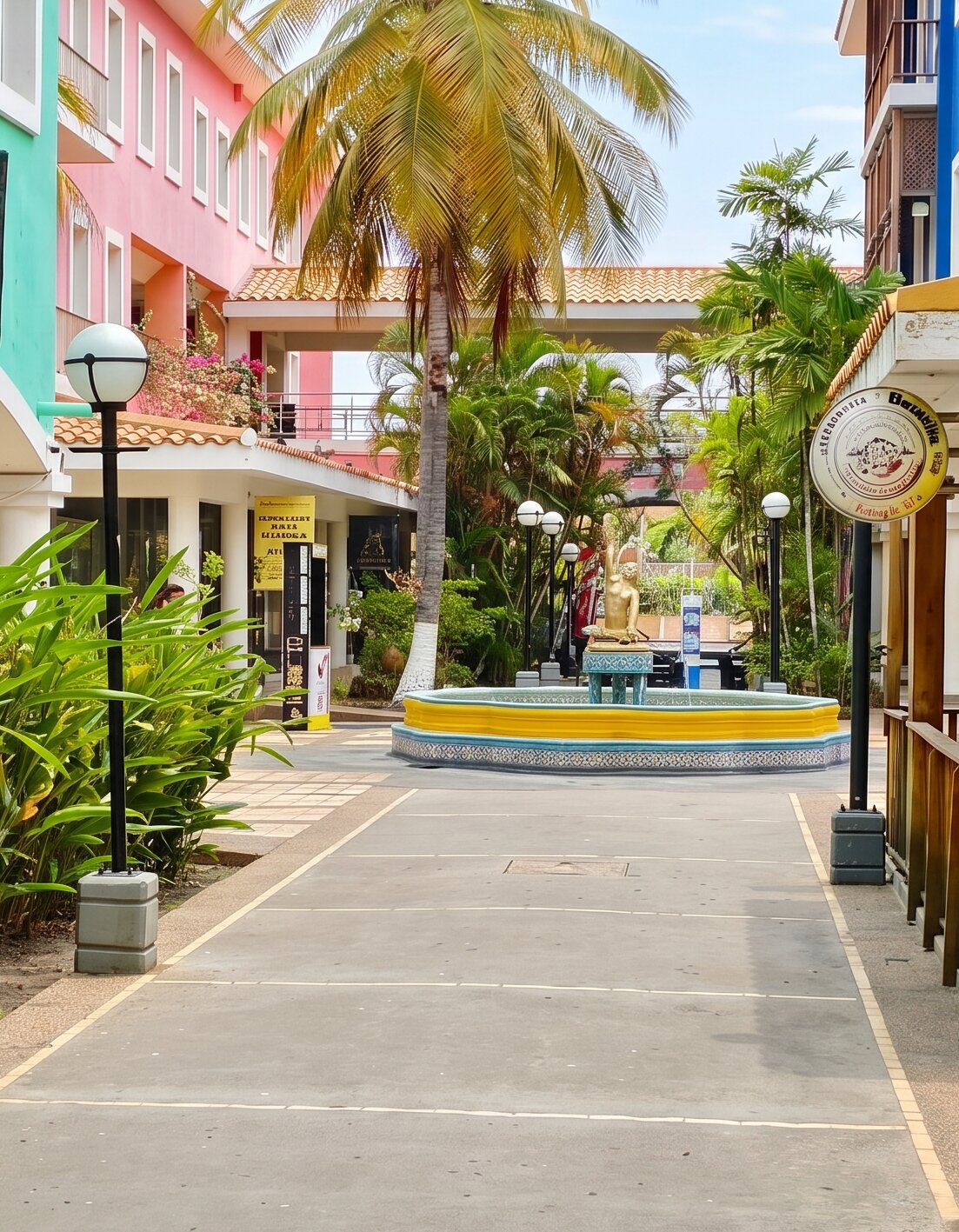
The Centro Comercial Plaza Mayor is an anchor commercial destination known for its Mediterranean-style architecture and canal views. Another major hub is the Caribbean Mall, which offers modern shopping and dining options near the water. These centers cater to both residents and visitors with a wide range of retail services.
For broader trip planning in eastern Venezuela, a local operator like Venezuela Nature can help. They connect Lechería to fuller regional itineraries including coastal stops and national park access. This makes exploring Lechería Venezuela a seamless part of a larger journey.
Frequently Asked Questions
Welcome to the FAQ section about Lechería in Venezuela. Here you’ll find quick, useful answers about its culture, attractions, and local life.
Lechería sits on the northern coast of Estado Anzoátegui in northeastern Venezuela. It is part of the metropolitan area near Puerto La Cruz and Guanta. The city is also known as San Miguel de Neverí. The nearest airport is in Barcelona, and from there, a short road transfer brings you into Lechería.
Visitors typically focus on the Main Avenue for dining and the Complejo Turístico El Morro for waterfront exploration. The Fortín de la Magdalena offers historical context and sweeping coastal views. Cultural enthusiasts should visit the Museo Dimitrios Demu to see the work of Dimitrios Demu in a building designed by Fruto Vivas.
Playa Lido is excellent for active visitors and those who enjoy wind-based sports. Playa Cangrejo is a great alternative for those seeking a wider beach with calmer waters. Within Lecherías, Playa del Convento is also recognized for its clear water and relatively calm atmosphere.
Lechería is generally considered one of the safer urban environments in Venezuela. Staying within the El Morro complex or established commercial sectors is the standard approach. Using pre-arranged transfers and staying in areas near the Caribbean Mall or Centro Comercial Plaza Mayor is common for travelers.
Lechería ranks as one of the wealthiest municipalities in Venezuela. This is driven by its proximity to the petrochemical complex and its high-value real estate. The cost of dining and accommodation is noticeably higher than in most Venezuelan cities, reflecting the local purchasing power.