
Colonia Tovar in Venezuela:
Travel and Culture Guide
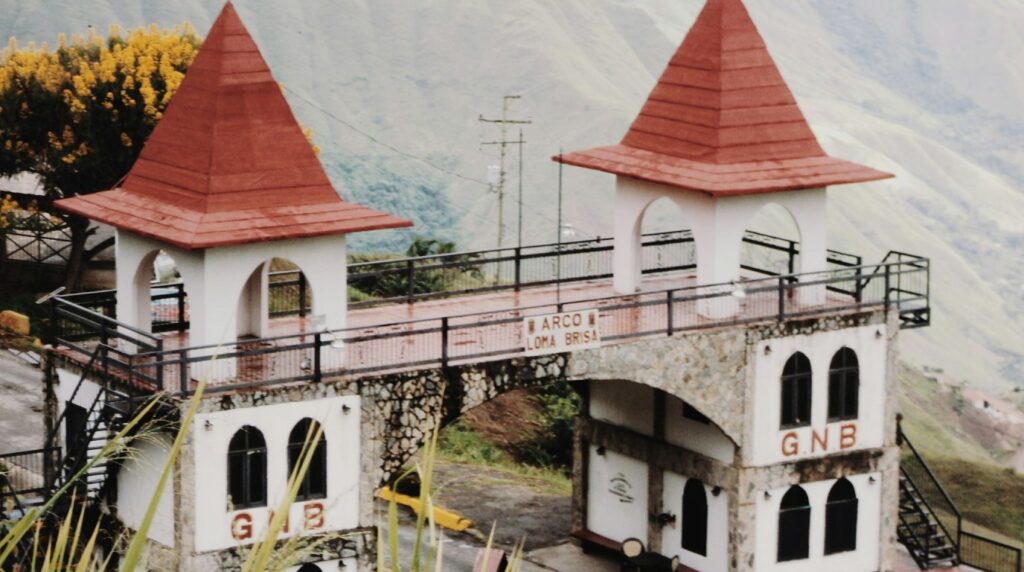
Colonia Tovar, in Venezuela, gives you one of the most unusual short trips you can take in the country, a mountain town in Aragua state where German heritage, cool weather, farm produce, and alpine-style buildings all meet in one place. If you are planning a day trip or weekend from Caracas, especially from areas west of Caracas, this is where you go for a very different pace, setting, and food scene, making it a popular getaway for both Venezuelans and international visitors.
You notice the change as soon as the road climbs into the Cordillera de la Costa. Whether you drive via La Victoria in Aragua or through El Junquito near Miranda, the air cools, the landscape opens into green slopes and fields, and La Colonia Tovar starts to feel separate from the rest of Venezuela without being hard to reach.
If you want a clear guide to Colonia Tovar, you need to know four things first: why it feels so distinct, how its history of German immigrants shaped the town, what you should eat and do, and how to plan the trip well from Caracas.
This German town is often called the Germany of the Caribbean, though what you actually experience is not a copy of Germany. You get a local culture shaped by Germans who arrived in 1843 from the Grand Duchy of Baden, including regions such as Kaiserstuhl and Endingen in Baden, bringing their language and culture, traditions, and agricultural knowledge to Aragua state.
Key Takeways
- You can visit Colonia Tovar for its cool climate, German-style town center, and strong local identity rooted in German culture.
- You will find a mix of history, food, markets, breweries, and mountain scenery in a compact area that has become an important part of regional tourism.
- You can reach it from Caracas for a day trip, though a night or two gives you more time to enjoy it as a relaxed travel experience.
Central Venezuela
More Destination
REQUEST
Why This German Town in the Mountains Stands Out
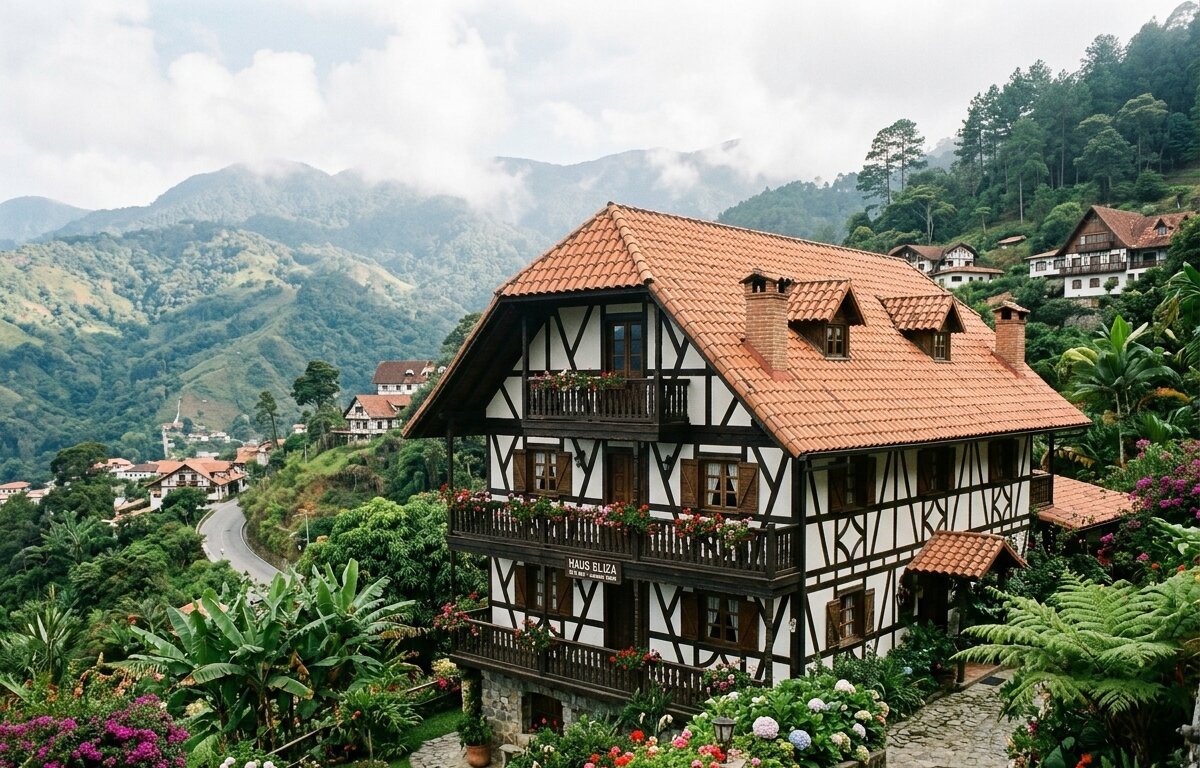
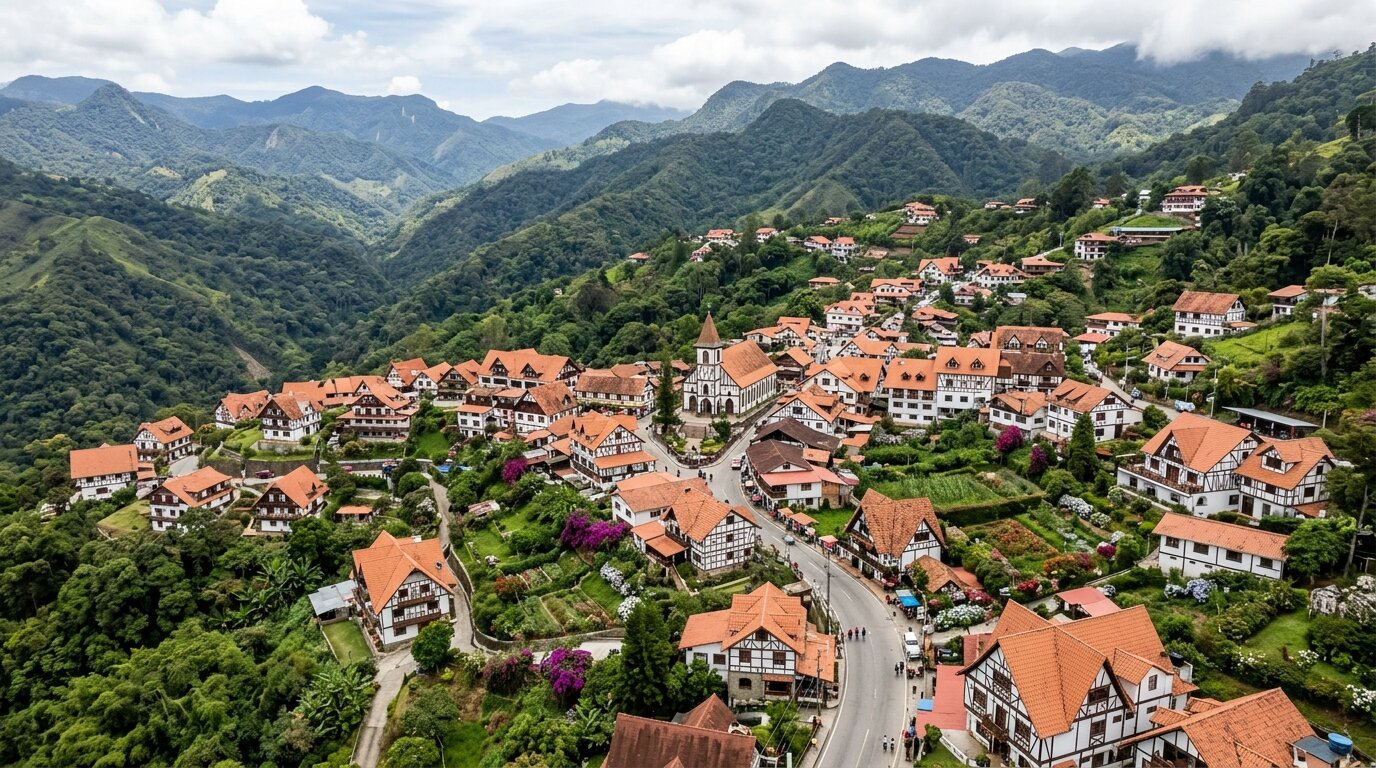
Colonia Tovar stands out because it combines geography and culture in a way few destinations in Venezuela do. You are not just visiting a scenic town in Aragua, you are visiting a place where setting, German architecture, food, and identity all reflect a specific migration history tied to German families who came to colonize the region.
Where It Is and Why People Visit Colonia Tovar
You find Colonia Tovar in Aragua state, in the Cordillera de la Costa, roughly west of Caracas. It is close enough for a manageable road trip and far enough to feel like a real change of scene.
Most people visit for three reasons: the cool mountain weather linked to its altitude above sea level, the visible German heritage, and the food. The town also works well if you like produce markets, short walks, viewpoints, and relaxed weekends surrounded by lush vegetation.
Climate, Elevation, and Setting
The town is located about 1,800 meters, or approximately 5,900 feet, above sea level. The altitude varies considerably in the surrounding area, contributing to the region’s lush vegetation, green hills, misty mornings, and terraced farmlands influenced by nearby cloud forest ecosystems.
You can expect a mild highland climate rather than tropical heat. Days are usually comfortable, evenings can feel cool, and light layers are useful even if you started your trip in warm weather in Caracas.
What Makes It Feel Distinct From Other Venezuelan Destinations
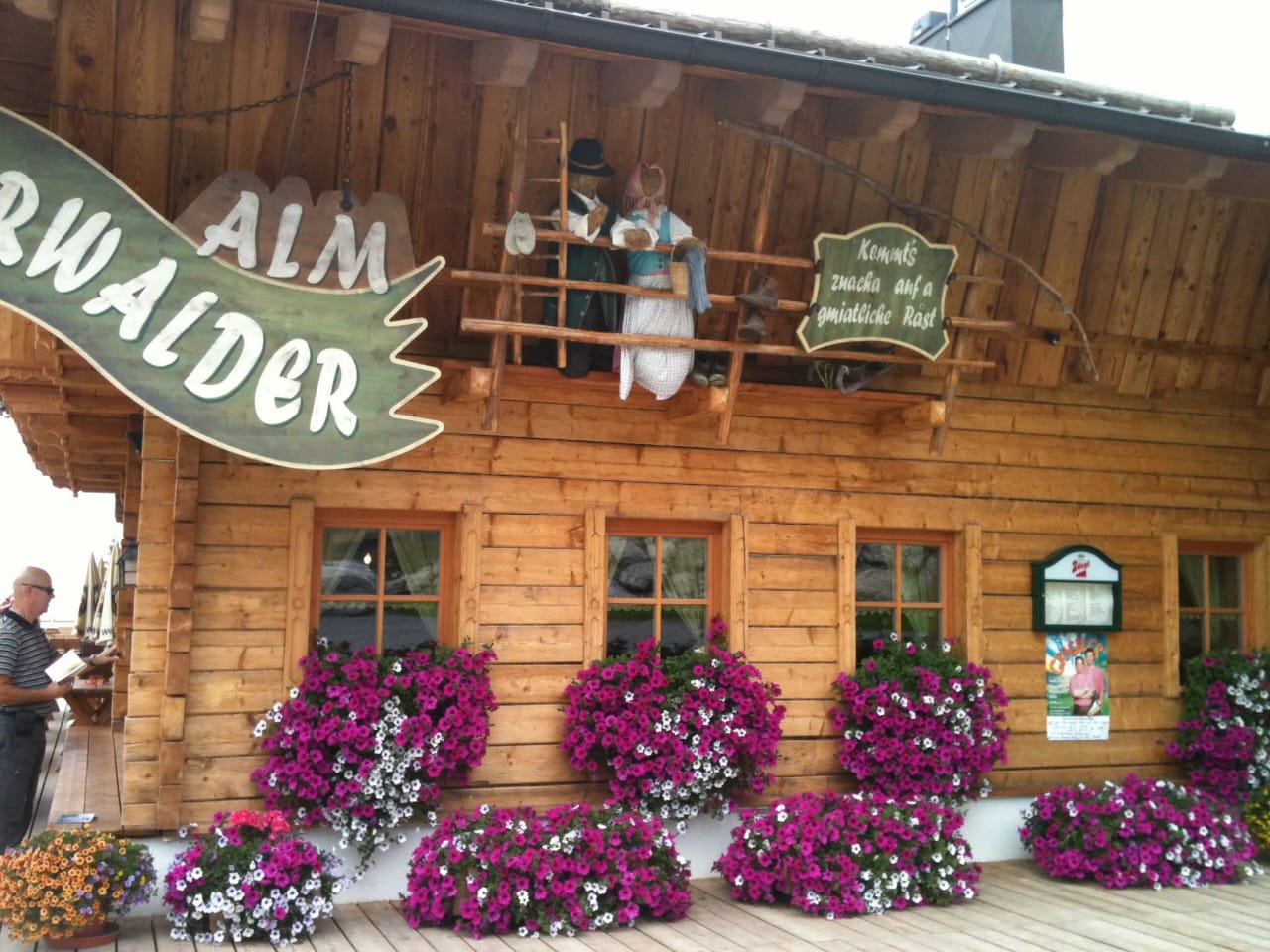
La Colonia Tovar feels different because the townscape is tied so closely to its history. Timber details, steep roof designs reminiscent of a European chalet, bakeries, sausage, fruit preserves, and local traditions all reinforce that identity rooted in traditional German customs.
It also has a practical appeal. You are not going there only to look at old buildings. You can eat well, shop for strawberry products, peaches, and fresh fruits and vegetables, try local beer, and spend time outdoors in the mountains. That mix is why Colonia Tovar is known as one of the most unique destinations in Venezuela.
History and Founding
The history of Colonia Tovar is specific and well documented, and it helps explain nearly everything you see today. Its street pattern, farming culture, and local identity all trace back to an organized settlement project in the 1840s.
How German Immigrants Arrived in 1843
Colonia Tovar was founded on April 8, 1843, by settlers from what was then the Grand Duchy of Baden. These German immigrants traveled to Venezuela as part of an agricultural effort to colonize fertile lands in what is now Aragua state.
After arriving on the Venezuelan coast, they passed through places including La Victoria before reaching the mountain settlement area. That difficult journey helped shape a strong internal identity among the Germans, preserving their dialect, customs, and traditions.
The Role of Agostino Codazzi and Martín Tovar Ponte
Agostino Codazzi played a key role in selecting the site. He looked for a mountain zone with climatic and geographic features that would suit the settlers and support farming near the slopes later explored by figures like Humboldt and connected geographically to regions near the Andes.
Martín Tovar Ponte was central as a backer of the project, and the colony took the Tovar name from that connection. The chosen lands in Aragua state made sense for both agriculture and relative isolation, shaping the early development of this German town.
From Agricultural Colony to Tourism Hub
At first, the colony focused on coffee and farm production. Over time, residents expanded into vegetables, fruits, and related trades, especially strawberry farming and other fruits and vegetables, supplying markets in Caracas and nearby cities.
For decades, isolation helped preserve local customs and the alemán coloniero dialect, and many residents continued to speak standard German at home. Later, an influx of visitors transformed the local economy, and tourism gradually became central to this picturesque mountain town.
Our Travel Packages


Architecture, Local Identity, Language and Culture
You can see the town’s culture in daily life, not only in museums or festivals. The built environment, local speech, family businesses, and food traditions all keep that identity visible, reinforcing both German culture and local Venezuelan character.
German-Style Buildings and Town Layout
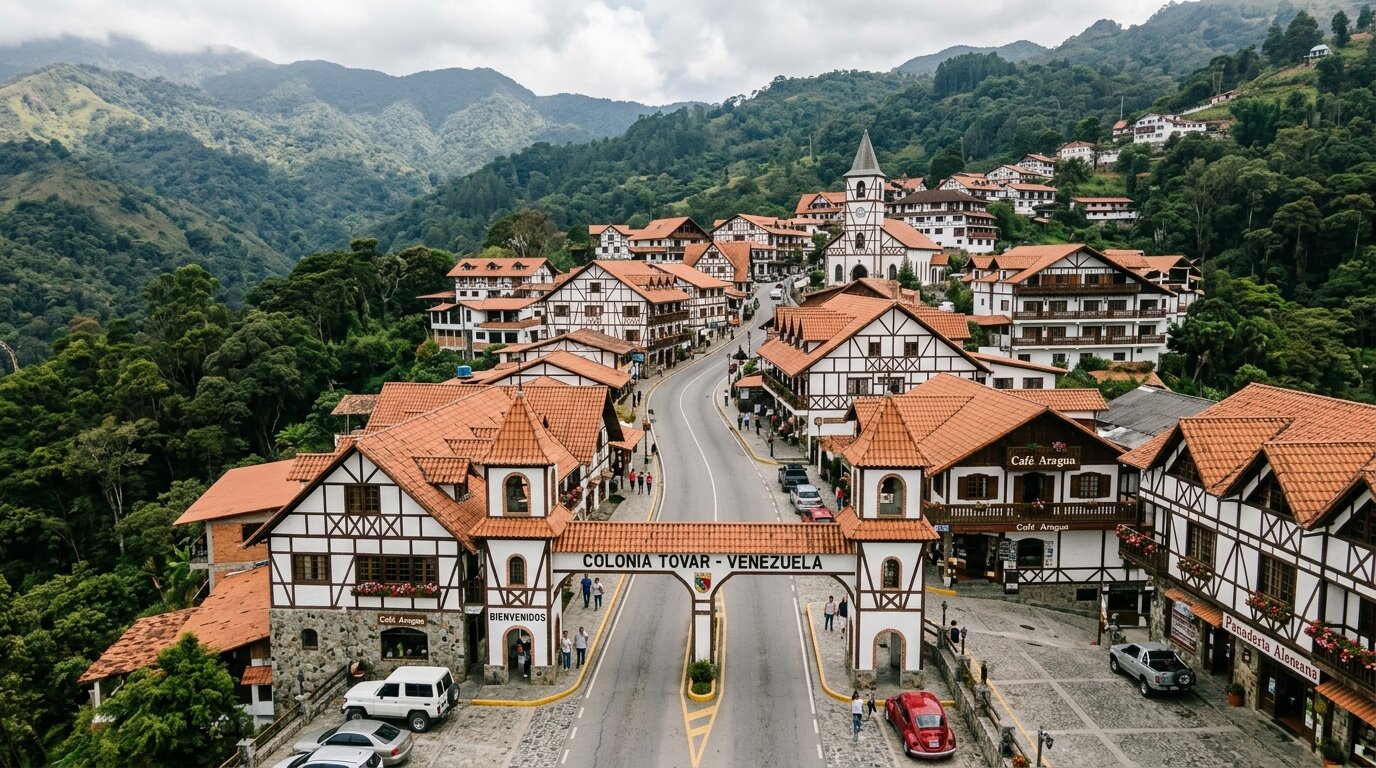
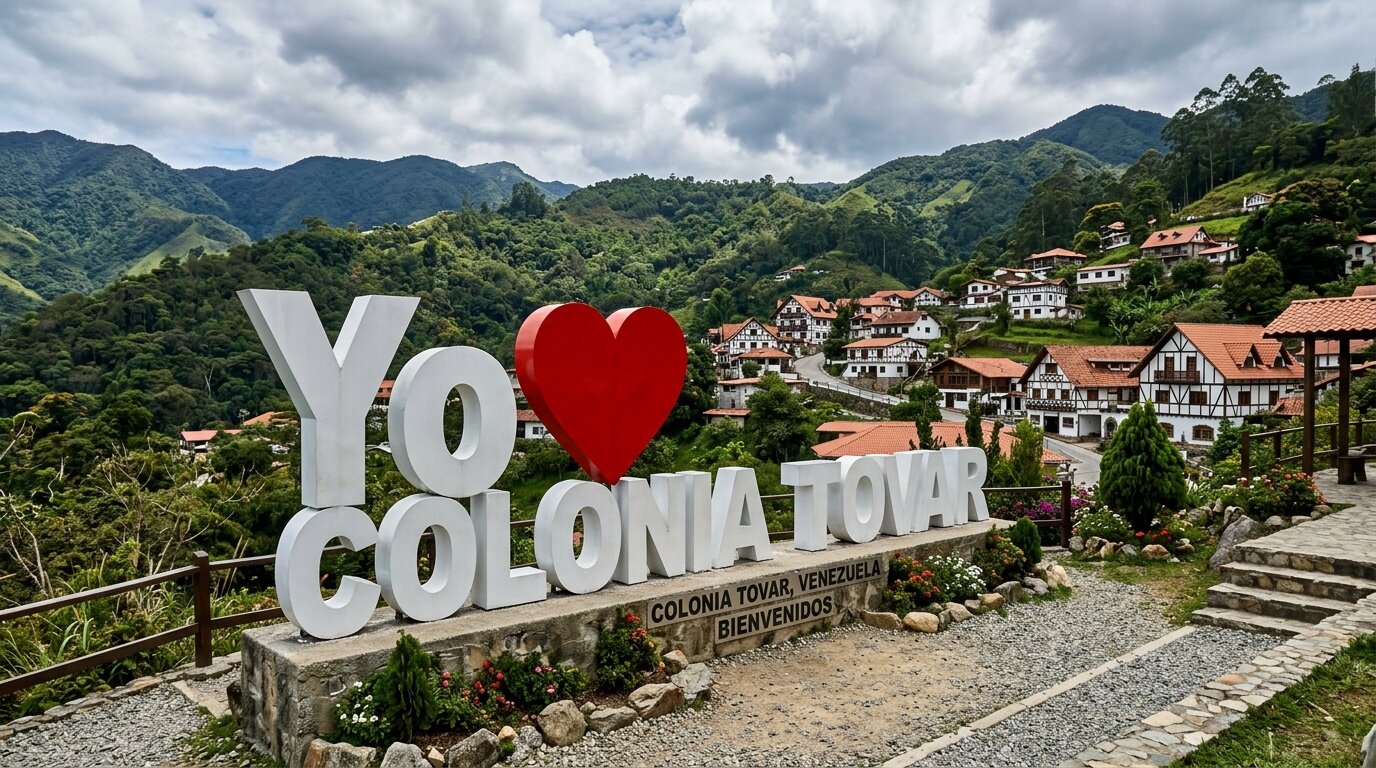
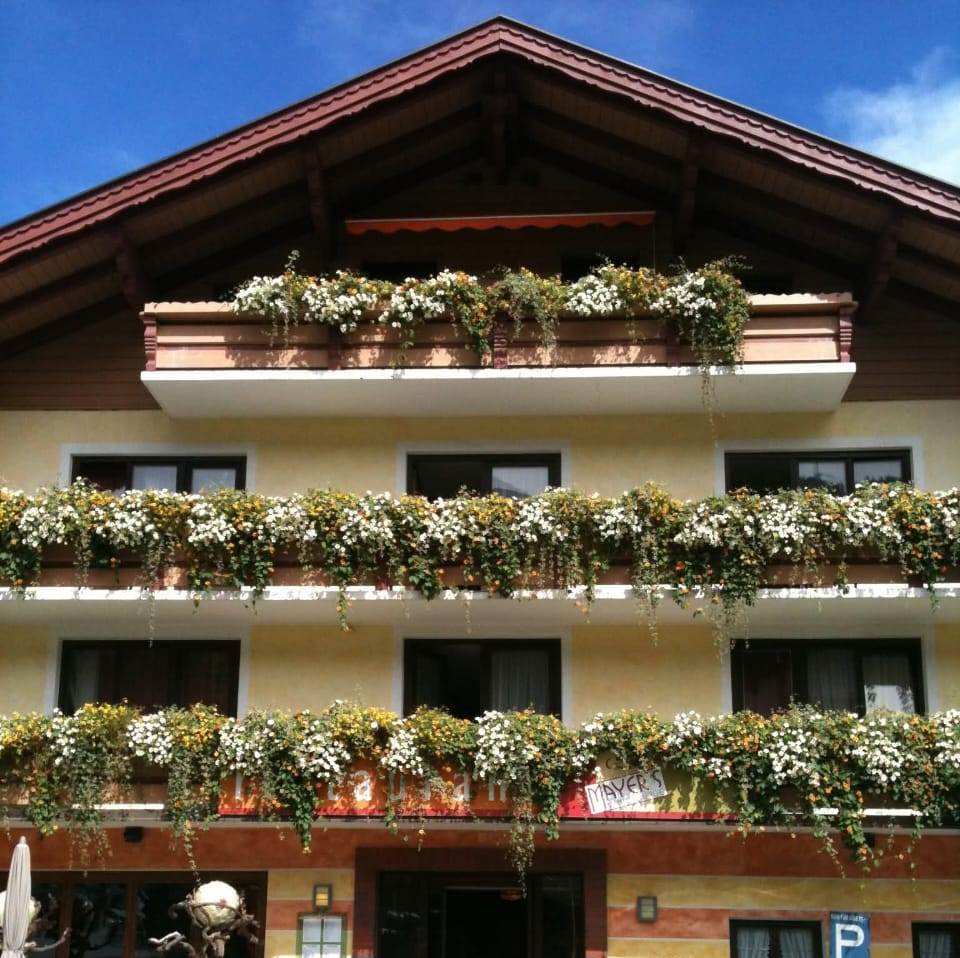
The center of La Colonia Tovar is known for German-style buildings with sloped roof lines, wood framing, balconies, and painted façades inspired by German architecture from regions like the Black Forest and Kaiserstuhl. The look is one of the first things you notice when you arrive in this German town in the mountains.
The town layout also feels compact and walkable. Around the main plaza, near the church dedicated to Martin of Tours, you can move easily between the church, shops, cafés, and markets without needing a long itinerary. Small inns, rustic lodgings, and chalet-style guesthouses give the area a cozy, European atmosphere.
Language, Traditions, and the Coloniero Identity
Spanish is the main language you will hear, especially in shops, hotels, and restaurants. At the same time, older generations recall when families continued to speak standard German, and elements of the original German spoken dialect remain part of the town’s historical memory.
The alemán coloniero dialect reflects the settlers’ origins in Baden, particularly from towns like Endingen in the Grand Duchy of Baden. That identity is often expressed through the word coloniero or coloniera. In practice, this means you are seeing a community that values its German heritage, preserves aspects of language and culture, and at the same time is fully integrated into modern Venezuela.
Festivals, Craft Shops, and Everyday Cultural Life
Seasonal celebrations often focus on food, music, and holiday traditions. The town continues to celebrate events tied to its origins, and one of the most important is Oktoberfest, inspired by the original Bavarian festival. During this time, residents and visitors gather to enjoy local beer, music, and traditional dress.
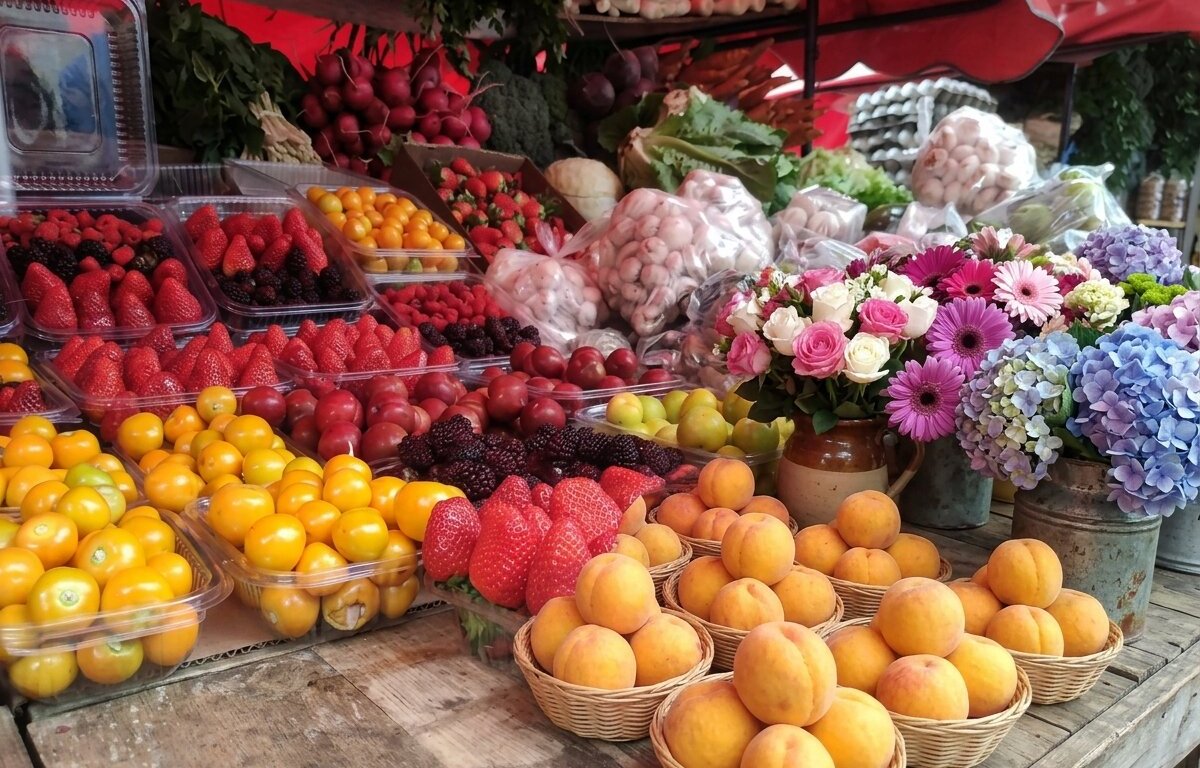
Throughout the year, you can browse craft shops offering traditional crafts, sweets, preserves, and handmade products. Market stall displays often include homemade jam, fresh produce, and baked goods. What makes the culture feel authentic is that it is not staged only for the tourist. You see it in everyday family businesses, restaurants, and bakeries that serve both locals and travelers.
While not known for intense nightlife, the town offers relaxed evening dining and social spaces where German families, locals, and visitors share meals and conversation.
What to Eat and Drink: German Families and Their Gastronomy
Food is one of the strongest reasons to visit Colonia Tovar. The local gastronomy blends traditional German recipes with mountain produce from La Colonia Tovar, creating a distinctive regional cuisine.
Signature Dishes, Pastries, and Produce
Start with the classics: sausage, sauerkraut, roast pork, and hearty dishes served in a rustic dining room or open terrace overlooking the mountainside.
Bakeries are central to the experience. A typical bakery or cozy cafe will offer strudel, fruit tarts, sweet pastry, cookies, and the famous black forest cake. Many visitors come specifically for dessert, pairing coffee with a slice of cake while enjoying the cool mountain air.
Local agriculture is equally important. Fresh strawberry products, seasonal peaches, and other fruits and vegetables fill the markets. Homemade jam, fruit wines, and preserved goods are popular purchases for visitors planning to take flavors home.
Beer, Bakeries, and Traditional Flavors
Cervecería Tovar is the best-known beer name in town and an easy cultural stop if you enjoy brewing traditions. This local beer helped establish a stronger beer identity in Colonia Tovar and remains part of the visitor experience.
Every year, the town hosts its own Oktoberfest, inspired by the original festival in Bavaria. During this lively celebration, people gather to celebrate with music, dance, and Bavarian-influenced traditions. It has become a major attraction that strengthens the town’s identity within Venezuelan tourism.
Bakeries are worth your time even if you are only in town for a few hours. I have found that the best approach is simple: go early, buy a few smaller pastries instead of one large dessert, and enjoy them slowly with coffee.
What to Try at Markets and Restaurants
If you only have one meal, order a plate with sausage, bread, and a local side, then add a sweet pastry or strudel for dessert. If you have more time, try preserves, fresh strawberries with cream, baked goods, and a cold local beer.
A good tasting list includes:
Apfelstrudel
German sausages
Fruit jams and preserves
Strawberry desserts
Fresh peaches in season
House-baked breads
Beer from Cervecería Tovar
Black forest cake
Top Things to Do: Featured Attraction Guide
The best things to do in Colonia Tovar are easy to combine in a single day trip. This compact mountain town works well for short travel itineraries.
Explore the Main Square, Church, and Museum
Start at the main plaza, near the church of Martin of Tours, to understand the heart of the town. From there, you can appreciate the surrounding German architecture, steep roof designs, and compact streets that define this historic settlement founded in 1843.
If the museum is open, it offers context about the arrival of German immigrants, the role of Agostino Codazzi, and the support of Martín Tovar Ponte in establishing the colony.
Shop for Local Produce, Sweets, and Crafts
Shopping here reflects everyday life. You are not only browsing souvenirs but also engaging with the town’s agricultural economy.
Look for:
- Strawberries and peaches
- Sweets and pastries
- Fruit wines and jam
- Handmade goods from craft shops
- Traditional foods and traditional crafts
- Seasonal fruits and vegetables
Add Scenic Walks, Viewpoints, or Paragliding
Beyond the center, scenic drives and short walks reveal the beauty of the surrounding areas. The vegetation, cool altitude, and open landscapes define the region.
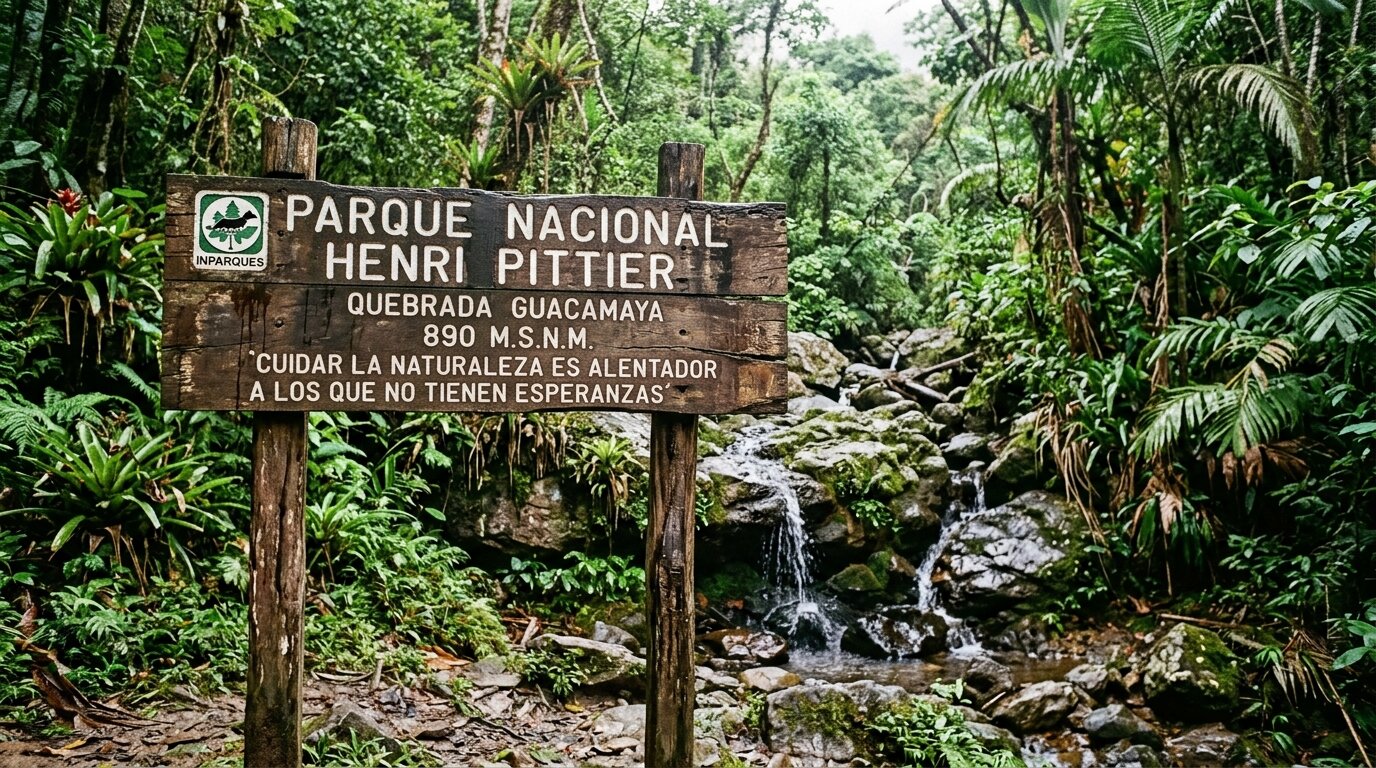
Some visitors explore routes that connect toward Henri Pittier National Park, a major protected area in Aragua state. The park, along with peaks influenced by the explorations of Henri Pittier and Humboldt, adds ecological depth to your visit.
Nature and Nearby Landscapes
Colonia Tovar is not only cultural but also natural. Its location in the Cordillera de la Costa places it near cloud forest zones and scenic ridgelines.
Mountain Views and Agricultural Countryside
The agricultural countryside surrounding La Colonia Tovar is essential to its identity. Cultivated fields of strawberry crops and other produce stretch across the mountainside, supported by the cool climate above sea level.
The rural landscape, with rustic homes and chalet-inspired structures, makes this one of the most picturesque destinations in Venezuela.
Henri Pittier National Park and the Wider Region
Nearby Henri Pittier National Park expands your itinerary into one of the country’s most biodiverse areas. If you are exploring broader Aragua, you can combine cultural tourism in Colonia Tovar with nature excursions in the park.
Together, these sites create a well-rounded travel experience that highlights both German heritage and Venezuelan natural beauty.
Frequently Asked Questions
This quick FAQ covers the points travelers ask most often before planning a day trip or short stay. If you want the practical version of the town’s story, language, weather, and traditions, start here.
Colonia Tovar was founded on April 8, 1843, by German settlers from the Grand Duchy of Baden as part of an agricultural colonization project in Aragua. The settlement was shaped by the planning of Agostino Codazzi and support linked to Martín Tovar Ponte, and its early isolation helped preserve a strong local identity.
For a day trip, focus on the main square, church, local museum, bakeries, produce markets, and a meal built around German-style dishes and desserts. If you stay for a weekend, add scenic viewpoints, a brewery stop at Cervecería Tovar, and time to explore the countryside around La Colonia Tovar.
You will mainly hear Spanish in everyday life. The historical dialect known as alemán coloniero remains part of the town’s heritage, though it is not the main language used by most visitors in routine interactions.
Recent estimates have placed the population around 21,000. That marks a major change from the late 20th century, when the town was much smaller before tourism and related growth reshaped the local economy.
The weather is mild for most of the year because of the town’s elevation, with cool mornings and evenings and comfortable daytime temperatures. You can visit in any season, though many travelers prefer drier, clearer periods and the Christmas season for atmosphere and events.
Christmas is one of the most popular times to visit because the town highlights seasonal decorations, bakery traditions, festive meals, and public celebrations tied to its German heritage. You can expect a stronger holiday atmosphere in the center, with more visitors, fuller hotels, and lively food shops.