Pemon Tribe -
Indigenous People In Canaima
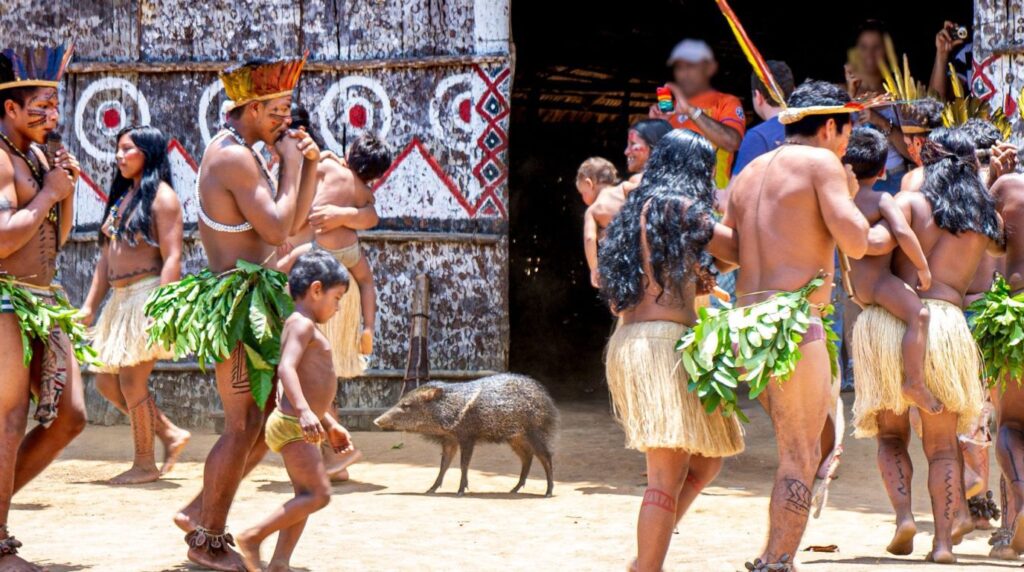
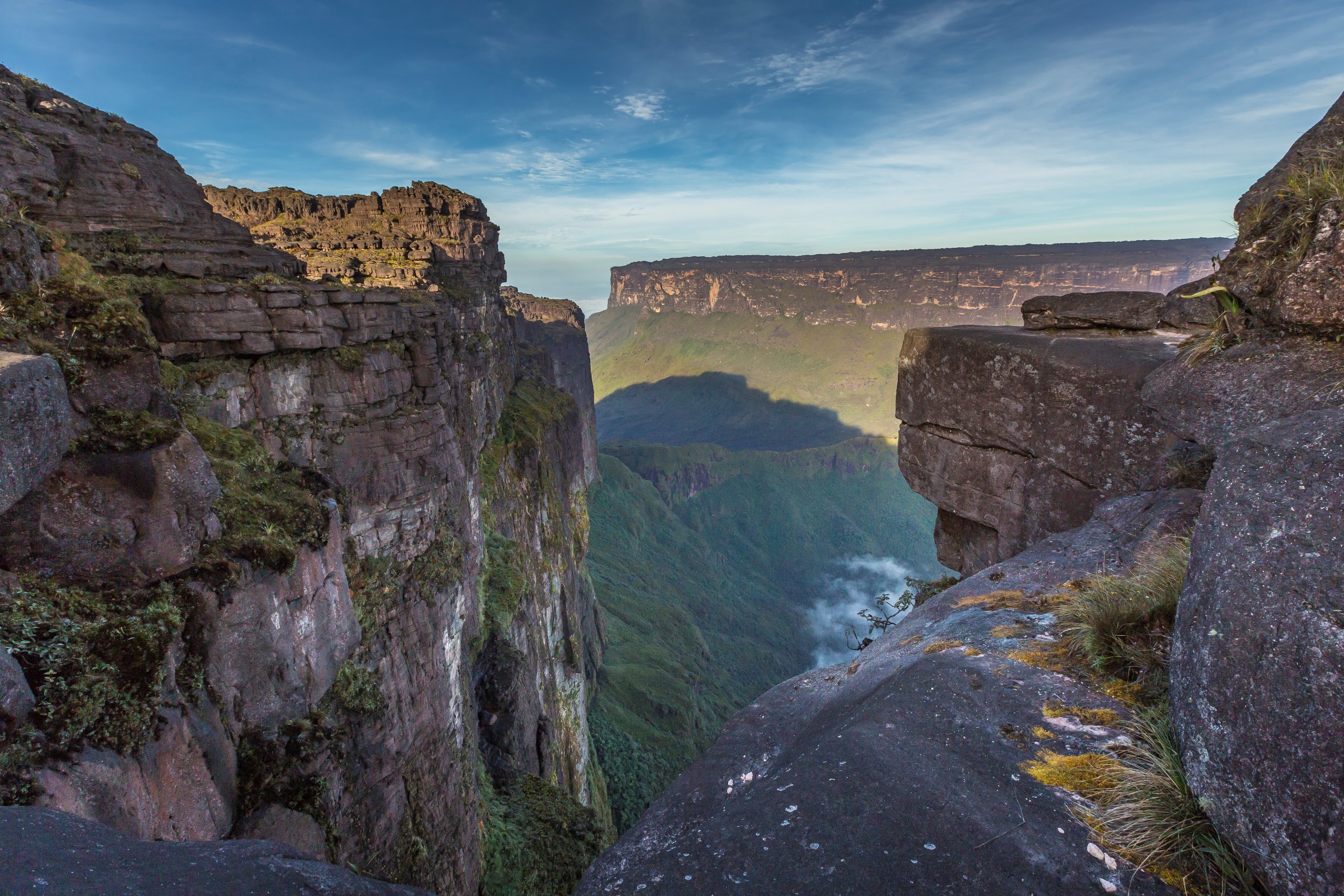
When you visit Canaima National Park, Angel Falls, or the Gran Sabana, you are not just stepping into one of the most dramatic landscapes in South America. You are entering the ancestral territory of the Pemón, a Pemón indigenous group who have lived in this region of southeastern Venezuela for centuries. Understanding something about who they are before you arrive will shape how you experience the place entirely.
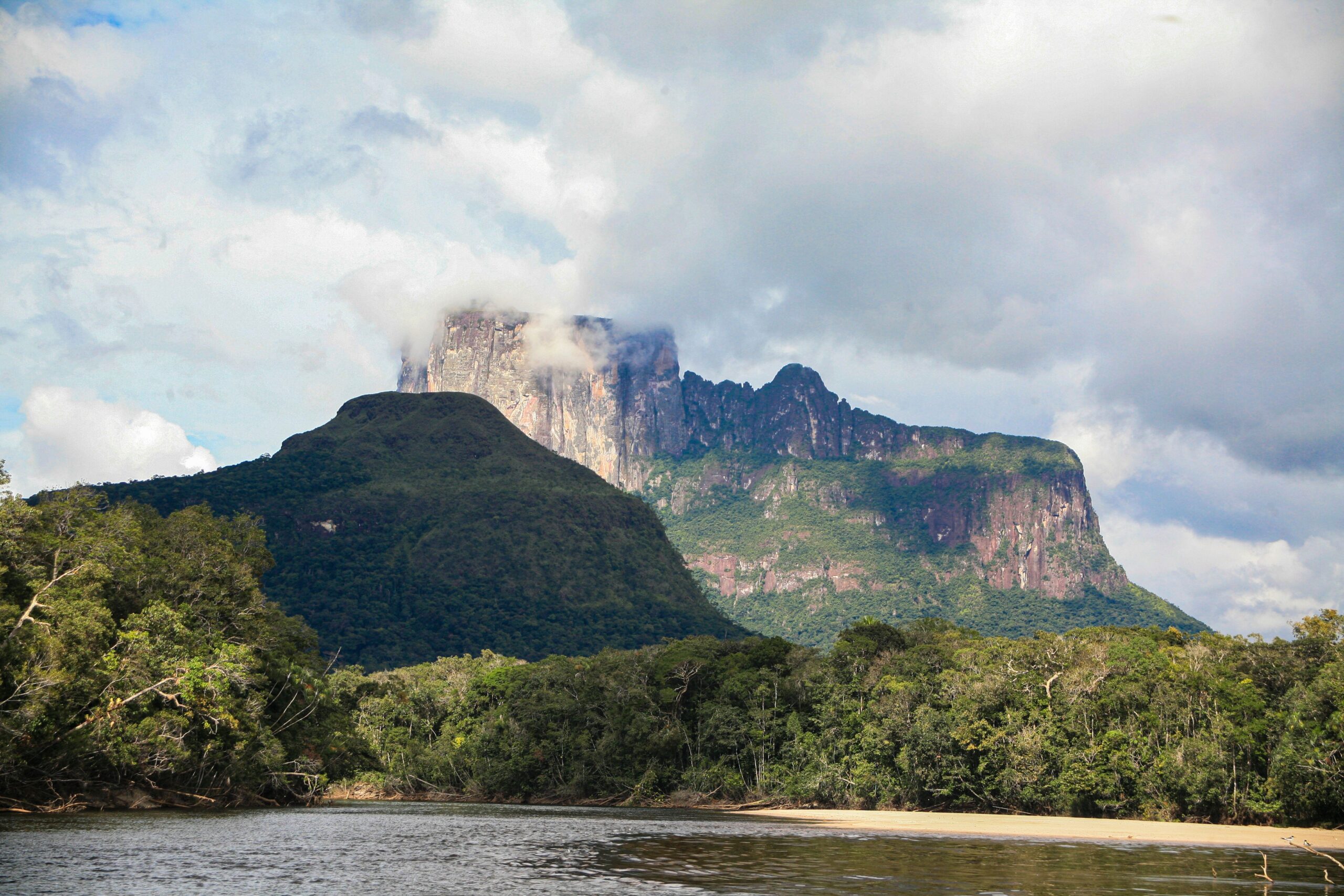
The Pemón are the original stewards of the tepuis, the towering tabletop mountains that define the Gran Sabana. Their history, language, and beliefs are woven into the land visitors come to see.
For many travelers, the connection between the landscape and its people is the most overlooked part of any Canaima tour. Taking time to learn about Pemón culture before you go makes that connection real. If you are planning a trip and want to explore the region with that depth of context, reaching out to a knowledgeable local operator through Venezuela Nature is a natural first step.
Key Takeaways
- The Pemón have inhabited the Gran Sabana and Canaima National Park for centuries, and the landscape is inseparable from their identity.
- Their language, subgroups such as Arekuna, and belief systems like Kanaima reflect a rich and layered culture that continues to adapt to modern pressures.
- Land rights remain the most pressing issue for Pemón communities today, making responsible, informed travel more important than ever.
Who the Pemón Are
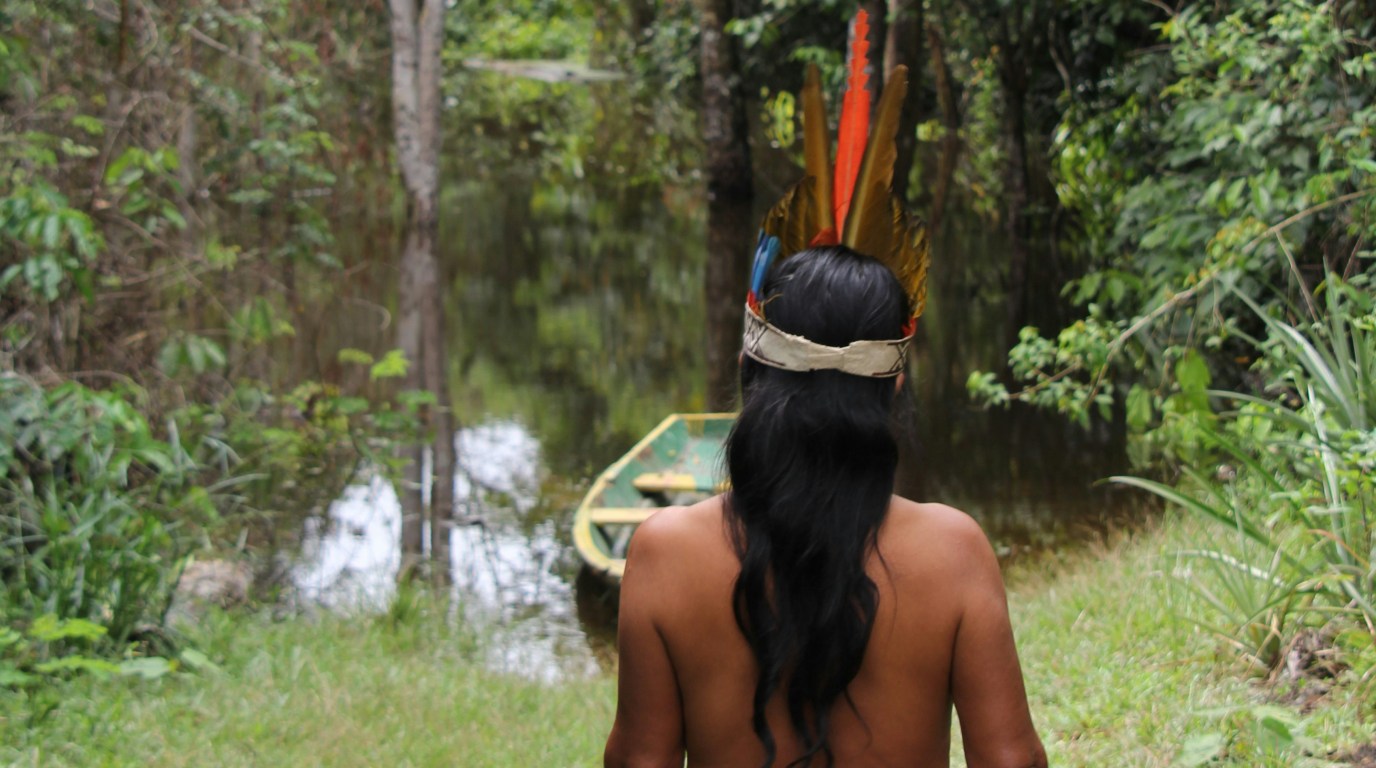
The Pemón are a Cariban-speaking Indigenous group distributed across southeastern Venezuela, parts of northern Brazil, and western Guyana. Their territory covers a wide arc of landscape that includes the tepui highlands, savanna grasslands, and lowland forest areas.
Homeland in the Gran Sabana and near the border
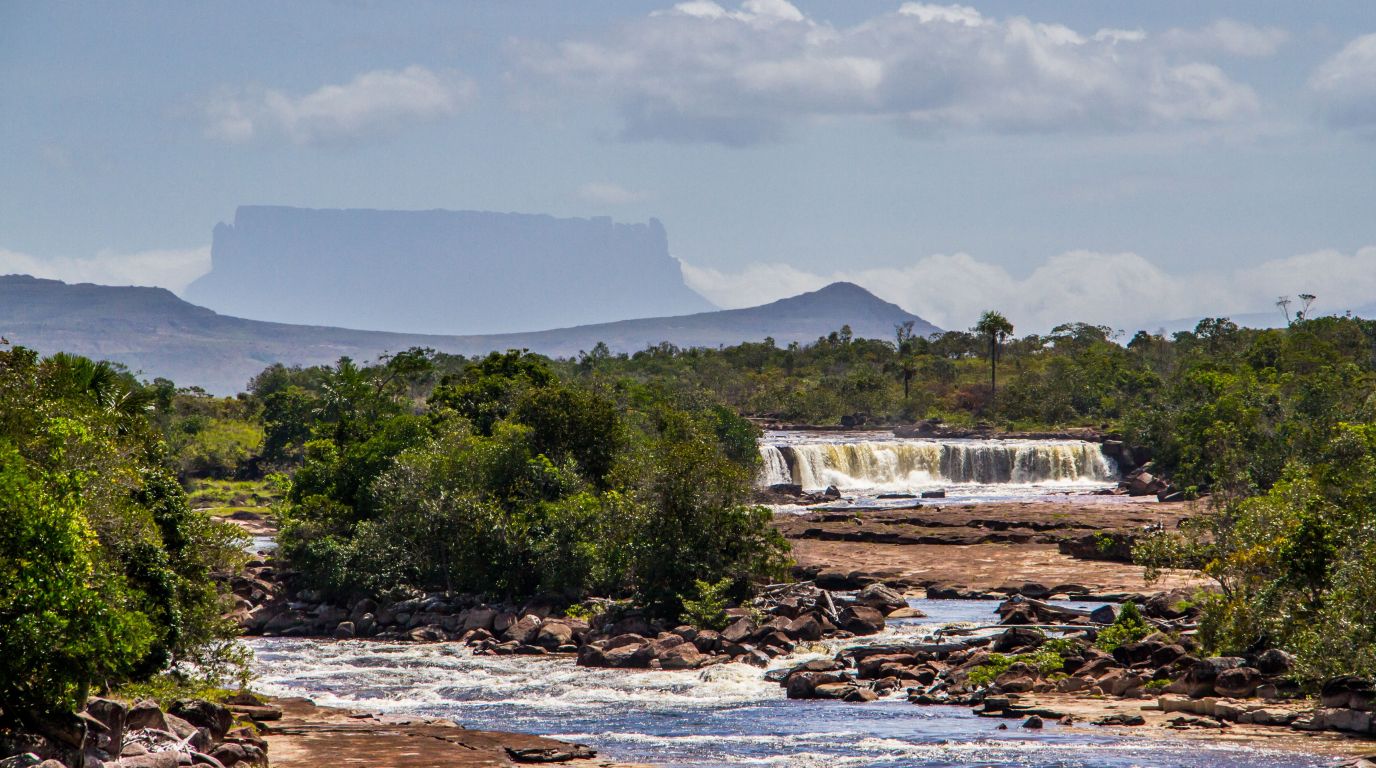
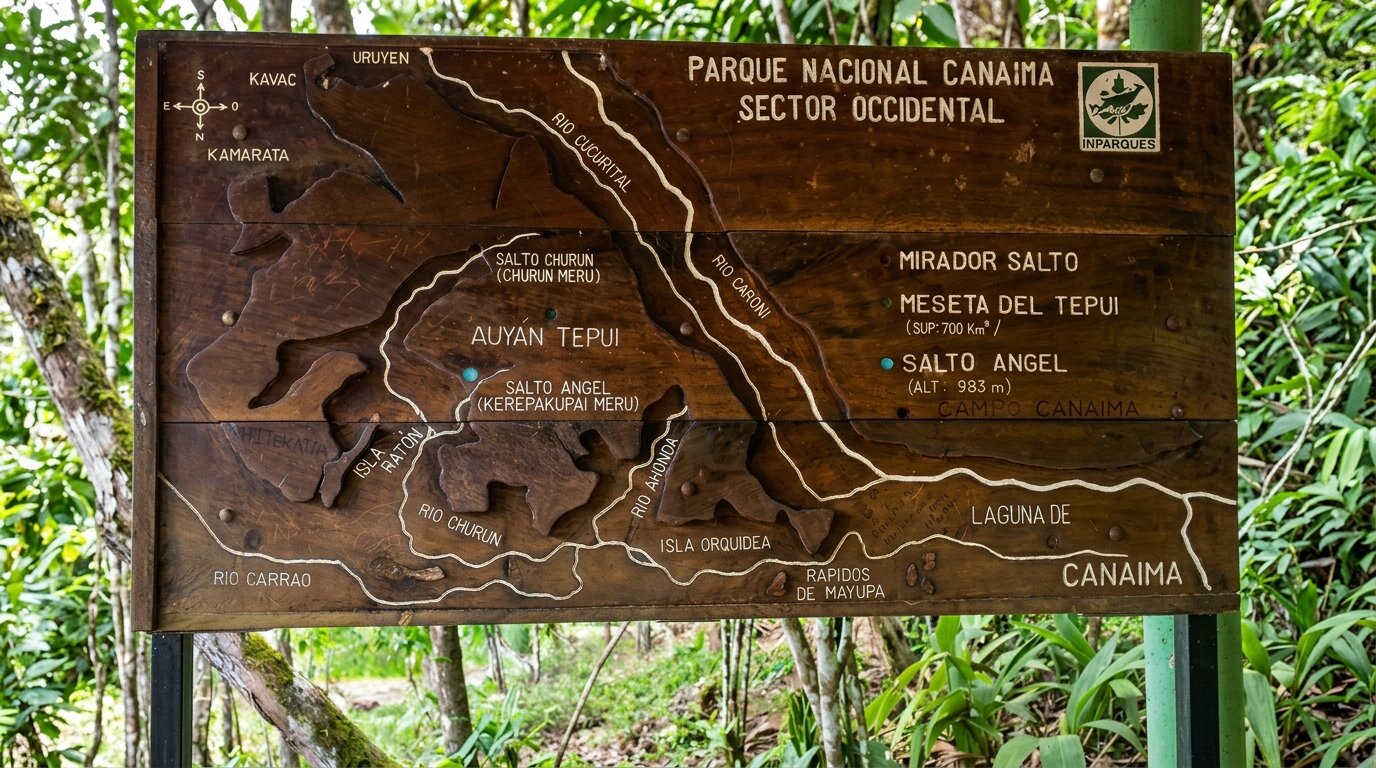
The Pemón homeland sits primarily in the Gran Sabana, the highland plateau in Bolívar State that contains Canaima National Park and borders both Brazil and Guyana. Their settlements are spread across remote valleys and riverine areas, including communities near Angel Falls such as Uruyén, Kavac, and Kamarata. The presence of as few people as possible in some of these areas has helped preserve both the culture and the landscape. Some communities also inhabit the remote stretches near La Paragua river.
The Pemon territory covers the coastal area of the Atlantic Ocean in Venezuela, the inland mountain savanna, and reaches toward the Amazon region. The tepuis themselves are a defining feature of this homeland, and the Pemón relationship to those formations goes far beyond geography.
Pemón People, Arekuna, and Related Groups
The Pemon-Caribs of Venezuela used to be called Arecuna, Kamarakoto, and Taurepan, but they call themselves Pemon. These groups, along with the Taurepang, Macushi, and Ingarikó, share the same language and broad cultural framework while maintaining distinct identities. The Arekuna are one of the better-known subgroups to outside researchers.
Each group occupies partially different parts of the broader Pemon area. The total population is distributed across Venezuela, Brazil’s Roraima State, and Guyana, making the Pemón a transborder people whose territory predates modern national lines.
Language, Dialect, and the Pemon Language
The Pemon language belongs to the Cariban language family and is a language spoken mainly in Venezuela, with speakers also in Brazil and Guyana. Father Cesareo de Armellada published the first dictionary of the Pemon language in 1943, when it was still referred to as Taurepan.
Many words in this language show interesting patterns of formation. The name in the Pemon language for “sugar-cane,” for example, translates roughly as “pineapple with a very long leg,” and the word for “dew” means “star’s saliva.” Words in this language show how deeply the natural world is embedded in everyday Pemón expression.
Young people also use Spanish among themselves, particularly in mission villages and mining areas. Language show interesting patterns of generational shift, with Spanish becoming dominant in some communities while the Pemon language remains active in others.
Community Life, Childhood, and Learning by Example
Pemon society is organized around family and village relationships, with marriage serving as the key framework for social structure. Visits between communities, beer gatherings, and shared meals tie neighborhoods together. Conversation during meals is lively, and open conflict is strongly discouraged. The basic response to disagreement is withdrawal rather than confrontation.
Pemon children learn by example and are given considerable freedom within the community. Physical discipline is rare. Pemon children spend time observing adults and absorbing cultural knowledge through daily practice rather than formal instruction.
Traditional Clothing, Food, Music, and Dance
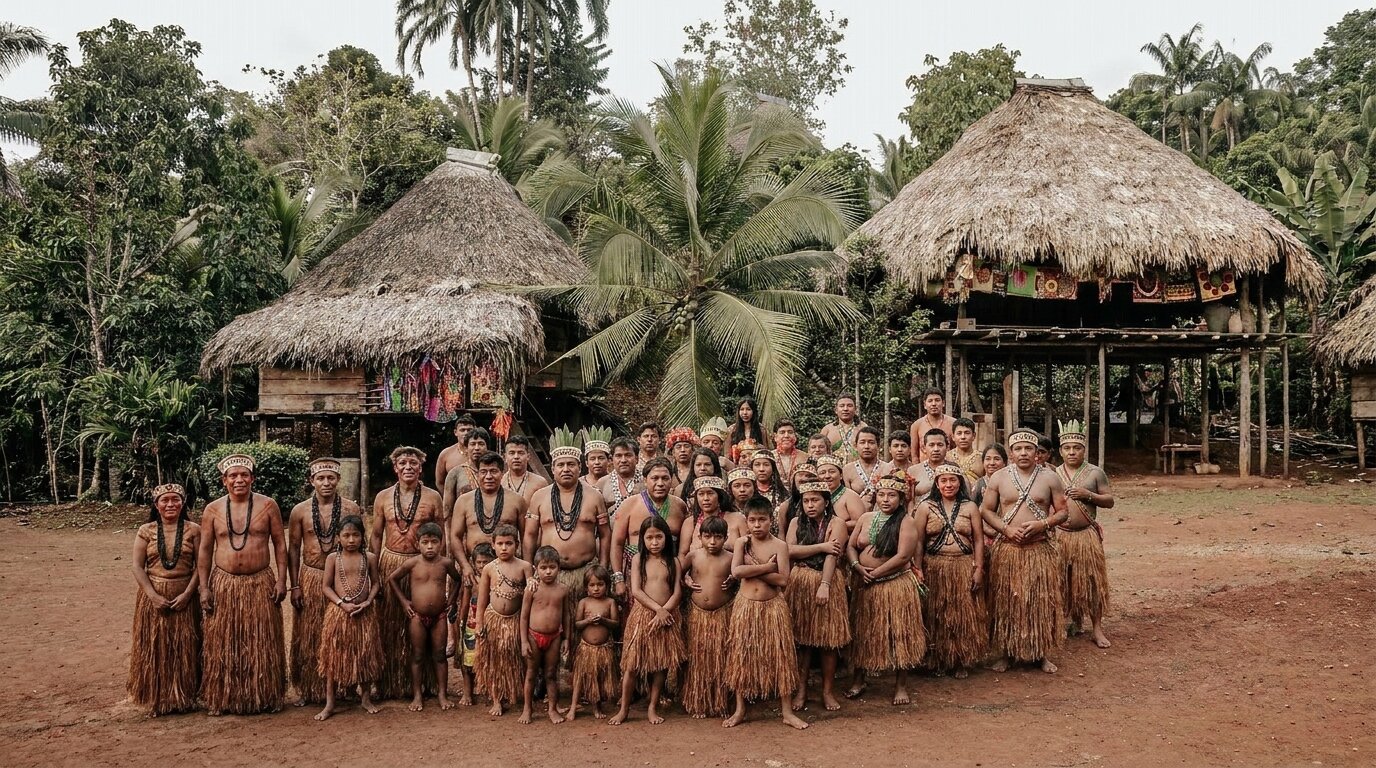
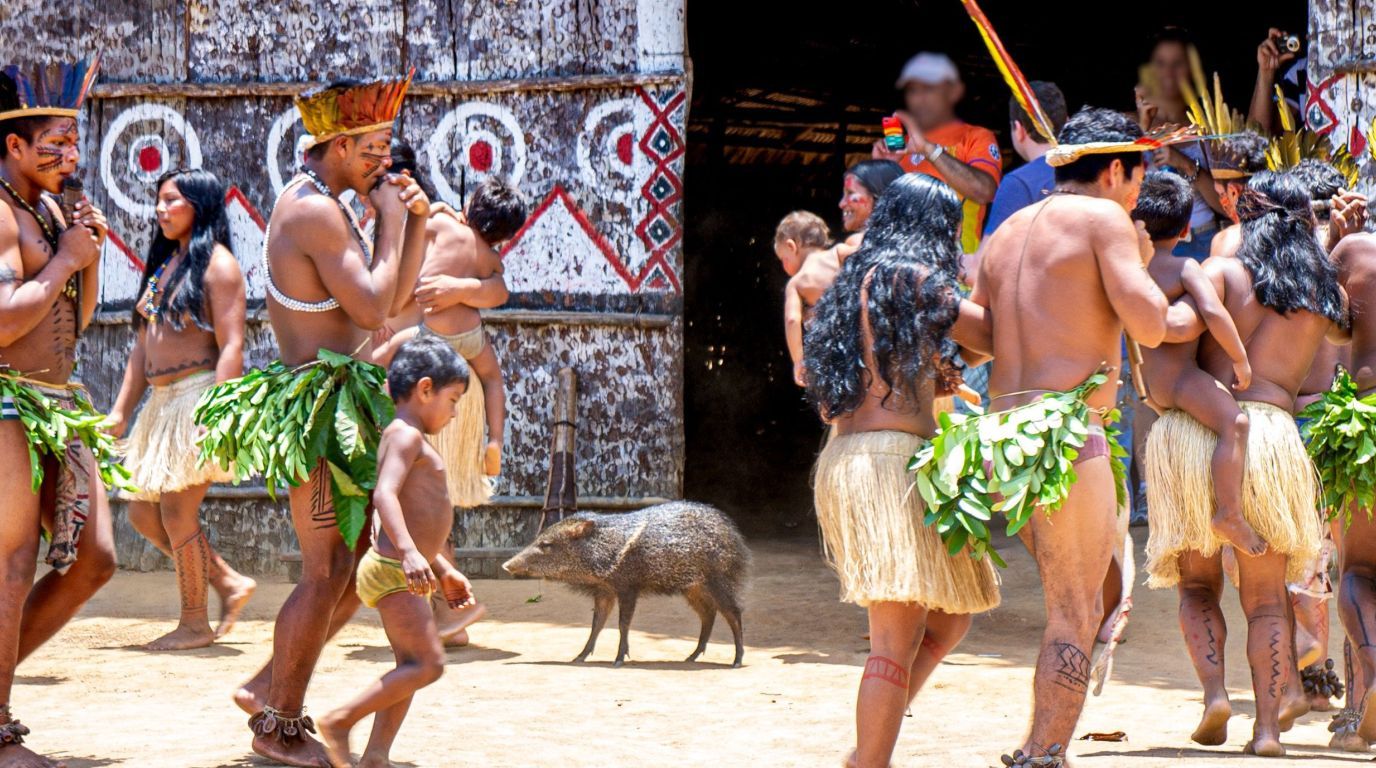
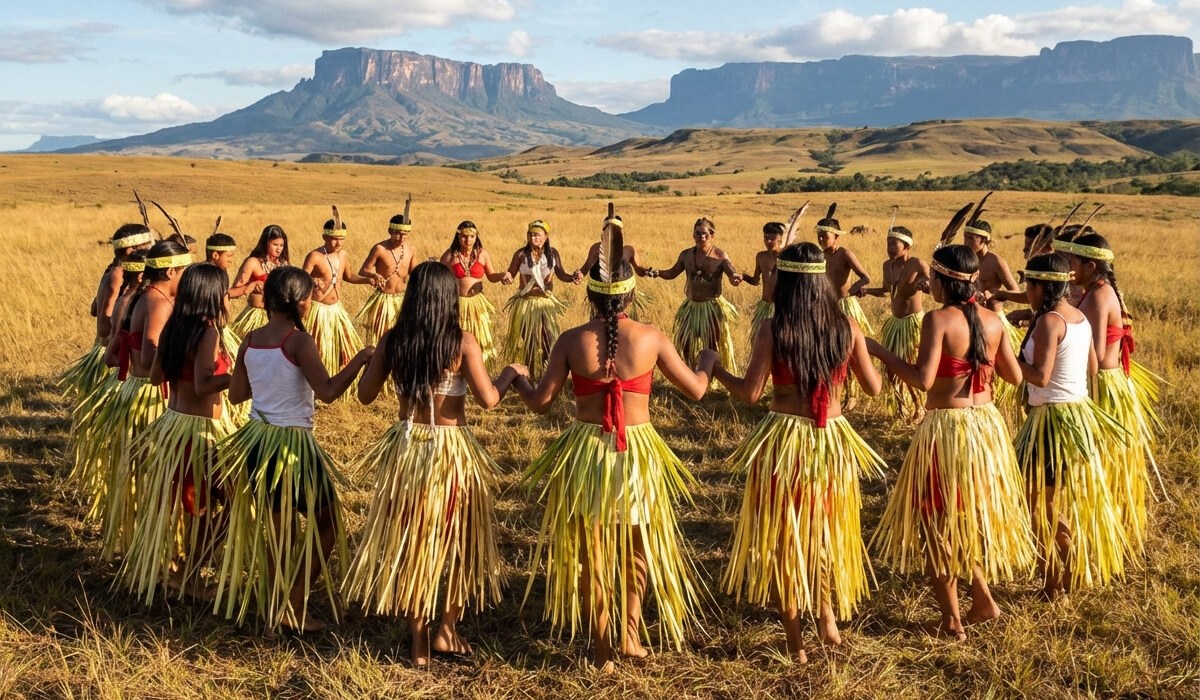
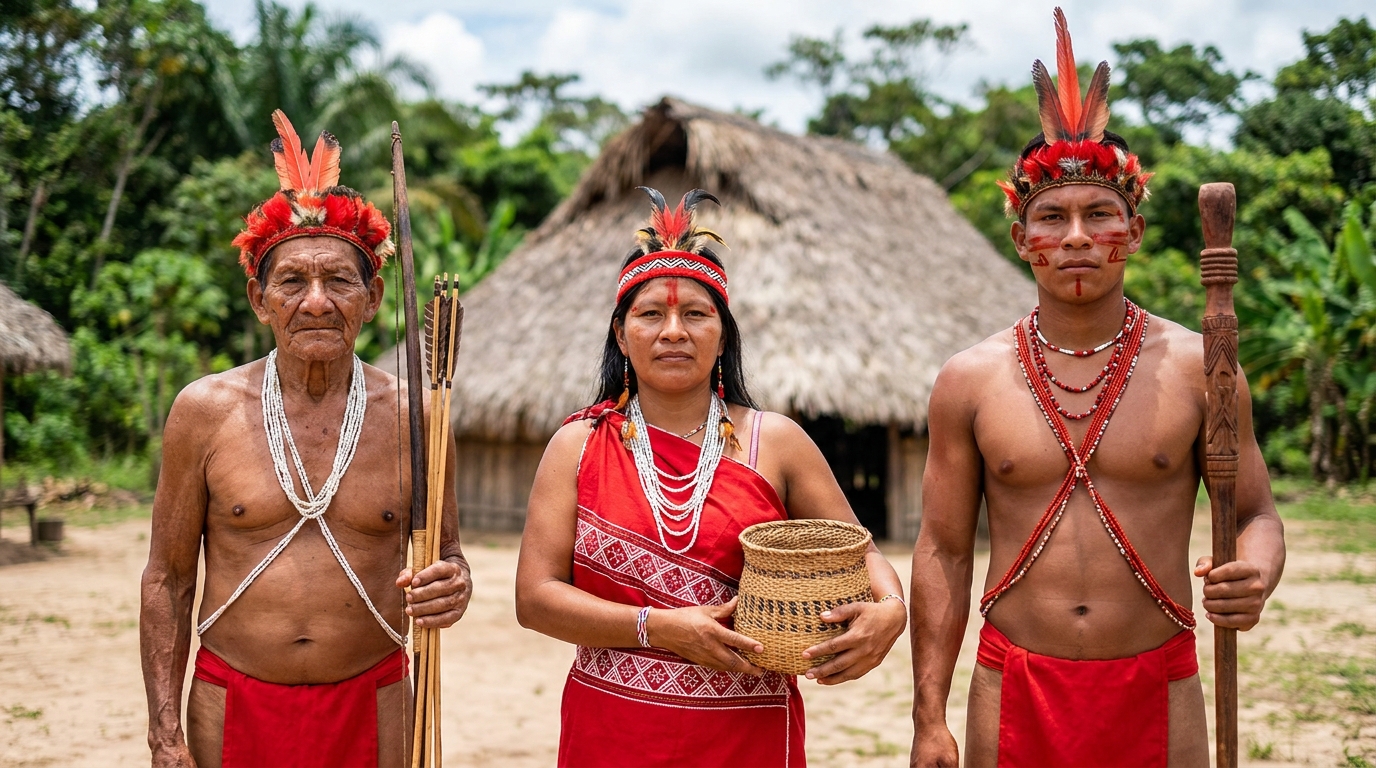
The traditional clothing of a Pemon woman was an apron-style garment, though many Pemon had started wearing western clothing well before recent generations. Traditional dress is now worn more during ceremonies than in daily life.
Manioc, or cassava, is an important ingredient of the Pemon diet. They also cultivate sweet potatoes, yams, plantains, and corn in their forest gardens. Fermented manioc beer is often used in social gatherings. Animal protein in the Pemon diet comes from hunting and fishing. Tools of the Pemon traditionally included arrows, knives, axes, and fishing rods.
Homes were built with walls made of clay or bark and roofs of palm leaves. Made of clay or bark, these structures were practical for the humid, forested terrain. Historically, they were also known for their ceramics. Women would often craft functional clay pots for cooking and storage. Music and dance remain part of community life. The Pemon word for certain dances connects the practice to ceremonial and social contexts. Dance and music are not purely performative; they carry meaning tied to community identity and seasonal rhythms.
Beliefs, Change, And Visiting Respectfully
The Pemón hold a layered worldview that blends Indigenous spiritual traditions with Catholic elements introduced by missionaries over roughly a century. The result is not a simple replacement of one system with another but a living mixture that varies from community to community.
Creation Stories, Kanaima, And Spiritual Traditions
The creation stories of the Pemon land are gathered in a body of mythology called the Makunaima. These stories of the Pemon land explain the origins of crops, social practices, and the Pemón people themselves, beginning with the creation of the first Pemon woman from red rock, after earlier attempts using clay and wax failed.
The Pemon have traditionally believed that each person has five souls. The Pemon still believe in Kanaima, a spirit of evil, which remains a meaningful concept in contemporary spiritual life. Practiced by many Pemon alongside Catholic practice, the belief in Kanaima reflects a world where spiritual forces are understood as active and present in daily experience. They also use Tarén, which are specialized ritual chants or invocations used for healing and protection.
Rites Of Passage And Adolescence
Traditional rites of passage were associated with birth, adolescence, and death, though most are no longer practiced widely. Baptism in a Catholic mission has become the most recognized important rite of passage in most communities today.
A boy’s passage into adolescence was marked by a ceremony in which a Pemon religious leader lashed a boy’s body, made small incisions, and applied ritual substances. A girl’s passage into adolescence was marked by a haircut before first menstruation, tattooing of the mouth’s edges in a traditional design, and a period of seclusion in a hammock during which her grandmother would paint her body in a prescribed way. Rites of passage were associated with community identity as much as individual transition.
Mission Influence, Christianity, And Cultural Change
English Protestant missionaries started to Christianize the Pemon at the end of the nineteenth century. The first Capuchin mission post in the Pemon area was established in 1931, and work among the Pemon people by Catholic missionaries deepened from that point forward.
What was left in the Christianized Pemon communities was not a complete break from earlier beliefs but a layered combination. The Pemon are eager to baptize their children with Spanish names, and most now carry Christian given names alongside a secret sacred name in the Pemon language. Pemon do not approve of anger or open hostility, a value that sits alongside both Indigenous and Christian ethics in their communities.
Pemon have also mixed traditional cult saints with Catholic saints, creating a religious life that reflects the long history of contact and adaptation.
Land Rights and Current Pressing Issues
Support organizations identified land rights as the most pressing issue facing the Pemon today. Venezuela recognizes indigenous rights for its American Indian communities in principle. Since the Pemon area was established as Canaima National Park in 1962, the designation has spared the Pemon from major land invasions to some degree.
The poor quality of Pemon agricultural land, combined with the late opening of the area to outside access, also limited early outside pressure. People take special trips to parts of Venezuela by airplane to reach Pemon territory, which kept large-scale development at a distance for decades. The Pemon started working in tourism and hotels as the region became better known.
Gold and diamond mining remain a pressure point. Land rights for its American Indian communities must contend with economic extraction interests that have increased in recent years. Rights as the most pressing concern are not abstract; they shape whether communities can remain on their ancestral lands and continue practicing their culture.
What Travelers Should Understand in Canaima
Visiting Canaima means moving through Pemón territory, not just a national park. The communities you pass through, the guides who take you to Angel Falls, and the posadas where you stay are often part of the Pemon community.
Pemon even seem at ease with visitors who show genuine curiosity and basic respect, but they are not a performance for tourism. Avoid framing your experience as “visiting a tribe” or reducing cultural encounters to photo opportunities. The Pemon is one of the most resilient Indigenous groups in South America, and approaching their communities with that in mind makes a real difference.
Pemon indians are not a monolithic group; practices, beliefs, and language use vary across communities and generations. Traveling with an operator that understands local context, such as one using experienced Pemón or locally knowledgeable guides, means you are more likely to engage with the culture in a way that is both accurate and respectful.
Our Sabana Travel Packages
Frequently Asked Questions
This section provides brief answers about the Pemon people, an Indigenous community of Canaima, covering their culture, traditions, and close relationship with nature to offer a clear and respectful understanding of their identity.
The Pemón live primarily in southeastern Venezuela, in and around Canaima National Park and the Gran Sabana region of Bolívar State. Their territory extends into northern Brazil's Roraima State and western Guyana, making them a cross-border Indigenous people. Key communities near Angel Falls include Uruyén, Kavac, and Kamarata.
The name is pronounced PAY-mahn. In Spanish, it is often written with an accent as Pemón, and the group has also been historically referred to by outsiders as Arecuna, Kamarakoto, and Taurepan, though the people call themselves Pemon.
The Pemon speak a Cariban language called Pemon, which is the primary language used among community members. The first dictionary of the Pemon language was published in 1943. Younger generations in mission villages and urban-connected areas increasingly use Spanish alongside or instead of Pemon.
The Makunaima is the core body of creation stories of the Pemon, explaining the origin of the first Pemon people, crops, and social life through narratives involving the Sun, water nymphs, and women made of clay, wax, and rock. The Pemon still believe in Kanaima, a spirit of evil, alongside Catholic beliefs that most communities adopted through missionary contact.
The name Pemon is what the people call themselves, distinct from the labels such as Arecuna or Taurepan applied by outsiders historically. The name in the Pemon language reflects their identity as a people of a specific territory and linguistic tradition. It is the term used in both community and academic contexts today.
Land rights remain the most pressing issue facing the Pemon, with mining interests, economic displacement, and questions of territorial control creating ongoing pressure. While Canaima National Park's protected status has spared the Pemon from some large-scale land invasions, illegal gold mining has increased threats to both the environment and community autonomy. Poverty and displacement continue to push some Pemón away from their traditional lands.