
Choroni in Venezuela:
Beaches, Access, And Local Tips
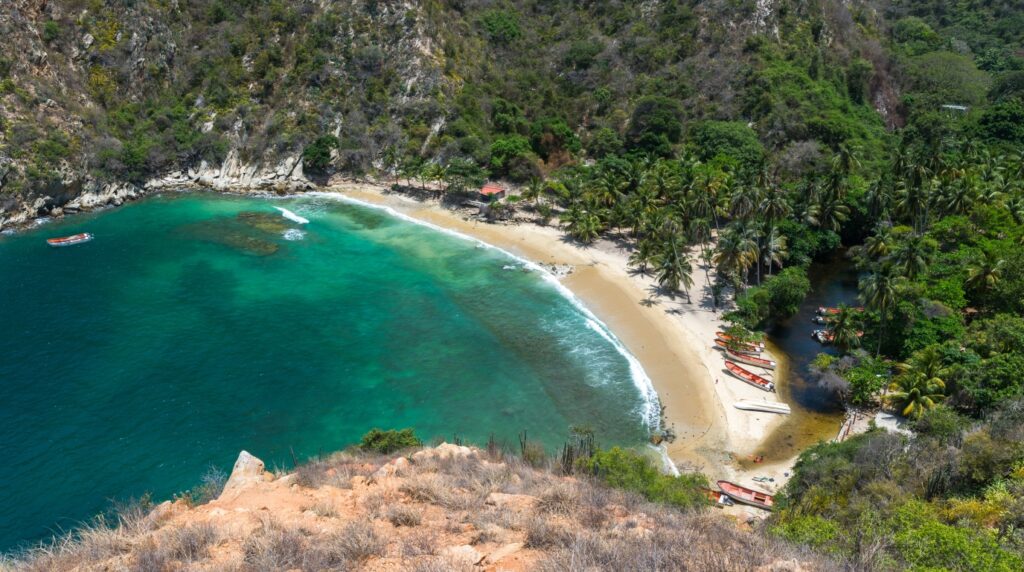
Choroní in Venezuela is one of those places you choose for atmosphere as much as scenery. You come for Caribbean beaches and boat trips, then realize the setting is what stays with you: rainforest-covered mountains, a small historic core, fishing boats at the muelle, and a rhythm that feels slower than most coastal stops.
If you want a beach destination in Venezuela that also gives you culture, access to nature, and a strong sense of place, Choroní works best as a 2 to 4 day base rather than a rushed overnight stop. The road in takes effort, and once you arrive, you will probably want time for Playa Grande, a boat day to Chuao or Cepe, and an unhurried evening walk through town.
If you are fitting Choroní into a wider trip through Venezuela, it helps to plan logistics carefully, especially transfers and timing on the mountain road. For travelers combining the coast with places like Canaima, Los Llanos, or Los Roques, local specialists such as Venezuela Nature can help coordinate routes and ground support in a more structured way.
Key Takeways
- Choroní blends beaches, rainforest, fishing culture, and a lived-in historic center.
- You reach it mainly by road from Maracay, then explore nearby coves by boat.
- It suits travelers who want a slower coastal stop inside a broader Venezuela itinerary.
- Nearby spots like Cata offer additional options for those wanting to explore the Aragua coast.
Central Venezuela
More Destination
REQUEST
Where Choroní Is And Why Travelers Go
Choroní sits in Venezuela’s Aragua state, in the northern part of Girardot, where the coastal mountains drop toward the Caribbean. What makes it memorable is not just the beach, it is the combination of sea, forest, colonial streets, and working local life.
Setting Between The Caribbean Coast And Henri Pittier National Park in venezuela
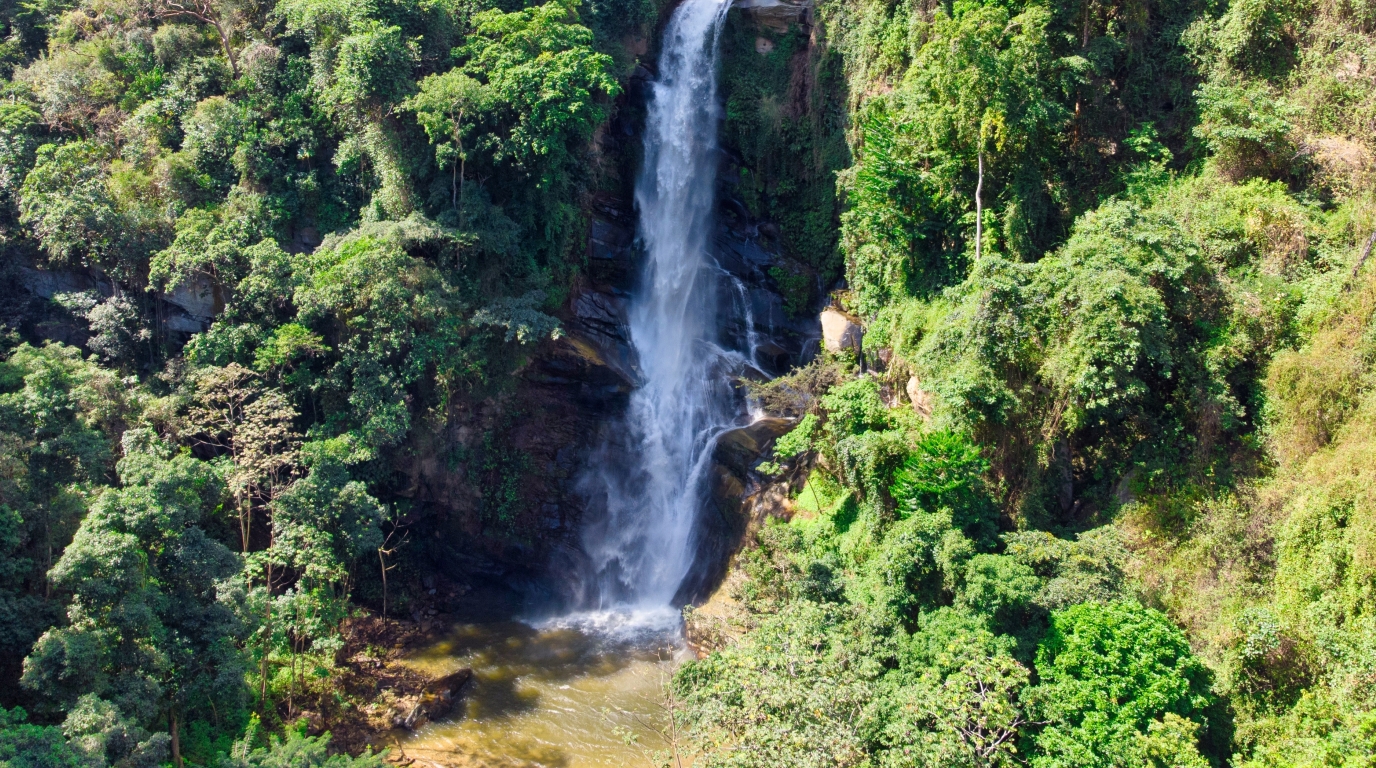
You find Choroní on the edge of Parque Nacional Henri Pittier, also known in English as Henri Pittier National Park. This park is famous for its incredible bird diversity and lush cloud forests.
The biodiversity within Parque Nacional Henri Pittier is world-renowned, especially for birdwatchers. Over 500 species of birds have been recorded in this protected area.
The drive in passes through dense mountain forest, and that geography shapes the whole experience. You are never far from birds, thick vegetation, river mouths, and steep green slopes.
This position gives Choroní a different feel from more resort-oriented beach destinations in Venezuela. It is less polished, more atmospheric, and much more connected to the landscape around it.
Puerto Colombia, The Historic Core, And The Town Atmosphere
Many travelers use “Choroní” to refer to the whole area, though Puerto Colombia is the coastal port area tied closely to the town. Around the casco histórico, you will see painted houses, narrow streets, small plazas, and a local rhythm that still feels intact.
The Casa De La Cultura and nearby community spaces sometimes host local events or exhibitions. By late afternoon, El Malecón becomes one of the best places to walk, and the muelle gives you a real look at daily coastal life rather than a staged tourist front.
Fishing, Cacao, And The Character Of Daily Life
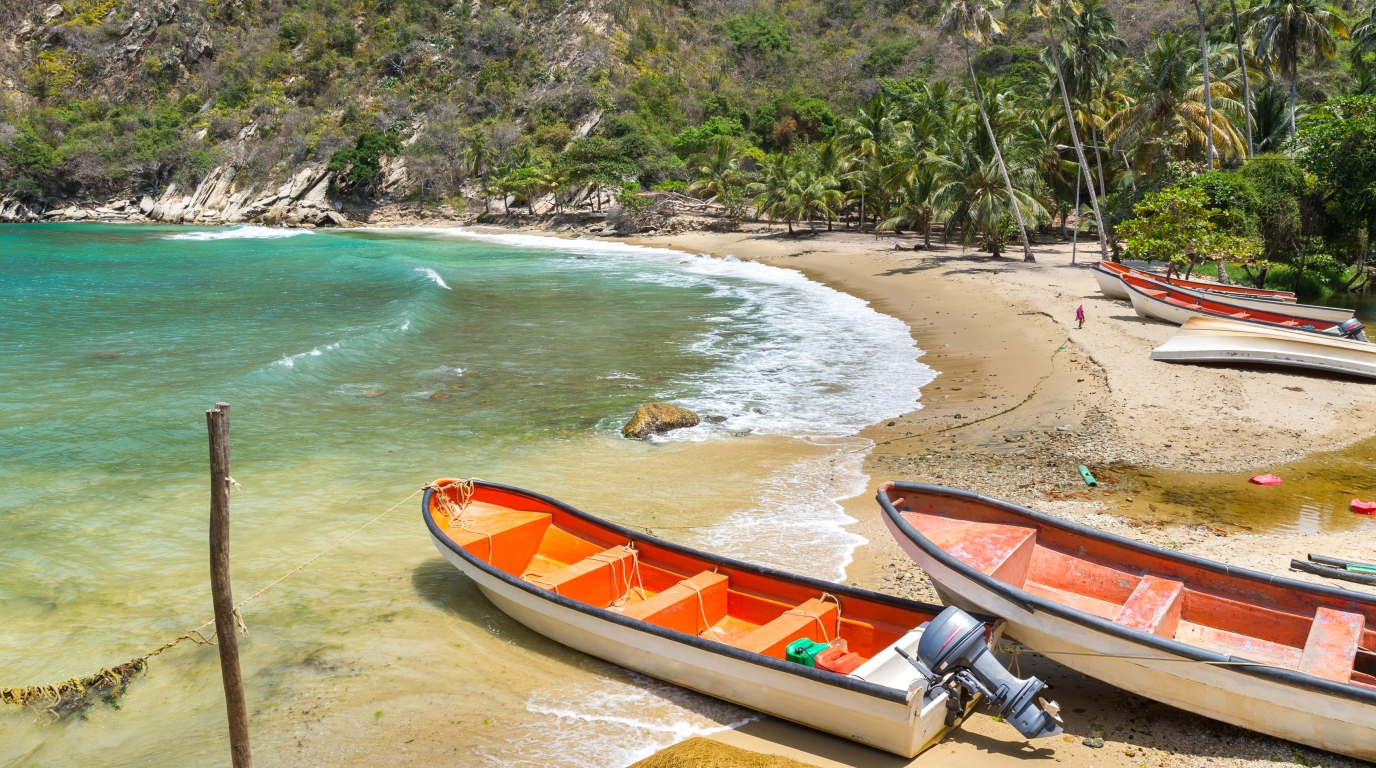
Fishing remains central here. At the muelle, you may watch boats come in, nets being sorted, and fresh catch moving quickly into kitchens and stalls.
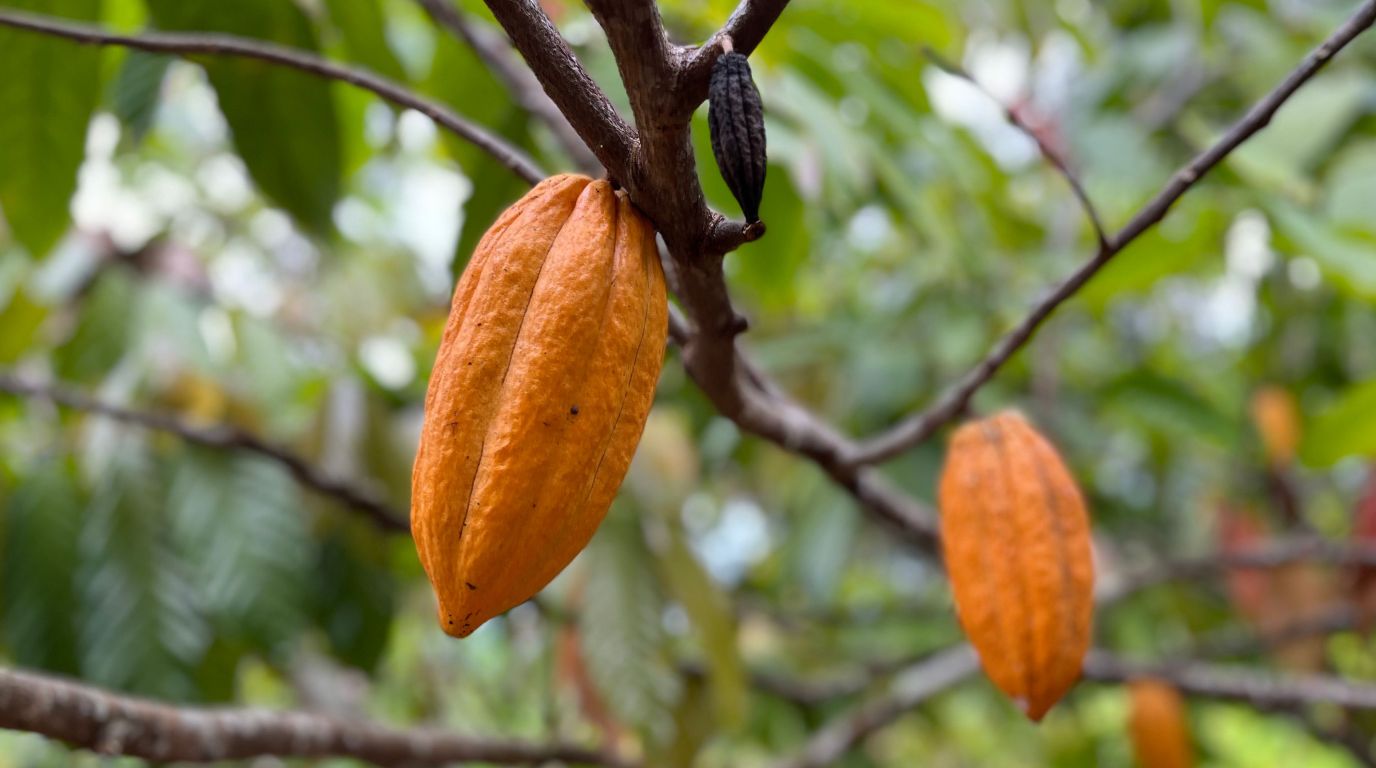
Cacao also matters to the identity of the area, especially in nearby places like Chuao. That mix of fishing, cacao, and family-run posadas gives Choroní its character. You feel that this is a lived-in town first, and a travel destination second.
Our Travel Packages


Getting There And Getting Around
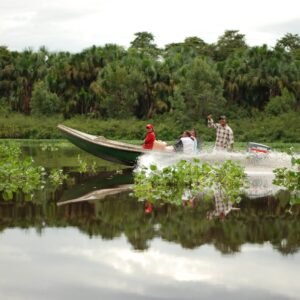
Getting to Choroní is part of the experience. Once you arrive, the town itself is easy to handle on foot, and the main logistics shift from road travel to short boat rides along the coast.
The Mountain Road From Maracay And What To Expect
Most travelers enter via Maracay, then continue over the mountain road through Henri Pittier. The route is scenic, winding, and slower than the map suggests, so it is worth treating the transfer as a real travel day rather than a quick hop.
If you are used to checking forums or Tripadvisor for timing estimates, build in extra margin. Rain, road conditions, and transport availability can change the pace, and arriving before dark is the more comfortable choice.
Boat Access To Nearby Beaches And Coastal Villages
From the muelle near El Malecón, boats connect you to nearby beaches and villages that are difficult or impractical to reach by road. That is how many people visit Chuao, Cepe, and quieter stretches of coast.
Some routes also connect with places farther along the coast, depending on local conditions and seasonal demand. You may hear Puerto Maya mentioned in broader coastal travel discussions, though it is not usually the first excursion travelers choose from Choroní.
The bay of Cata is another major attraction in the area. While often accessed via its own mountain road, boat trips from Choroní can sometimes be arranged for those wanting a scenic sea approach.
What To Know About Transfers, Timing, And Trip Planning
You should plan transfers conservatively. Leave early, confirm boat departures locally, and avoid building an itinerary with tight same-day connections back to Caracas or onward flights.
If you want more certainty, a guided planner can make a difference. Teams such as Venezuela Nature often help travelers coordinate transfers, route timing, and safety-focused logistics, especially when Choroní is only one stop within a longer Venezuela trip.
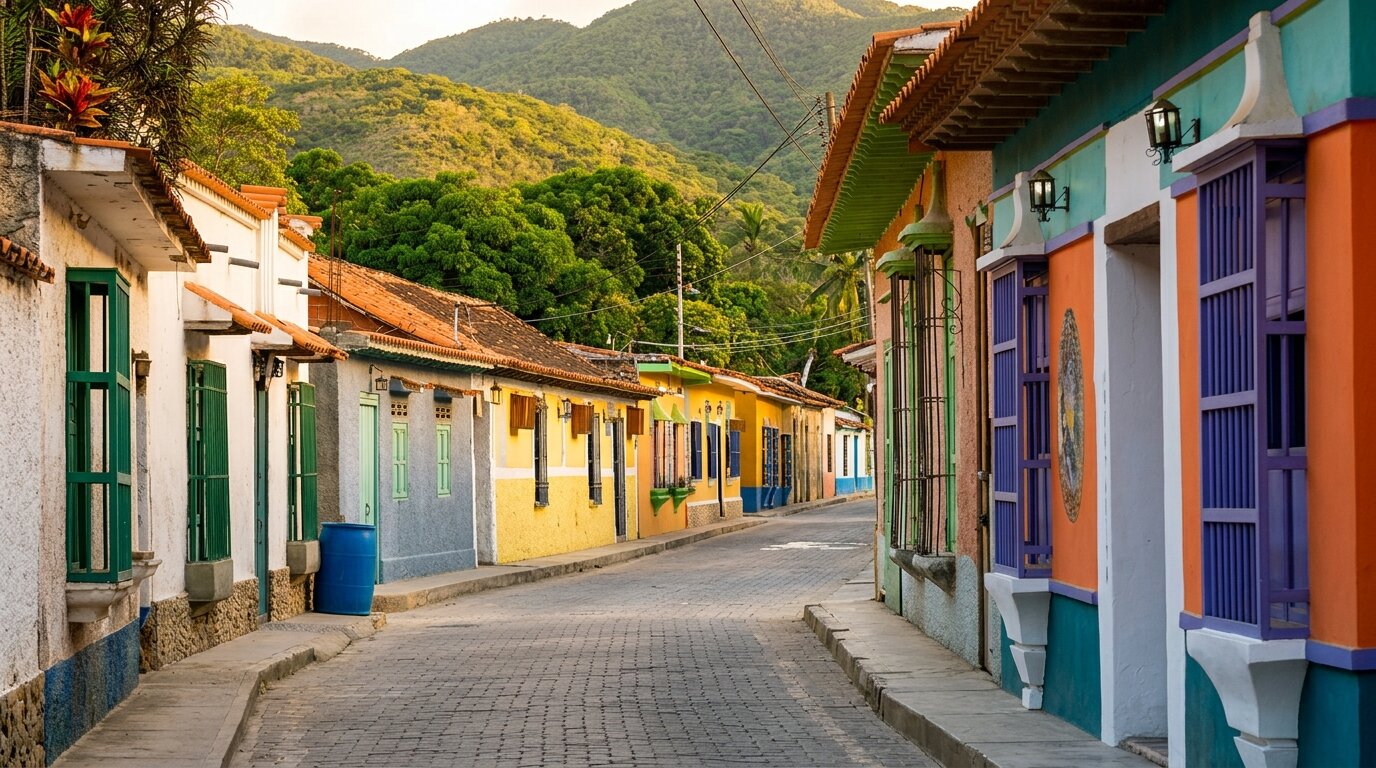
How to get to Choroni
The usual route is Caracas to Maracay, then Maracay to Choroní. From Caracas, you can travel by private transfer, bus, or arranged transport to Maracay. From there, you continue by car or shared local transport over the mountain road into Choroní.
If you are planning independently, the key is simplicity. Try not to arrive in Maracay too late in the day, and avoid assuming the final leg will run on a perfect fixed schedule. The road is mountainous, and travel times often stretch longer than expected.
For the smoothest option, many international travelers arrange the full transfer in advance. That is especially useful if you are carrying luggage for a multi-stop trip, traveling as a pair, or connecting Choroní with places like Mérida, Canaima, or Los Roques.
Once you arrive, you can do most of the local movement on foot. For beaches beyond Playa Grande, you will usually use boats departing from the local waterfront.
Best time to visit Choroni
The best time to visit Choroní depends less on temperature, which stays warm most of the year, and more on rainfall, sea conditions, and your tolerance for humidity. In practical terms, many travelers prefer the drier stretches of the year for easier road access, calmer planning, and better beach days.
You can visit year-round if your focus is atmosphere and a slower coastal stay. Expect tropical heat, high humidity, and periodic rain at almost any time, especially with the mountains of Henri Pittier National Park so close.
If you want boat trips and beach time to feel straightforward, aim for days with more stable weather. Avoid building your schedule too tightly around a single excursion.
When planning a visit to Choroni in Venezuela, remember that the local atmosphere is influenced by the surrounding mountain peaks. Morning light is often best, and afternoons can turn wetter or more overcast.
For a broader Venezuela itinerary, Choroní works well as a contrast to cooler Andean areas or big nature destinations inland. You get warm sea air, easy beach access, and a slower pace without needing a long island transfer.
Best Beaches And Nature Spots Nearby
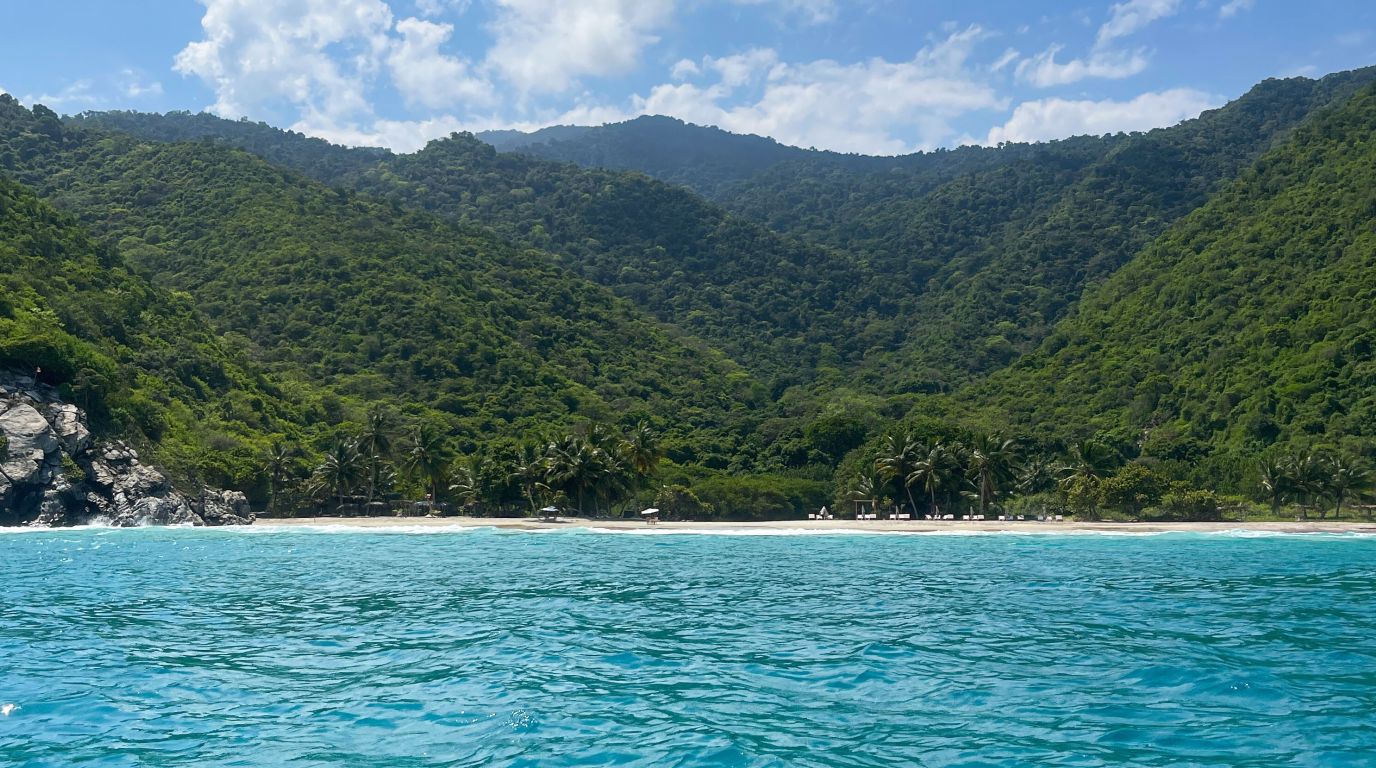
The best nearby places are not all interchangeable. Playa Grande is the easy default, Chuao adds culture and cacao, Cepe gives you a fuller beach day feel, and the quieter coves reward you if you want less company and more scenery.
Playa Grande For Easy Beach Time Near Town
Playa Grande is the most convenient beach near Choroní and the one you can fit into almost any stay. You can usually reach it on foot, and it works well for a half day when you do not want to organize a boat.
The beach is broad, lively, and practical. You will find food stalls, shade options, and a local crowd, especially on weekends. If you want simplicity, start here.
Chuao For Cacao Heritage And A Day Trip By Boat
Chuao is one of the most worthwhile day trips if you want more than just sand. You go by boat, then step into a village known for cacao plantation, with a setting that feels distinct from Choroní itself.
The beach is attractive, though the real draw is the cultural layer. If you are interested in how coastal life, agriculture, and local heritage connect, Chuao gives you that in a way a standard beach stop does not.
Cepe, Puerto Escondido, And Snorkeling Options
Cepe is a popular boat outing for a longer beach day with food, surf, swimming, and a bit more of an excursion feel. It tends to appeal if you want to settle in for several hours rather than just dip in and leave.
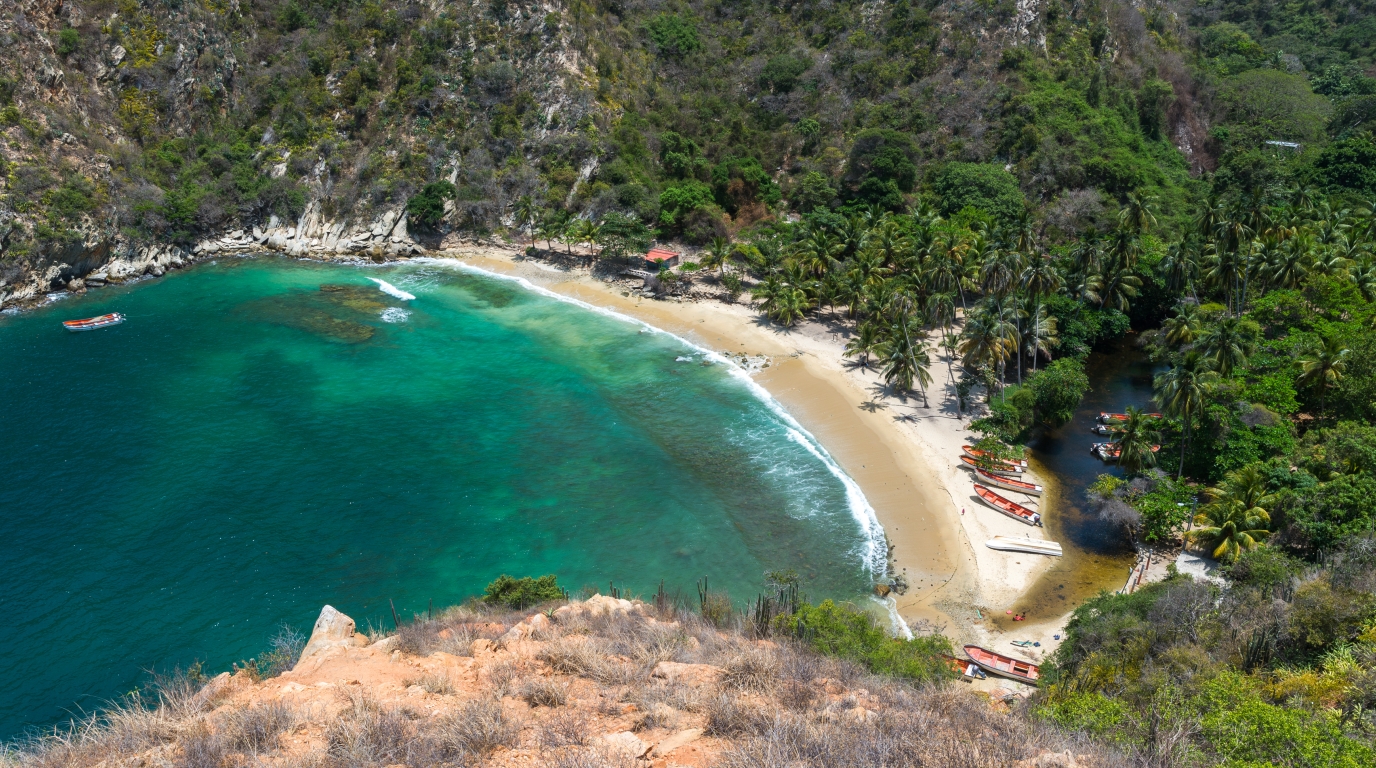
Puerto Escondido feels more tucked away and can be a better choice if you want a quieter cove atmosphere. Snorkeling conditions depend on sea clarity and swell, so ask locally that morning rather than assuming perfect visibility.
Tuja, Punta de Tuja, And Quieter Escapes
Tuja and Punta De Tuja suit you if you want less bustle. These are the kinds of places where the ride over is part of the appeal, and the beach time feels a little more detached from town life.
They are not always the first pick for short-stay travelers, which is part of why they can feel calmer. Bring what you need for the day and keep expectations simple.
Tinikijima, Mangroves, And Freshwater Waterfalls
Playa Tinikijima, sometimes written as Tinikijima, is another name you may hear from local boat operators when discussing lesser-visited beach options. Availability can depend on conditions and current boat routes, so flexibility helps.
Closer to town, you can also look for manglar or mangrove areas near the estuary, which are good for a short walk and birdlife. If you want fresh water instead of salt water for part of the day, ask about Las Delicias, La Ciénaga, or El Chorrerón.
A side trip toward Cata is also a popular addition to many itineraries. Known for its perfect semi-circle shape and tall coconut palms, Cata provides a different scale of beach experience compared to the smaller coves closer to town.
Food, Stays, And Useful Local Tips
Choroní is easy to enjoy if you keep your expectations grounded. You are coming for setting and atmosphere, not luxury infrastructure, and that usually leads to a much better stay.
What To Eat From Empanadas To Fresh Seafood
Start with empanadas in the morning if you want the local default. They are filling, inexpensive, and easy to find.
For lunch or dinner, fresh fish and simple seafood plates are the obvious choice. You will also see fried sides, rice dishes, and juices that fit the climate well. The food is usually straightforward rather than elaborate, which suits the town.
Choosing Between Posadas And Simple Guesthouses
Most stays are small accommodation or basic guesthouses rather than large hotels. That is part of the appeal, especially if you like places with courtyards, hammocks, and an owner-led feel.
You may come across names such as Posada Hostal Colonial or Hostal Colonial when checking local options. Look less at polish and more at location, airflow, reliable water, and whether you want to stay closer to the historic center or the beach side.
How Many Days To Spend And Who Choroní Suits Best
Two to four days is a sensible range for most travelers. One day feels rushed after the road in, while longer stays make sense if you like slow beach mornings and boat outings without pressure.
Choroní suits you best if you value atmosphere, modest local lodging, and a nature-focused coast. If you want a more polished Caribbean beach product, Los Roques or other coastal areas may fit better. If you want guided routing between several contrasting regions, Venezuela Nature is one of the local specialists that can help structure that kind of trip.
Frequently Asked Questions
The Choroní FAQ section provides key information to help you plan your visit, including how to get there, what to do, where to stay, and useful tips to make the most of this Venezuelan coastal destination.
Choroní is often more affordable than upscale island destinations in Venezuela, especially if you stay in simple posadas and eat locally. Your biggest variables are private transfers, boat trips, and whether you build it into a longer custom itinerary.
You can split your time between Playa Grande, boat trips to Chuao or Cepe, and even excursions to Cata. Quieter beaches like Tuja and short nature outings near mangroves or freshwater spots are also great options.
Walking the historic center, visiting the waterfront, and watching local fishing activity also add to the experience. Many visitors find the combination of coastal life and mountain scenery unique to Choroní in Venezuela.
You should expect warm, humid tropical weather most of the year. Rain can appear in any season, and mountain proximity means conditions can shift quickly, especially in the afternoon.
From Caracas, you usually travel first to Maracay, then continue by road over Henri Pittier to Choroní. From Maracay, the final leg is the key segment, and it is best done with extra time, daylight, and preferably pre-arranged transport.
Playa Grande is the easiest for a straightforward beach day close to town. For a boat trip, Cepe and some smaller coves can be better for a more secluded swim, while snorkeling quality depends on daily sea conditions and water clarity.