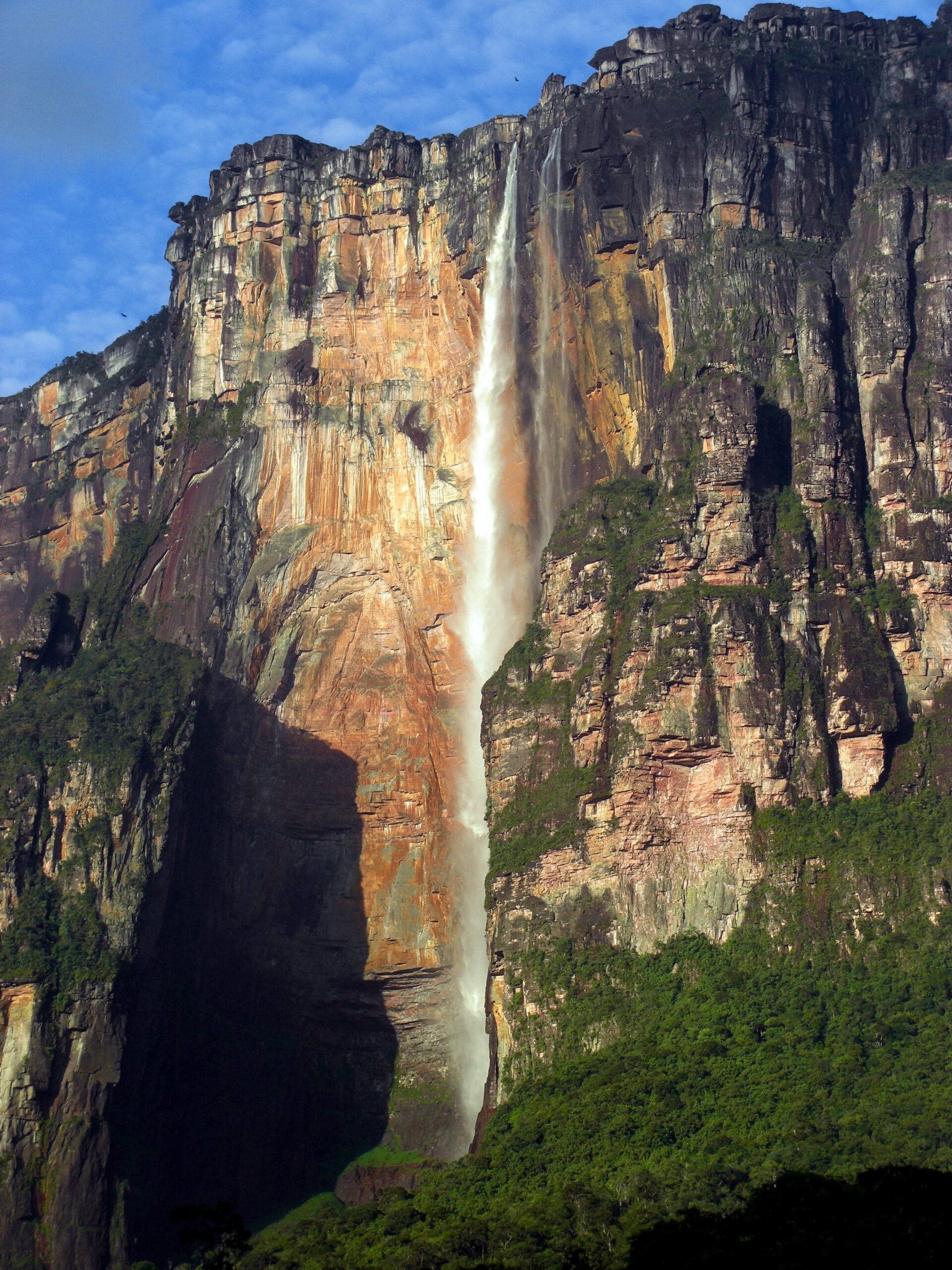
Angel Falls, Venezuela:
"Kerepakupai Vená"
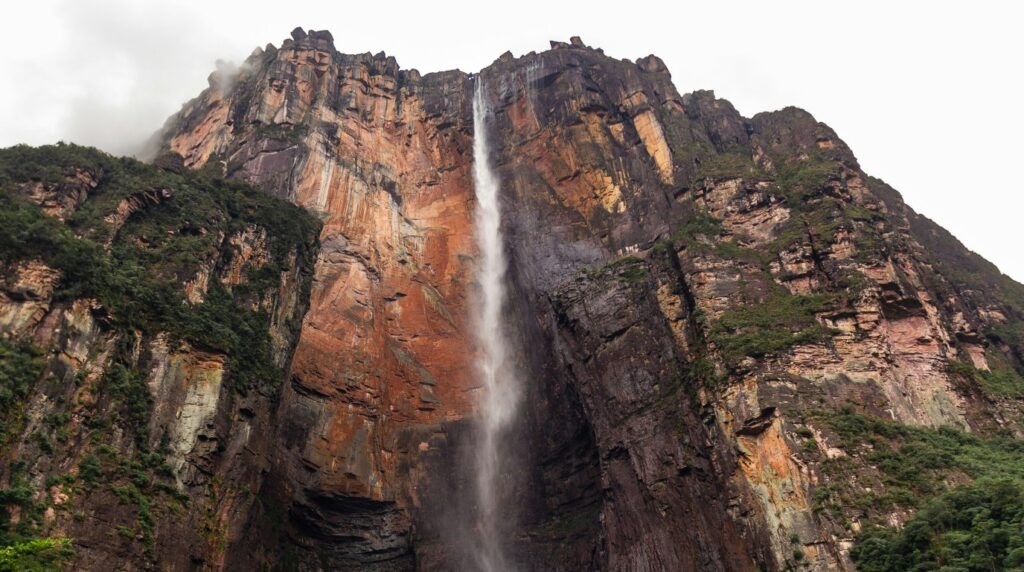
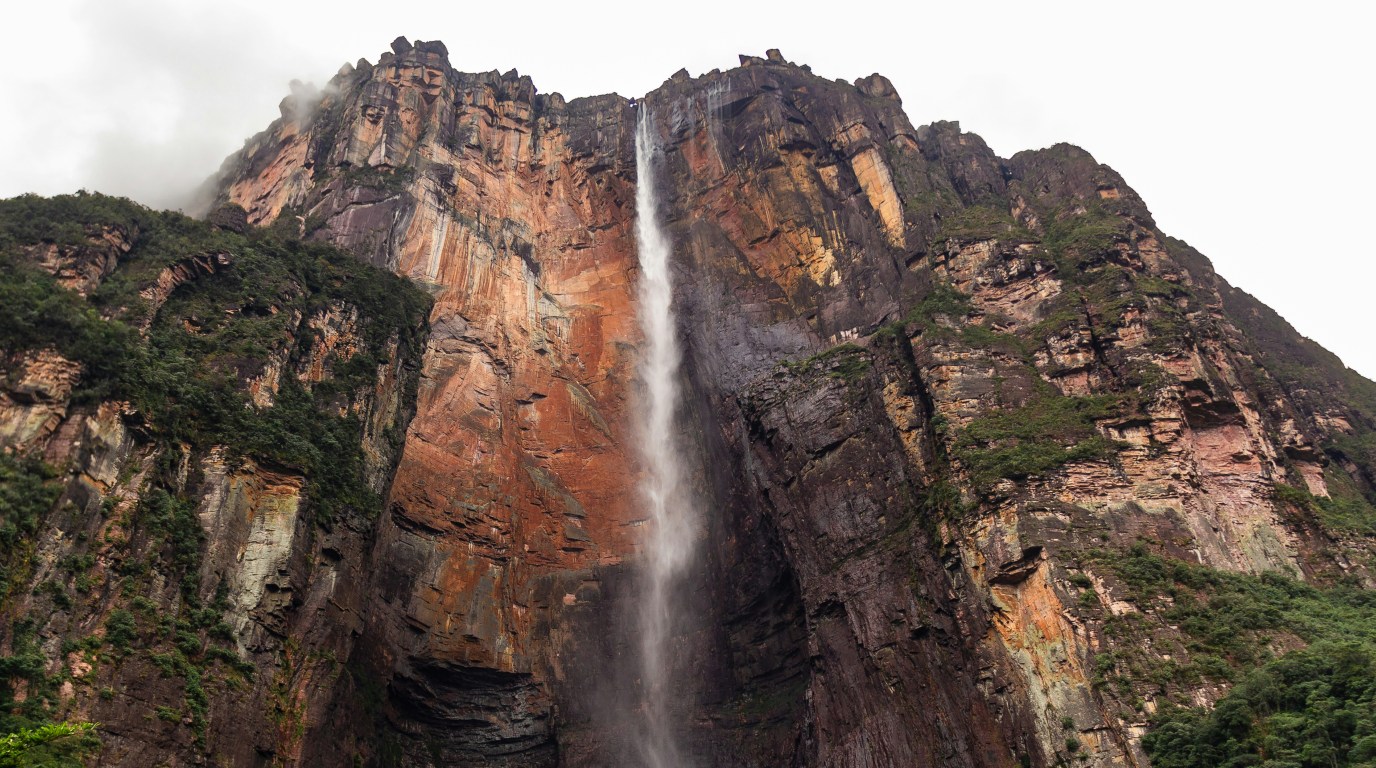
Standing at 979 meters, Angel Falls is the world’s tallest uninterrupted waterfall, tucked deep inside a remote jungle in southeastern Venezuela. Getting there takes planning, a flight into a small national park village, and a river journey through rapids and rainforest. Most travelers who make the effort describe it as one of the most striking natural sights they have ever seen. It is not a casual day trip, but the access route is well-established for anyone traveling with an experienced guide.
Venezuela is a beautiful country with an outsized share of natural wonders, and Angel Falls sits at the top of that list. Nature lovers from around the world make the journey specifically for this waterfall, and with the right preparation, it is absolutely reachable. If you are seriously researching a trip, reaching out to a Venezuela-focused travel specialist is a smart first step before committing to dates.
Key Takeaways
Angel Falls drops from the edge of Auyantepui inside Canaima National Park, a UNESCO World Heritage Site in southeastern Venezuela.
Getting there requires a flight to the village of Canaima followed by a multi-day river expedition into the jungle.
The falls reach a total height of 979 meters, with a single uninterrupted plunge of 807 meters that makes it the tallest of its kind on Earth.
Where Is Angel Falls Located?
Angel Falls sits in one of the most geologically ancient landscapes on the planet, and its precise location within that landscape shapes everything about how you experience it.
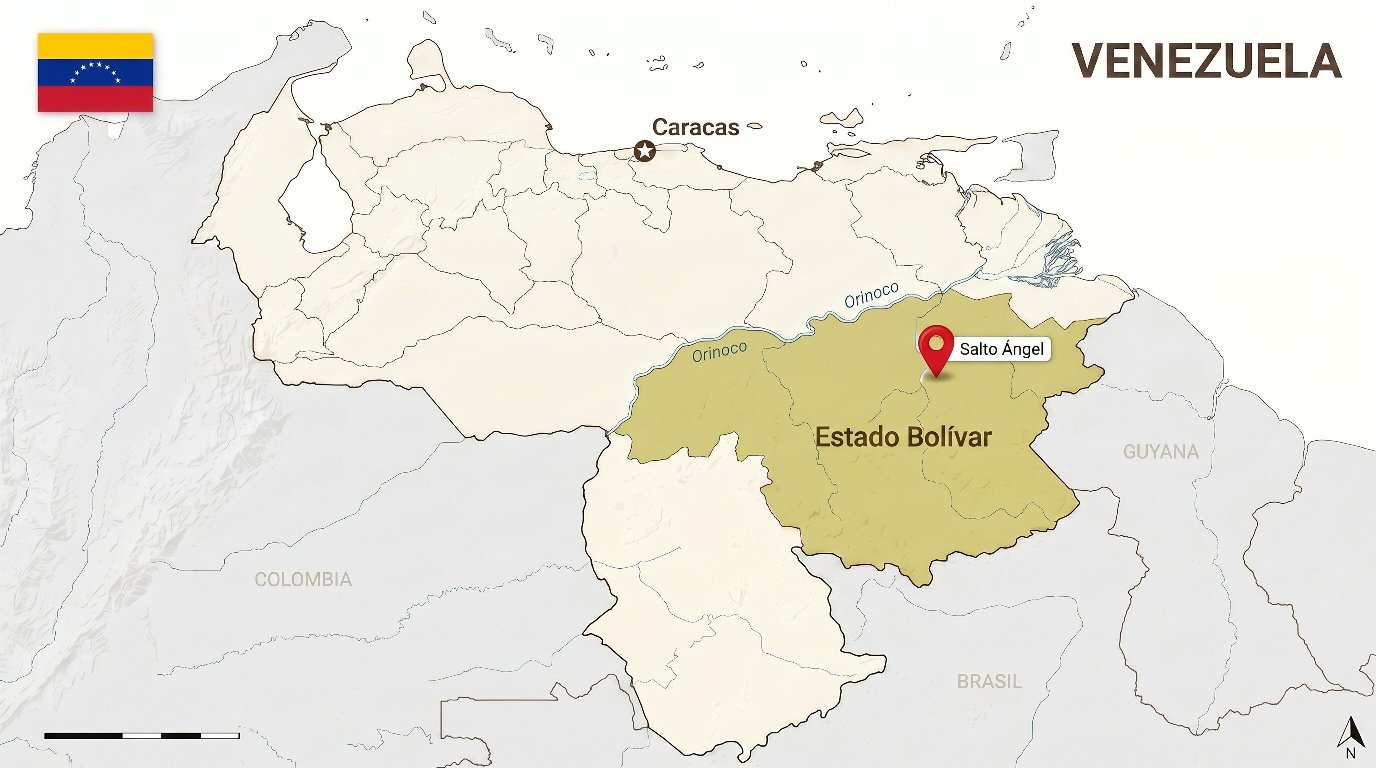
In Which Country Angel Falls Is Located?
Angel Falls is located in Venezuela, in the southern part of Bolívar State. This places it in the country’s interior, far from the Caribbean coast and far from the capital. The waterfall is located in southeastern Venezuela, in a region that borders Guyana and Brazil. It is not part of the Amazon rainforest, though the landscape shares some similarities with equatorial jungle terrain.
Its Setting Within Canaima National Park
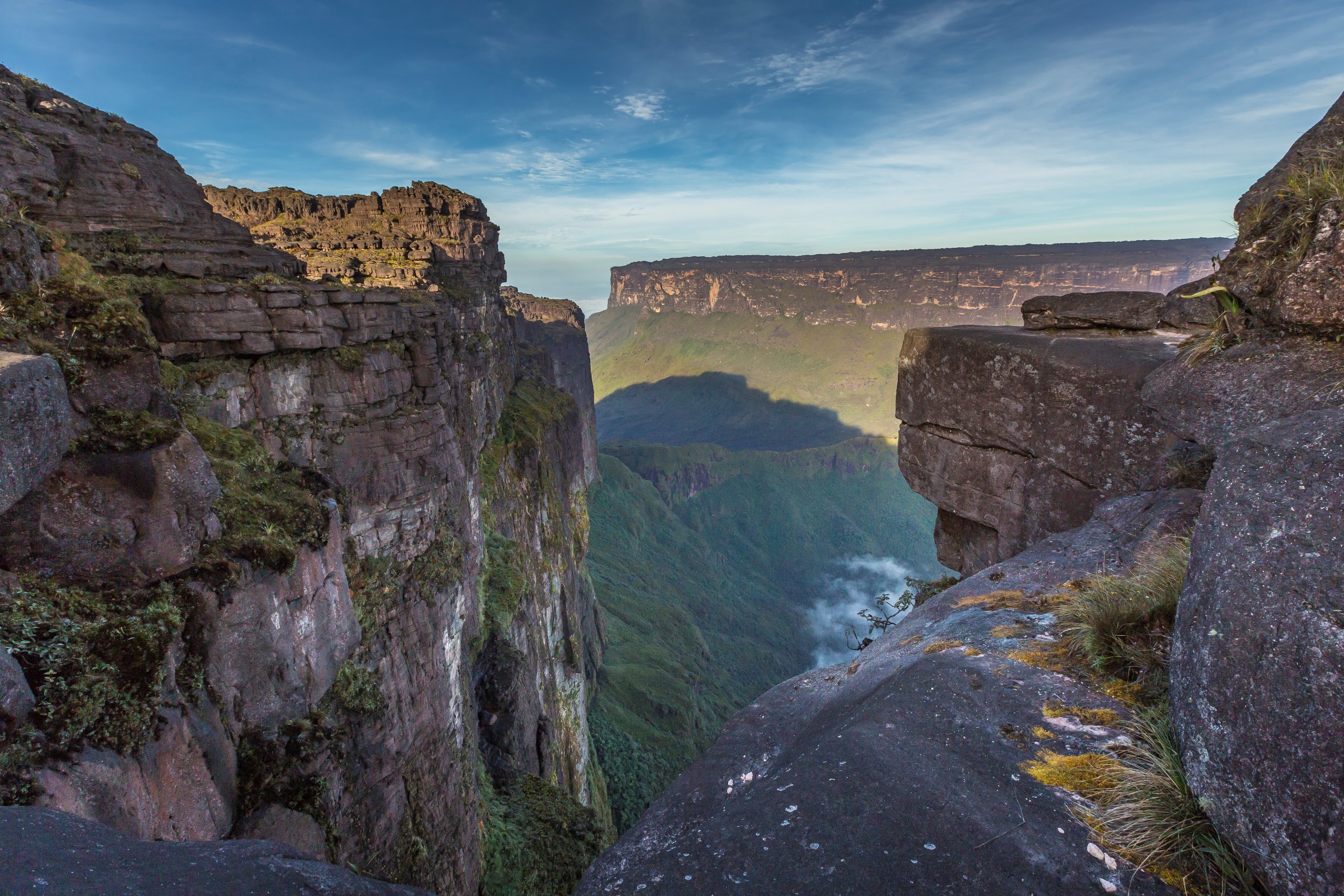
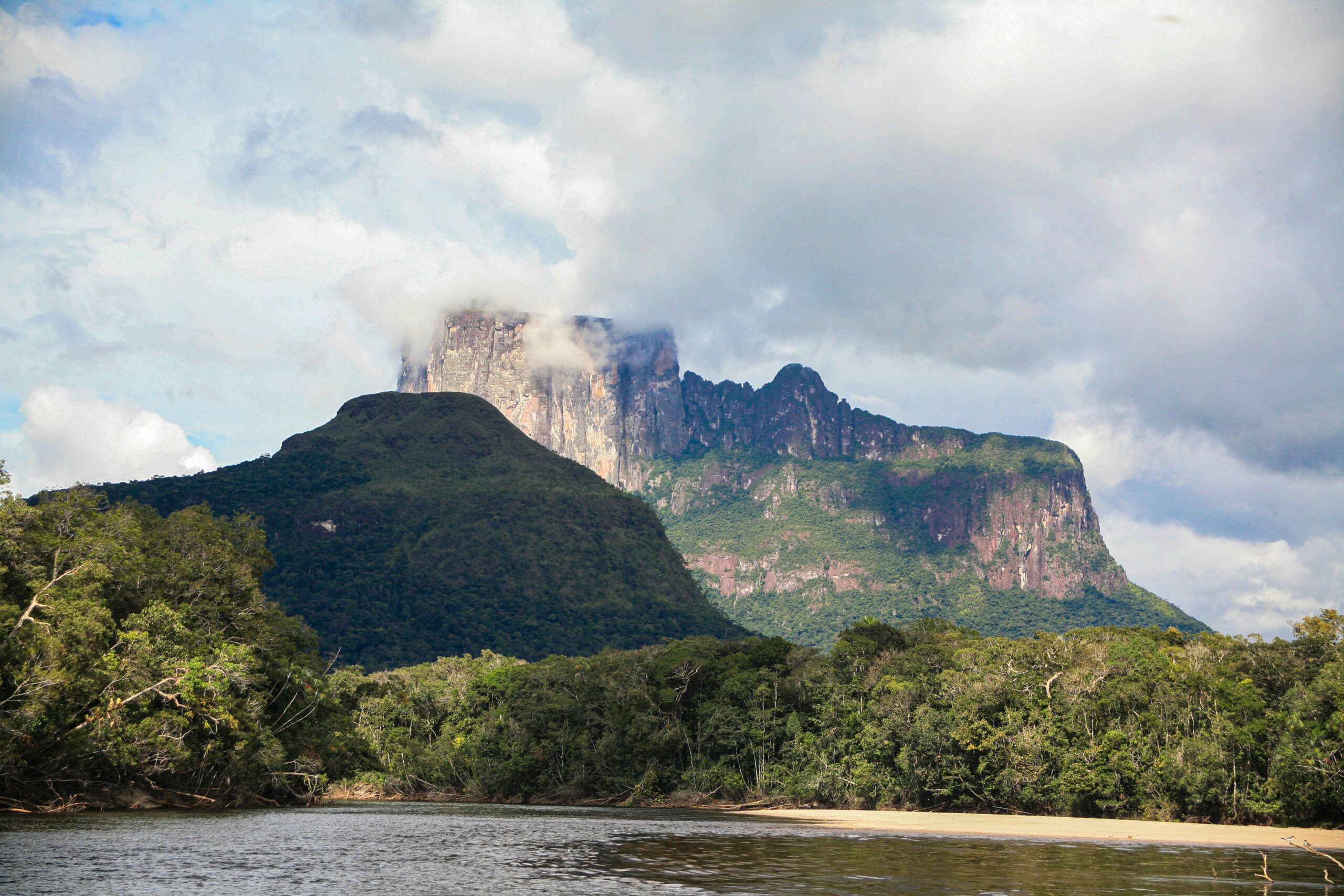
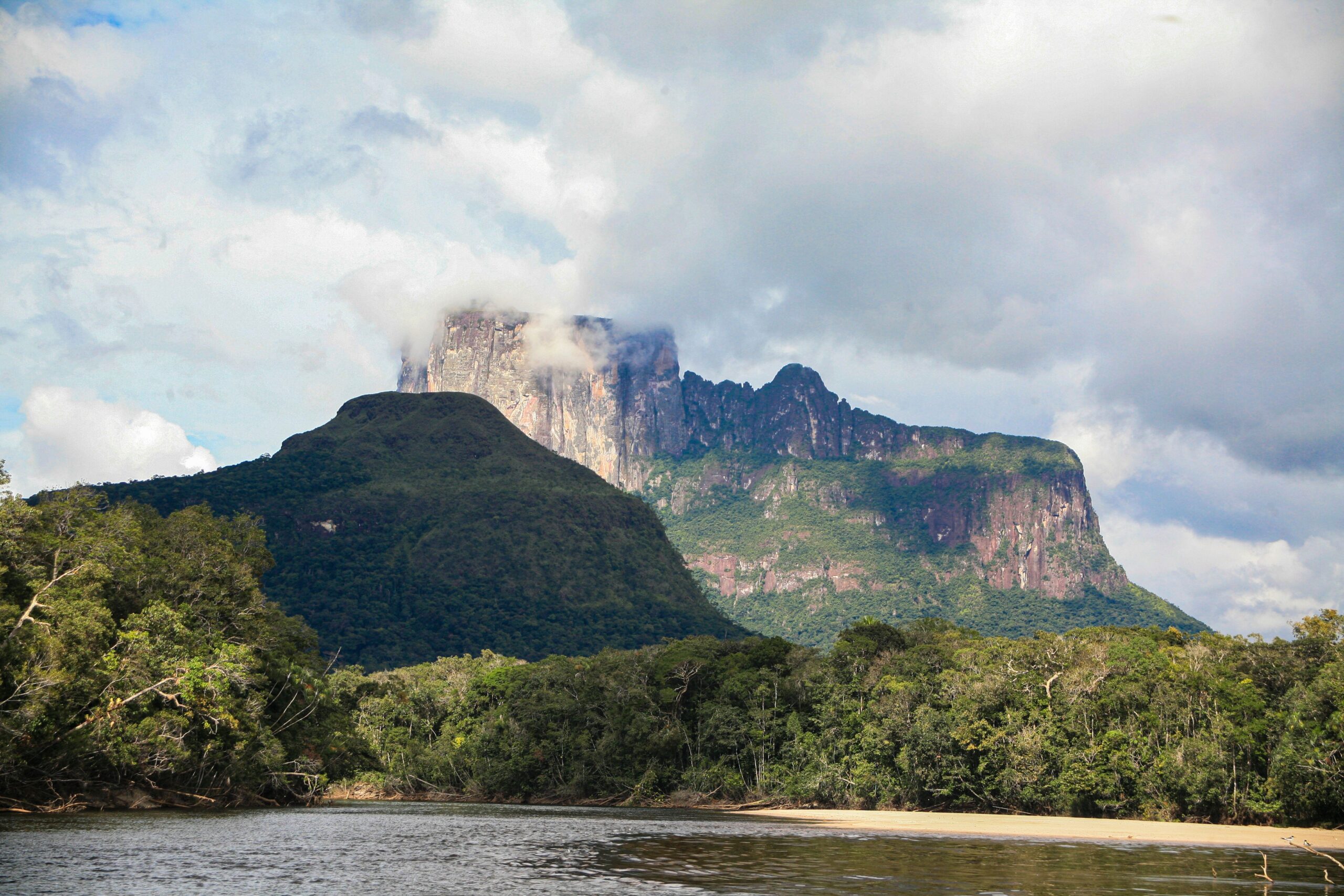
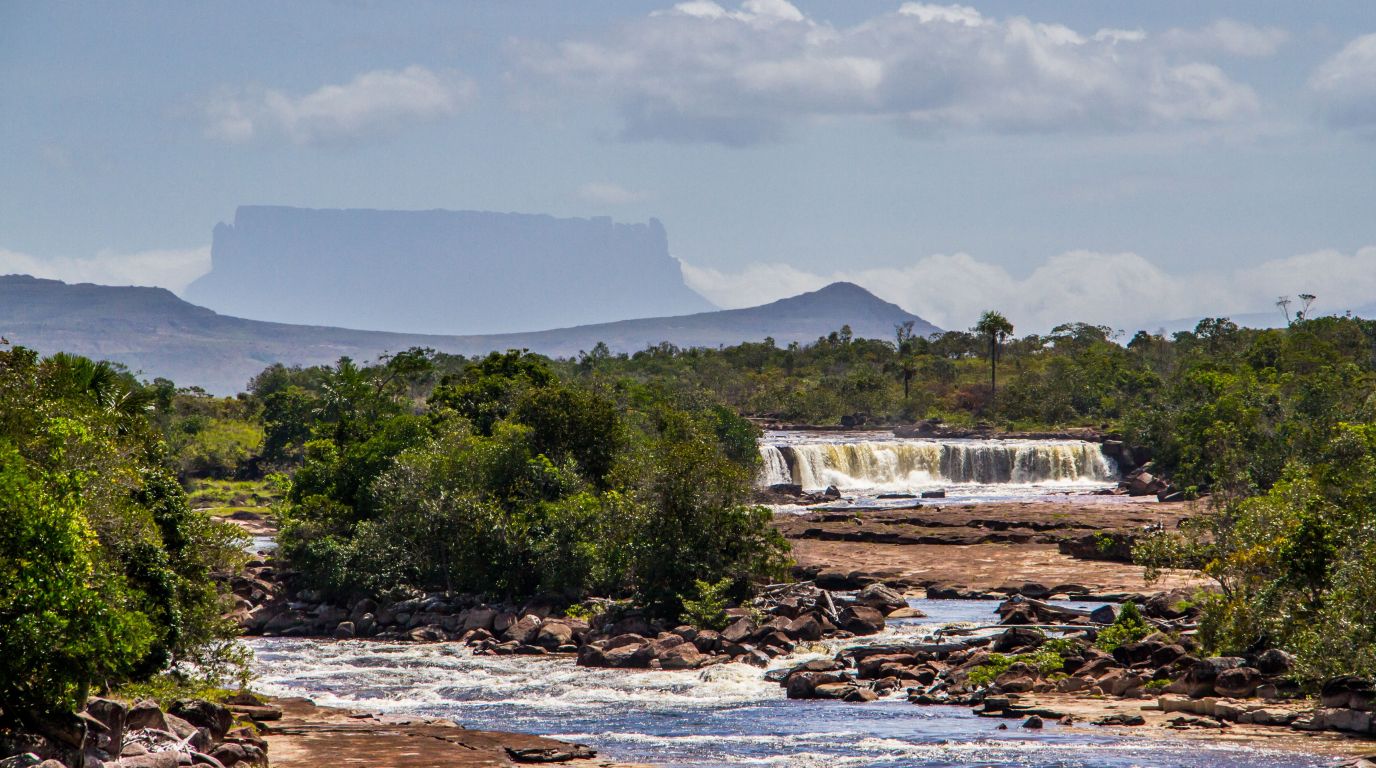
The falls drop inside Canaima National Park, known in Spanish as Parque Nacional Canaima. This park covers roughly 30,000 square kilometers and is a UNESCO World Heritage Site, recognized for its extraordinary tepui landscapes and biodiversity. It sits within the Gran Sabana region, a vast highland plateau that defines the entire southeast corner of Venezuela.
The Gran Sabana region is one of the oldest geological formations on Earth, estimated at around two billion years old. The landscape is defined by flat-topped mountains called tepuis, which rise abruptly from savanna and jungle. Angel Falls in Canaima stands as the park’s most visited attraction, but the broader park itself is extraordinary in scale and diversity.
Auyantepui, The Churún River, And The Gran Sabana Landscape
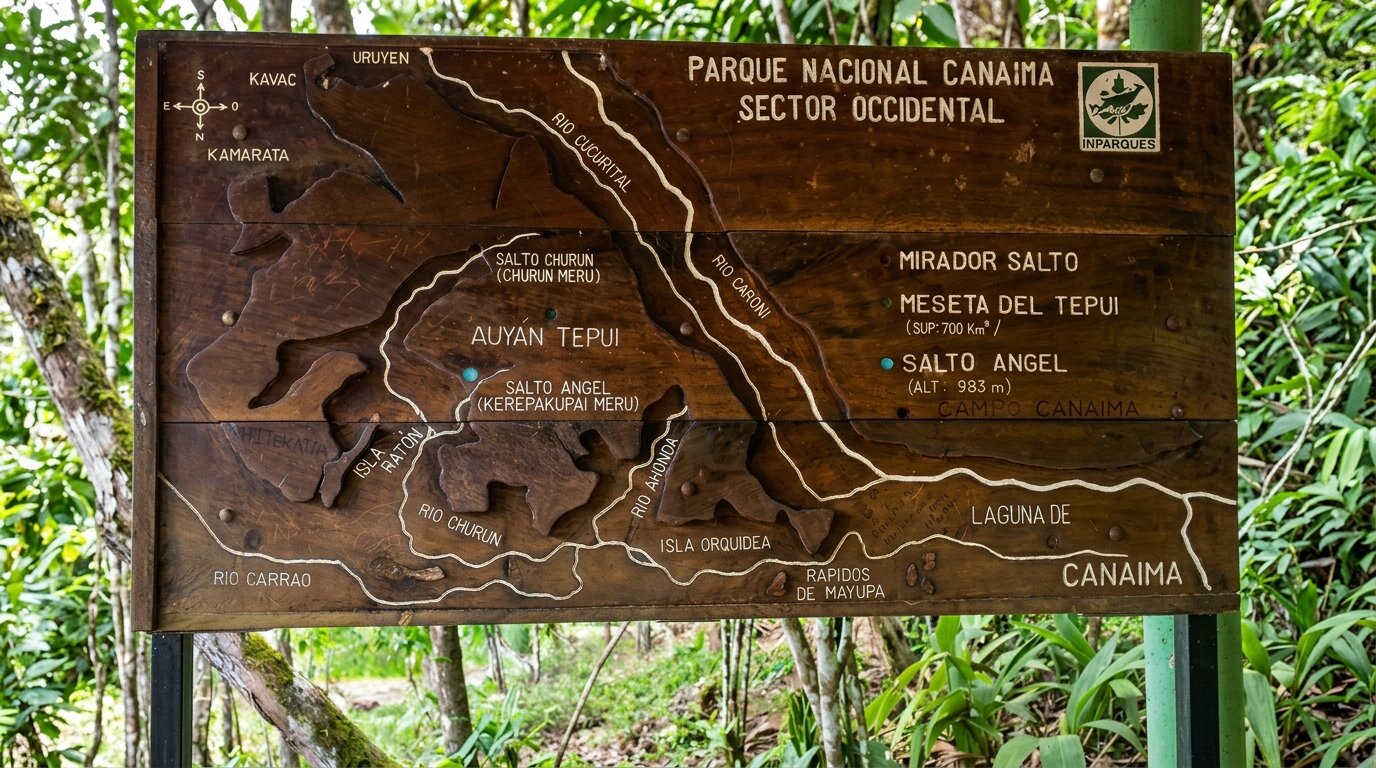
The waterfall drops directly from Auyantepui, the largest single tepui in Venezuela and one of the largest table-top mountains anywhere. Its name means “Devil’s Mountain” in the Pemón language. The water source is the Churún River, more specifically a fork called the Kerepakupai Vená, which flows across the summit of Auyantepui before launching over the edge.
After the falls plunge to the base, the water joins the Churún River, which flows into the Carrao River, itself a tributary of the Orinoco River. The entire drainage system connects Angel Falls in Venezuela to one of South America’s greatest river networks.
Our Sabana Travel Packages
How To Get To Angel Falls In Venezuela?
The route to Angel Falls follows a set path: fly into Canaima village, then travel by river toward the base of the falls. Each leg of the journey has its own conditions and timing.
Flying From Caracas To Canaima
The most direct way to reach the falls is a flight from Caracas to the village of Canaima. Conviasa operates this route, with a flight time of roughly one hour. This is currently the primary air connection to Canaima for international travelers, as flights from Ciudad Bolívar and Puerto Ordaz to Canaima are not operating at this time.
International flights land at Simón Bolívar International Airport near Caracas. From there, you arrange an onward domestic flight to Canaima. Planning this in advance through a guided tour operator removes the uncertainty around booking, timing, and local transfer logistics.
Why Canaima Is The Main Gateway
The village of Canaima sits beside a large lagoon with a stretch of beach near the Carrao River. It serves as the only practical base for river expeditions toward the falls. The lagoon area itself is scenic, with smaller waterfalls including Salto El Sapo accessible from the village. Pemón guides operate the river journeys and have done so for generations; their knowledge of the river channels, water levels, and camp sites is essential.
Most organized tours are built around Canaima as the hub, staying at camps near the village before departing for the river.
The River Expedition To The Base Of The Falls
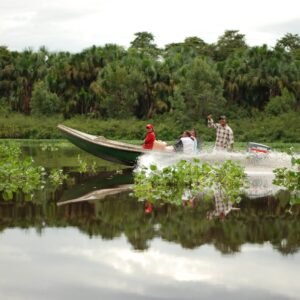
Reaching the base of the falls means traveling by curiara canoe up the Churún River, navigating through rapids and dense jungle. Expeditions typically depart Canaima Lagoon between 8:00 AM and 9:00 AM. The boat journey takes approximately four to six hours during the rainy season, whereas dry season trips can take significantly longer or require passengers to walk through shallow sections. You camp at Isla Ratón near the base and then hike a jungle trail through vegetation and rock to reach the main viewing clearings.
The closer viewpoints give you a direct line of sight to the full drop. On humid mornings, the spray creates a mist that often surrounds the lower section of the falls. The trail itself is not technically difficult, but it is wet, rooted, and requires solid footwear.
Seasonality, Water Levels, And When Access Is Easiest
The dry season runs from roughly December to March. During this period, water volume at the falls is lower, and the river can be too shallow for canoe travel to the base. You can still see the falls from the air during a flight, but the river expedition may not be possible.
The rainy season, from June through November, allows for a faster and more reliable boat journey as river levels rise. During this time, the falls are at their most powerful and dramatic. In contrast, the dry season journey is much more physically demanding; the river may become too shallow for motors, forcing guides and passengers to push the canoe or hike along the banks to reach deeper water. Most experienced guides recommend visiting between May and November for the best chance of completing the full river expedition.
Height, Geology, And What Makes It Exceptional
Angel Falls holds its world record not because of sheer volume of water, but because of the unbroken distance the water travels before hitting anything below.
How Tall The Waterfall Really Is
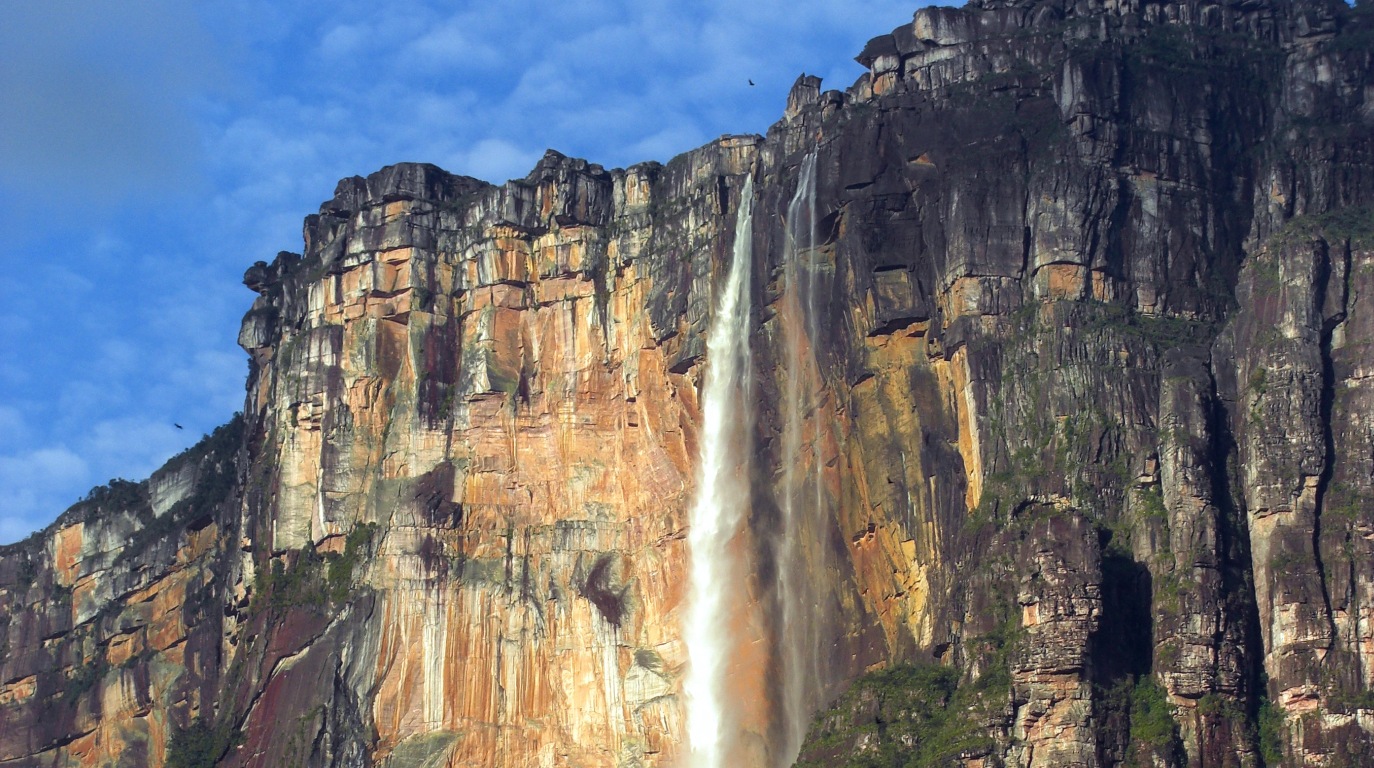
The total height of Angel Falls is 979 meters, or 3,212 feet. Within that total, the main plunge is 807 meters, or 2,648 feet. That single drop is the measurement that matters most when comparing it to other waterfalls in the world.
For context, Niagara Falls has a drop of around 57 meters. The plunge of 807 meters at Angel Falls is more than fourteen times that height. Even Tugela Falls in South Africa, the only other waterfall that comes close, has a disputed total height that may or may not exceed Angel Falls depending on measurement methodology.
Why It Is Called The Tallest Uninterrupted Waterfall
The term “uninterrupted” is specific. It means the water falls freely through open air without hitting ledges, rock faces, or intervening pools on the way down. At Angel Falls, the 807-meter plunge is entirely free-falling. That is what gives it the title of world’s tallest uninterrupted waterfall.
The height figure of 979 meters includes that main plunge plus approximately 400 meters of sloped cascade and rapids below the drop, and a final 30-meter plunge further downstream. These lower sections are real parts of the waterfall system, but they are not free-falling drops.
From Tepui Edge To Cascade And Rapids Below
The water originates from the Kerepakupai Vená stream crossing the summit plateau of Auyantepui. When it reaches the cliff edge, it launches into space and falls so far that by the time it nears the base, a portion of the water atomizes into mist before reaching the ground. This mist effect is visible from a considerable distance.
Below the main fall, water continues as a sloped cascade and rapids, eventually joining the river system flowing toward the Orinoco. The full descent from tepui edge to calm river is a dramatic illustration of the landscape’s raw vertical scale.
Historical And Cultural Facts Worth Knowing
The story behind Angel Falls involves indigenous names, a determined American pilot, and a long process of recognition that played out across most of the twentieth century.
The Indigenous Name Kerepakupai Vená
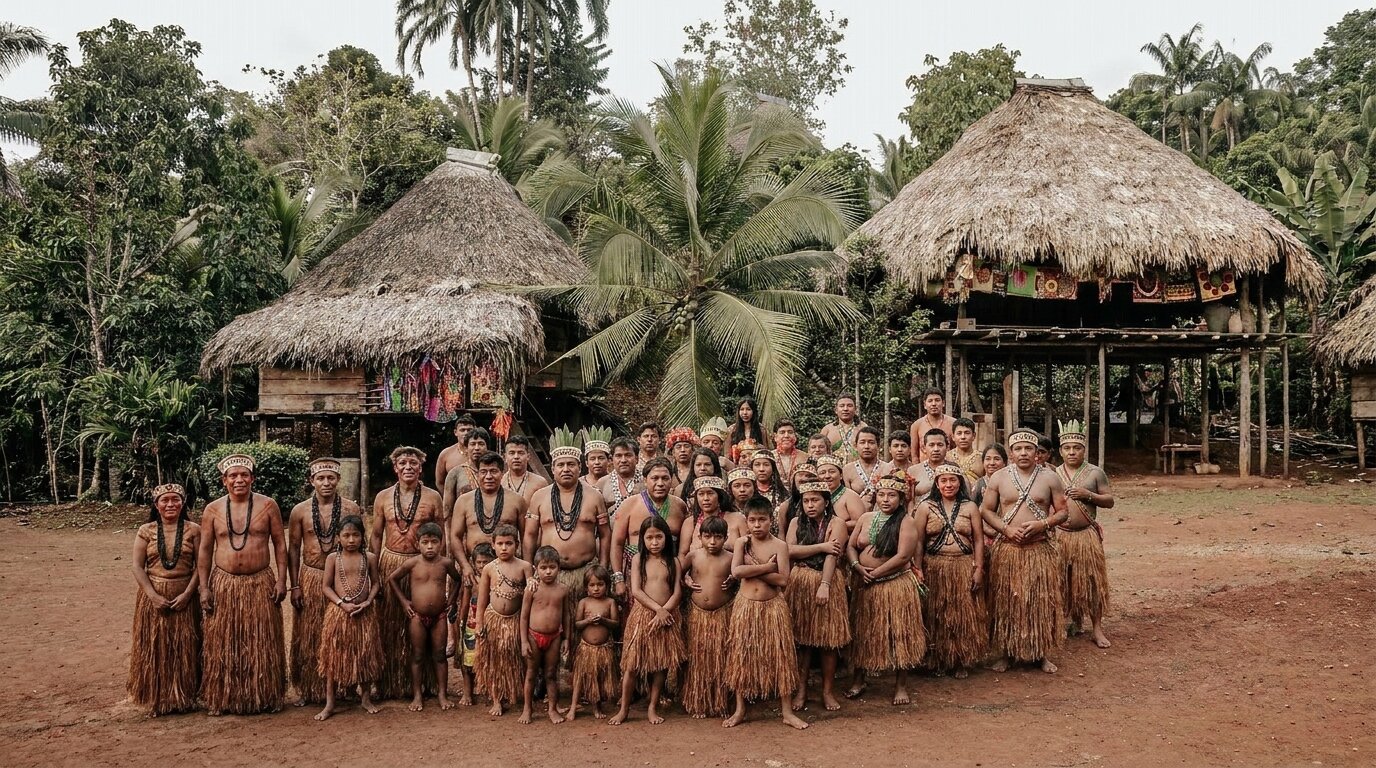
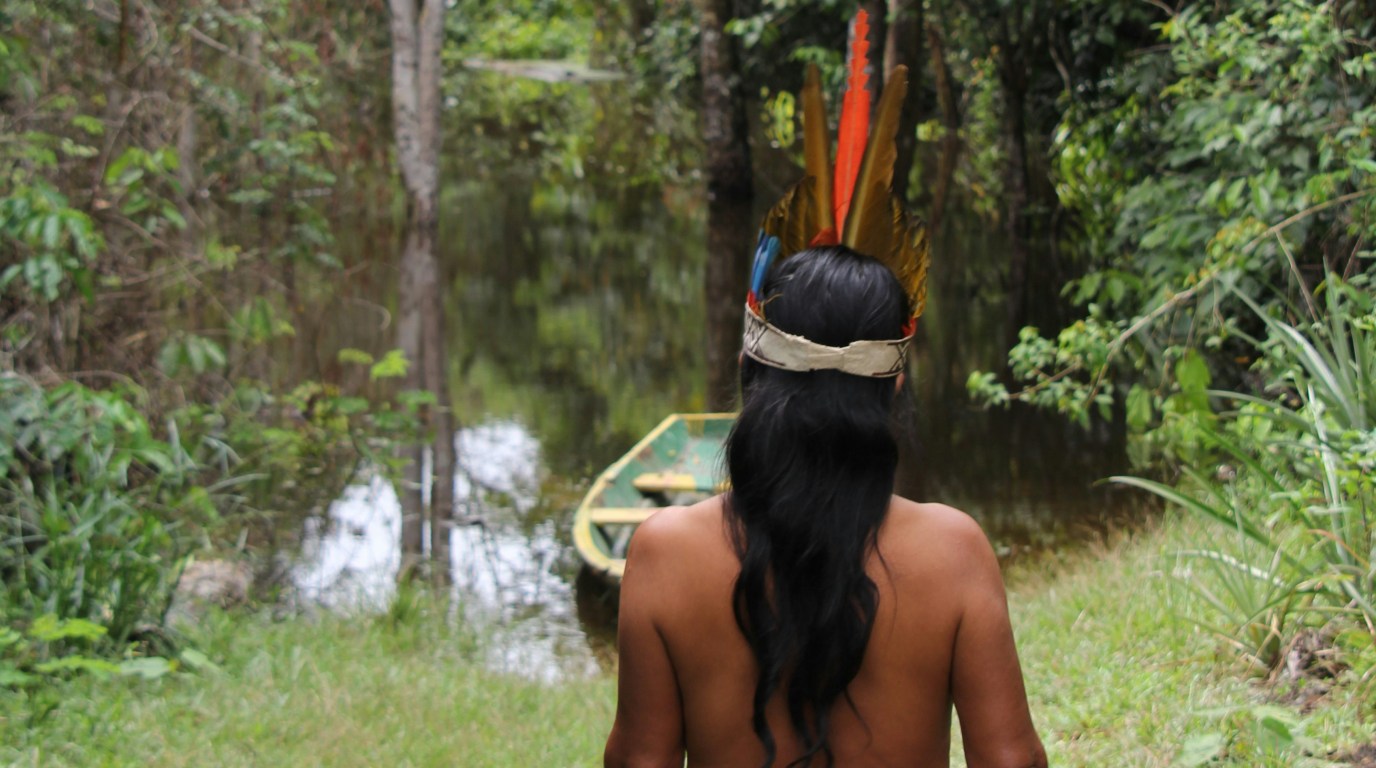
The Pemón people, who have lived in the Gran Sabana for centuries, call the waterfall Kerepakupai Vená. The name translates roughly to “waterfall of the deepest place.” In 2009, Venezuelan president Hugo Chávez announced plans to rename the falls using this indigenous name, stating that the country’s most famous landmark should carry an indigenous identity rather than one named after a foreign aviator. He later clarified that he would not formally decree the name change, but was defending the use of Kerepakupai Vená as a legitimate and preferred name.
The Pemón also refer to the waterfall as Churún Vená in some contexts. Today, both Salto Ángel and Kerepakupai Vená are used in Venezuela.
Jimmie Angel And The 1933 Aviation Story
American aviator Jimmie Angel flew over the falls on November 16, 1933, while searching for a valuable ore bed. He was not the first person ever to see the falls, but he was the first to bring them to the attention of the wider world. On a return trip in October 1937, he attempted to land his Flamingo monoplane on top of Auyantepui. The plane’s wheels sank into the marshy summit ground and the aircraft was badly damaged.
Angel and his three companions, including his wife Marie, spent eleven days descending the tepui on foot. The story of their ordeal spread, and the waterfall was named in his honor. The Venezuelan government officially recorded the name “Salto del Ángel” on a map in December 1939. Angel’s plane was eventually recovered by helicopter after sitting on the summit for 33 years. It was restored at the Aviation Museum in Maracay and now stands outside the airport at Ciudad Bolívar.
From Early Reports To Modern Recognition
Before Jimmie Angel’s flights, Spanish explorer Félix Cardona is credited by some sources as the first westerner to see the falls, in 1927. The official height measurement was not established until 1949, when an expedition organized by American journalist Ruth Robertson confirmed the 979-meter figure.
The falls were later included in the 1956 film Seven Wonders of the World and served as the primary inspiration for Paradise Falls in Pixar’s 2009 film Up. Canaima National Park was designated a UNESCO World Heritage Site in 1994, bringing international protection and recognition to the entire landscape surrounding the falls.
Frequently Asked Questions
Planning a trip to Angel Falls? Here you’ll find quick answers to the most common questions to help you prepare and enjoy this incredible natural wonder.
The rainy season, roughly June through November, produces the highest water flow and makes the river expedition to the base of the falls possible. Water volume peaks between July and October, when the falls are at their most dramatic. The dry season from December to March reduces flow significantly and can make the river too shallow for boat travel.
You fly from Caracas to the village of Canaima on a domestic flight, currently operated by Conviasa, with a flight time of around one hour. Flights from Ciudad Bolívar and Puerto Ordaz to Canaima are not currently available. From Canaima village, all access to the falls is by guided curiara canoe along the river system.
Visiting Angel Falls requires traveling through Canaima National Park, which is a protected area with its own entry requirements. Most travelers visit through an organized tour, as Pemón guides are required for the river journey and the park does not lend itself to independent navigation. Booking through a local specialist like Venezuela Nature, which handles permits, logistics, and guided access, is the most reliable approach.
The hottest period is often around March through May in many lowland and coastal areas. Heat feels strongest in the plains, Caribbean coast, and lower-elevation inland zones, while the Venezuelan Andes stay much cooler.
A standard Angel Falls tour runs three days and two nights at a minimum. Day one typically involves the flight to Canaima and an afternoon on the lagoon. Day two is the full river expedition and hike to the base viewpoints. Day three includes the return journey and flight back. Some itineraries extend to four or five days to allow more time at the base and additional excursions around Canaima.
Pack lightweight, fast-drying clothing and a reliable rain jacket, as conditions can change quickly. Waterproof bags are essential for river travel, where gear gets wet from rapids and spray. Strong insect repellent, a headlamp, solid hiking boots with ankle support, and a dry bag for your electronics are all practical necessities. Nights at jungle camps are warm and humid, so a lightweight sleeping layer rather than a heavy sleeping bag works best.
Travel to Canaima National Park follows established, guided routes through protected natural areas rather than urban zones, which significantly reduces risk. Organized tours with experienced local guides, pre-arranged transfers, and daily route monitoring are the standard approach, and operators like Venezuela Nature are built specifically around this kind of structured, safety-conscious planning. Carrying comprehensive travel insurance, having valid documentation, and avoiding independent travel without local guidance are the most important precautions to take.