When Is the Best Time to Travel to Venezuela?
If you’re wondering about the best time to travel to Venezuela, the answer depends on what kind of experience you’re looking for in this diverse South American destination.
In general, the best time to visit Venezuela is during the dry season, from December to April. These months offer more sunny days, easier transportation between major places in Venezuela, and smoother logistics for a multi-stop trip to Venezuela that includes beaches, mountains, and rainforest regions.
However, Venezuela has a tropical climate and sits close to the equator, meaning temperatures remain warm year round, especially in lowland areas where averages often reach 30°C. Seasonal changes are defined more by rainfall than temperature.
So the real question is not just the best time — but the best time to visit Venezuela for your specific itinerary.
Understanding Venezuela’s Dry and Rainy Seasons
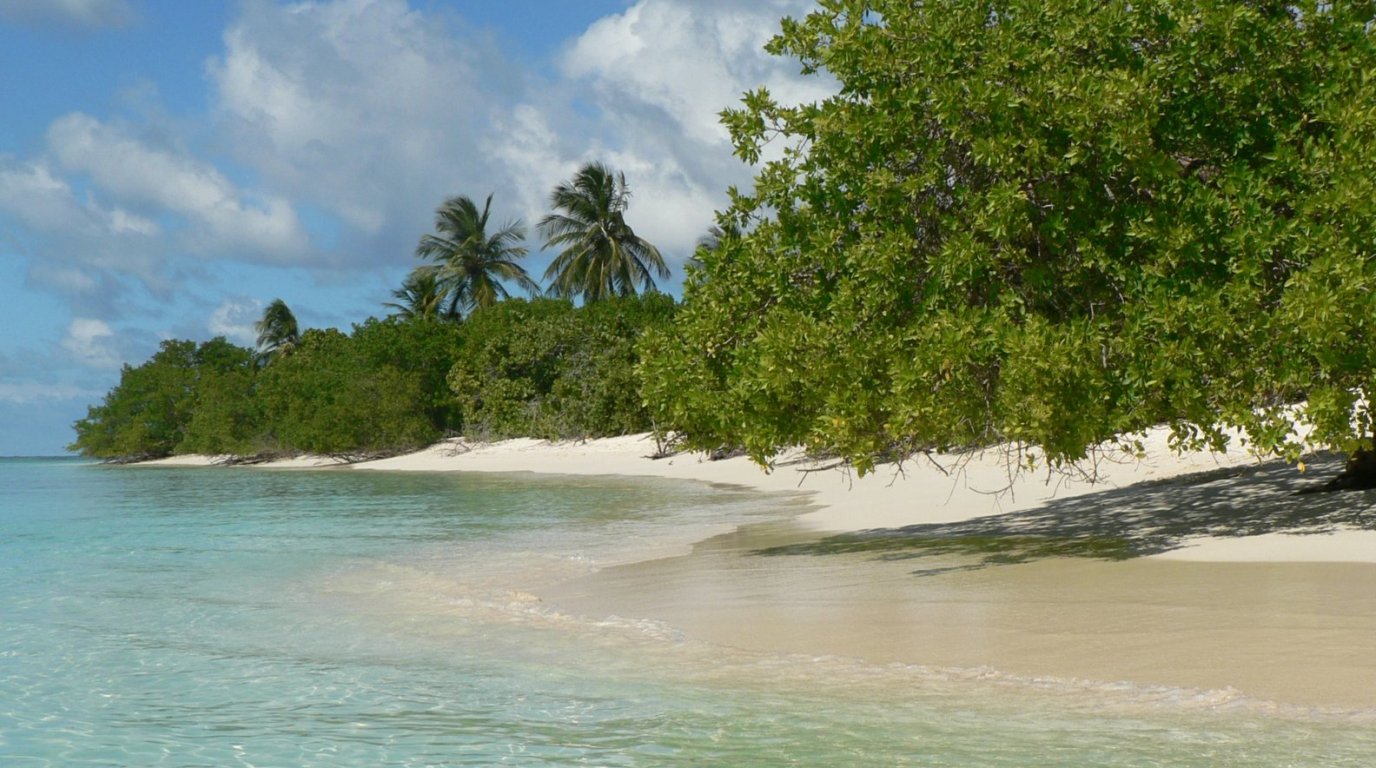
Dry Season (December to April)
For most travellers planning their first travel to Venezuela, this is the safest and most convenient window.
- Easier transfers from Caracas
- Better road conditions
- Calmer waters along the Caribbean coast
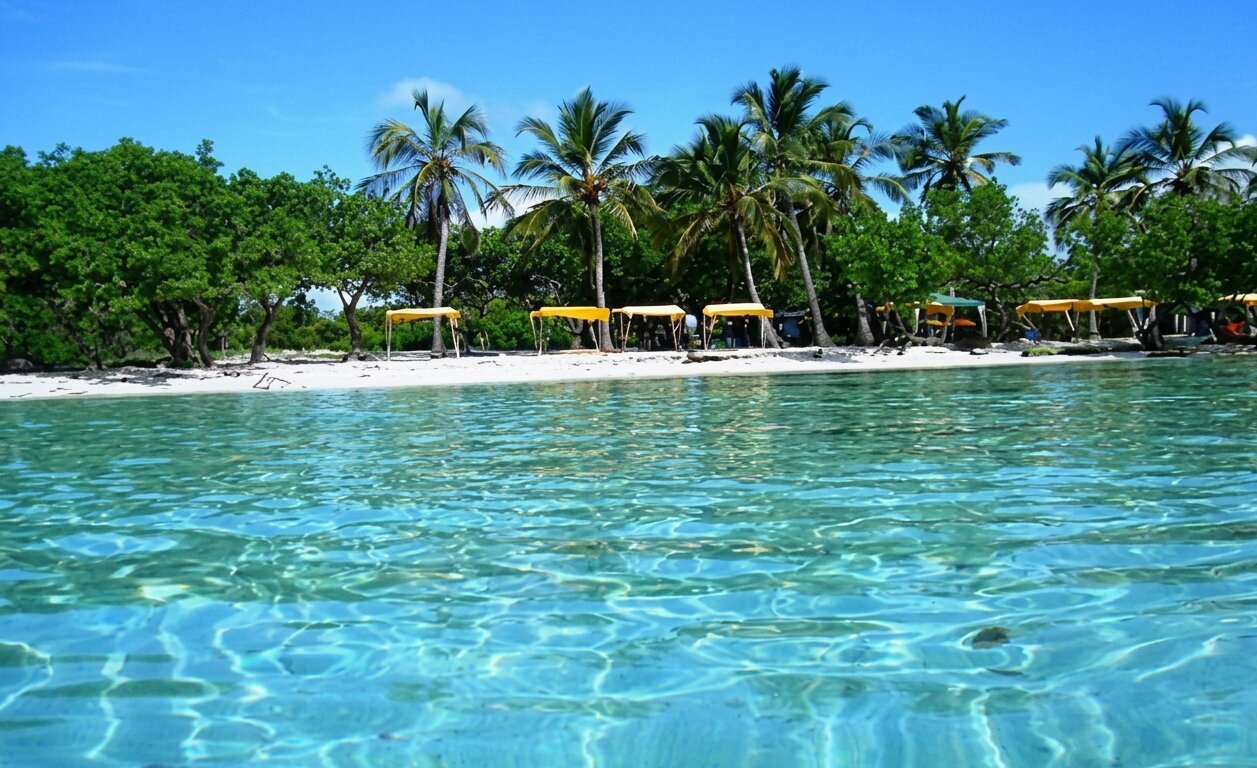
- Ideal beach weather in Margarita Isla
- Clearer skies in the Andes Mountains and Pico Bolivar
Destinations like Mérida in the Andean highland region are particularly pleasant during this period, with slightly cooler temperatures compared to coastal and lowland zones.
If you want the simplest answer to the best time to go, this is it.
Rainy Season (May to November)
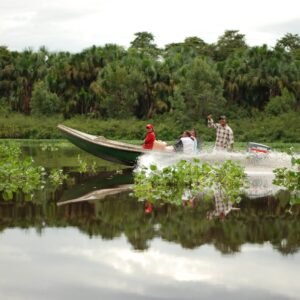
The rainy season, also known as the wet season, brings higher rain, occasional downpours, and sometimes heavy rains, particularly in the Amazon rainforest, the Llanos, and along the Orinoco River.
But rain also brings advantages.
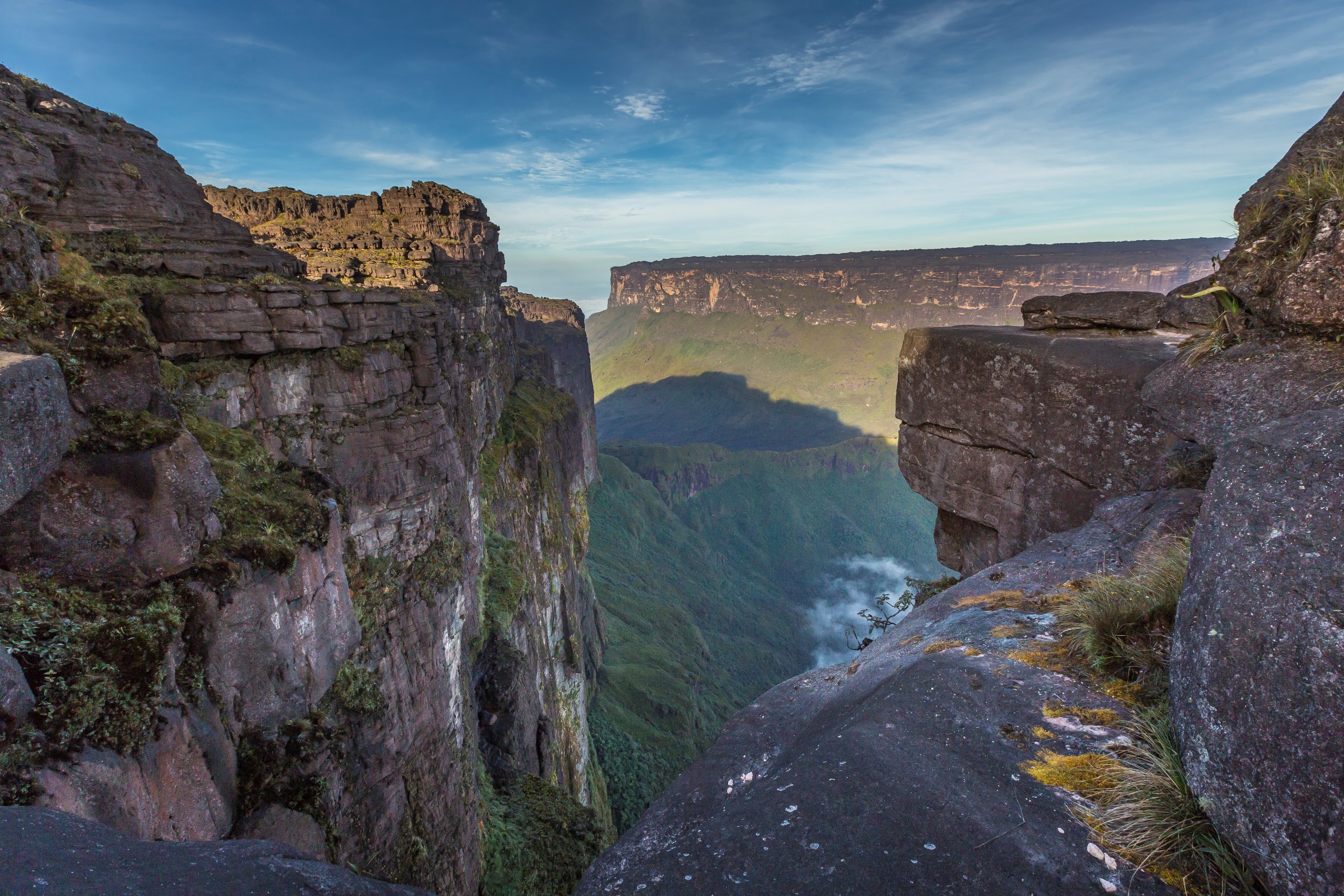
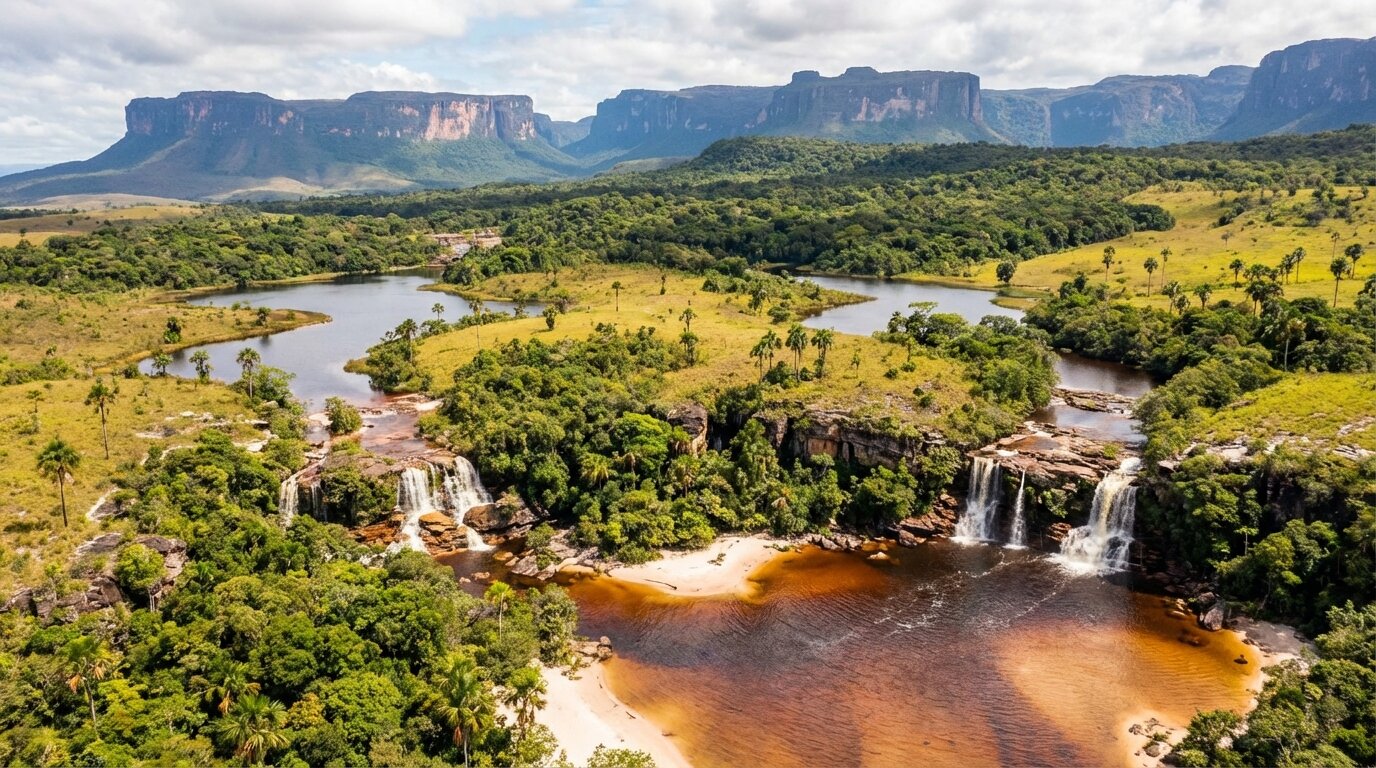
For example, Angel Falls, located in Canaima National Park, Rorarima depends on water levels. During wetter months — especially July and August — increased rainfall makes the world’s tallest waterfall more powerful and improves river access.
If your priority is this iconic natural attraction, the wet months may actually be the ideal time.
| Season | Months | Best For | Weather Conditions |
|---|---|---|---|
| Dry Season | December – April | Beaches, Andes, multi-stop trips | More sunny days, less rainfall |
| Rainy Season | May – November | Angel Falls, rainforest, Orinoco | Higher rainfall, greener landscapes |
Our Sabana Travel Packages
Best Time by Destination in Venezuela
Because Venezuela’s geography ranges from Caribbean beaches to savannah, rainforest, and Andes Mountains, timing varies by region.
Angel Falls & Canaima National Park
The best time to visit Angel Falls is typically June through October. During these months, river navigation is more reliable and the surrounding rainforest is at its greenest.
Canaima remains accessible in drier months, but water levels may affect certain routes.
Caribbean Coast & White Sandy Beaches
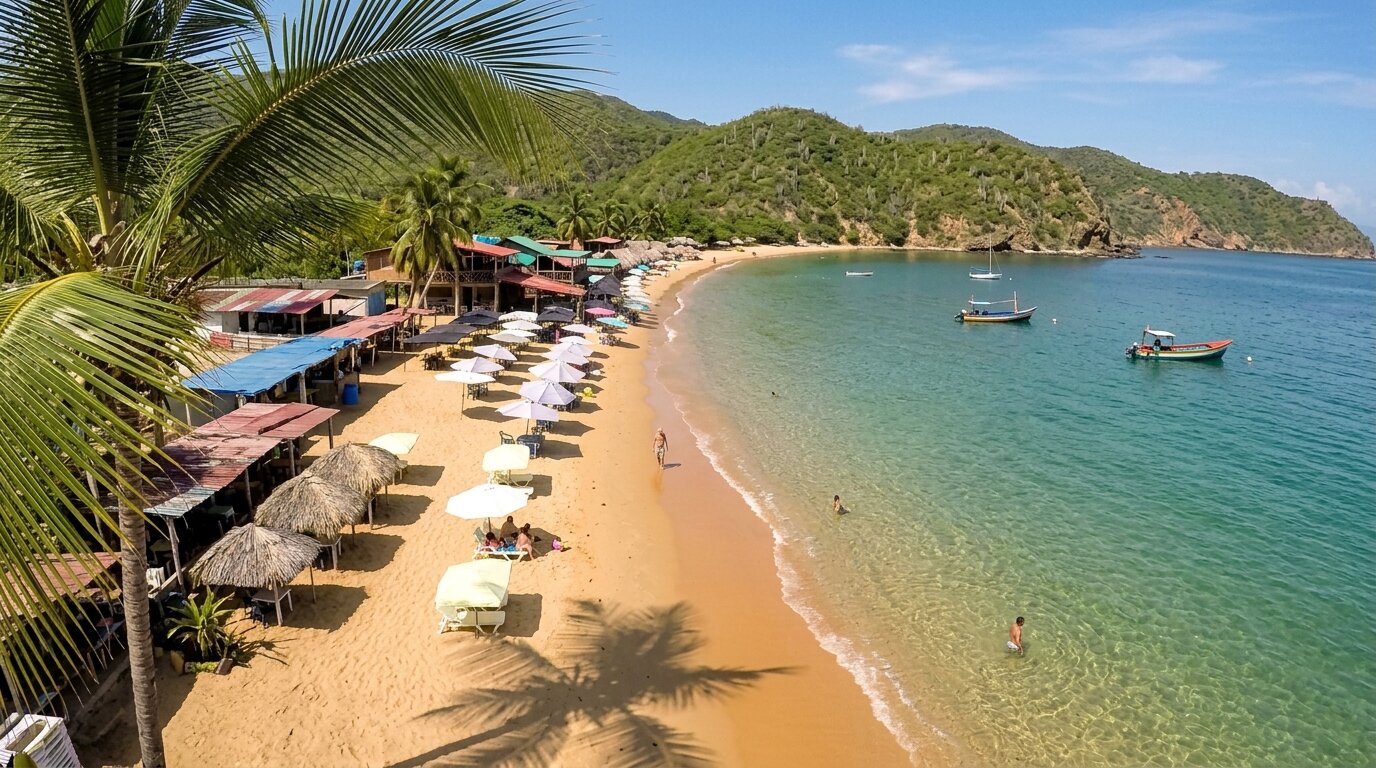
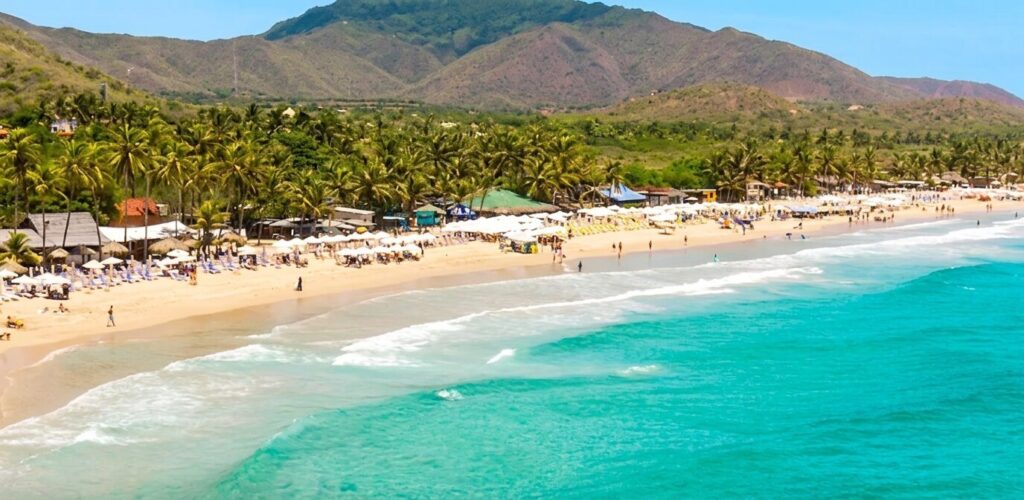
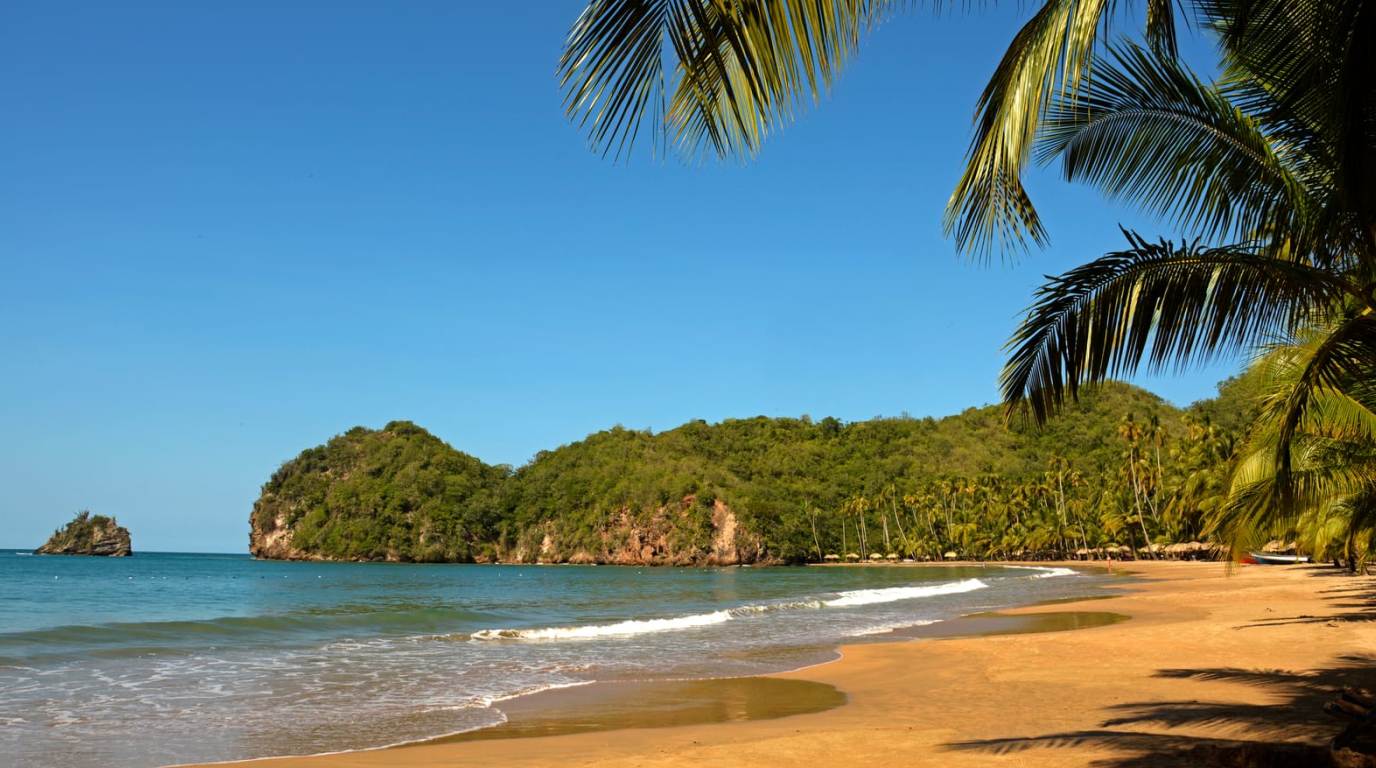
If your focus is relaxation and outdoor activities, the Caribbean coast is best between December and April.
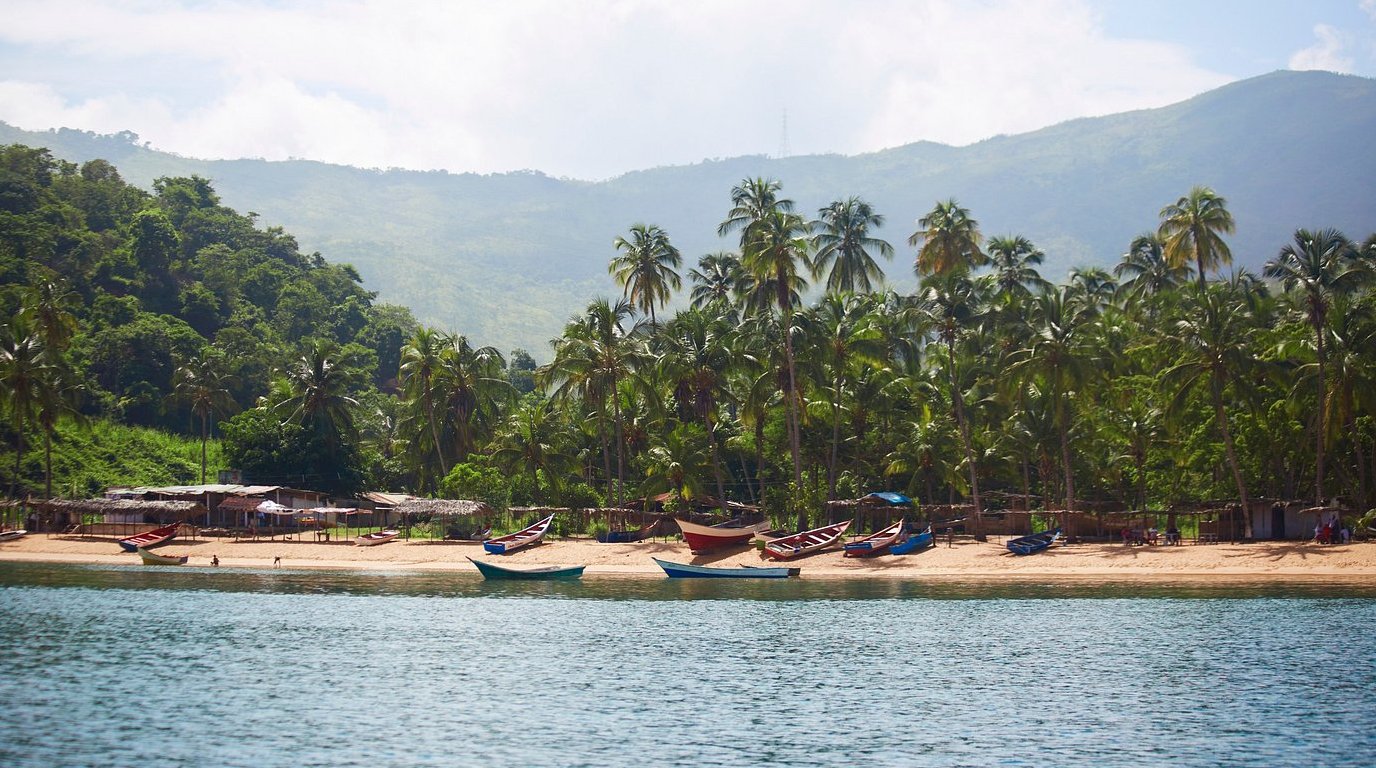
Margarita Isla is known for its white sandy beaches, warm water, and consistent sunshine. The dry season is ideal for sailing, snorkeling, and short island escapes.
Andes Mountains & Mérida
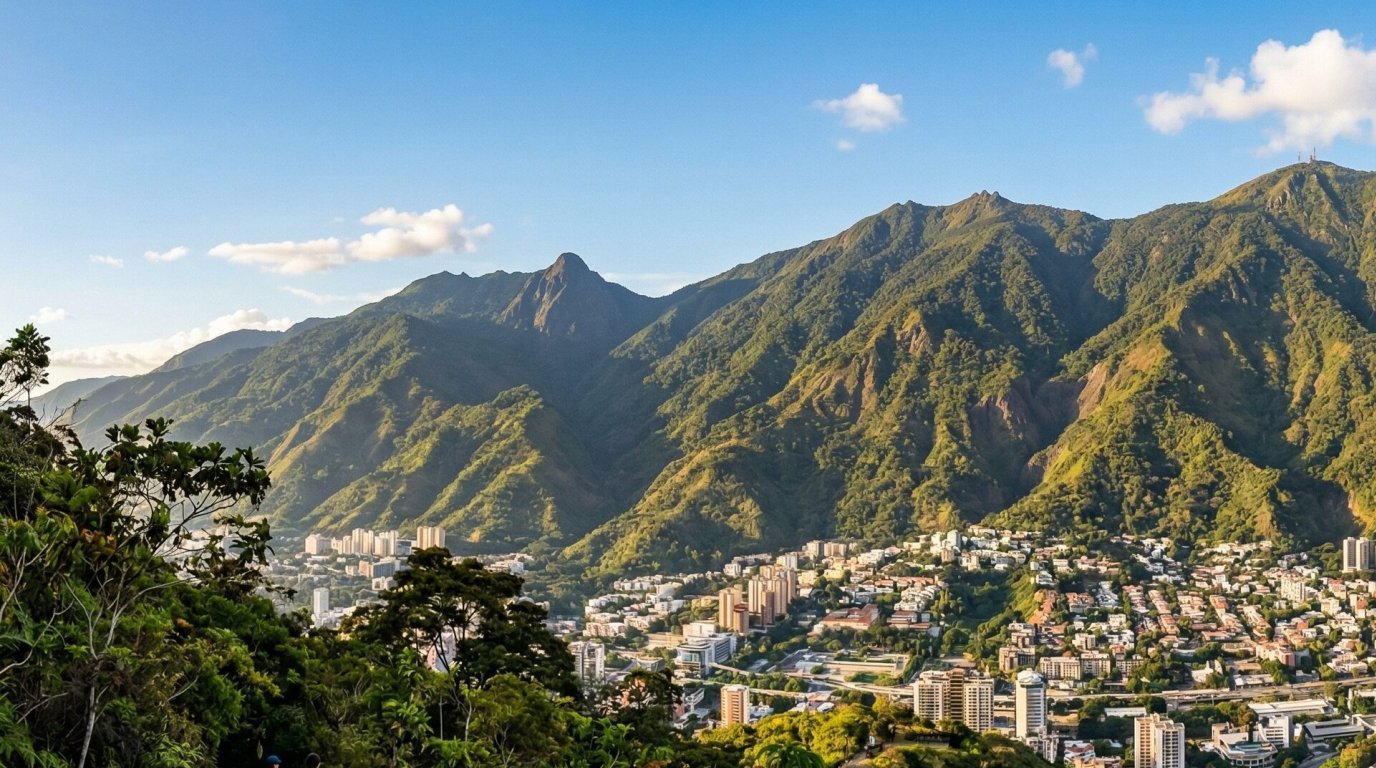
The Venezuelan Andes, including Mérida and peaks like Pico Bolívar, are most comfortable in the dry months. Clearer skies make mountain views more impressive, and trekking conditions are better in this highland environment.
Los Llanos & Orinoco River
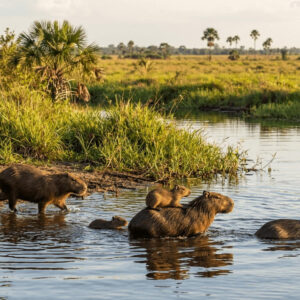
The wildlife-rich Llanos and the Orinoco River basin change dramatically with the seasons.
- In wetter months, flooded plains support aquatic life and bird populations.
- In drier months, animals concentrate near water sources, making sightings easier.
Both seasons offer unique advantages depending on what type of traveller you are.
| Destination | Best Time to Visit | Why |
|---|---|---|
| Angel Falls (Canaima National Park) | June – October | Higher water levels, stronger waterfall flow |
| Caribbean Coast & Margarita Isla | December – April | Calmer seas, sunny beach weather |
| Andes Mountains (Mérida) | December – March | Clearer skies, better trekking conditions |
| Los Llanos | Dry: Wildlife spotting Wet: Birdlife & lush scenery | Seasonal wildlife advantages |
| Orinoco River Delta | June – November | Better river navigation |
Month-by-Month Highlights
- January and February – Often considered the strongest overall period and possibly the best time to visit Venezuela for a first trip. Carnival season brings vibrant music and dance and colorful parade traditions.
- March & April – Reliable dry-season months for combining beaches and mountains.
- May to November – Greener landscapes, fewer crowds, and often better prices, but expect more rainfall.
- July and August – Strong months for Canaima National Park in many years.
- December – Start of the dry season and a popular time to go to Venezuela.
Local Culture, Food & Experience
Timing your trip to Venezuela also affects cultural experiences.
Cities like Caracas, Maracaibo, and towns such as El Callao showcase Venezuela’s rich cultural heritage. Carnival celebrations are famous for energetic music and dance, while local traditions vary from the Andean mountains to the Caribbean coast.
Food is another highlight. Trying pabellón criollo, learning about local customs, and engaging with local culture are essential parts of any visit.
Practical Travel Tips best time to visit venezuela
Before you visit Venezuela, check whether you need a visa and confirm entry rules with your nearest embassy. Many services operate in US dollars, but always verify before departure.
Because of the climate differences:
- Pack light clothing for hot lowland areas
- Bring layers for the Andes Mountains
- Wear comfortable walking shoes
- Use sunscreen
- Carry insect repellent, especially in the rainforest.
| Month | Travel Conditions | Recommended For |
|---|---|---|
| January | Dry, sunny | Beaches, Andes, classic routes |
| February | Very dry, Carnival season | First-time visitors |
| March | Dry and warm | Multi-region travel |
| April | End of dry season | Fewer crowds |
| May | Transition month | Budget travel |
| June | Rain increases | Angel Falls access |
| July | Rainy but lush | Canaima trips |
| August | Mixed conditions | Flexible itineraries |
| September | Rainy | Waterfalls & Orinoco |
| October | Rainy season peak | Nature-focused trips |
| November | Transition back to dry | Shoulder season value |
| December | Dry season begins | Classic travel routes |
Frequently Asked Questions
In this section, you’ll find answers to the most frequently asked questions about our destinations, bookings, and travel services. We’re here to help you plan your next adventure with ease and peace of mind
Venezuela is warm year-round, with more noticeable changes in rainfall than temperature. December to April is usually drier in many regions, while May to November brings more rain, greener scenery, and fuller rivers, especially in rainforest and river areas.
For Angel Falls and Canaima National Park, June to November is often best because higher water levels improve river access and make the falls more dramatic. May and November are also good transition months if you want a balance between access and easier logistics.
The dry season is generally December to April, with some regional variation. It usually makes flights, road transfers, beach trips, and multi-destination travel easier to manage, which is why it is often the best time to visit Venezuela for first-time travelers.
The hottest period is often around March through May in many lowland and coastal areas. Heat feels strongest in the plains, Caribbean coast, and lower-elevation inland zones, while the Venezuelan Andes stay much cooler.
Safety depends heavily on where you go, how you move around, and who plans your route. If you are a U.S. traveler, check current official travel advice before booking, and use organized transfers, experienced local guides, proper documents, and comprehensive travel insurance.
Safety depends heavily on where you go, how you move around, and who plans your route. If you are a U.S. traveler, check current official travel advice before booking, and use organized transfers, experienced local guides, proper documents, and comprehensive travel insurance.
Yes. Due to its tropical climate, temperatures remain warm year round, especially in coastal and low-elevation regions
Typically June to October, when water levels are higher.
Top attractions include Angel Falls, Canaima National Park, the Andes Mountains, the Orinoco River, the Llanos, and Caribbean beaches.
Often during the rainy season, especially between June and October.